For UK beginners, the best potato grow bag is usually one manageable bag, not the largest multipack. The 40-litre Haxnicks Vigoroot is our first-container pick: it gives you a single fabric planter to position, fill and water. Choose the Haxnicks Potato Patio three-pack for several separate plantings, or the Ohiyoo four-pack if inspection flaps matter and you genuinely have room for four bags.
This guide covers empty, reusable outdoor planters for a sunny UK patio or small garden. Compost and seed potatoes are separate purchases. The exact choices below are one green Vigoroot planter, three green polyethylene Patio Planters, and four brown Ohiyoo fabric bags; the latter are sold as “10 gallon”, so use their centimetre dimensions rather than assuming UK imperial gallons.
How we chose: We compared current product specifications and pack contents, checked the Haxnicks dimensions and materials against the manufacturer, and used RHS growing guidance to assess practical suitability. These are research-based recommendations, not results from a hands-on growing trial.
Best Potato Grow Bags UK: Shortlist
| Grow bag | Choose it for | Size and pack | Main compromise |
|---|---|---|---|
| Haxnicks Vigoroot | Starting with one fabric container | 1 × 40L; 35cm diameter × 45cm high | Porous fabric needs attentive watering |
| Haxnicks Potato Patio | Several separate plantings | 3 × 40L polyethylene; each 35cm diameter × 45cm high | All three mean up to 120L of nominal capacity to fill |
| Ohiyoo Window Grow Bags | A fabric multipack with inspection flaps | 4 bags; each listed as 35cm diameter × 40cm high, “10 gallon” | Four bags need space; opening a flap can spill compost |
None of these bags makes a cramped or shaded position productive by itself. Pick the quantity you can keep watered, and budget for growing medium as well as the bags. A pack that stays half-empty is not automatically better value.
Three Grow Bags Worth Buying
Haxnicks Vigoroot Potato/Tomato Planter — our first-container pick

Choose this if you want to try potatoes without committing to several containers. Its single-bag format is the decisive advantage over the two multipacks here: you buy one planter and manage one watering job. Haxnicks specifies 40 litres, a 35cm diameter and a 45cm height, with a reusable fabric body and handles.
The fabric construction lets water pass through the sides as well as the base. That suits a grower who can check compost regularly; it is a less convenient match for a hot exposed patio that you leave unattended for days. Its useful single-container size is the main reason to choose it over the multipacks.
Buy it if: you want one fabric bag for your first crop. Skip it if: you already plan three separate plantings and prefer a purpose-made polyethylene set.
Haxnicks Potato Patio Planters — for several separate plantings

This three-pack makes sense when you already have space for multiple containers, perhaps to keep varieties separate. Each reusable polyethylene planter has drainage holes and handles. The manufacturer gives a 40-litre capacity and 35cm diameter by 45cm height per bag. Unlike the Ohiyoo option, there is no side flap to manage.
The trade-off is scale: three 40-litre bags have 120 litres of combined nominal capacity. That is a calculation from the stated capacities, not an instruction to fill each to the brim on planting day. Allow room to top up gradually and leave watering space. Three 35cm-wide bases also need at least 105cm in a straight row before gaps and foliage are considered.
Buy it if: you intend to use several planters and want simple sides with drainage holes. Skip it if: you only want one small growing project. You can store spare bags, but there is no need to fill all three at once.
Ohiyoo Window Grow Bags — for an inspection-flap multipack

The brown four-pack offers nonwoven fabric bags with handles and a closable side opening. The four-pack specifies each bag as 35cm across and 40cm high and labels it “10 gallon”. We would shop by those dimensions rather than converting an unspecified gallon convention into litres.
Choose it over the Haxnicks options specifically for the flap and four-bag quantity. The opening can give access to the compost near the side, but it is not a promise that you can remove a crop without disturbing roots. Keep it closed during growing to contain the compost and keep light off tubers; emptying the bag at the end remains the simple harvesting method.
Buy it if: you will use four fabric containers and want side access. Skip it if: you want the simplest first bag, or a clearly stated litre capacity for planning compost purchases.
Choose Size and Material Before Buying
Start with the space you can maintain. Measure the base area, then leave extra room for leafy growth and access with a watering can. Position bags before filling: wet compost is heavy, and handles do not make a full planter a light or effortless lift. On balconies, check the permitted loading and drainage arrangements before placing heavy filled containers.
The two Haxnicks choices have a stated 40-litre capacity per bag. Actual compost use depends on fill level and settling, so treat that as an upper planning reference rather than an exact shopping prescription. Buy enough for the initial layer and later topping up; do not choose a huge bag simply because its headline capacity looks generous.
Fabric versus polyethylene: fabric is porous, which changes how often you may need to water. Polyethylene planters depend on their drainage holes staying open; do not stand them in water. Neither material removes the need to check moisture. Jute is another plant-fibre option, but its suitability for repeated seasons depends on its construction and condition; we have not selected a jute model here.
Use a suitable container-growing compost rather than assuming garden soil will behave well in a bag. Our compost guide explains different growing media, while raised beds versus growing in the ground helps if you are still deciding whether containers suit your garden.
Planting and Caring for Bag-Grown Potatoes
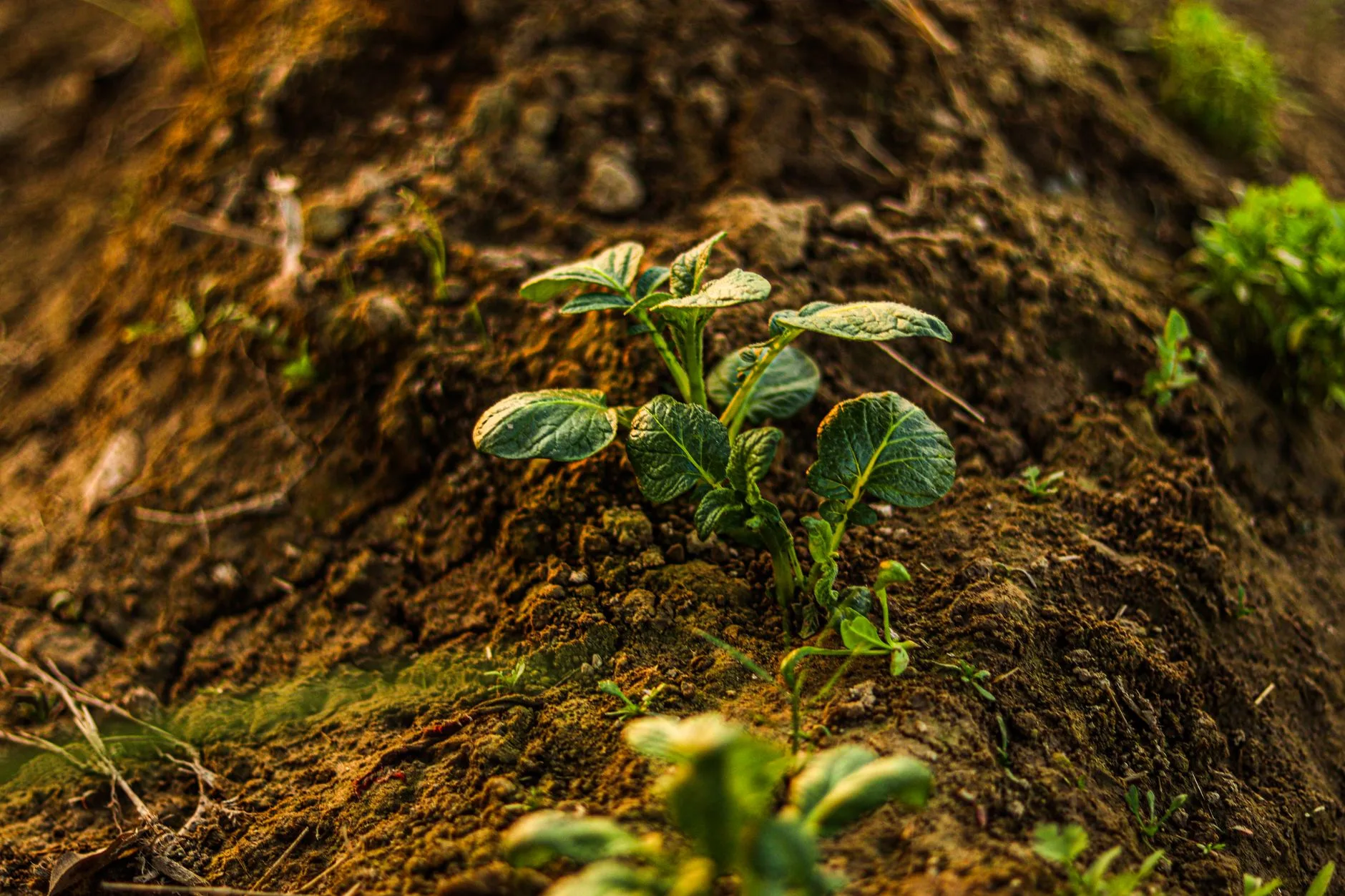
Use certified seed potatoes rather than supermarket eating potatoes. Early varieties are a practical starting point for containers; choose a variety for the way you cook as well as the harvest season. See our UK seed suppliers guide when planning the rest of your vegetable growing.
The RHS potato guide uses one seed potato per 30cm-diameter container as its reference. For a first attempt in these roughly 35cm-wide bags, one seed potato is a conservative starting choice, rather than treating the pack’s maximum planting suggestions as a target.
Start with a layer of compost, plant following the seed supplier’s guidance, and add more compost as growth develops. Earthing up helps keep developing tubers covered and protects young growth from frost; it does not guarantee successive layers of potatoes or a particular harvest weight. Keep the planter in a sunny position, protect tender shoots during cold spells and check moisture regularly, especially once leafy growth fills out.
Water the compost thoroughly when needed and let excess water drain. Do not assume rain has soaked the whole bag: foliage can shelter the surface. Follow the compost and fertiliser instructions rather than applying an arbitrary weekly feeding dose. For dates and step-by-step growing advice, use our complete UK potato-growing guide.
Harvesting, Reuse and Storage
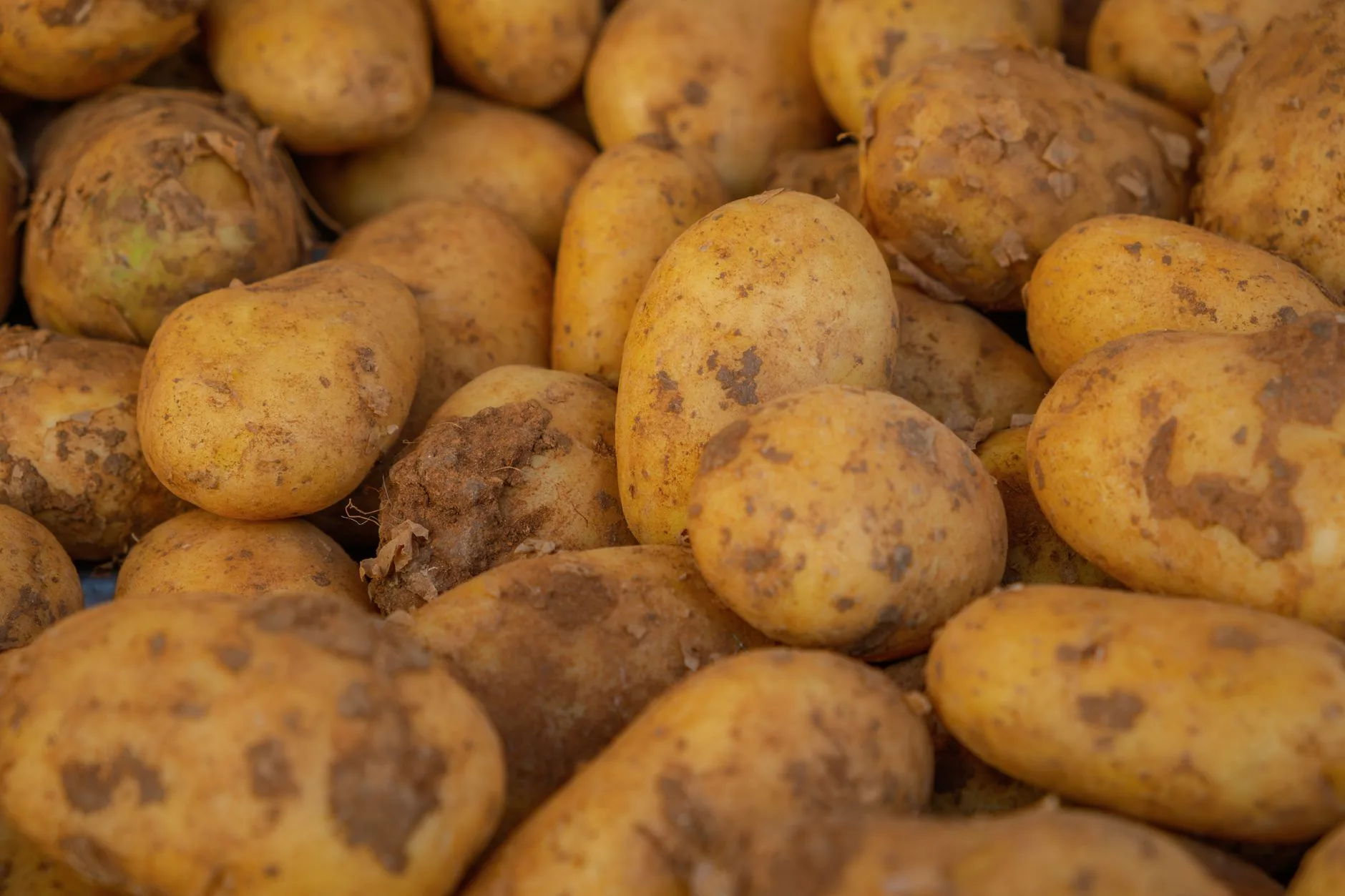
Harvest timing depends on the variety and planting date. When the crop is ready, empty the bag onto a sheet or into a wheelbarrow and search through the compost gently. This makes it easier to collect small tubers without cutting into a bag or driving a fork through them. A window is optional, not an essential feature for harvesting.
After use, empty and clean the bag according to its care instructions, then let it dry before storage. Check seams, handles and drainage holes before reusing it. Replace a bag if the fabric or stitching has deteriorated; we would not budget on a fixed number of seasons for any of these products.
Keep disease-affected plant material out of compost you intend to reuse for potatoes. If you are expanding beyond this first crop, our vegetable-garden starter guide helps plan a manageable mix of crops and growing spaces.
Which Potato Grow Bag Should You Buy?
Start with the single Haxnicks Vigoroot if this is your first container crop and you can keep an eye on watering. The Haxnicks Potato Patio three-pack is the better match for several planned plantings, while the Ohiyoo four-pack earns its place only if you want its inspection flaps and larger quantity. Buy the quantity that fits your space and watering routine.
Frequently Asked Questions
What size potato grow bag should I buy?
A bag around 35cm wide and 40–45cm high is a manageable starting size. Check the actual dimensions and stated litre capacity, and allow room for foliage and watering access.
How many seed potatoes should I put in one bag?
For a first attempt in the roughly 35cm-wide bags here, one seed potato is a conservative starting choice based on the RHS reference of one per 30cm-diameter container.
Are fabric potato bags better than plastic ones?
Fabric is porous and needs attentive moisture checks. Polyethylene planters rely on open drainage holes. Choose the material for your watering routine and growing position.
Do I need a grow bag with a harvest window?
No. A flap offers side access, but emptying the bag at harvest is simple. Keep any flap closed while growing to retain compost and exclude light from tubers.
Can I reuse a potato grow bag?
Yes, if it remains in good condition. Empty, clean and dry it after use, then check the seams, handles and drainage before planting again. Its usable life depends on condition and care.