You want to grow fruit but you have a patio, a balcony, or a garden so small that a full-size apple tree would block out the sun for the neighbours. Or maybe you rent and cannot plant anything permanent. Containers solve both problems — and the range of fruit you can grow in pots in the UK is wider than most people realise.
Growing fruit in containers is not a compromise. Strawberries, blueberries, figs, and dwarf citrus trees all thrive in pots with the right care. Some fruit actually performs better in containers because you can control the soil, move the pot to follow the sun, and protect it from frost. This guide covers what works best in UK conditions, what to plant in, and the mistakes that kill container fruit before it gets going.
In This Article
- Why Grow Fruit in Containers
- Best Fruit for Containers in the UK
- Choosing the Right Container
- Compost and Soil Mix
- Planting and Positioning
- Watering: The Most Common Mistake
- Feeding Container Fruit
- Winter Protection
- Repotting and Root Management
- Pests and Problems
- A Year-Round Container Fruit Calendar
- Frequently Asked Questions
Why Grow Fruit in Containers
Space
A dwarf apple tree in a 40-litre pot takes up less than one square metre of patio space and produces 10-30 apples per year. A grow bag of strawberries sits on a balcony railing. Blueberry bushes in pots line a path. You do not need an orchard — you need a few square metres of outdoor space with reasonable sunlight.
Control
Containers let you control everything. Blueberries need acidic soil (pH 4.5-5.5), which most UK garden soil is not. In a container, you fill it with ericaceous compost and the problem is solved. Figs fruit better when their roots are restricted — a container does this naturally. Citrus trees need frost protection — wheel the pot into a porch or garage in November. Our guide on growing strawberries in the UK covers container methods for one of the easiest fruits to start with.
Renters and Temporary Gardens
Everything in a pot goes with you when you move. No landlord disputes, no digging up a garden that is not yours, no losing three years of growth. Container fruit is portable gardening.
Best Fruit for Containers in the UK
Strawberries — The Easiest Win
Strawberries are the gateway drug of container fruit. They need a pot as small as 20cm, produce fruit within weeks of planting (for June-bearers), and look attractive trailing over the edge of a container. Grow 6-10 plants and you will have enough for the family through June and July.
- Best varieties for containers: Cambridge Favourite (reliable, classic flavour), Mara des Bois (everbearing, intense taste), Albion (everbearing, large fruit)
- Container size: 20-30cm pots for individuals, or a strawberry planter/tower for multiple plants
- Position: Full sun (6+ hours). Strawberries in shade produce leaf, not fruit.
Blueberries — Containers Are Actually Better
Blueberries need acidic soil that most UK gardens simply do not have. In a container filled with ericaceous compost, they thrive. A single bush in a 30-40 litre pot produces 1-2kg of berries per year once established. They also look beautiful — white flowers in spring, berries in summer, fiery red leaves in autumn. The Royal Horticultural Society recommends container growing as the most reliable method for UK gardeners.
- Best varieties for containers: Bluecrop (most widely grown, reliable), Duke (early, large berries), Sunshine Blue (compact, ornamental)
- Container size: 30-50 litres minimum. Blueberries have shallow, spreading roots.
- Position: Full sun to light shade. Shelter from cold winds.
Figs — Surprisingly Brilliant in Pots
Figs are one of the best container fruit trees for the UK. They fruit better when root-restricted (which a pot does automatically), they tolerate drought once established, and they look stunning on a sunny patio. A fig in a 40-50 litre pot against a south-facing wall will produce 15-30 figs per year in a good summer.
- Best varieties for containers: Brown Turkey (the UK standard — hardy, reliable), Brunswick (large fruit, very hardy), Rouge de Bordeaux (small, intensely sweet)
- Container size: 40-60 litres. Clay pots work well because figs like slight drought stress.
- Position: Full sun, south-facing if possible. Figs need heat to ripen.
Dwarf Apple and Pear Trees
Fruit trees on dwarfing rootstocks grow to 1.5-2 metres in a container and produce genuine, full-size fruit. Apple trees on M26 or M9 rootstock and pear trees on Quince C are specifically designed for small spaces.
- Best apple varieties for containers: Cox’s Orange Pippin (classic English, needs a pollinator), Braeburn (self-fertile in warm spots), Discovery (early, reliable, good in the North)
- Best pear variety for containers: Conference (self-fertile, the safest choice)
- Container size: 40-60 litres minimum, ideally 50+
- Position: Full sun, sheltered from strong wind (blossom is fragile)
Raspberries — Autumn Varieties Shine in Pots
Autumn-fruiting raspberries (also called primocane or everbearing) are ideal for containers because they fruit on the current year’s growth, which means you cut all canes to the ground in February and start fresh. No complicated pruning, no tying in. Our guide on growing raspberries covers summer vs autumn varieties in detail.
- Best varieties for containers: Autumn Bliss (the classic, reliable), Polka (large fruit, sweet), All Gold (yellow, sweet, unusual)
- Container size: 30-40 litres per 3-4 canes
- Position: Full sun to light shade
Citrus — The Patio Statement Piece
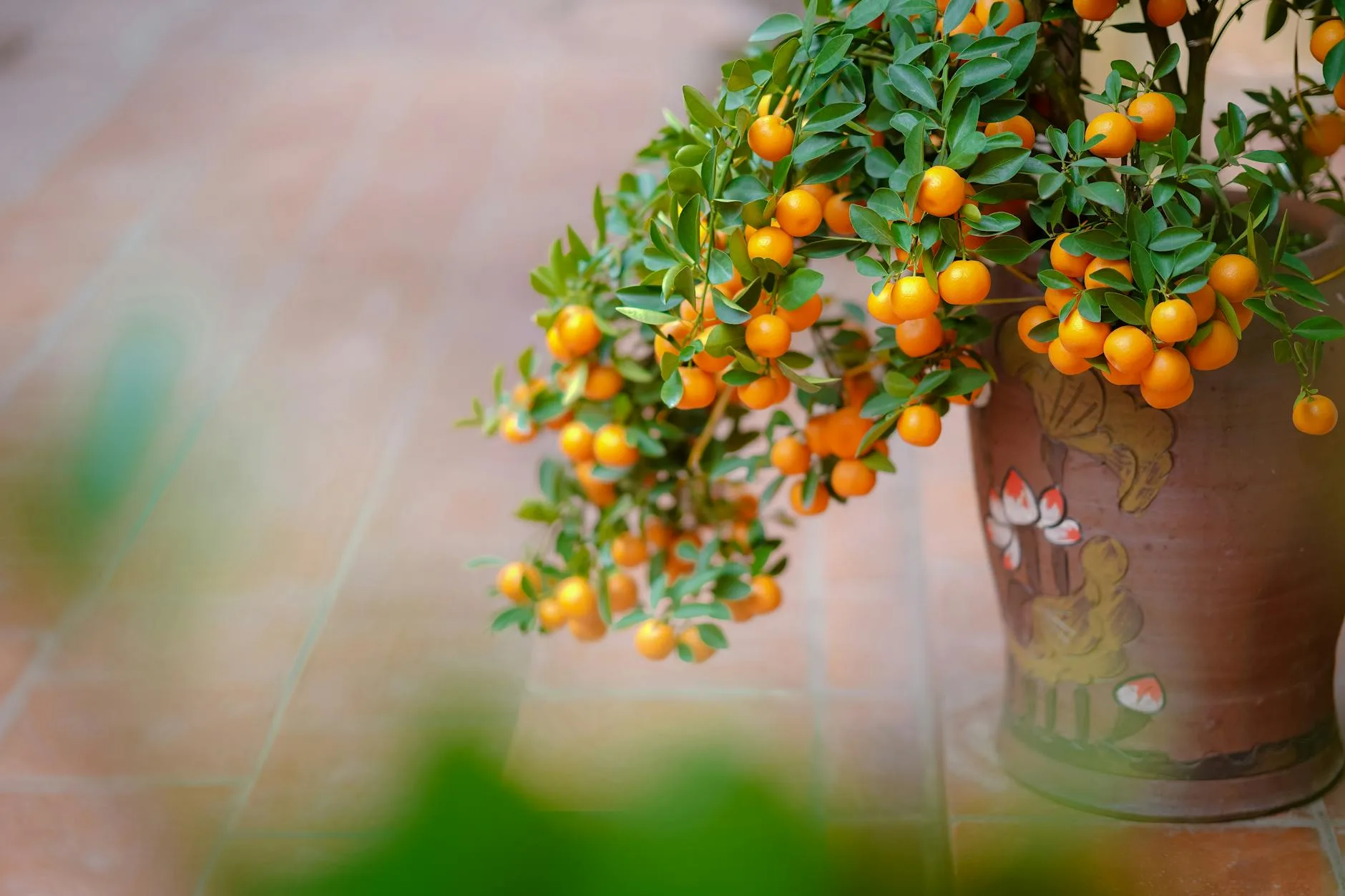
Lemons, limes, and kumquats grow well in UK containers if you bring them inside over winter (October-April). They need a bright, cool spot indoors — an unheated conservatory or porch at 5-12°C is perfect. A lemon tree in a beautiful pot is one of the most satisfying things you can grow.
- Best varieties for containers: Meyer Lemon (most reliable, fragrant flowers), Calamondin Orange (ornamental, tart fruit), Kumquat (hardiest citrus, eat the whole fruit)
- Container size: 30-50 litres
- Position: Full sun outdoors May-September. Bright but cool indoors over winter.
Choosing the Right Container
Material Matters
- Terracotta — breathable, heavy (stable in wind), looks beautiful. Dries out faster than plastic, which is fine for figs and Mediterranean fruit but means more watering for thirsty plants like strawberries. Frost can crack it — bring inside or wrap in bubble wrap over winter.
- Plastic — lightweight, cheap, retains moisture well. Less attractive but functional. The best choice for blueberries because it retains the acidic moisture they need.
- Fabric (grow bags) — excellent drainage and air-pruning of roots. Lightweight and collapsible for storage. Good for strawberries and raspberries.
- Wooden half-barrels — attractive, insulating, and large enough for fruit trees. Line with plastic to prevent rot, and drill drainage holes.
Size Guide
- Strawberries: 20-30cm pots or hanging baskets
- Blueberries: 30-50 litre pots
- Raspberries: 30-40 litre pots
- Figs: 40-60 litre pots
- Dwarf apple/pear trees: 50-70 litre pots
- Citrus: 30-50 litre pots
Drainage Is Non-Negotiable
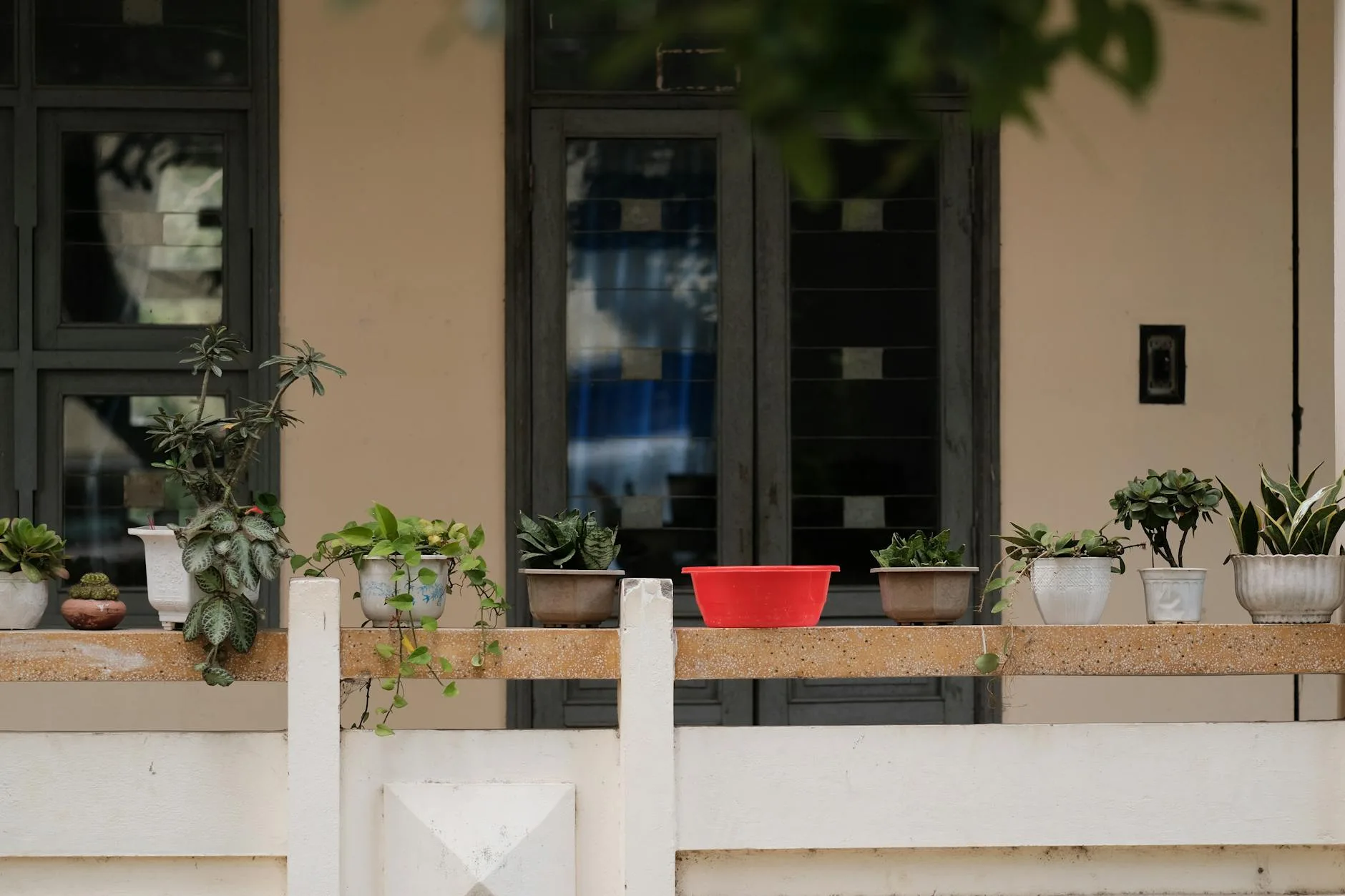
Every container needs drainage holes. Fruit roots sitting in waterlogged compost develop root rot within weeks. If your pot does not have holes, drill them. Place the pot on feet or bricks to allow water to flow freely out of the bottom.
Compost and Soil Mix
The Standard Mix
For most container fruit: 70% peat-free multipurpose compost + 20% perlite (for drainage and aeration) + 10% garden compost or worm castings (for nutrients and microbial life). This gives a light, well-draining mix that holds enough moisture without staying soggy. Our best compost guide covers ready-mixed options.
For Blueberries
Use 100% ericaceous (lime-free) compost. Standard multipurpose is too alkaline. Top up with ericaceous compost annually and water with rainwater if possible — tap water in hard water areas gradually raises the pH. If leaves turn yellow between the veins (interveinal chlorosis), the pH is too high. A splash of vinegar in the watering can helps in emergencies.
For Citrus
Use a specialist citrus compost, or mix standard multipurpose with 30% perlite and 10% grit for extra drainage. Citrus hates wet feet more than almost any other container fruit.
For Fruit Trees
Add 10-20% John Innes No. 3 (loam-based) to the multipurpose/perlite mix. The loam adds weight (which stabilises the pot against wind) and provides slow-release nutrients. Pure multipurpose breaks down too quickly in large pots, compacting and losing structure after one season.
Planting and Positioning
Sun Requirements
Most fruit needs a minimum of 6 hours of direct sun per day. South-facing patios and balconies are ideal. West-facing gets afternoon sun (fine for most fruit). East-facing gets morning sun (acceptable but slower ripening). North-facing is too shady for almost all fruit except some shade-tolerant berries.
Grouping for Pollination
Apple and pear trees need a pollinator — either another compatible variety nearby or a crabapple within 100 metres (most urban areas have one). Blueberries produce heavier crops with a second variety for cross-pollination. Strawberries, raspberries, figs, and citrus are self-fertile.
Wind Protection
Container fruit trees are top-heavy and can blow over in strong wind. Position against a wall or fence, use heavy pots (terracotta or stone), and consider staking young trees. A toppled fruit tree in a broken pot is a heartbreaking thing to come home to.
Watering: The Most Common Mistake
The Problem
Container fruit dries out faster than you expect. A large pot in full sun on a hot July day can lose 3-5 litres of water through evaporation and transpiration. Miss one day and shallow-rooted plants like strawberries start to suffer. Miss three days and you lose the crop.
The Solution
- Water daily in summer — morning is best. Evening watering is fine but encourages slugs.
- Push your finger 5cm into the compost. Dry at that depth = water. Damp = leave it.
- Water until it flows from the drainage holes. This ensures the entire root zone is wet, not just the surface.
- Mulch the surface with bark chips, straw, or gravel (2-3cm thick). This reduces evaporation by up to 50%.
- Consider drip irrigation for multiple pots. A timer and drip system costs about £20-40 from Screwfix or B&Q and saves daily effort.
Overwatering
Yes, you can overwater container fruit. Waterlogged roots cannot absorb oxygen and develop root rot. The signs: yellowing leaves, wilting despite wet soil, and a musty smell from the compost. Good drainage (perlite in the mix, holes in the pot, pot feet) prevents this.
Feeding Container Fruit
Why Containers Need More Feeding
In the ground, roots access nutrients from a vast volume of soil. In a pot, the root zone is limited and nutrients are washed out with every watering. Container fruit needs regular feeding from spring to late summer.
The Feeding Schedule
- Spring (March-April): Top-dress with a handful of controlled-release granules (Osmocote or Vitax Q4). This provides a steady nutrient supply for 4-6 months.
- Summer (May-August): Supplement with a liquid feed every 1-2 weeks. Use a high-potash feed (tomato feed works perfectly) once fruit starts forming — potash promotes flowering and fruiting.
- Autumn-Winter: Stop feeding from September. Plants need to harden off for winter, and fresh growth triggered by late feeding is frost-vulnerable.
Blueberry-Specific Feeding
Use an ericaceous liquid feed (available from garden centres, about £5-8 per bottle). Standard tomato feed is too alkaline for blueberries. Alternatively, a handful of sulphur chips in spring maintains the acidic conditions they need.
Winter Protection
What Needs Protecting
- Citrus: Must come indoors (5-12°C, bright spot) from October to April. They die below about -5°C.
- Figs: Hardy to about -10°C once established, but container roots are more exposed than ground roots. Wrap the pot in bubble wrap or hessian and push it against a house wall.
- Blueberries: Hardy to -15°C. The plant is fine but the pot can freeze solid, damaging roots. Insulate with fleece or move to a sheltered spot.
- Strawberries: Pots can freeze through in severe cold, killing the crowns. Move under cover (cold greenhouse, carport) or insulate with straw and fleece.
- Dwarf apple/pear trees: Generally hardy, but insulate the pot. Our fleece and cloches guide covers protection options.
The Biggest Winter Risk
It is not cold air that kills container fruit — it is frozen roots. Ground-planted trees have insulated roots. Container roots are surrounded by thin pot walls and exposed to freezing air on all sides. An overnight frost that a ground-planted tree shrugs off can kill the same tree in a pot. Insulate pots, group them together against a house wall, and raise them off the ground to prevent freezing from below.
Repotting and Root Management
When to Repot
- Strawberries: Replace plants every 3 years (they decline after that). Refresh the compost annually.
- Blueberries: Repot every 2-3 years into fresh ericaceous compost, going up one pot size until you reach maximum practical size (50-60 litres).
- Fruit trees and figs: Repot every 2-3 years, or root-prune and refresh the compost in the same pot once the tree reaches its desired size.
Root Pruning
For fruit trees that have reached maximum pot size, root pruning keeps them healthy without needing a bigger container. In early spring (before bud break), ease the tree out, trim 10-15% of the outer roots with secateurs, and replant in the same pot with fresh compost. This sounds brutal but trees respond well — it stimulates fresh root growth.
Pests and Problems
Vine Weevil
The number one pest for container fruit. Adult weevils eat notches from leaves (annoying but not fatal). The larvae eat the roots (fatal). If your container plant suddenly collapses for no apparent reason, tip it out — white C-shaped grubs in the compost are vine weevil larvae. Use nematode biological control (Nemasys) applied in spring and autumn. Prevention is better: a layer of grit on the compost surface deters egg-laying.
Birds
Blueberries, strawberries, and raspberries need netting from the moment fruit starts colouring. Birds will strip a blueberry bush overnight. Our garden netting guide covers the best options without harming wildlife.
Aphids
Common on new growth in spring, especially on citrus. A strong jet of water knocks them off. Ladybirds eat them. Do not spray chemicals on fruit you plan to eat.
Blossom End Rot (Figs and Tomatoes)
Dark, sunken patches on the bottom of fruit. Caused by calcium deficiency triggered by irregular watering. The fix is consistent watering — not more calcium. Keep the compost evenly moist and the problem resolves itself.
A Year-Round Container Fruit Calendar
Spring (March-May)
- Repot or top-dress with fresh compost
- Apply controlled-release fertiliser
- Move citrus outdoors after the last frost (usually late May in most of the UK)
- Plant new strawberry runners and bare-root trees
- Watch for vine weevil — apply nematodes in April
- Net blueberries and strawberries before fruit forms
Summer (June-August)
- Water daily in hot weather — twice daily for small pots in full sun
- Liquid feed fortnightly with high-potash feed
- Harvest strawberries, blueberries, raspberries, figs, and summer apples
- Pinch out fig tips in June to encourage fruiting
Autumn (September-November)
- Harvest late apples, pears, and autumn raspberries
- Stop feeding from September
- Move citrus indoors before the first frost (usually October)
- Apply second nematode treatment for vine weevil in September
- Cut autumn raspberry canes to ground level after fruiting
Winter (December-February)
- Insulate pots with fleece, bubble wrap, or hessian
- Check indoor citrus for scale insect and mealybug
- Order bare-root fruit trees and raspberry canes (January is peak ordering)
- Prune apple and pear trees while dormant (January-February)
Frequently Asked Questions
What is the easiest fruit to grow in a pot in the UK? Strawberries are the easiest — they produce fruit within weeks of planting, need only a small pot, and require minimal care beyond watering and feeding. Blueberries in ericaceous compost are the next easiest and produce for 15-20 years in the same pot.
How big does a pot need to be for a fruit tree? A minimum of 40-50 litres for dwarf apple or pear trees on dwarfing rootstock (M9 or M26 for apples, Quince C for pears). Larger is better — 60-70 litres gives the roots more room and reduces watering frequency. The tree must be on a dwarfing rootstock; a full-size tree will not survive long-term in a container.
Can I leave fruit trees in pots outside all winter? Most UK-hardy fruit trees (apple, pear, plum, fig) survive winter outdoors in pots, but you must insulate the pot to protect the roots from freezing. Wrap in bubble wrap or fleece, push against a house wall, and raise off the ground. Citrus trees must come indoors.
Do container fruit trees produce as much fruit as ground-planted trees? No — container trees produce less because the restricted root zone limits their size and energy. A dwarf apple in a pot typically produces 10-30 apples versus 50-100+ for the same variety in the ground. But for small spaces, 20 apples from a patio tree is still a satisfying harvest.
How often should I water fruit in containers? Daily in summer, especially during hot weather. Push your finger 5cm into the compost — if it is dry at that depth, water until it flows from the drainage holes. In winter, water sparingly — the compost should be just moist, not wet. Overwatering in winter causes root rot.