Courgettes are one of the fastest ways to turn a small UK growing space into actual food, but they only feel easy if you give them warmth, space and regular picking. This grow courgettes UK guide takes you from seed to harvest without pretending you need a greenhouse, an allotment or a trolley full of kit. Two healthy plants can keep a household supplied from summer into early autumn, and four plants can become a neighbourhood courgette distribution scheme if you turn your back for a week.
In This Article
- Grow Courgettes UK Guide: Timing, Space and Costs
- Sowing Courgette Seeds Indoors and Outside
- Planting Out Without Shocking the Plants
- Growing Courgettes in Beds, Pots and Small Gardens
- Watering, Feeding and Pollination
- Harvesting Courgettes at the Right Size
- Common Courgette Problems and Fixes
- Frequently Asked Questions
Grow Courgettes UK Guide: Timing, Space and Costs
Courgettes are tender plants. They hate frost, sulk in cold soil and race away once nights stay mild. In most UK gardens, the useful rhythm is simple: sow indoors in April or May, plant out after the last frost, then harvest from July onwards.
The RHS courgette growing guide gives the same broad timing: start indoors in mid to late spring, or sow outdoors in early summer in warmer areas. That matters because courgettes grow quickly, so sowing too early is not a badge of honour. It just leaves you with leggy plants on a windowsill while May nights are still doing their usual nonsense.
What you actually need
You do not need much kit, but the few basics should be decent:
- Seeds: expect about £2.50-£4.70 for a packet from B&Q, Suttons, Mr Fothergill’s or Thompson & Morgan.
- 9cm pots: about £3-£6 for a reusable pack from B&Q, Wilko-style garden ranges or Amazon UK.
- Peat-free multipurpose compost: usually £6-£10 for a 40-50 litre bag from B&Q, Wickes, Homebase or garden centres.
- Liquid tomato feed: around £4-£7 for a bottle from Westland, Levington or similar UK garden brands.
- Large pot, if container growing: roughly £8-£18 for a 35-50 litre plastic planter, or more for timber/ceramic.
If I were buying from scratch, I would spend money on compost and container size before chasing novelty seed varieties. A cheap courgette seed in good compost usually beats an expensive variety crammed into a dry 20 litre pot.
Which varieties make sense
For a first crop, choose a bush variety rather than a trailing one. Bush courgettes keep the plant more compact and make it easier to spot fruits before they become marrows. Defender F1, All Green Bush, Black Beauty, Midnight F1 and Goldena are common UK options.
Green varieties are the easiest to cook with because they behave like supermarket courgettes. Yellow varieties are useful because the fruit stands out under the leaves, which saves a lot of rummaging. If you are growing with children, yellow courgettes are more fun; if you are growing for dinners, green is the safer first choice.
A sensible starting plan is two plants. One plant can be enough for a single person, but two gives you insurance if slugs or cold weather take one out. Four plants sounds modest in April. By August it can feel like running a small courgette wholesaler from the back door.
Sowing Courgette Seeds Indoors and Outside
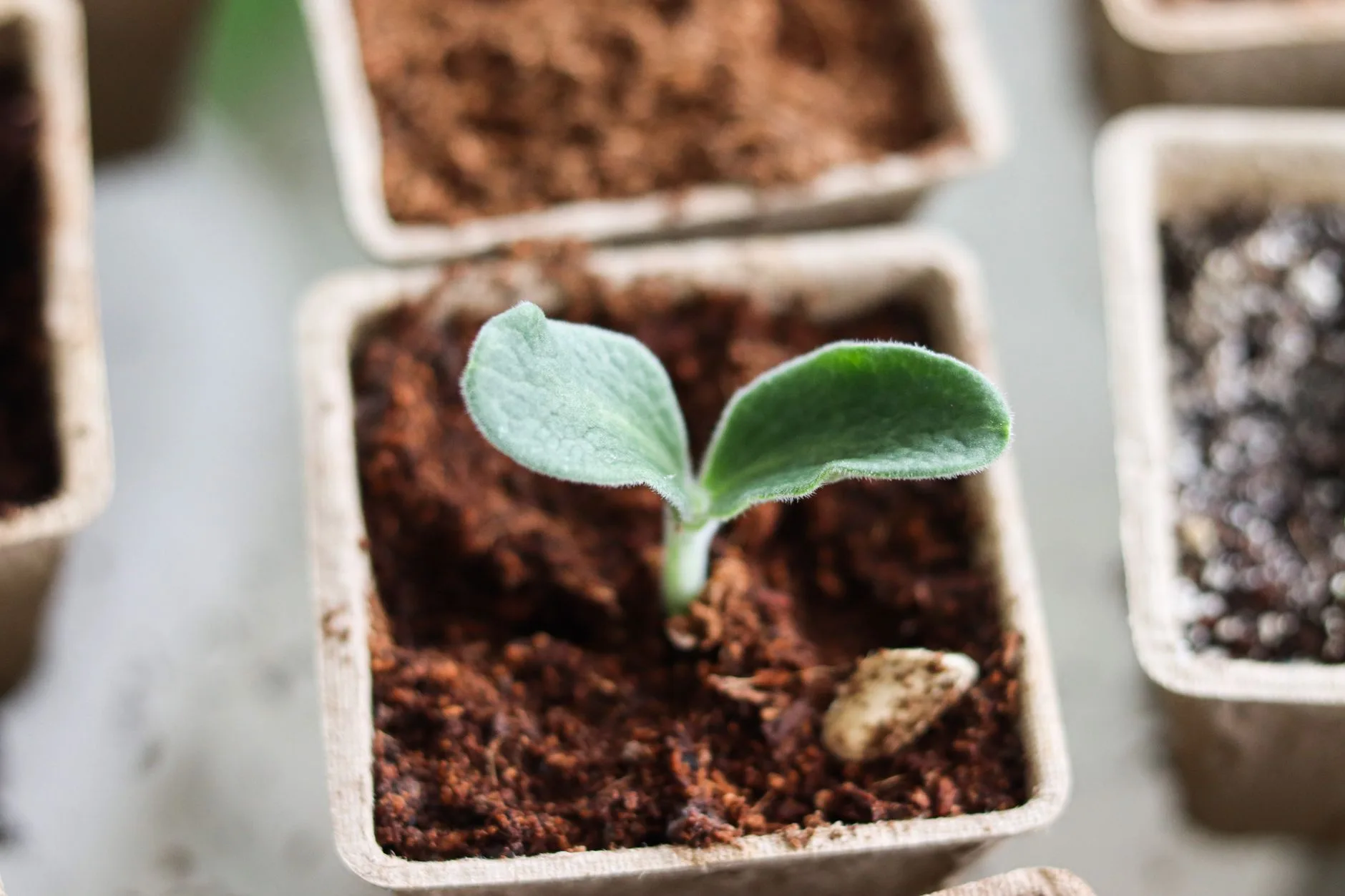
Courgette seeds are large, easy to handle and quick to germinate. That is why they are a good beginner crop. The mistake is treating them like hardy salad leaves. They are not. They want warmth first, then steady growth.
Indoor sowing
For most UK gardens, indoor sowing is the best method. Sow from mid-April to mid-May, depending on your local frost risk. If you are in a colder spot, such as northern England, Scotland, exposed Wales or a windy allotment, lean towards May.
Use one seed per 9cm pot. Push it about 1.5-2cm deep into moist compost, cover it, then keep the pot somewhere warm. A bright windowsill works once the shoot appears, but a cold windowsill before germination can slow everything down. A basic heated propagator costs about £18-£35 from B&Q, Amazon UK or garden centres, but it is not essential for courgettes unless your house is chilly.
A good seedling should look stocky, with broad seed leaves and then the first rougher true leaf. If it stretches tall and pale, it needs more light. Rotate pots if they lean towards the window.
Outdoor sowing
Outdoor sowing works in late May or early June once the soil is warm. Sow two seeds where you want the plant to grow, then remove the weaker seedling once both are up. I prefer indoor sowing for small gardens because every planting position matters. Direct sowing is fine on an allotment where you can afford the odd gap.
The outdoor method is cheaper because you skip pots and indoor space, but it is more exposed to slugs, mice, cold nights and heavy rain. A packet of seeds may only cost £3, but losing the first sowing can push your harvest back by several weeks.
Buying young plants
Garden centres and B&Q often sell young courgette plants in late spring. Expect around £2-£4 per plant, or £5-£8 for a small multi-pack. Buying plants is not cheating. It is often the best choice if you missed the sowing window or only need one or two plants.
Look for compact, green plants with no yellowing leaves and no roots circling heavily through the bottom of the pot. Avoid plants already flowering in tiny pots. They have been held too long and may pause after planting.
Planting Out Without Shocking the Plants
Courgettes should go outside after the risk of frost has passed. For many southern gardens that means late May. For colder or exposed places, early June is safer. The key phrase is not the calendar date; it is night temperature. If nights are still dropping hard, wait.
Harden them off first
Hardening off means helping indoor-raised plants adjust to outdoor light, wind and cooler nights. Do it over 7-10 days:
- Day 1-3: put plants outside in a sheltered, bright spot during the day, then bring them back in.
- Day 4-6: leave them out for longer and let them feel a little gentle breeze.
- Day 7 onwards: leave them outside overnight if the forecast is mild, then plant them out.
Do not skip this because the plant looks big. Big soft leaves grown indoors can scorch or tear once they meet real weather. A cheap bit of horticultural fleece costs about £4-£8 and is useful if the forecast turns awkward just after planting.
Spacing in the ground
Give bush courgettes about 75-90cm between plants. That sounds generous when the plant is small, but by July the leaves can cover a surprising area. Crowded courgettes are harder to water, harder to harvest and more prone to mildew because air cannot move through the leaves.
If you already use raised beds, treat one courgette plant as a greedy corner crop rather than something to tuck between carrots. Our guide to planning a raised bed vegetable garden layout is useful here because courgettes can shade smaller crops if you put them in the wrong place.
Soil preparation
Courgettes like rich soil that holds moisture but does not sit waterlogged. Before planting, mix in a bucket of homemade compost, well-rotted manure or bagged soil improver per plant. A 50 litre bag of peat-free farmyard manure or soil improver is usually £5-£8 from Wickes, B&Q or garden centres.
If your soil is heavy clay, plant on a slight mound so the crown does not sit in wet soil. If your soil is sandy, mulch after planting to slow drying. Courgettes are not delicate once established, but they are thirsty and hungry.
Growing Courgettes in Beds, Pots and Small Gardens
Courgettes will grow in open ground, raised beds and large pots. The best choice depends on water access and how much space you can give them.
Open ground and raised beds
Open ground is easiest if you have space. The roots can spread, moisture is steadier and the plant is less likely to dry out during a hot spell. Raised beds warm up earlier in spring, which courgettes like, but they can dry faster in July.
If your raised bed is shallow, improve the planting pocket rather than the whole bed. Dig a generous hole, mix compost through that area and water deeply before planting. For broader bed setup, the vegetable garden from scratch guide covers the basic choices without making you buy half a garden centre.
Pots and containers
Container growing works, but pot size matters. Use at least 35 litres for one plant; 45-50 litres is better. A small 20 litre pot can grow a courgette plant, but it dries quickly and tends to produce fewer fruits. You will spend the summer apologising to it with a watering can.
Use peat-free multipurpose compost mixed with some soil improver if you have it. Put the pot in full sun, but not somewhere so exposed that the leaves are battered by wind. A south-facing patio can be ideal if you can water daily in hot weather.
The most practical container setup is:
- One plant per large pot: no sharing with tomatoes or beans.
- A saucer in hot weather: useful for patios, but empty it if the compost stays soggy.
- Mulch on top: compost, straw or leaf mould slows evaporation.
- Liquid feed nearby: containers run out of nutrients faster than beds.
If you are already growing tomatoes, courgettes fit the same summer watering mindset. The difference is that tomatoes grow upwards; courgettes sprawl outwards. Our UK tomato growing guide pairs well if you are planning both crops in the same small garden.
Watering, Feeding and Pollination
Courgettes fail for three ordinary reasons: drying out, running short of feed, or poor pollination early in the season. None of these is mysterious, but all three can look dramatic when baby fruits start yellowing.
Watering rhythm
Water at the base of the plant, not over the leaves. Big leaves are useful shade umbrellas, but wet leaves plus still air can encourage powdery mildew. In dry weather, a plant in the ground may need a deep soak every two or three days. A pot may need water every day.
Do not sprinkle the surface and walk away. Push a finger into the compost or soil. If the top 3-5cm is dry and the plant is carrying fruit, water properly. A decent watering can costs £8-£18; a hose and spray gun can cost £20-£45. For several raised beds, a simple timer and drip kit can be a good upgrade, and we cover that in the best watering systems guide.
Feeding
Once the first fruits start swelling, feed weekly with a high-potash liquid feed. Tomato feed is fine. You do not need a special courgette feed. Expect to pay about £4-£7 for a bottle that will last far beyond two plants.
Too much nitrogen gives you lush leaves and fewer fruits. If the plant looks enormous but crops poorly, do not keep adding general fertiliser. Switch to tomato feed, water steadily and wait for warmer pollination weather.
Pollination
Courgettes produce male and female flowers. Female flowers have a small swelling behind the flower; that swelling becomes the fruit if pollinated. Early in the season, plants often produce male flowers first, then female flowers later. That is normal.
If small courgettes yellow and rot from the end, poor pollination is often the reason. The RHS guide to courgette, marrow, pumpkin and squash problems notes that cold, dull weather and early planting can affect flower balance and fruit set. You can help by growing flowers nearby, avoiding insecticides and planting in a sunny position.
Hand pollination is possible but rarely needed. If you do it, take a male flower, peel back the petals and dab pollen into the centre of a female flower. It feels a bit odd the first time. It works.
Harvesting Courgettes at the Right Size
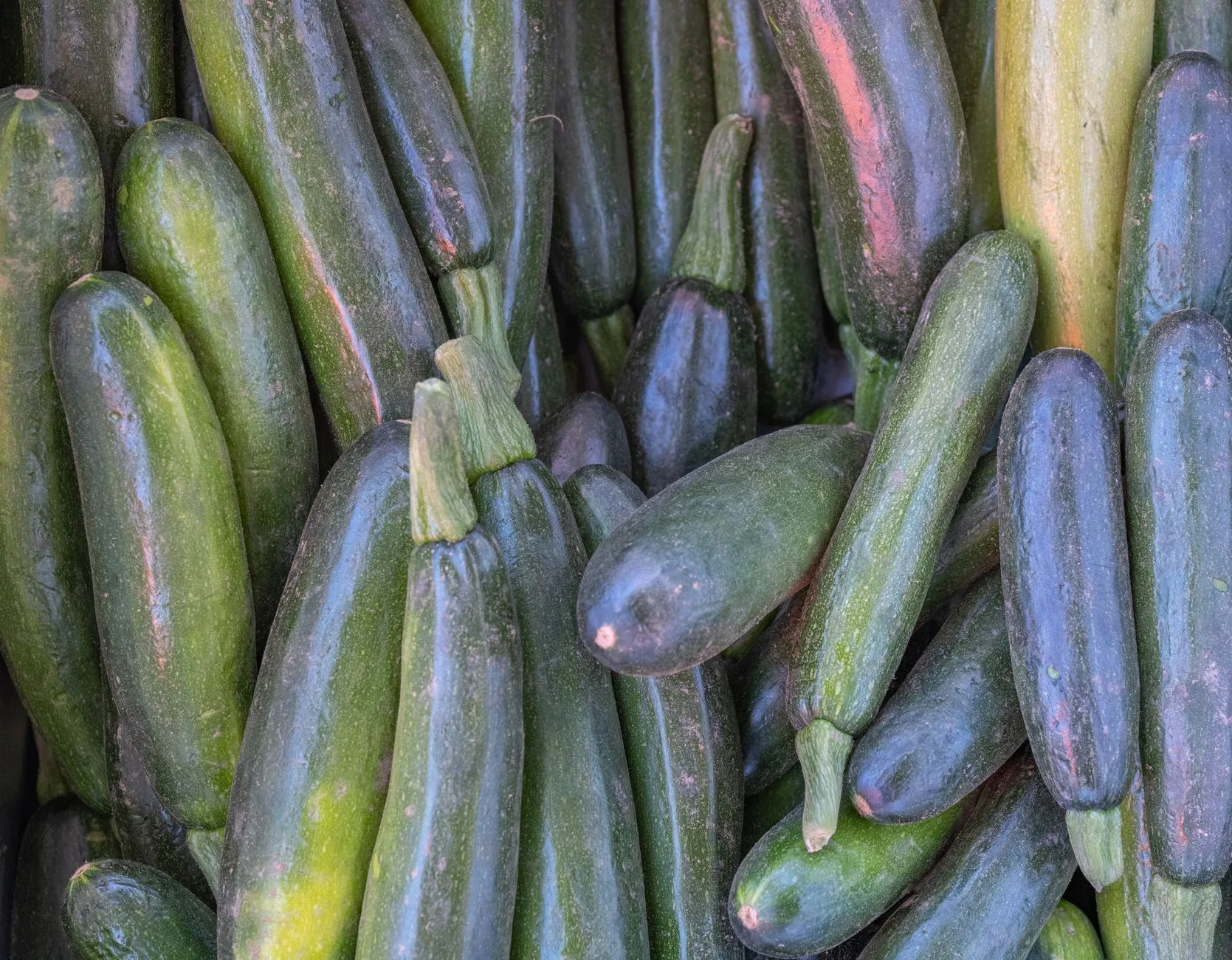
The best courgettes are picked small, usually around 10-15cm long. At that size they are tender, quick to cook and not watery. Leave them too long and they become marrows, which is fine if you wanted marrow. Most people did not.
Pick little and often
In peak season, check plants every two days. Courgettes hide under leaves, and the one you miss on Monday can look like a green submarine by Friday. Use a knife or secateurs to cut the stem cleanly rather than twisting and tearing the plant.
Regular picking tells the plant to keep producing. If you leave large fruits sitting on the plant, it slows down because it thinks its job is done. The rhythm is closer to harvesting runner beans than cabbages: keep moving, keep picking. If you are growing both, the runner bean growing guide follows the same pick-before-they-get-tough logic.
What yield to expect
A healthy plant can produce several courgettes a week in warm weather. Two plants are plenty for most households. The exact number depends on sun, water, soil fertility and how often you pick.
The first harvest usually feels modest, then the plant suddenly gets into rhythm. This is the point where recipes matter. Grated courgette works in fritters, pasta sauces, soups, muffins and freezer bags for later. If you only slice it into rounds every time, you will get bored before the plant does.
Storage
Fresh courgettes keep for several days in the fridge, but they are best used soon after picking. Do not wash them before storing; wipe soil off and keep them dry. Larger courgettes can be grated and frozen, though the texture is better for sauces than frying.
If you hit glut territory, pick smaller fruits and give them away. A bag of neat 12cm courgettes is a gift. A single giant marrow left on someone’s doorstep is more of a threat.
Common Courgette Problems and Fixes
Courgettes are generous plants, but they are not magic. The usual problems are easy to diagnose once you know what you are looking at.
Slugs and snails
Young plants are vulnerable, especially in wet springs. Protect them for the first few weeks after planting out. Copper tape, wool pellets, beer traps and wildlife-safe slug pellets all have fans, but the most reliable low-cost method is checking at dusk and removing slugs by hand. Not glamorous. Very effective.
A pack of organic slug pellets is usually about £5-£8. Use any product exactly as labelled, especially around edible crops, pets and wildlife.
Powdery mildew
Powdery mildew looks like white dust on leaves, often later in summer. It is common and not always fatal. Improve airflow, water the soil rather than leaves, remove the worst affected leaves and keep the plant watered. A tired late-season plant with mildew can still crop for weeks.
Do not strip every marked leaf in one go. Courgettes need leaves to feed the plant. Remove the worst ones, then let the plant recover.
Rotting baby fruits
Small fruits that yellow, shrivel or rot are usually linked to poor pollination, cold weather or irregular watering. If the plant is young and the weather has been dull, give it time. If it keeps happening during warm weather, check that bees can reach the flowers and try hand pollinating.
Too many leaves, not enough fruit
This usually means one of three things: too much nitrogen, not enough sun, or the plant is still early. Move potted plants into stronger light if you can. For plants in the ground, stop feeding with general fertiliser and use tomato feed once fruits appear.
End-of-season decline
By September, many plants look tired. Leaves are marked, stems are sprawling and fruit production slows. That is normal. Keep picking while quality is good, then clear the plant once it stops earning its space. Healthy old leaves and stems can go into the compost, but avoid composting badly diseased material unless your heap gets hot. The beginner composting guide explains what to do with bulky green waste.
The bottom line: courgettes repay attention more than expertise. Start them warm, plant them late enough, give each plant room, water properly and pick before the fruits get silly. Do that and you will understand why every experienced grower jokes about having too many.
Frequently Asked Questions
How many courgette plants do I need for a family? Two plants are enough for many UK households if they crop well. Grow three or four only if you cook courgettes often, have freezer plans or want spare plants in case one fails.
Can I grow courgettes in pots? Yes, but use a large pot of at least 35 litres, with 45-50 litres better. Small pots dry too fast and usually produce weaker crops.
When should I sow courgette seeds in the UK? Sow indoors from mid-April to mid-May, or outdoors in late May to early June once the soil is warm and frost risk has passed.
Why are my courgettes rotting before they grow? Poor pollination is the usual cause, especially early in the season or during cold, dull weather. Keep plants watered, encourage pollinators and hand pollinate if the problem continues.
How big should courgettes be when I pick them? Pick most courgettes at about 10-15cm long. They are tender at that size and regular picking keeps the plant producing.
Are yellow courgettes harder to grow than green ones? No, yellow varieties grow in much the same way. They are often easier to spot under the leaves, which helps you pick them before they get too large.