The short version of this save seeds next year guide is simple: keep seed from your healthiest open-pollinated plants, dry it properly, label it like your future self has no memory, and store it somewhere cool and dry. Most failures happen because seed was taken from the wrong plant, packed away damp, or saved from a crop that will not come true next year.
In This Article
- Save Seeds Next Year Guide: What Is Worth Keeping
- Choose the Right Plants Before They Set Seed
- Collect, Clean and Dry Seeds Properly
- Store Seeds So They Still Germinate Next Spring
- Best Crops to Save Seed From in a UK Garden
- Frequently Asked Questions
Save Seeds Next Year Guide: What Is Worth Keeping
Saving seed is not about keeping everything that forms a pod. It is about choosing the seed that has a decent chance of giving you strong, recognisable plants next year.
The best candidates are open-pollinated varieties from healthy plants. Beans, peas, lettuce, tomatoes and many annual flowers are forgiving. If you grew a packet variety that is not marked F1, and the plant looked healthy all season, it is usually worth saving a small amount.
F1 hybrids are different. They can produce seed, but the next generation may not behave like the parent plant. That does not mean every seedling will be useless, but it does mean you are gambling space, compost and spring windowsill room. On a small UK plot, I would rather buy one fresh packet of F1 courgette seed for about £2.50 to £4 from Suttons, Thompson & Morgan or Mr Fothergill’s than waste half a raised bed testing mystery plants.
The other trap is cross-pollination. Squash, pumpkins, courgettes and some brassicas can cross with related plants. That matters if you want reliable eating quality. The RHS warning on saved cucurbit seed is worth reading before saving squash-family seed, because odd crosses can produce poor or even unsafe fruit. Beans and peas are calmer. Tomatoes are usually manageable if you are not growing lots of similar varieties tight together.
For most home growers, the best rule is this:
- Save seed from easy crops: French beans, runner beans, peas, lettuce, tomatoes, calendula, poppies and nasturtiums.
- Be cautious with crossing crops: squash, pumpkins, courgettes, cucumbers, sweetcorn and brassicas.
- Skip weak plants: do not save seed from anything that struggled with disease, bolted early or produced badly.
- Keep bought seed where reliability matters: parsnips, carrots and expensive F1 varieties are often better bought fresh.
This is also where seed saving links neatly with your wider plan. If you already use a simple crop rotation plan, note where each seed crop grew, so you are not saving from tired, stressed plants at the end of a poor rotation slot.
Choose the Right Plants Before They Set Seed
The best seed is chosen before the plant looks finished. If you wait until September and grab whatever has gone brown, you are often choosing from the plants you forgot to pick, not the plants worth keeping.
Walk your beds in summer and mark the best plants with a small cane, string tie or plant label. A pack of plain plastic plant labels costs about £2 to £4 from B&Q or Amazon UK. A soft garden tie is about £3 to £6 from Wilko, B&Q or garden centres. Cheap, but it saves the classic mistake of asking yourself in October which bean plant cropped best in July.
Pick parent plants that have earned their place:
- Healthy growth: no obvious mildew, virus distortion, persistent pest damage or weak stems.
- Useful timing: not the first lettuce to bolt unless you want earlier bolting next year.
- Good flavour or yield: especially with tomatoes, beans and peas, where the eating quality is the whole point.
- True variety: one named variety is easier to manage than a bed full of unlabelled seedlings from swaps.
I like saving seed from the second-best picking, not the very first. The first pods or fruit often get eaten because that is why you grew the crop. The second flush lets you choose a productive plant without sacrificing the whole harvest. With beans, I usually leave a few pods on the strongest plants once we have already had enough fresh beans for the kitchen.
Keep Varieties Apart Where It Matters
For beans and peas, a few metres of separation is normally enough for a practical home-garden approach. They mostly self-pollinate, though insects can still interfere. Lettuce is also fairly forgiving. Tomatoes self-pollinate too, but potato-leaved and currant types can be more open to crossing, so keep those further apart if you care about purity.
Squash is the awkward one. If you grow a courgette, a pumpkin and a decorative gourd close together, saved seed can be a lottery. In that situation, buy fresh seed next year and save your effort for beans, peas and tomatoes. It is not defeat. It is knowing which jobs are worth your space.
Do Not Save From Sick Plants
This sounds obvious, but tired late-season plants can look tempting because they are the ones still standing. Avoid any plant with obvious disease, stunted growth, badly distorted leaves or poor cropping. Seed saving is selection. If you save from weak plants, you are quietly selecting for the traits that annoyed you this year.
If a crop failed because the whole season was rough, that is different. A tomato plant that cropped well despite a cool July is interesting. A tomato plant that barely cropped when every other plant nearby was fine is not.
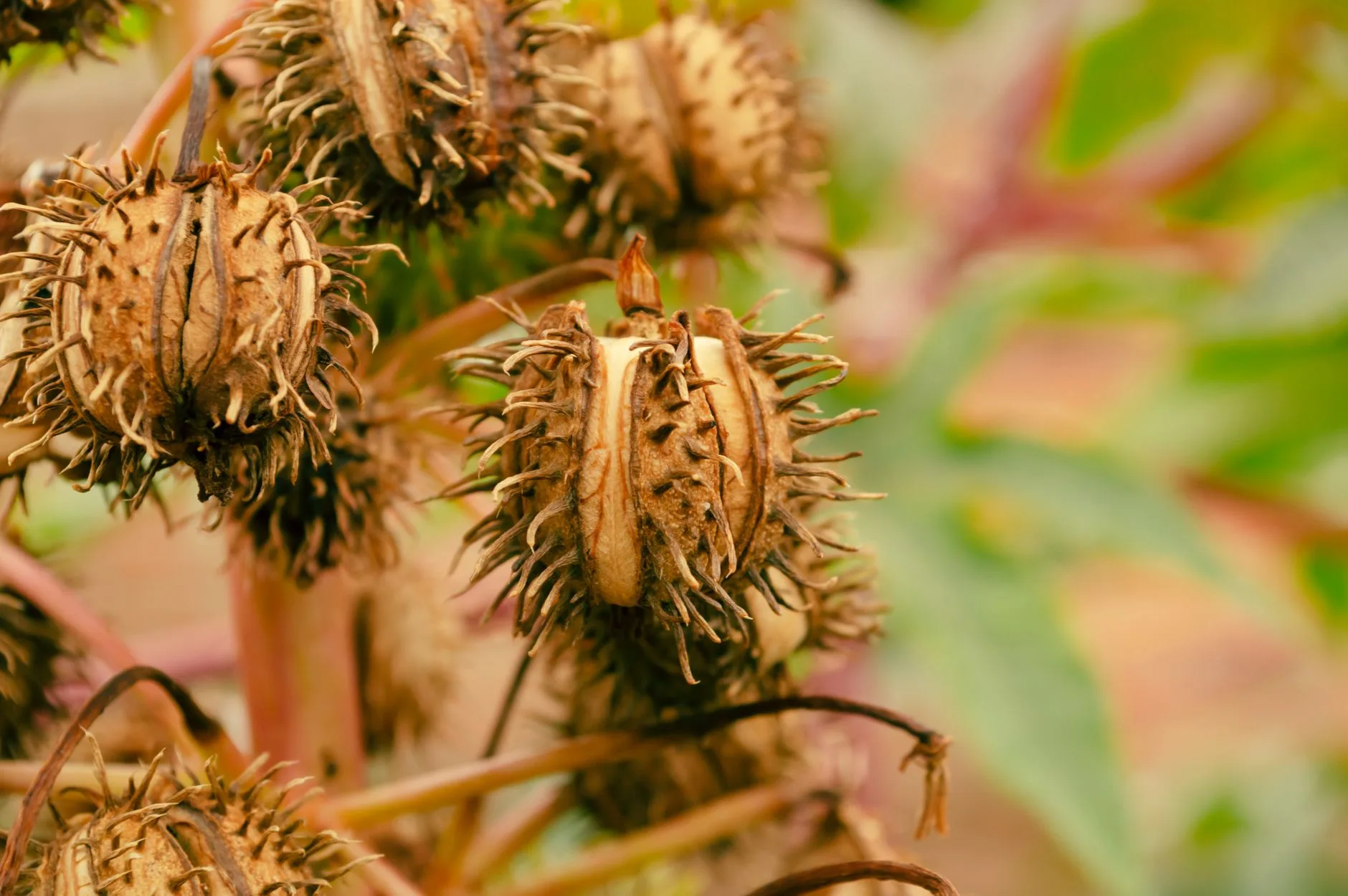
Collect, Clean and Dry Seeds Properly
Seed wants to be ripe, dry and clean before storage. The method depends on whether you are dealing with dry seed pods or wet fruit.
The RHS seed collecting and storing advice gives the key timing: many seedheads ripen from late summer into autumn, and dry-day collection matters. In UK weather, that dry day can be a narrow window. If a wet week is coming, take mature pods before they split and finish drying them indoors.
Dry Pods and Seedheads
Beans, peas, poppies, calendula and many herbs are the easy group. Leave pods or seedheads on the plant until they are dry, papery and changing colour. With beans and peas, the pods should rattle or feel crisp. If they still bend like fresh vegetables, they are not ready.
Collect into paper bags or trays, not sealed plastic. A pack of small brown paper bags or seed envelopes costs about £3 to £6 from Amazon UK, Etsy sellers or garden centres. Plastic tubs are fine later, but not while anything is still giving off moisture.
For dry seed:
- Pick on a dry day: late morning is ideal, after dew has gone but before wind starts scattering seed.
- Keep varieties separate: one paper bag per variety, labelled before you collect.
- Dry indoors: spread pods on newspaper, a tray or a cooling rack for one to two weeks.
- Remove the seed: shell beans and peas by hand; shake small seedheads into a bowl or paper bag.
- Remove chaff: use a fine kitchen sieve, about £4 to £8 from Lakeland or Amazon UK, or just pick out the worst bits by hand.
Small amounts do not need laboratory treatment. They need patience. If the seed still feels cool, soft or sticky, it is not ready for an envelope.
Wet Seeds From Tomatoes
Tomatoes need a different approach because the seed sits inside wet pulp. You can save tomato seed by smearing it on kitchen paper, but germination is often better if you ferment the seed briefly.
Scoop the seed and gel into a small jar, add a splash of water, and leave it at room temperature for two or three days. It will look unattractive. That is normal. Stir once a day, then rinse the seed through a fine sieve and dry it on a plate, coffee filter or baking parchment. Avoid kitchen roll if you can, because seed can glue itself to the fibres.
Do not ferment for a week and forget it. Two or three days is enough in a normal UK kitchen. Once rinsed, tomato seed needs to be spread thinly and dried until it no longer clumps.
Drying Setup That Works
You do not need much kit. A few old baking trays, paper bags, a sieve and a marker pen will handle most home seed saving. If you want to buy dedicated bits, budget roughly:
- Paper seed envelopes: £3 to £6 for a pack of 50 to 100.
- Fine sieve: £4 to £8 from Lakeland, Amazon UK or larger supermarkets.
- Permanent marker: £1 to £3 from WHSmith, Ryman or supermarkets.
- Airtight storage box: £5 to £12 from Lakeland, IKEA or Dunelm.
- Silica gel sachets: £4 to £8 for a reusable pack online.
If you already have a seed-starting setup from spring, do not overbuy. A propagator is useful for sowing, but it does nothing for seed storage. That distinction matters, and it is why the kit in our seed starting equipment guide is a separate job from saving seed.
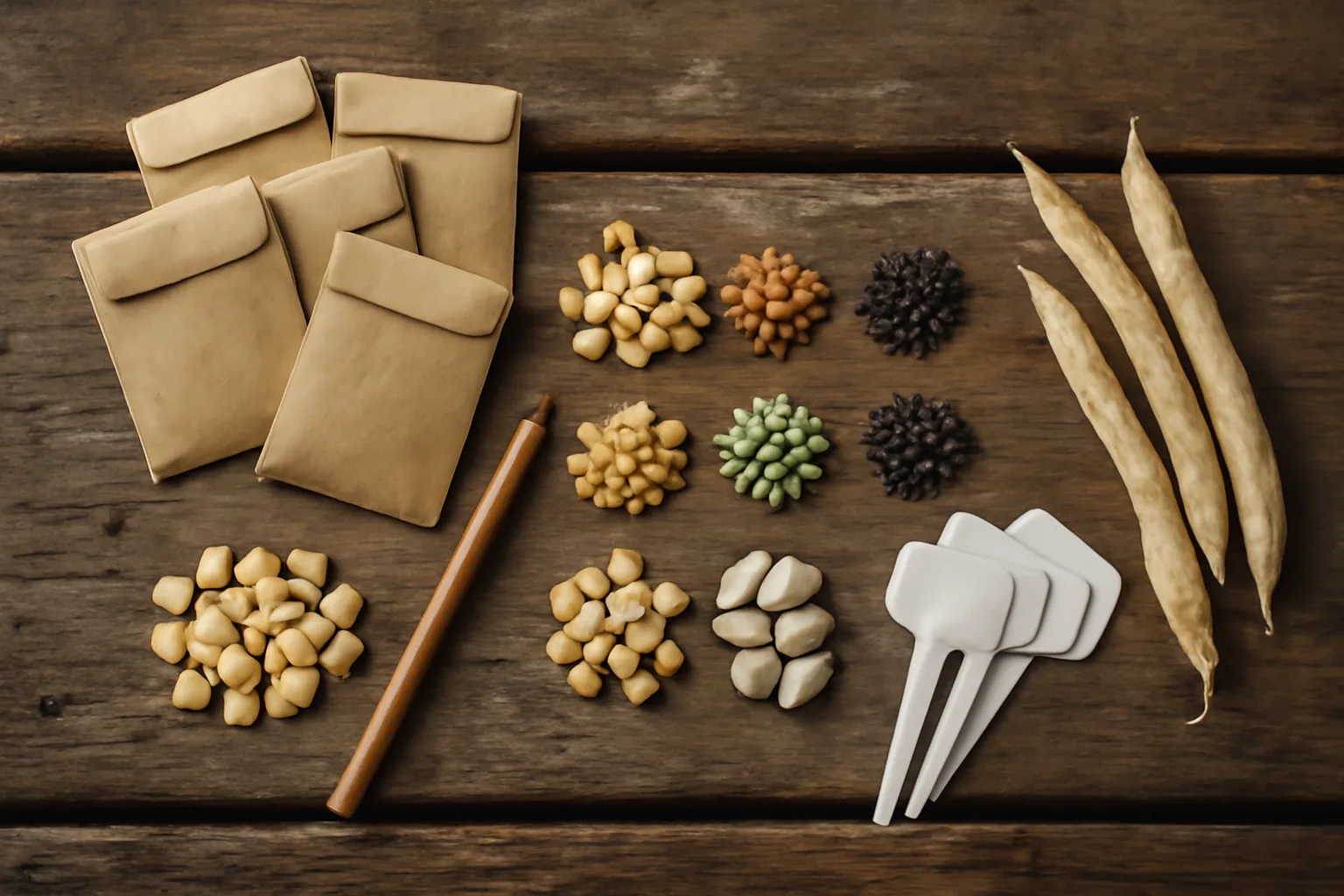
Store Seeds So They Still Germinate Next Spring
Storage is where good seed quietly gets ruined. Warmth, moisture and poor labelling do most of the damage.
The ideal home setup is boring: fully dry seed in paper envelopes, inside an airtight box, stored somewhere cool, dark and stable. A bedroom drawer is usually better than a shed, because sheds swing from freezing and damp to hot and dry. A garage can work if it stays dry. A greenhouse is poor storage because summer heat shortens seed life.
Label More Than You Think You Need
Write the crop, variety, year, source plant notes and any useful detail. “Tomato, Gardener’s Delight, saved Sept 2026, best outdoor plant near fence” is much better than “tomato”. If you swap seed with someone later, that detail is the difference between useful and mysterious.
Use pencil or permanent marker. Ballpoint pen can fade or smear on paper envelopes. Keep a duplicate note in your garden notebook or a simple spreadsheet if you are saving more than a handful of varieties. It sounds fussy until you find three identical envelopes in February and have no idea which one is the reliable runner bean.
Use Paper First, Then Airtight Storage
Paper envelopes let seed breathe while it finishes equalising moisture. Once the seed is dry, those paper envelopes can go into an airtight box or jar. Add a silica gel sachet if your house is damp. You do not need expensive seed tins, though they look pleasingly serious on a shelf.
Do not put newly collected seed straight into sealed jars. That traps moisture and encourages mould. If you see fogging, damp patches, musty smell or clumping, open everything, spread the seed out, and dry it again. If mould has already grown into the seed, bin it. Saving 40p of seed is not worth spreading disease through next year’s trays.
Test Germination Before You Trust Old Seed
For seed you care about, test a small sample in late winter. Put 10 seeds on damp kitchen paper, fold it into a loose plastic bag or lidded tub, and keep it somewhere warm. Check after a week or two, depending on the crop.
If 8 out of 10 germinate, sow normally. If 4 out of 10 germinate, sow thickly or buy fresh seed. If none germinate, be grateful you found out before filling trays. This is especially useful for parsnip, onion and older herb seed, which can lose strength faster than beans and tomatoes.
If you are planning a new bed from scratch, test before you finalise the sowing plan. A poor germination batch can wreck a neat layout, especially in a small bed where every row has a job. Our raised bed layout plan is easier to follow when the seed is known to be viable.
Best Crops to Save Seed From in a UK Garden
Start with the crops that reward you quickly. Saving seed should feel useful, not like running a miniature plant-breeding programme in the shed.
Beans and Peas
Beans and peas are my favourite beginner seed-saving crops. Leave a few healthy pods on the plant until they are brown and dry. If wet weather threatens, lift the whole plant or cut the stems and hang them somewhere airy to finish drying.
Runner beans can cross more than French beans, but for ordinary home use they are still worth saving if you grow one main variety. Broad beans are also easy, though watch for seed beetle holes. Do not store damaged beans with clean ones.
Tomatoes
Tomatoes are worth saving when you have a variety that performs in your garden. If one plant crops outside during a cool, damp summer, that is useful information. Save from ripe fruit on the healthiest plant, not from the last sad tomato in November.
Avoid saving seed from supermarket tomatoes unless you are experimenting for fun. Many are hybrids, and the eating quality of the parent fruit tells you less than you might think. For reliable home growing, start with a named non-F1 variety from a UK seed supplier. If you want fresh varieties to compare, our UK seed company guide covers where to buy decent packets without spending silly money.
Lettuce and Annual Herbs
Lettuce is easy if you have space to let one plant bolt. The seedheads go fluffy and dry, then you can rub them into a paper bag. The problem is mess, not difficulty. One lettuce plant can look untidy for weeks, so put your seed plant somewhere it will not annoy you every time you walk past.
Coriander, dill and parsley can also be saved, though parsley is biennial, so it flowers in its second year. Coriander seed is useful because the plants bolt so quickly in warm weather. If you get a plant that lasts longer before running to seed, mark it.
Flowers That Earn Their Keep
Calendula, nasturtiums, poppies and sweet peas are good choices if you grow flowers among vegetables. They attract pollinators, fill gaps and give you seed that is easy to see and handle. Calendula seed looks odd, almost like curled claws, but it is one of the easiest to collect.
Do not save from every flower head. Choose the plants with the colour, height and habit you want. If a nasturtium sprawled over half your path and annoyed you all summer, do not reward it with a place in next year’s tin.
Crops I Would Usually Skip
Carrots, parsnips, brassicas and squash are not impossible, but they are not where I would start. Carrots and parsnips are biennial, so they need overwintering. Brassicas cross with relatives and take space for a long time. Squash-family seed can be risky if plants cross.
Fruit seed is a different game. Apples, pears and many berries will not grow true from seed, so use cuttings, runners, grafted trees or bought plants instead. If you are thinking about fruit rather than vegetables, our fruit in containers guide is a better place to spend your planning time.
The bottom line: save seed from easy, healthy, open-pollinated plants first. Buy fresh seed where reliability matters. That is not less self-sufficient; it is just a better use of a small UK garden.
Frequently Asked Questions
Can I legally save seeds from vegetables I grow at home? For normal personal garden use, saving seed from your own plants is fine. Do not package and sell protected commercial varieties without checking the rules, and do not present saved seed as a named variety if you are not sure it has stayed true.
Can I save seed from F1 hybrid plants? You can save it, but it may not grow like the parent plant. For crops where reliability matters, buy fresh F1 seed next year or save from open-pollinated varieties instead.
How dry do seeds need to be before storage? They should feel hard, dry and free-flowing, with no softness, stickiness or clumping. If in doubt, dry them for another week in a warm, airy room before putting them into envelopes.
How long do saved vegetable seeds last? Beans, peas and tomatoes often keep for several years if stored cool and dry. Parsnip, onion and some herb seed can fade much faster, so test germination before relying on older packets.
Should I store saved seeds in the fridge? A fridge can work if the seed is fully dry and sealed in an airtight container, but it is not required for most home gardeners. A cool, dark indoor drawer is usually safer than a damp shed or hot greenhouse.
What is the easiest seed to save first? French beans, peas, tomatoes, lettuce, calendula and nasturtiums are good first choices. They are easy to collect, easy to recognise and more forgiving than squash, brassicas or root crops.