The best garden hose UK buyers can choose is not automatically the longest or most expensive. The Hozelock Ultramax 30m is our best overall garden hose because its reinforced 12.5mm construction balances reach, steady flow and manageable storage for a typical medium garden. Choose the Auto Reel if convenience matters most, Gardena Liano Life for low weight, TheFitLife when compact storage is essential, or the 50m Hozelock cart for an allotment or genuinely long plot.
In This Article
- Quick Comparison
- Expandable, Textile or Traditional Hose?
- Best Garden Hoses Reviewed
- Connectors and Fittings
- UK Winter Storage
- How We Chose
- Which Hose Should You Buy?
- Frequently Asked Questions
Quick Comparison
These five options cover different gardens rather than repeating one hose design. Measure the route from the tap to the furthest bed, then add enough slack to turn corners without buying metres you will never use.
| Garden hose | Best for | Length / type | Included storage | Main compromise |
|---|---|---|---|---|
| Hozelock Ultramax 30m | Best overall | 30m reinforced PVC | No reel | Needs a separate reel or broad coil |
| Hozelock Auto Reel 30m | Best wall-mounted reel | 30m hose on auto reel | Wall-mounted auto reel | Wall drilling and fixed position |
| Gardena Liano Life 25m | Best lightweight textile hose | 25m textile hose | No reel | Shorter reach and fabric needs care |
| TheFitLife Expandable 30m | Best expandable hose | 30m expandable hose | Storage bag / compact coil | Flow depends on pressure |
| Hozelock Plus Cart 50m | Best for allotments and long gardens | 50m reinforced hose on cart | Wheeled open cart | Bulky and excessive for small gardens |
The Ultramax is the safest default when you already own a reel or have room for a loose, broad coil. The Auto Reel costs more but removes the repeated winding job. Gardena and TheFitLife are easier to carry; the 50m cart exists for reach, not convenience in a small garden.
Expandable, Textile or Traditional Hose?
A traditional reinforced hose keeps its full length whether water is flowing or not. If you need controlled unattended watering rather than a hand-held hose, compare the options in our guide to drip, soaker and timer watering systems. It normally provides steadier flow and is the better match for sprinklers, frequent lawn watering and many pressure-washer supplies, provided the appliance instructions allow the hose diameter and supply.
An expandable hose lengthens under water pressure and contracts when the tap is turned off. It is easy to store and carry, but its working length and flow depend on supply pressure. Drain it after use and keep the fabric sleeve away from thorns, sharp edging and rough dragging.
A textile hose such as the Gardena Liano Life uses a flexible outer fabric around an inner tube. It stays light and manoeuvrable without relying on expansion, but it still needs careful storage and should not be treated like a rubber site hose. For most buyers, type should follow the watering job: traditional for sustained flow, textile for low weight, expandable for minimum storage.
Best Garden Hoses Reviewed
1. Hozelock Ultramax 30m — Best overall
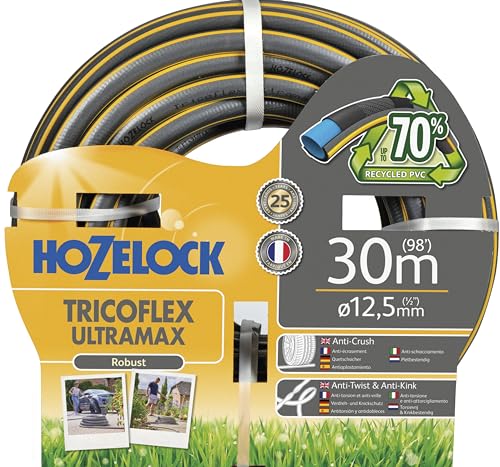
Ultramax is the dependable choice for regular watering. The 30m length suits many medium gardens, while its 12.5mm bore works with the common Hozelock connector system. The reinforced PVC construction is designed to resist twisting, kinking and crushing, and Hozelock states that the PVC content includes up to 70% recycled material.
This listing is the hose itself rather than a complete storage system. Budget for compatible tap and hose-end connectors if you do not own them, and use a reel or broad coil; even an anti-kink hose can fold sharply when twisted or stored badly.
- Buy it if: you want steady flow and a durable general-purpose hose for beds, lawns and cleaning.
- Skip it if: you need a ready-to-use reel or the lightest hose to carry.
- Main compromise: the best balance of reach and robustness, but storage is your responsibility.
2. Hozelock Auto Reel 30m — Best wall-mounted reel

The 30m Auto Reel is the convenience pick. Pull out the length you need, lock it for watering, then give it a short tug so the mechanism rewinds the hose. The wall bracket pivots to follow you around the garden, and the package includes the hose, nozzle and fittings.
Installation position matters. The bracket needs a sound wall and enough clearance for the casing to swivel. Once fitted, the hose serves one tap area; renters or anyone who moves watering kit between front and back gardens may prefer a portable cart.
- Buy it if: you water often and want the hose put away quickly without hand winding.
- Skip it if: you cannot drill the wall or need one reel to move between taps.
- Main compromise: excellent everyday convenience in exchange for cost and a fixed location.
3. Gardena Liano Life 25m — Best lightweight textile hose

Liano Life is the low-weight alternative to PVC. Its 25m textile body is flexible around pots and raised beds, and Gardena states a 22-bar burst pressure plus UV and frost resistance. The fabric construction also packs into less space than a conventional reinforced hose of similar length.
It is five metres shorter than the 30m picks and arrives without a reel. The textile sheath still needs protection from sharp tools, thorns and abrasive dragging, and weather resistance is not a reason to leave water inside through freezing conditions.
- Buy it if: you want an easy-to-carry hose for containers, borders and greenhouse watering.
- Skip it if: you need 30–50m reach or a hose permanently stored on an automatic reel.
- Main compromise: lighter handling and compact storage, with less reach and a fabric exterior to protect.
4. TheFitLife Expandable 30m — Best expandable hose

TheFitLife earns the expandable slot because it reaches up to 30m under pressure, then contracts for compact storage. Brass 1/2-inch and 3/4-inch fittings suit common outdoor tap arrangements, and the included nozzle makes this a useful kit for patio pots, hanging baskets and light border watering.
The quoted length is the expanded working length, not the relaxed size, and low water pressure can reduce both reach and flow. Do not leave it pressurised unattended, feed a pressure washer unless the washer maker permits it, or drag the sleeve across brick edges.
- Buy it if: storage space and carrying weight matter more than maximum sustained flow.
- Skip it if: you run sprinklers for long periods or regularly pull the hose across rough paths.
- Main compromise: the smallest stored package here, but performance depends more on water pressure.
5. Hozelock Plus Cart 50m — Best for allotments and long gardens

The 50m Hozelock Plus cart is the reach specialist. It arrives assembled with 50m of hose, connectors, wheels and accessory storage, so it is a coherent setup for an allotment, long drive or large garden where a 30m hose genuinely falls short. A cart is also easier to reposition than carrying a large loose coil.
Fifty metres creates weight, friction and storage bulk. The cart needs a level route and a dry place after use, and it is poor value when the furthest bed is only 15–20m from the tap. Confirm that the communal allotment tap permits individual hose connections.
- Buy it if: you need one continuous long run and want the reel to move with it.
- Skip it if: a 30m hose already reaches or storage space is limited.
- Main compromise: maximum reach and organised storage, paired with the most bulk.
Connectors and Fittings
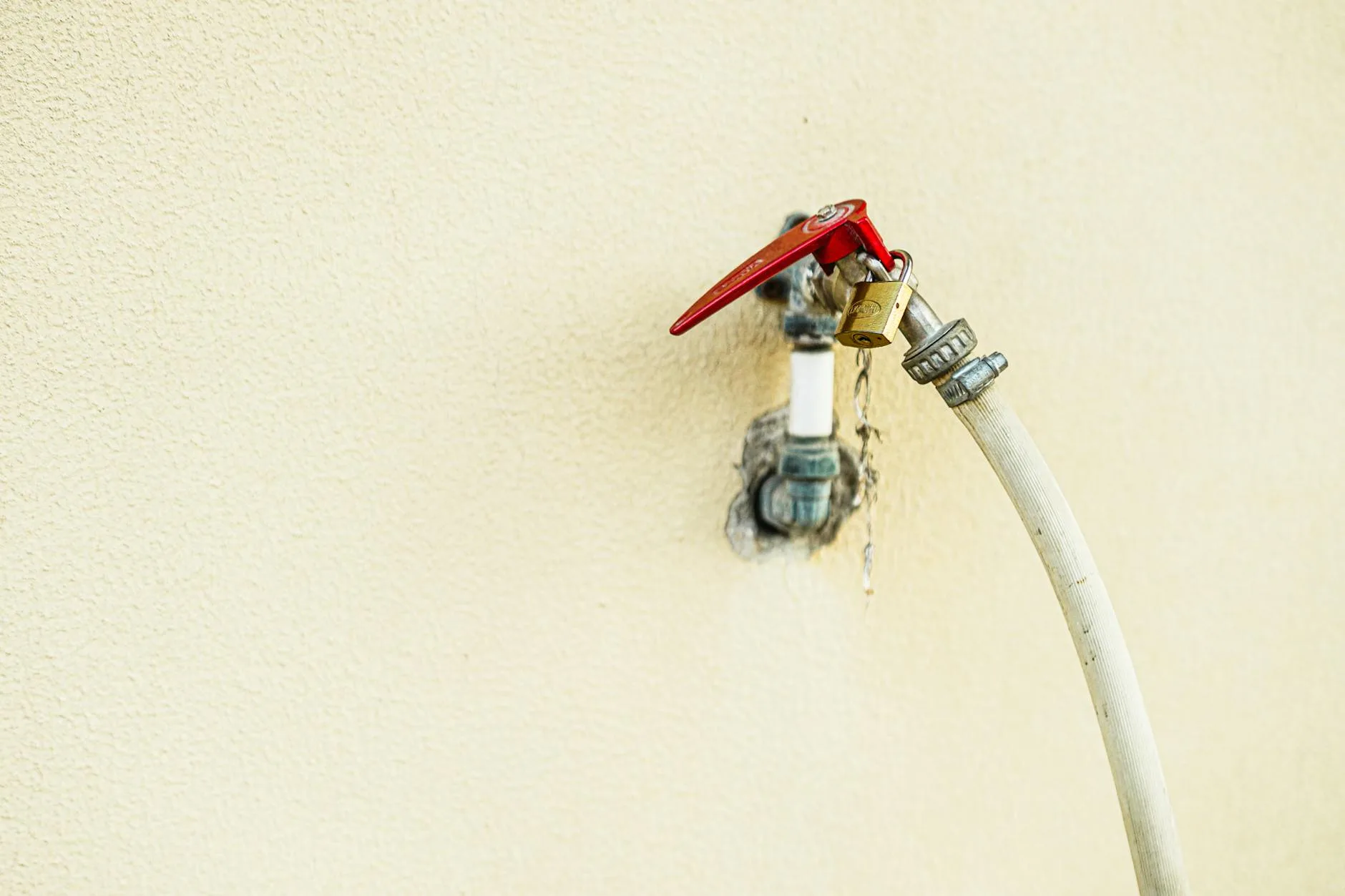
Hose connector quality is where many cheap hoses fall down. Brass connectors with rubber washers are usually worth paying for because they seal better, survive frost better and can be refreshed with cheap replacement washers:
- Brass quick-connect fittings: robust and weather-resistant, with washers that can usually be replaced.
- Plastic quick-connect fittings: lighter and often perfectly adequate, but cheap examples can crack or distort after repeated exposure.
- Threaded fittings: useful for taps and older systems, but check the thread size and washer before buying.
If a budget hose arrives with connectors that leak or feel insecure, allow roughly £10-15 for a compatible replacement set. Check the hose diameter and tap thread first; a correctly sized fitting matters more than choosing brass by default.
Tap adapter choice is another common source of leaks. Many UK outdoor taps use a 3/4″ BSP thread, but other sizes and non-threaded taps are also used. Check the tap and washer before ordering rather than relying on a universal-fit claim.
For vegetable growing success you’ll need reliable watering during July-August dry spells. Secure, replaceable connectors are worth prioritising because a small leak at the tap wastes water and makes the whole setup frustrating to use.
UK Winter Storage
Freezing water and prolonged UV exposure are two avoidable causes of hose damage. The RHS monthly garden jobs guide includes seasonal reminders for protecting garden equipment, and draining a hose before frost reduces the risk of the inner wall splitting. Three rules prevent freezing damage:
- Drain fully before the first frost. Disconnect from tap, stretch the hose out along the garden with the downhill end open, walk back to the uphill end pushing water through. This only takes a few minutes.
- Store indoors or in an unheated shed. A garden shed is fine — temperature drops don’t hurt an empty hose. Storing it outside in direct sun, however, does damage the inner walls over multiple winters.
- Don’t coil with kinks. A hose stored with a tight kink can weaken at that point and may be harder to straighten in spring. Coil loosely or hang over a broad-diameter hook.
Expandable hoses need extra care: store them fully retracted, clean of mud and out of direct sunlight. A covered storage box protects the fabric sleeve from sunlight and rough surfaces between uses.
For traditional hoses, a reel is often the difference between a hose you use and a hose you put off using. A loose hose is fine for occasional watering. A manual reel suits most 30m hoses. A wall-mounted auto reel is worth considering when you use a 35-50m hose several times a week, especially on patios where dragging a full hose around furniture gets irritating. Off-ground storage also helps keep mud out of the connectors.
How We Chose
We assessed each shortlisted hose using published specifications and the practical factors that matter in UK gardens:
- Flow rate: whether the hose can fill cans, water beds and feed spray guns without feeling weak at the nozzle.
- Kink resistance: how well the hose copes with corners, reels, hand coiling and being pulled around beds.
- Connector quality: whether the supplied fittings feel secure, seal cleanly and are easy to replace.
- Storage: whether the hose is realistic to put away after normal evening watering.
- Winter durability: how well the hose is likely to cope with UK frost risk when drained and stored properly.
We also gave extra credit to hoses with standard, replaceable fittings. A good hose should not become waste because one cheap connector cracks after a cold winter.
Our guide on crop rotation and how to start an allotment both cover watering requirements for different crops at different growth stages — worth reading alongside this guide to match hose choice to actual watering needs.
Our Final Picks
The Ultramax is the strongest all-round purchase when 30m reaches and you can provide suitable storage. The Auto Reel is better when frequent use justifies a fixed rewind system. Gardena wins on carrying comfort, TheFitLife on minimum stored size, and the 50m Hozelock cart on reach.
For a complete watering setup, pair your hose with a good watering can for seedlings and targeted plant watering. The two tools complement each other — hose for bulk work, can for precision. An allotment or vegetable garden needs both. If you are building a basic kit from scratch, the garden fork and spade guide covers the other tools worth buying early.
Which Hose Should You Buy?
Buy the Hozelock Ultramax 30m if you want a dependable general-purpose hose and can store it properly. Choose the Hozelock Auto Reel for frequent convenient use, the Gardena Liano Life for lightweight handling, the TheFitLife 30m when compact storage comes first, or the Hozelock Plus 50m cart only when the extra reach is genuinely needed. Measure from the tap first: the shortest hose that comfortably reaches is usually the easiest one to own.
Frequently Asked Questions
Are expandable hoses any good? Yes, for patios, container gardens and smaller borders. They retract for storage and are light to handle, but a reinforced traditional hose is normally better for lawns, large vegetable beds and frequent cleaning where sustained flow and durability matter more.
What length hose do I need? Measure from the outdoor tap to the furthest plant, then add about 30% for slack and corners. Many UK gardens need 20-30m; an allotment or long plot may need 50m. Excess length adds weight, storage bulk and friction loss.
Do I need a brass connector? Not always. Good plastic connectors can work well, while brass fittings are robust and have replaceable washers. Check compatibility and replace a connector if it leaks or feels flimsy rather than judging the whole hose by fitting material alone.
Can I leave my hose outside in winter? Covered storage is safer. Disconnect and drain the hose before frost, then coil it loosely in a shed, garage or weatherproof box. Water left inside can freeze and damage either an expandable or traditional hose.
Why does my hose keep kinking? Tight storage coils, sharp turns and pulling a pressurised hose around obstacles all encourage kinks. Unwind it fully, guide it around corners and store it on a suitable reel or in a loose coil.
What is the difference between 12.5mm and 15mm hose diameter? A wider hose can carry more water at the same supply pressure, although length, fittings and tap pressure also affect the result. A 12.5mm hose is lighter for ordinary garden use; 15mm can be useful for higher-flow jobs.