You are standing in B&Q staring at eight wheelbarrows ranging from £25 to £180 and you cannot tell what makes the expensive one worth seven times the cheap one. They all have a tray, a wheel, and two handles. The cheap one is lighter, which seems like an advantage. The expensive one claims to be “professional grade,” which means nothing to someone who just wants to move compost from the driveway to the raised beds without the wheel falling off halfway through the third trip. Choosing a wheelbarrow that lasts is simpler than the range suggests — three decisions determine whether you get ten years of reliable service or one frustrating season of broken handles and flat tyres.
In This Article
- Why Wheelbarrow Choice Matters
- Single Wheel vs Dual Wheel
- Tray Materials Compared
- Capacity: How Big Do You Need
- Tyre Types: Pneumatic vs Puncture-Proof
- Our Top Picks for 2026
- Handles and Grips
- Maintaining Your Wheelbarrow
- Frequently Asked Questions
Why Wheelbarrow Choice Matters
A wheelbarrow is the workhorse of any garden, allotment, or smallholding. You will push it hundreds of times per year — moving compost, soil, plants, gravel, rubble, weeds, and water. A poor-quality wheelbarrow makes every one of those trips harder: the tray flexes under load, the wheel wobbles on soft ground, the handles dig into your palms, and the whole thing rusts out within two winters.
The False Economy
Cheap wheelbarrows (under £40) use thin pressed steel that dents on first contact with a kerb, single-ply pneumatic tyres that puncture monthly, and mild steel frames that rust before the first season ends. Replacing a £30 wheelbarrow every 18 months costs more over a decade than buying one £100 wheelbarrow that lasts the entire period. The cheap one is more expensive — you just pay in instalments of frustration.
What Good Looks Like
A quality wheelbarrow has: a deep-drawn or seamless galvanised tray, tubular steel frame (not flat bar), a wheel with proper bearings (not a bolt through a plastic bush), and hardwood or steel handles with comfortable grips. These features add £30-70 to the purchase price but add years to the lifespan.
Single Wheel vs Dual Wheel
Single Wheel (Traditional)
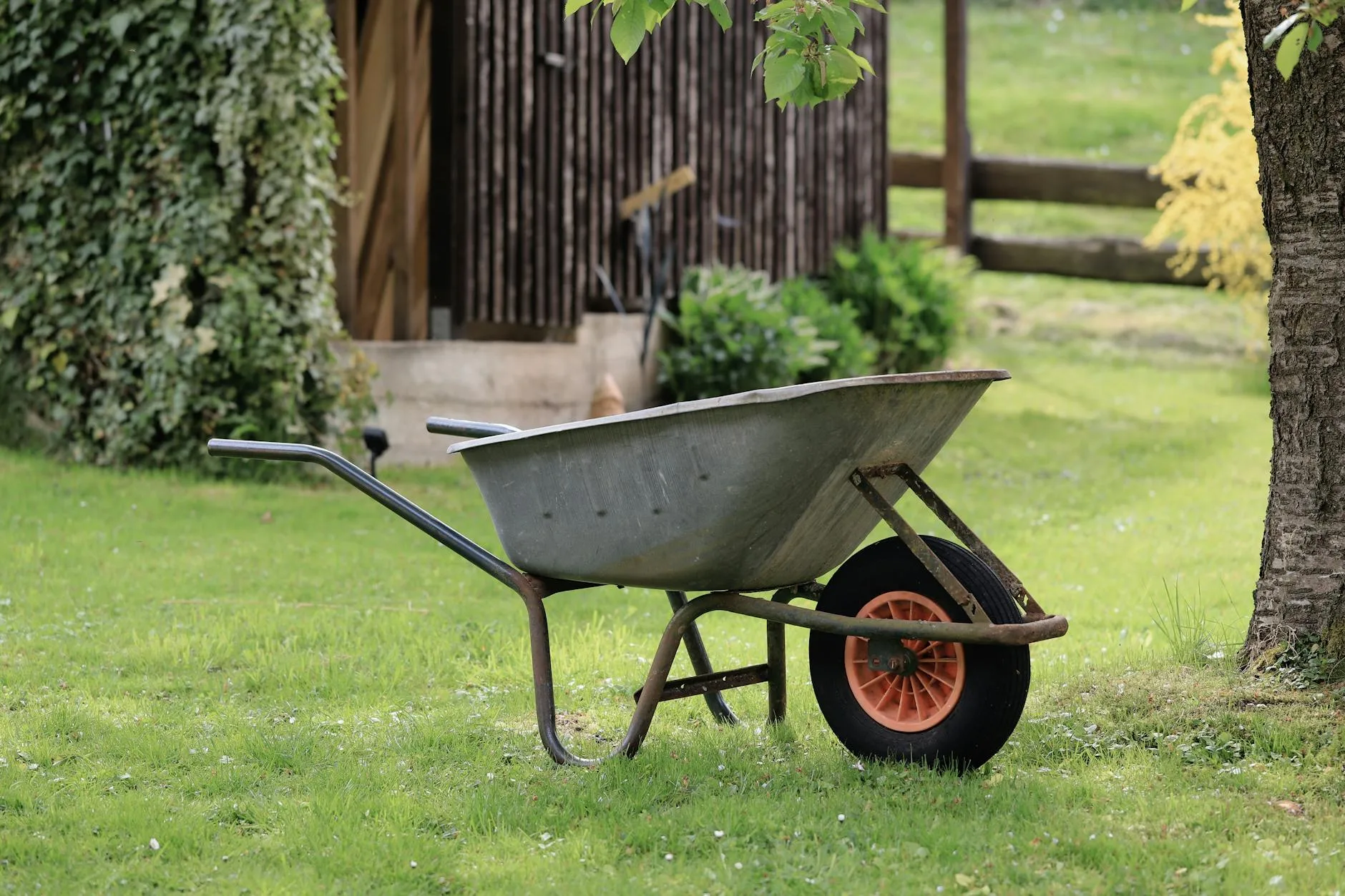
One wheel at the front, two legs at the rear. The standard design for 200+ years. Advantages: nimble turning, fits through narrow gate gaps, easy to tip and empty from one side. Disadvantages: requires balance and arm strength to keep upright when loaded, unstable on slopes, and tends to dig into soft ground.
Most gardeners want a single-wheel barrow. It fits UK garden paths (typically 60-90cm wide), manoeuvres between raised beds, and tips with a controlled motion that lets you place material precisely.
Dual Wheel (Two-Wheeled Barrow)
Two wheels at the front, wider stance. Advantages: stable without requiring you to balance the load, easier on flat terrain with heavy loads, less physical demand. Disadvantages: wider (may not fit narrow paths), cannot tip sideways (only forward), and heavier to lift.
Choose dual-wheel if: you have a bad back, your terrain is flat, your paths are wide, or you regularly move extremely heavy loads (rubble, wet concrete, large paving slabs). For standard garden use on narrow allotment paths, single-wheel is more practical.
Tray Materials Compared
Galvanised Steel (Best Overall)
Hot-dip galvanised steel resists rust for 10-15 years without any maintenance. The zinc coating sacrificially protects the steel underneath. Most professional wheelbarrows use galvanised trays because they handle rough treatment (scraping against kerbs, loaded with sharp gravel) without degrading. Expect to pay £70-150 for a galvanised tray barrow.
Painted Steel (Budget)
Mild steel with a painted coating. The paint chips on first use (every stone, every scrape removes the barrier) and exposed steel rusts within weeks of outdoor storage. Within one UK winter, a painted steel tray develops surface rust that progresses to holes within 2-3 years. Adequate if stored under cover and repainted annually. Realistic lifespan outdoors: 2-4 years.
Polypropylene Plastic
Lightweight, rustproof, and available in bright colours. Plastic trays cannot dent or corrode but they flex under heavy loads, crack in extreme cold (below -5°C), and degrade in UV over years (becoming brittle). Best for light garden use — moving plants, light compost, and garden waste. Not suitable for gravel, rubble, or heavy soil in quantity.
The Verdict
For serious garden use: galvanised steel. For light use on a budget: plastic. Avoid painted steel unless you store it indoors between uses — the lifespan outdoors in UK weather does not justify even the lower price.
Capacity: How Big Do You Need
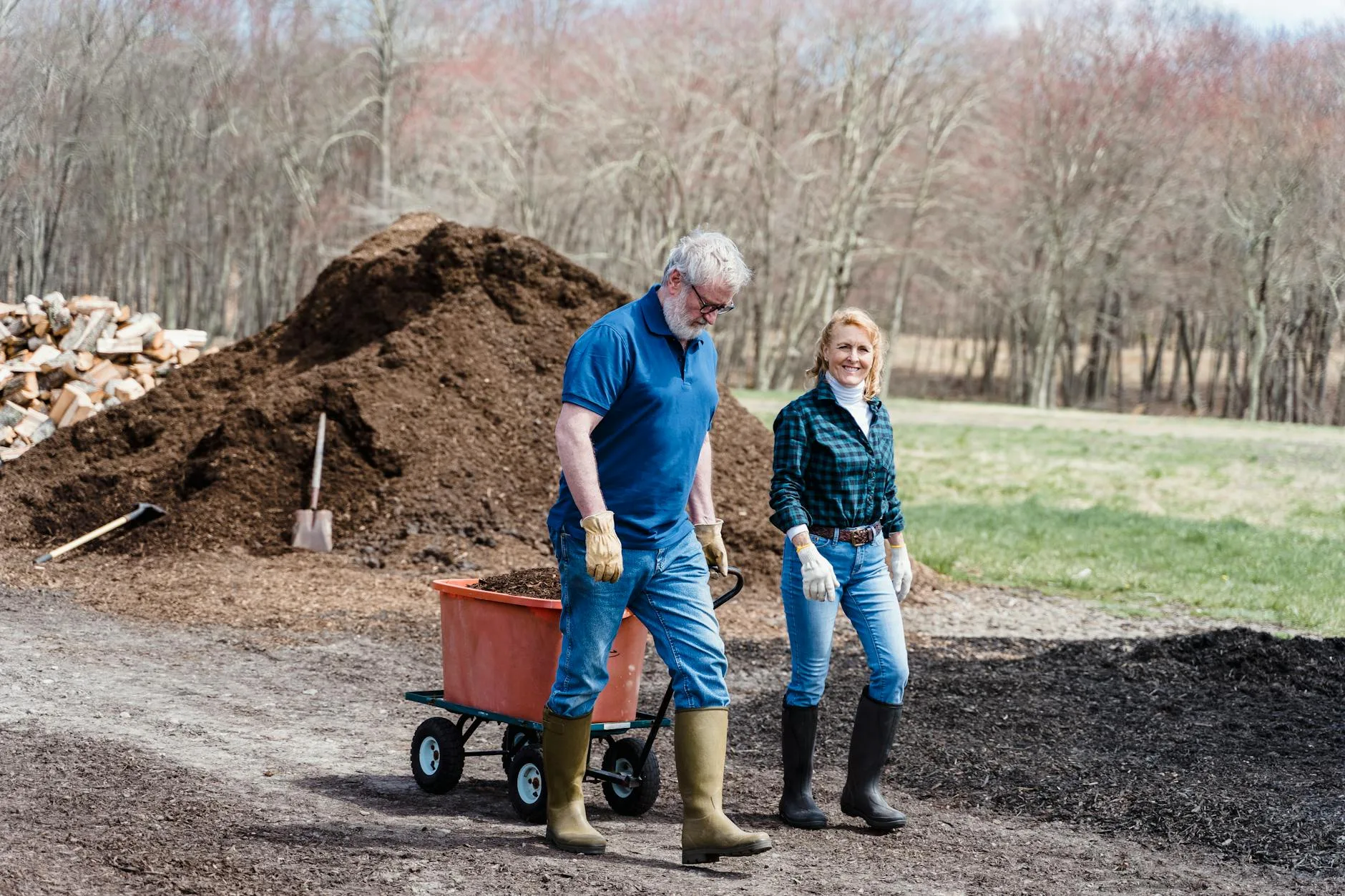
Standard (65-85 litres)
The most common garden barrow size. Carries roughly 4-5 spade-loads of soil or one large bag of compost emptied in. Manageable weight when fully loaded (40-60kg depending on contents), manoeuvrable on garden paths, and fits through standard garden gates. This size suits 90% of domestic gardeners. For a related angle, see our How to Line a Raised Bed (And Should You?) guide.
Large (100-120 litres)
For allotments, larger gardens, and regular heavy-duty work. Carries more per trip (reducing total trips) but weighs proportionally more when full. A 120-litre barrow loaded with wet soil weighs 80-100kg — serious physical effort to push, especially uphill or on soft ground. Choose this size only if your terrain is flat and your loads are frequent.
Compact (40-60 litres)
Smaller trays for small gardens, greenhouse work, and elderly or less able gardeners. Less weight per load means easier handling, and the smaller footprint fits tighter spaces. The trade-off: more trips for the same total volume moved. Good for raised bed gardeners with modest soil-moving needs.
Tyre Types: Pneumatic vs Puncture-Proof
Pneumatic (Air-Filled)
Standard inflatable tyres. Advantages: cushioned ride over rough ground, good grip on soft surfaces, comfortable to push because bumps are absorbed. Disadvantages: punctures. Thorns, nails, sharp stones — anything on an allotment path can pierce the inner tube. Puncture frequency varies from “never” to “monthly” depending on your terrain.
Maintenance: check pressure before heavy use sessions. A flat pneumatic tyre is miserable to push and damages the inner tube by pinching it against the rim.
Solid Rubber / Puncture-Proof
Solid or foam-filled tyres that cannot puncture. Advantages: zero maintenance, never flat, always ready. Disadvantages: harder ride (every bump transmits directly), less grip on soft or wet ground, and heavier than pneumatic equivalents. The ride difference is noticeable on rough terrain — your arms absorb what the tyre does not. Our Best Seed Trays and Propagators 2026 UK guide is useful alongside this.
The Best Compromise
Buy a pneumatic-tyred wheelbarrow and keep a £5 spare inner tube in your shed. Punctures happen once or twice a year for most gardeners — a 10-minute tube change is less hassle than the permanently inferior ride of a solid tyre. Or buy a “flat-free” tyre that uses dense foam filling — puncture-proof with marginally better cushioning than pure solid rubber.
Our Top Picks for 2026
Best Overall: Walsall Wheelbarrows Easiload (about £85)
British-made (Walsall has manufactured wheelbarrows since 1928), galvanised tray, tubular steel frame, pneumatic tyre with proper sealed bearings. 85-litre capacity that handles everything from compost runs to rubble clearing. The rolled rim prevents injury and the deep-draw tray has no welded seams to rust through. Available from garden centres, builders merchants, and Amazon.
Best Budget: Draper Galvanised Wheelbarrow (about £55)
Galvanised tray at a budget price point — the critical upgrade from painted steel without the premium cost. 65-litre capacity, pneumatic tyre, and decent build quality for occasional weekend garden use. Not as refined as the Walsall (thinner gauge steel, simpler bearings) but lasts years longer than anything painted at the same price.
Best for Allotments: Haemmerlin Original 108 (about £120)
French-made professional barrow used by landscapers and allotmenteers across Europe. 108-litre capacity, heavy-gauge galvanised tray, pneumatic tyre with roller bearings, and hardwood handles. Built to run daily for decades. Heavy empty (28kg) but that weight comes from material thickness that resists every dent and ding. The RHS allotment guidance recommends investing in durable tools for regular plot work — and this barrow delivers. We cover a similar decision in How to Grow Salad Leaves Year-Round in the UK.
Best Lightweight: Walsall Wheelbarrows Polypan (about £65)
Plastic tray (no rust ever), lightweight frame (12kg total), and a pneumatic tyre. Not for heavy rubble or wet soil in bulk, but perfect for lighter garden tasks: moving plants, distributing mulch, collecting weeds. If weight and ease of use matter more than maximum load capacity, this is the one.
Best Dual-Wheel: Walsall Twin-Wheel (about £95)
For anyone with back problems or regular heavy loads on flat terrain. Two pneumatic tyres provide inherent stability — no balancing required. 85-litre galvanised tray, wide stance, and the push force is directed forward rather than partially used balancing the load. Wider than single-wheel so check your gate and path widths before buying.
Handles and Grips
Handle Material
- Hardwood (ash, beech): traditional, warm in winter, strong, and replaceable if damaged. Requires occasional sanding and oiling. Develops a pleasant worn patina over years.
- Tubular steel: stronger than wood, lighter, and cannot split or rot. Cold in winter without gloves. Not replaceable — if the frame bends, the whole barrow is compromised.
- Polypropylene: budget barrows only. Hollow plastic handles flex under load, crack in cold, and offer poor grip when wet. Avoid.
Grip Comfort
If you push a wheelbarrow regularly (weekly or more), grip comfort matters. Look for:
- Diameter: 30-35mm is comfortable for most hands. Thinner forces a tighter grip that fatigues faster.
- End stop: a rolled or welded end prevents your hands sliding off when tipping
- Aftermarket grips: foam or rubber slip-on grips (£5-10) transform uncomfortable handles into all-day-comfortable tools
Handle Length
Standard handles are 1.4-1.6m from tray to grip end. Taller gardeners (over 185cm) should look for longer handles (1.6m+) to prevent stooping. Shorter gardeners may prefer compact barrows with shorter handles for better control at lower height.
Maintaining Your Wheelbarrow
After Each Use
Empty completely — sitting water, wet soil, or concrete remnants left in the tray accelerate corrosion even on galvanised steel. A quick scrape with a trowel and a rinse with the hose takes 30 seconds and extends tray life by years.
Monthly
Check tyre pressure (pneumatic), oil the wheel bearings (one drop of WD-40 or 3-in-1 on each side), and inspect handles for splits or loosening at the frame attachment bolts. Tighten any bolts that have worked loose from vibration.
Annually
Sand and oil wooden handles (raw linseed oil is traditional). Check the tray for any rust spots developing through the galvanising (rare on quality barrows but possible after 5+ years of hard use) — treat with rust converter and cold galvanising spray. Replace the inner tube if punctures have become frequent (tubes fatigue after repeated patching).
Storage
Store under cover if possible — a lean-to, shed overhang, or tipped upside down against a wall so rain does not pool in the tray. UV degrades plastic trays and rubber tyres over years. A galvanised steel barrow stored outdoors uncovered still lasts a decade+, but covered storage extends this further.
Frequently Asked Questions
How much should I spend on a wheelbarrow? £55-85 buys a galvanised barrow that lasts 10+ years for typical garden use. Below £40 gets painted steel that rusts within seasons. Above £100 is professional-grade for daily heavy use — overkill for weekend gardening but justified for allotments and smallholdings. The sweet spot for most UK gardeners is £65-85.
Is a builders’ wheelbarrow better than a garden wheelbarrow? Builders’ barrows have deeper trays, heavier frames, and are designed for rubble, concrete, and daily professional abuse. They are overkill (and overweight) for moving compost and plants. Garden barrows are lighter, easier to manoeuvre, and shaped better for tipping organic material. Buy a builders’ barrow only if you genuinely carry rubble, concrete, or aggregate regularly.
Do I need puncture-proof tyres? If your path is full of thorns (hawthorn hedges, brambles) or construction debris (nails, screws), puncture-proof saves frustration. For most garden paths and allotments, pneumatic tyres with a spare inner tube is the better compromise — better ride quality 99% of the time, with occasional 10-minute repairs.
Can I replace the wheel on my existing wheelbarrow? Yes — universal replacement wheels (14-inch or 16-inch pneumatic, solid rubber, or flat-free) cost £12-25 and fit most standard axle bolt diameters (12mm or 16mm). Measure your existing axle bolt diameter and wheel size before ordering. A new wheel on an old barrow extends its life by years for minimal cost.
What size wheelbarrow for an average UK garden? 65-85 litres. This handles everything from weekly weeding runs to occasional soil moving without being unwieldy in typical UK garden dimensions (paths 60-80cm wide, gates 80-90cm). Only go larger (100+ litres) if you have wide paths and regularly move large volumes — the extra capacity is wasted if you cannot fit through your gate.