You’ve built a raised bed, filled it with compost, and now someone on a gardening forum tells you that you should have lined it first. Too late? Maybe not. But the bigger question is whether lining is even necessary — because for some beds it’s essential, for others it’s a waste of time, and for a few it’s actively harmful.
The answer depends entirely on what your bed is made of, what you’re growing, and what’s underneath it. A wooden bed on soil needs different treatment from a metal bed on concrete. Here’s how to work out whether to line yours, what to use, and how to do it properly.
In This Article
- Why People Line Raised Beds
- When Lining Is Essential
- When Lining Is Unnecessary
- Best Materials for Lining a Raised Bed
- Materials to Avoid
- How to Line a Raised Bed Step-by-Step
- Lining the Bottom: Drainage Considerations
- Common Lining Mistakes
- Frequently Asked Questions
Why People Line Raised Beds
Lining serves different purposes depending on where you put it. Understanding these reasons helps you decide whether it’s worth doing for your specific situation.
Protecting the Wood
Untreated timber in contact with damp soil rots. Even pressure-treated softwood breaks down over 5–10 years when one side is permanently wet. A liner creates a barrier between the wood and the soil, reducing moisture contact and extending the bed’s life. This is the most common reason for lining.
Preventing Weed Invasion
If your raised bed sits on top of grass or weedy ground, roots will grow up through the base. Couch grass, bindweed, and ground elder can push through surprisingly deep compost to reach the surface. A liner on the bottom blocks this upward invasion. Our guide to preventing weeds in raised beds covers above-ground strategies as well.
Blocking Contaminants
If you suspect your soil is contaminated — common in urban gardens, especially near roads or on old industrial sites — a liner prevents roots from reaching contaminated ground. This matters most for vegetables where you’re eating the produce.
Retaining Soil
On beds sitting on hard surfaces like concrete or paving, lining the bottom prevents compost washing out through drainage gaps. It also stops staining on the surface below.
When Lining Is Essential
Wooden Beds (Sides)
Any wooden raised bed benefits from side lining. Even treated timber deteriorates faster with permanent soil contact. The liner adds 3–5 years to the life of softwood beds and keeps the inside cleaner. For a quality raised bed kit costing £50–150, a £5 liner is cheap insurance.
Beds on Contaminated Ground
If you’re growing edibles and you’re not confident about your soil quality — which includes most urban gardens, allotments on former farmland, or gardens near busy roads — line the bottom and sides completely. The RHS advises testing soil before growing edibles in potentially contaminated areas.
Metal Beds (Inside)
Metal raised beds (galvanised steel, corten) can heat up in direct sun, cooking roots near the edges. A liner provides insulation. Metal can also affect soil chemistry in small beds — galvanised steel leaches zinc, which is fine for most plants but can build up in soil over years.
When Lining Is Unnecessary
Plastic or Composite Beds
These materials don’t rot, don’t leach chemicals, and don’t need protection from moisture. Lining the sides of a plastic or composite bed adds nothing.
Beds on Clean Soil (Bottom)
If your ground soil is uncontaminated and you want plant roots to access the deeper ground moisture, don’t line the bottom. Many crops — tomatoes, courgettes, squash — send roots well below the bed depth. Blocking them from the ground below limits their water and nutrient access. Knowing your soil type helps with this decision.
Temporary or Annual Beds
If you rebuild beds annually or use them for single-season crops, the wood won’t rot fast enough to justify lining. Save the money for good compost instead.
Best Materials for Lining a Raised Bed
Landscape Fabric (Best for Most Beds)
Woven polypropylene landscape fabric is the go-to choice. It’s permeable (water passes through), durable (lasts 10–15 years buried), and inexpensive (about £5–10 for enough to line a standard 1.2 × 2.4m bed).
- Pros: breathable, prevents soil contact with wood, blocks weeds from below, affordable
- Cons: not waterproof (which is usually a good thing for drainage)
- Best for: lining sides of wooden beds, lining bottom over weedy ground
Heavy-Duty Plastic Sheet (Polythene)
Thick polythene (250 micron or DPM) creates a waterproof barrier. Use it on sides only — never the bottom unless you’ve created drainage holes, or your bed becomes a swimming pool.
- Pros: completely waterproof, cheap, widely available from builders’ merchants
- Cons: non-breathable, can trap moisture against wood (counterproductive if that’s what you’re trying to prevent), needs drainage holes in the bottom
- Best for: metal beds (insulation), beds on concrete (soil retention)
Pond Liner (EPDM Rubber)
If you’re building a deep bed on concrete or paving where you need complete water containment with controlled drainage, EPDM pond liner is the premium option. It’s flexible, durable (20+ year lifespan), and won’t crack in frost.
- Pros: extremely durable, flexible, frost-resistant
- Cons: expensive (£15–25 per square metre), overkill for most garden beds
- Best for: permanent raised beds on hard surfaces, deep planters on balconies
Cardboard (Budget Bottom Liner)
Flattened cardboard boxes on the bottom of a bed suppress weeds for 6–12 months while they decompose. It’s free, adds organic matter as it breaks down, and works perfectly for annual weed suppression.
- Pros: free, biodegradable, effective short-term weed barrier
- Cons: temporary (breaks down in one season), doesn’t protect wood, slugs love hiding under it
- Best for: quick weed suppression when building new beds on grassy ground
Materials to Avoid
- Treated roofing felt — contains bitumen and potentially harmful chemicals. Not food-safe
- Old carpet — often treated with fire retardants, stain repellents, and backing adhesives. These leach into soil. Never use carpet as a raised bed liner
- Thin plastic bags or bin liners — tear within weeks, create plastic fragments in soil, and block drainage
- Creosote-treated timber offcuts — creosote is banned for consumer use in the UK precisely because it’s toxic. Don’t use it near food crops
How to Line a Raised Bed Step-by-Step
This method works for wooden beds using landscape fabric — the most common combination.
What You’ll Need
- Landscape fabric — enough to cover the inside surfaces with 10cm overlap at the top
- A staple gun (heavy-duty) — for fixing fabric to wood
- Scissors or utility knife — for cutting fabric
- Measuring tape — measure twice, cut once
The Process
- Build the bed frame and position it in its final location — it’s much harder to line after it’s full of soil
- Measure the inside height and length of each side, adding 10cm to the height for a fold-over at the top
- Cut fabric panels for each side
- Starting with a long side, press the fabric flat against the inside of the wood and staple along the top edge every 15cm
- Pull the fabric taut down to the bottom corner and staple along the bottom rail
- Repeat for each side, overlapping at the corners by at least 10cm
- For the bottom (if lining): lay fabric flat across the base, cutting it to size with 10cm overlap up each side. Staple to the bottom rail
- Fold the top 10cm of side fabric over the top edge of the frame for a clean finish — this also prevents soil from getting between the fabric and the wood
Tips for a Clean Finish
- Work on a warm day — fabric is more pliable and easier to stretch flat
- Start from the centre of each panel and work outward to avoid bunching
- Double-staple the corners — these take the most stress when the bed is filled
Lining the Bottom: Drainage Considerations
This is where most people make the biggest mistake. A fully sealed bottom turns your raised bed into a bathtub. Waterlogged roots rot, and anaerobic soil smells terrible.
On Soil
If your bed sits directly on garden soil, the best bottom liner is landscape fabric — it blocks weeds while allowing water to drain straight through into the ground. You don’t need drainage holes because the fabric is permeable.
On Concrete or Paving
You need both a liner and drainage. Options:
- Drill holes through a plastic liner at 30cm intervals, each about 10mm diameter
- Use landscape fabric instead of plastic — water drains through naturally
- Raise the bed on feet or bricks — creates an air gap underneath that aids drainage and airflow
The RHS raised bed guidance recommends a minimum of 15cm drainage depth for vegetable beds on impermeable surfaces.
Drainage Layer
Whether on soil or hard surface, a 5cm layer of coarse gravel at the bottom improves drainage. Place it below the compost, above the liner. This prevents the bottom 5cm of soil from staying permanently saturated.
Common Lining Mistakes
Sealing the Bottom Completely
Already covered, but it’s worth repeating: a sealed bottom with no drainage kills plants. If you use plastic on the bottom, punch plenty of holes.
Using the Wrong Staples
Standard office staples won’t hold fabric under the weight of wet soil. Use 10mm or longer heavy-duty staples from a staple gun. Arrow T50 staples are the standard choice for this job.
Not Overlapping at Corners
Soil pressure pushes fabric into gaps. If your corner overlaps are less than 10cm, soil will work its way between the fabric and the wood, defeating the purpose. Be generous with the overlap.
Lining After Filling
If you forget to line before filling, you have two options: empty the bed and start again, or accept it and add liner next time you replace the soil. Trying to retrofit a liner into a full bed never works properly — the fabric bunches, tears, and doesn’t sit flat against the wood.
Forgetting the Top Edge
Leaving raw fabric edges visible at the top looks messy and the fabric pulls away from the staples over time. Folding it over the top edge by 10cm and stapling on the outside creates a clean, permanent finish. For beginners setting up their first bed, this finishing step makes a surprising difference to the overall appearance.
Choosing the Wrong Fabric Weight
Landscape fabric comes in different weights, measured in grams per square metre (gsm). For raised bed lining, use at least 100gsm — the heavier grades are more puncture-resistant and last longer underground. The cheap 50gsm fabric sold in garden centres for path weed control tears too easily under the weight of wet compost.
What to Fill Your Lined Bed With
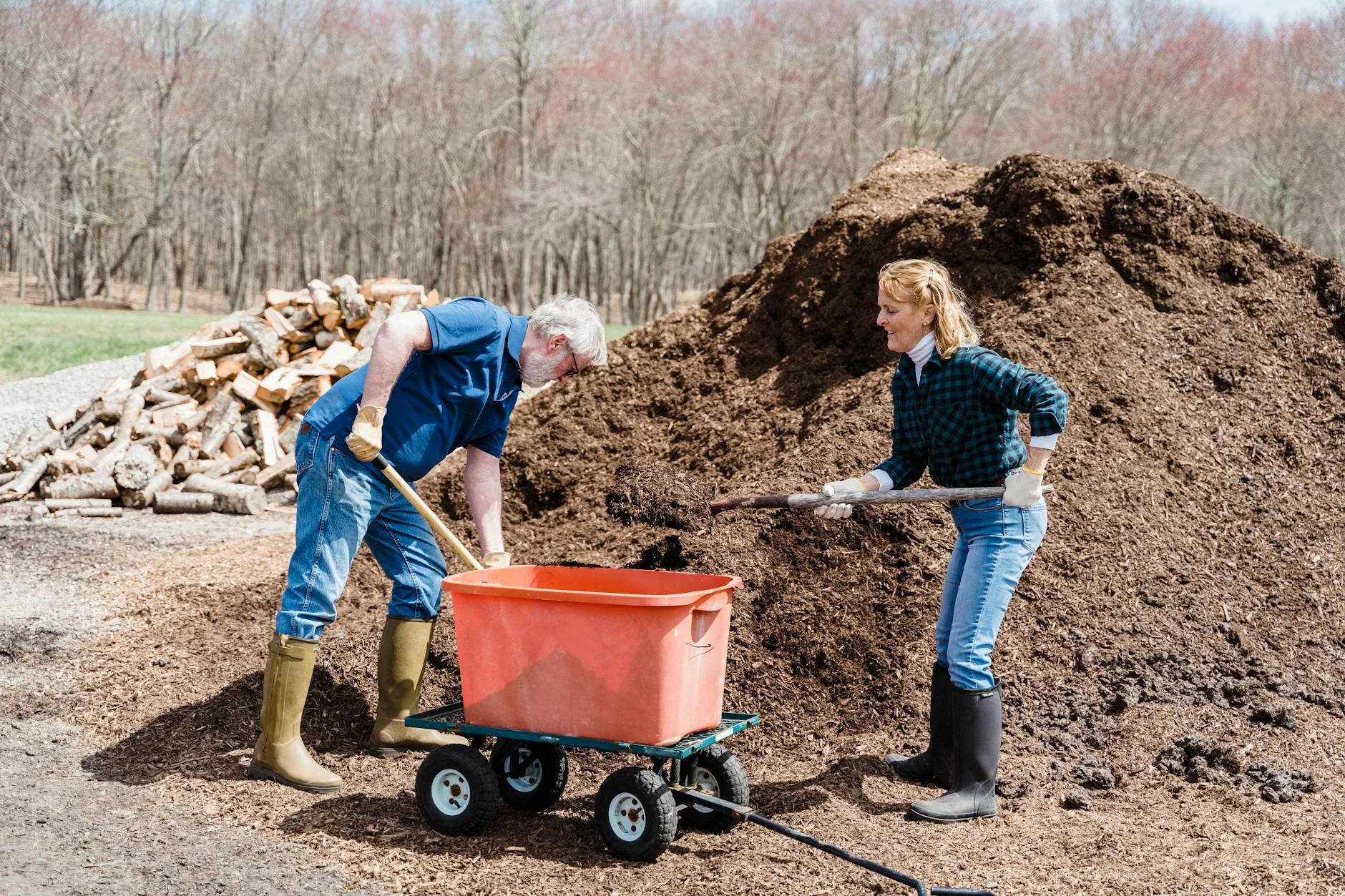
Once lined, the filling matters just as much as the liner itself. A common approach is the layered method:
- Bottom third: coarse organic matter — small branches, prunings, woody stems. This breaks down slowly and creates air pockets for drainage
- Middle third: partly decomposed compost, leaf mould, or grass clippings. This continues breaking down over the growing season, releasing nutrients
- Top third: quality growing compost or a mix of topsoil and raised bed compost. This is where your plants’ roots live for the first season
This layered approach (sometimes called hügelkultur-lite) saves money on compost — you’re using free garden waste for the bottom two-thirds. It also improves drainage and creates a nutrient-rich growing environment that improves year on year as the lower layers decompose.
How Much Compost Do You Need?
A standard 1.2 × 2.4m bed at 30cm deep holds about 0.86 cubic metres of soil. Using the layered method, you need roughly 0.3 cubic metres of quality compost for the top layer — about 8–10 standard 40-litre bags. Without layering, you’ll need the full 0.86 cubic metres — roughly 22 bags. At £5–8 per bag, layering saves you £60–90 in compost costs.
Frequently Asked Questions
Should I line the bottom of a raised bed? Only if you need to block weeds from below, prevent roots reaching contaminated soil, or stop compost washing onto a hard surface. If your ground soil is clean and you want plants to root deeply, leave the bottom unlined. Use landscape fabric if you do line the bottom — never sealed plastic without drainage holes.
Can I use a bin liner to line a raised bed? No — bin liners are too thin, tear within weeks, break down into microplastic fragments, and block drainage completely. Use landscape fabric or heavy-duty polythene (250 micron minimum) with drainage holes instead.
How long does raised bed lining last? Landscape fabric lasts 10–15 years when buried. Heavy-duty polythene lasts 15–20 years. EPDM pond liner lasts 20+ years. Cardboard lasts one season. Replace liners when you see them degrading during soil changes.
Do I need to line a metal raised bed? Lining the inside of metal beds provides thermal insulation (metal gets hot in sun) and prevents long-term zinc leaching from galvanised steel. It’s not essential but recommended, especially for edible crops. Use landscape fabric — it’s breathable and prevents direct soil-to-metal contact.
Can raised bed liner affect soil pH? Landscape fabric and EPDM rubber are chemically inert and won’t affect soil pH. Some plastics can leach chemicals over decades, but food-grade polythene at 250 micron is safe. Never use materials containing bitumen, creosote, or unknown chemical treatments near food crops.