You’ve just signed the tenancy agreement for your allotment plot, or maybe you’ve sectioned off a corner of the garden for growing veg this year. Either way, you’re standing in B&Q on a Saturday morning surrounded by more tools than a Formula 1 pit garage, and you’ve no idea what actually matters. Do you need a border spade or a digging spade? What about a hoe — there seem to be six different shapes? And why does that wheelbarrow cost £180?
Here’s the good news: you don’t need most of it. The RHS garden tools guide agrees — a few quality basics beat a shed full of gadgets. Not yet, anyway. The tools & equipment UK gardeners actually use week-in, week-out can fit in a small shed and cost well under £150 total if you buy smart. This guide cuts through the noise and tells you exactly what to buy first, what can wait, and where to find decent kit without remortgaging.
The Five Tools You Genuinely Need on Day One
Before you buy anything else, get these five sorted. They’ll cover about 90% of what you’ll do in your first growing season.
A Decent Spade
This is your workhorse. You’ll use it for digging over beds, edging, turning compost, and shifting soil into raised beds. A full-size digging spade with a treaded blade is what most people want — the tread gives you somewhere to push with your boot, which saves your instep on heavy clay.
Budget pick: The Draper Carbon Steel Digging Spade (about £18–22 from Amazon UK or Wilko) does the job for a first season. The handle’s a bit rough, so wear gloves.
Worth the upgrade: Spend £35–50 on a Spear & Jackson Elements or a Bulldog Premier and you’ll feel the difference immediately — better balance, smoother shaft, a blade that actually cuts into compacted soil rather than bouncing off it.
If you’re working a smaller plot or you’re under about 5’6″, consider a border spade instead. Smaller blade, shorter handle, much less tiring over an afternoon. Check out our detailed guide on how to choose a garden fork and spade before committing — the wrong size makes every dig session miserable.
A Garden Fork
The fork does what the spade can’t: breaking up compacted ground, aerating soil, lifting root vegetables without slicing them in half, and working compost into beds. On heavy clay — which is most of England, let’s be honest — you’ll reach for the fork more often than the spade.
The same brands apply here. Spear & Jackson and Bulldog both make solid forks in the £30–50 range. If you’re buying a matching set, our rundown of the best garden forks and spades in 2026 has specific model recommendations with UK prices.
One tip: stainless steel forks look gorgeous but cost double. Carbon steel is completely fine for a beginner — just wipe the tines down and oil them once a month during the growing season.
Hand Trowel and Fork
You’ll use these more than you’d expect. Planting out seedlings, weeding between closely-spaced crops, topping up containers — hand tools do the fiddly work that full-size tools are too clumsy for.
The one to buy: Wilkinson Sword’s stainless steel hand trowel and fork set runs about £12–15 from Argos or B&Q. Comfortable grip, decent steel, and they’ll last years if you don’t leave them out in the rain. (Ask me how I know.)
Avoid the ultra-cheap £3 sets from pound shops. The handles snap within weeks, usually at the worst possible moment.
Secateurs
Even if you’re only growing veg, you’ll need secateurs. Harvesting courgettes, cutting back herbs, deadheading runner bean flowers, snipping twine — they’re in your pocket every time you visit the plot.
Bypass secateurs are the type you want. They cut like scissors (one blade slides past the other) and give a clean cut on living stems. Anvil secateurs crush the stem instead, which is fine for dead wood but damages living plants.
The Felco 2 is the gold standard at about £45, but that’s overkill for a first year. The Spear & Jackson Kew Gardens bypass secateurs (around £10–12) are really good for the money. They won’t last a decade of daily use, but they’ll handle two or three seasons easily. For a related angle, see our How to Start a Vegetable Garden from Scratch guide.
A Watering Can or Hose
This sounds obvious, but loads of first-year allotmenteers turn up without any way to water their plants. If your plot has a standpipe, a 10-litre Haws watering can (about £15–20) with a fine rose is ideal for seedlings and gentle watering. Two fills will do a 3m × 1.2m raised bed.
If you’re gardening at home with an outdoor tap, a basic hose with a trigger nozzle saves a huge amount of time. Hozelock’s starter sets from about £25 at Wickes or B&Q include the connectors you need.
The Next Tier: Worth Buying in Your First Season
Once you’ve got the basics, these tools earn their place quickly — but you can wait a few weeks before investing.
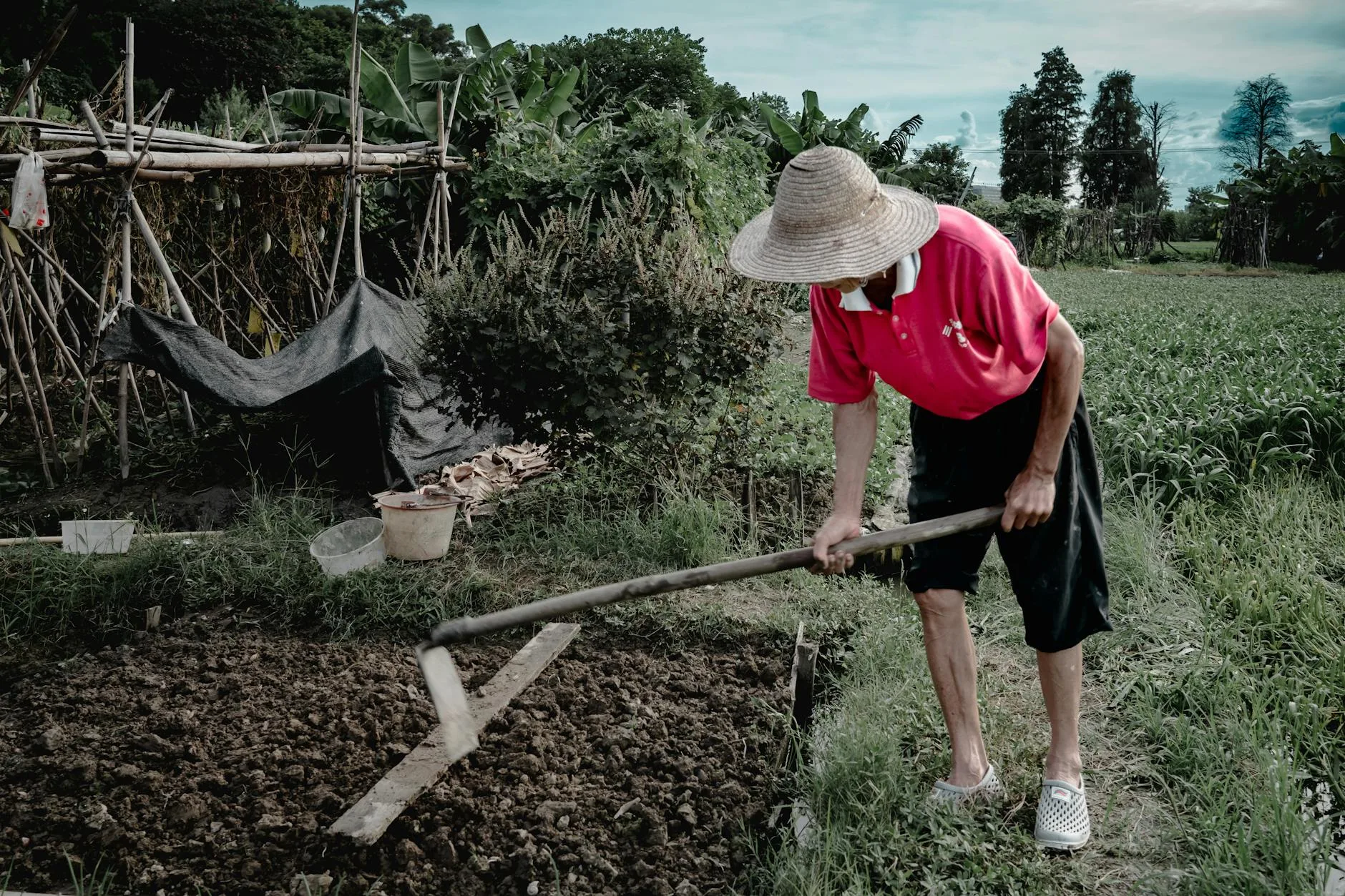
A Hoe
Weeding by hand is therapeutic for about 20 minutes. After that, it’s just back pain. A hoe lets you slice off weeds at the soil surface while standing upright, and it’s noticeably faster.
Dutch hoe — the push-pull type — is the most versatile for beginners. You work it back and forth just below the surface, cutting weed roots. The Burgon & Ball Dutch Hoe (about £20–25 from garden centres or Amazon UK) has a sharp blade and a comfortable ash handle.
Use it on a dry, sunny morning. The sliced weeds shrivel up on the surface instead of re-rooting.
A Wheelbarrow or Garden Cart
If you’re on an allotment, a wheelbarrow is essential for moving compost, soil, harvested veg, and weeds to the heap. At home with a smaller garden, you might manage with a garden trug or bucket.
For allotments, the Walsall Wheelbarrows Easiload (about £50–65 from Screwfix or eBay) is a proper workhorse — pneumatic tyre, 85-litre capacity, and made in the West Midlands. The cheaper pressed-steel barrows from B&Q (around £30–40) work, but the solid tyres are punishing on rough ground.
A Garden Rake
Rakes are brilliant for levelling seed beds, removing stones, and creating a fine tilth for sowing. A standard flat-head rake with 12 or 14 tines is what you want — not a lawn rake (the springy fan-shaped one), which is for leaves.
Expect to pay £12–20 for a decent one. The Draper Carbon Steel Garden Rake is a reliable budget option at about £14.
Labels and String
Boring but vital. You will forget what you planted where. Wooden lolly-stick labels from Amazon (200 for about £5) and a ball of natural jute twine (£3–4) solve this problem entirely. Write in pencil, not marker — pencil survives rain better.
What You Definitely Don’t Need Yet
This is where beginners waste money. None of these are bad tools — they’re just not useful until you know what kind of gardening you’re actually doing.
- Rotavator or cultivator — overkill for most plots, and they chop perennial weed roots into pieces that each grow into new plants. Congratulations, you’ve just multiplied your couch grass.
- Expensive soil testing kits — a £5 pH test kit from a garden centre tells you everything you need for the first year. The full nutrient analysis kits (£25+) are useful later when you’re trying to diagnose specific problems.
- A greenhouse — brilliant eventually, but a cold frame (£30–50) or even a few cloches made from old water bottles gives you 80% of the benefit for 10% of the cost. Focus on learning what grows in your conditions first.
- Knee pads or a kneeler — an old cushion or folded towel works fine. If you do want something purpose-built, the Town & Country foam kneeler (about £6) is cheap enough to be disposable.
- Power tools — hedge trimmers, strimmers, leaf blowers. Unless you’ve inherited an overgrown jungle, hand tools will handle your first couple of seasons comfortably.
Buying Smart: Where UK Beginners Should Shop
The right shop depends on what you’re buying and how much you want to spend.
B&Q and Wickes are reliable for everyday tools. Not the cheapest, but you can handle everything before buying, which matters when you’re choosing spade lengths and grip comfort. Their own-brand tools (Verve at B&Q) are decent starter quality. For independent guidance, check RHS gardening advice.
Screwfix is surprisingly good for garden tools if you know what you want. No browsing — it’s a counter-collection model — but prices are competitive and they stock Spear & Jackson and Bulldog.
Amazon UK wins on price for hand tools, labels, twine, and accessories. Just check seller ratings carefully. The “garden tools” category is full of no-name imports that look identical to branded tools but use softer steel that bends.
Car boot sales and Facebook Marketplace are goldmines for second-hand tools. Older British-made tools (pre-2000 Spear & Jackson, Bulldog, Elwell) are often better quality than what you’ll find new. A rusty fork with a solid ash handle just needs a wire brush, some linseed oil, and a sharpening stone.
Charity shops occasionally have decent hand tools. Always worth a look, especially Wilkinson Sword and old Spear & Jackson pieces.
Looking After Your Tools (Five Minutes That Save You Hundreds)
Cheap tools maintained well will outlast expensive tools left out in the rain. This isn’t complicated — just build these habits early.
After every session: Knock off the worst of the soil. A stiff brush or a bucket of water does the job. Dry metal tools before putting them away.
Once a month during the growing season: Wipe metal parts with an oily rag. Any oil works — WD-40, linseed oil, even cooking oil at a push. This prevents rust and keeps blades cutting cleanly.
Once a year (autumn is ideal): Sharpen spade and hoe blades with a flat file. It takes about five minutes per tool and makes a shocking difference to how easily they cut through soil and roots. There are plenty of YouTube tutorials if you’ve never done it.
Wooden handles: Sand off any splinters and apply a coat of linseed oil once a season. This stops the wood drying out and cracking.
If you store your tools in a shed, hang them on hooks or nails rather than standing them in a corner. They dry better, take up less floor space, and you won’t accidentally stand on a rake like a cartoon character.
Setting Up Your First Growing Space
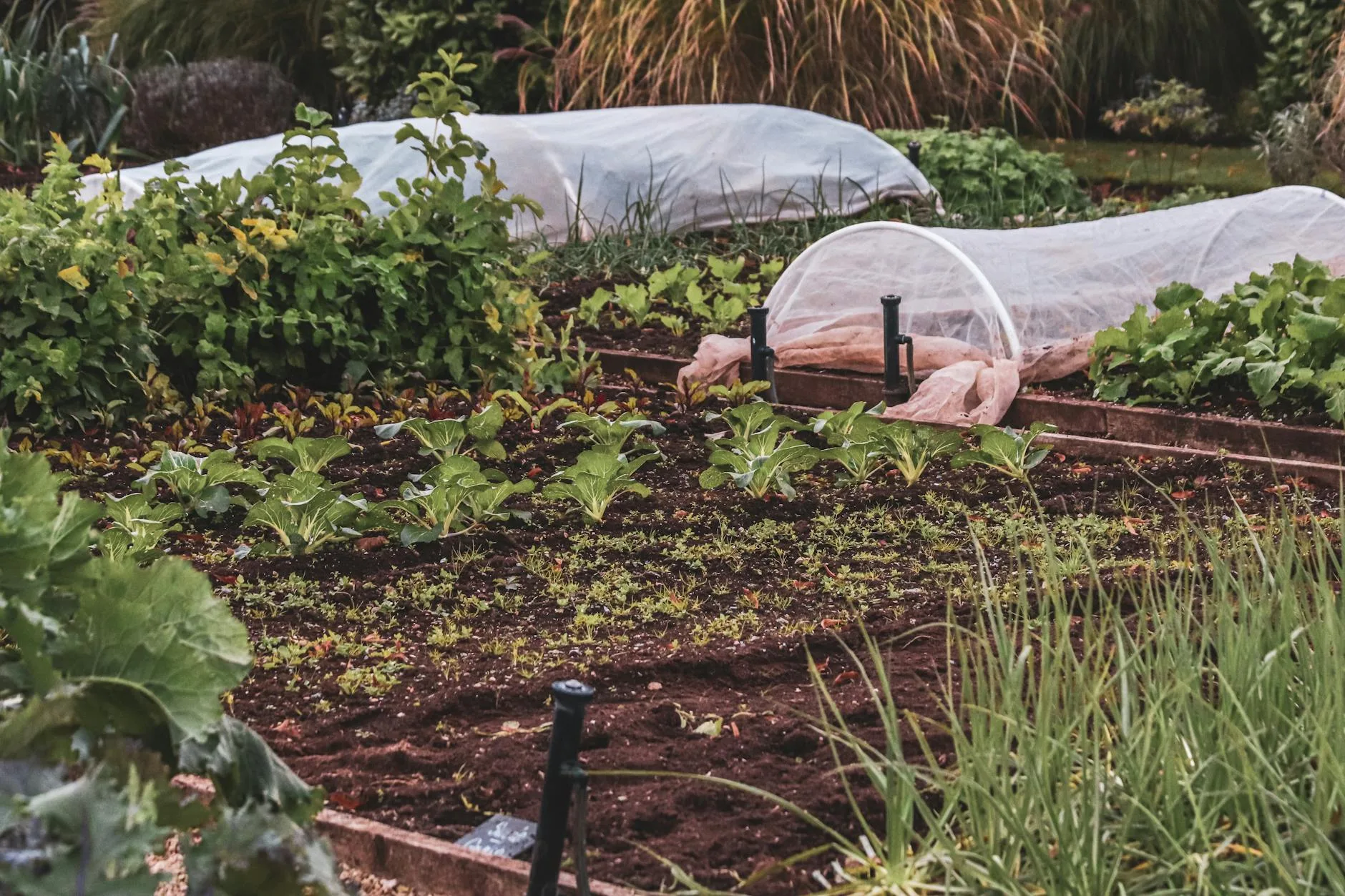
The tools above assume you’ve got a patch of ground to work. If you’re starting from scratch — whether that’s a new allotment or a section of lawn you’re converting — here’s the order of operations:
- Clear the surface. Cut down any tall weeds or grass with shears or a sickle. Rake the debris into a pile.
- Dig or no-dig? If the ground is already reasonably soft, consider the no-dig method: lay cardboard over the area and pile 10–15cm of compost on top. Our guide to how to start composting covers what you need. If the ground is rock-hard clay, you’ll need to fork it over first to break up the compaction.
- Mark out your beds. String and pegs are enough. Leave 40–50cm paths between beds so you can kneel and work without compacting the growing area.
- Consider raised beds. They’re not essential, but they solve drainage problems, save your back, and let you fill with decent soil if your native ground is poor. Our raised beds for beginners guide covers materials, sizes, and costs.
A Realistic First-Year Shopping List (With Prices)
Here’s what a sensible starter kit looks like, pricing from UK retailers as of early 2026:
- Digging spade (Spear & Jackson Elements) — £35
- Garden fork (Spear & Jackson Elements) — £35
- Hand trowel and fork set (Wilkinson Sword) — £14
- Bypass secateurs (Spear & Jackson Kew) — £11
- Watering can 10L (Haws) — £18
- Dutch hoe (Burgon & Ball) — £22
- Garden rake (Draper) — £14
- Labels and twine — £8
- Gloves (decent leather-palm pair) — £8
Total: about £165
You can cut that to under £100 by going with budget brands on the spade and fork (Draper or Verve) and picking up the hoe and rake second-hand. Or spend a bit more on Bulldog or Burgon & Ball tools that’ll truly last 15–20 years.
The point is this: you don’t need to spend £500 to start growing food. The tools & equipment UK beginners actually use regularly fit in a bag and cost about the same as a decent pair of trainers.
Frequently Asked Questions
What are the essential gardening tools for a UK beginner? The five essentials are a digging spade, garden fork, hand trowel and fork set, bypass secateurs, and a watering can or hose. These cover about 90% of tasks in your first growing season and cost around £80-100 total.
How much should I spend on my first set of garden tools? A complete starter set costs about £100-165 from UK retailers. Budget brands like Draper start from £15-20 per tool, while mid-range options from Spear & Jackson or Bulldog cost £30-50 but last notably longer. Second-hand tools from car boot sales can cut costs further.
Is it worth buying expensive garden tools as a beginner? Not immediately. Start with mid-range tools (Spear & Jackson, Wilkinson Sword) and upgrade once you know what type of gardening you enjoy. The exception is if you find quality second-hand tools — older British-made Bulldog or Spear & Jackson pieces are often better than new budget options.
Where is the best place to buy gardening tools in the UK? B&Q and Wickes are good for handling tools before buying. Screwfix offers competitive prices on Spear & Jackson and Bulldog. Amazon UK wins on accessories and hand tools. For second-hand bargains, check Facebook Marketplace and car boot sales for quality pre-owned British tools.
Do I need a greenhouse to start growing vegetables in the UK? No. A cold frame (£30-50) or even cloches made from old plastic bottles give most of the benefit at a fraction of the cost. Focus on learning what grows well in your conditions before investing in a greenhouse.