The best seed tray or propagator depends on what you are sowing, where the seedlings will live and whether they need extra warmth. Garland’s Super 7 is our heated windowsill pick for several small batches under separate covers. For hardy crops or a warm indoor room, a plain tray or unheated dome may be enough. Start with the crop’s seed-packet temperature and the light available after germination; a warm base alone cannot keep seedlings stocky.
Our top six picks

Garland Super 7 Electric Windowsill Propagator
Best heated windowsill
Seven covered mini trays on a 76cm heated windowsill base; fixed 13W heat.

Garland six full-size seed trays with drainage holes
Best basic trays
Six full-size drainage trays for sowing or holding pots and inserts.
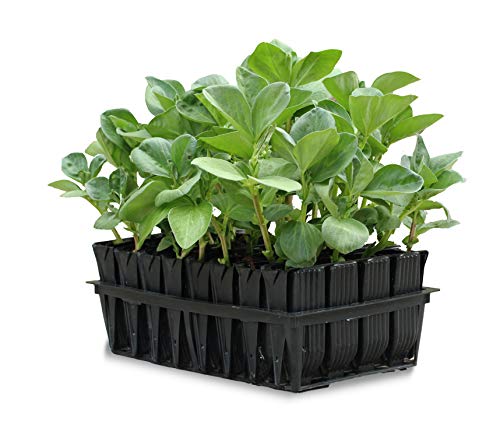
Haxnicks Deep Rootrainers
Best for deep roots
Opening deep cells help lift plants with long roots, such as sweet peas.

Garland variable-temperature electric propagator
Best temperature control
Large high-dome heated unit with adjustable temperature control.

EarlyGrow medium unheated propagator with extender
Best unheated high dome
Unheated clear dome with extender and adjustable ventilation.

Elixir Gardens 60-cell coir-pellet propagator kit
Best peat-free starter kit
Tray, 60-cell insert, lid and peat-free coir pellets in one starter kit.
The products do different jobs: some include heat, some provide only trays or plugs. Check the exact kit contents and footprint against your growing space before choosing.
In this guide
- Comparison at a glance
- How to choose
- The six options
- Sowing and aftercare
- Which one should you buy?
- Frequently asked questions
Comparison at a glance
| Option | Heat | Included / form | Space to plan for | Best use |
|---|---|---|---|---|
| Garland Super 7 | Fixed electric, 13W | Seven mini trays and vented lids | 76 × 18.5cm base | Several windowsill sowings |
| Garland full-size trays | None | Six trays with holes | About 38 × 24cm each | Basic sowing and pot holding |
| Haxnicks Deep Rootrainers | None | Deep opening cells and support | Depth for roots and headroom | Sweet peas and deeper roots |
| Garland variable-temperature | Adjustable electric, 50W | Large high-dome unit | 59 × 41cm base | Controlled warm propagation |
| EarlyGrow medium | None | Clear dome and extender | About 38 × 24cm | Unheated covered growing |
| Elixir coir kit | None | Tray, lid, 60 cells and plugs | Full-size tray footprint | Peat-free starter setup |
Leave extra room around each unit for cables, a safe socket and access to vents. An unheated dome holds moisture and some warmth but does not produce heat itself.
How to choose a seed tray or propagator
Match the crop and temperature
Start with the seed packet. The RHS indoor-sowing guide says many seeds germinate around 18°C, while requirements vary by crop. Tender seeds started early may benefit from a heated base or a reliably warm room. Hardy crops sown later often manage in an unheated tray. Garland’s Super 7 and the larger variable-temperature unit both supply heat, but only the latter gives adjustable control.
A fixed-heat base raises temperature relative to the room; it does not hold every tray at a chosen set point. Check the compost temperature if the crop has a narrow preference, and keep electrical equipment on a dry, stable surface in line with its instructions. Our seed-starting equipment guide helps separate essentials from optional extras.
Choose the right cell and lid
A shallow full-size tray works for broadcast sowing before seedlings are pricked out. Individual modules keep roots more separate. Haxnicks Deep Rootrainers open like books to release plants with longer roots; they suit sweet peas and beans better than a shallow communal tray. A clear lid slows surface drying during germination. Adjustable vents and prompt ventilation after emergence help prevent excess condensation.
Check whether the kit includes the base, inserts and cover you expect. Garland’s six-tray pack has drainage holes and needs a separate watertight surface beneath it indoors. EarlyGrow includes an unheated dome and extender but no warming element. The Elixir starter bundle supplies coir plugs as well as tray, insert and lid.
Plan for light after germination
Seedlings need light as soon as they emerge. A warm but dim windowsill can produce long, weak stems. The RHS vegetable sowing advice recommends moving germinated seedlings to suitable cooler growing conditions and hardening them off before planting out. Our greenhouse guide covers larger growing-on space, while the seed-company guide helps with crop choice.
The six options
1. Garland Super 7: best heated windowsill propagator
The Super 7 pairs a long 13W heated base with seven small trays and individual vented clear lids. Its 76 × 18.5cm footprint suits a wide windowsill or shelf where several varieties can germinate separately. Lift out one tray once its seedlings emerge while the remaining seeds stay covered.
It is a fixed-heat unit, so ambient room temperature still matters. The narrow trays suit small sowings, not growing plants on for weeks. Measure the usable sill, leave the cable clear and move emerged seedlings into good light. Garland’s product specification confirms the size, power and non-thermostatic design.
2. Garland full-size trays: best basic seed trays
This pack provides six rigid full-size trays with drainage holes. They are useful for sowing into seed compost, holding cell inserts or carrying pots together. Each tray is roughly 38 × 24cm, a familiar size for a greenhouse bench or potting area.
They supply no cover or heating, and water can drain onto the surface beneath. Use a watertight under-tray indoors. Seedlings sown together will need thinning or pricking out; modules are easier if you want to move each plant with its own root ball. Choose a suitable peat-free seed compost and follow the crop’s sowing instructions.
3. Haxnicks Deep Rootrainers: best for deep roots
Deep Rootrainers use hinged cells that open for transplanting. The format gives sweet peas, beans and other larger-rooted seedlings more depth than a shallow communal tray, and the cells help separate young plants.
Deep Rootrainers come in several pack sizes. Choose the cell count you need and allow enough room for the support frame. These cells provide neither a cover nor heat; a separate clear cover can help during germination if it fits, and young plants still need light and space above the cells.
4. Garland variable-temperature propagator: best heat control
Garland’s larger electric unit combines a high dome with an adjustable temperature control. The 59 × 41cm base provides room for a bigger batch than a windowsill set, and the 50W element offers more control when sowing crops with different warmth needs.
This takes substantial bench space and a suitable power point. The thermostat can help set the base temperature, but compost temperature and light still need attention. Check that the 27cm overall height accommodates your seedlings and ventilate or move them after emergence. It is most useful for a grower planning repeated early sowings rather than a few hardy seeds.
5. EarlyGrow medium: best unheated high dome
The EarlyGrow medium propagator has a clear cover, adjustable vents and one extender set. At about 38 × 24cm, it can cover smaller trays or cuttings while giving developing plants more headroom than a low lid. The rigid transparent sides make it useful on a bright bench or shelf.
There is no heating element. Use it where the crop already has a suitable temperature; a cold greenhouse stays cold overnight despite a lid. Lift or vent the cover as seedlings emerge and monitor condensation. For later outdoor planting, our courgette-growing guide illustrates how tender seedlings need a gradual transition.
6. Elixir Gardens coir kit: best peat-free starter bundle
This kit brings together a water tray, a 60-cell insert, clear lid, 60 peat-free Jiffy coir pellets, labels and pen. It suits a beginner who wants the small sowing components in one box. Rehydrate the pellets according to the pack, then sow at the depth stated on the seed packet.
The lid retains moisture but provides no heat. Coir pellets are small; move vigorous seedlings into a larger growing medium when their roots need space, and check watering as the plugs can dry differently from compost. The reusable tray and insert can be paired with fresh seed-sowing medium for later batches.
Sowing and aftercare
- Use a clean container: wash reused trays and choose a peat-free seed-sowing medium suited to the crop.
- Follow the packet: sow at the stated depth and temperature, label each variety and date, then water gently.
- Vent after emergence: open the lid gradually, provide strong light and avoid keeping seedlings in humid warmth for longer than needed.
- Grow on: prick out crowded trays or pot on root-filled modules. Harden plants off before moving them outdoors.
The RHS sowing guide covers watering from below and handling young plants. A propagator makes it easier to manage moisture and temperature; suitable seed, light and timely transplanting still matter. Once plants move into a bed, our raised-bed compost guide covers the separate soil choice.
Which one should you buy?
Choose the Garland Super 7 if you have a long windowsill and want several small, heated batches. The six Garland drainage trays are the useful foundation for ordinary sowing on a bench. Haxnicks Deep Rootrainers suit plants that benefit from deeper individual cells. For a larger heated setup with adjustable control, consider the Garland variable-temperature unit. EarlyGrow covers unheated trays with extra headroom, and the Elixir bundle combines a lid and peat-free plugs for a first small sowing setup.
Measure the space before ordering and check whether your chosen unit supplies heat, drainage, a lid and inserts. These features solve different problems; the right combination depends on your crops and where they will grow after germination.
Frequently asked questions
Do I need a heated propagator for seeds? It depends on the crop and room temperature. Many seeds germinate in a warm indoor room, while tender crops sown early may benefit from bottom heat. Check the seed packet’s temperature guidance.
What is the difference between a seed tray and a propagator? A seed tray holds compost or cells for sowing. A propagator adds a clear cover to retain humidity and some warmth; a heated propagator also has an electric warming base.
Are Garland Super 7 and the variable-temperature unit thermostatic? The Super 7 is a fixed-heat 13W unit with seven mini trays. The larger Garland 50W model has adjustable temperature control. Check the model specification before ordering because Garland sells several designs.
Should seed trays have drainage holes? Drainage holes help excess water leave the compost. Put a watertight under-tray beneath them indoors, and empty standing water after the medium has absorbed enough moisture.
When should I remove the propagator lid? Start ventilating when seedlings emerge, then adjust the cover to keep air moving and give the plants enough light. Follow crop-specific advice for warmth and humidity.
Are coir pellets a complete growing medium? They provide a small peat-free plug for germination and early growth. Fast-growing seedlings may soon need potting on into a larger suitable medium. Water according to the pellet pack and crop needs.