Every spring, the same thing happens. You buy a packet of tomato seeds, scatter them into whatever container you can find in the kitchen, balance the whole setup on a windowsill, and then wonder why three weeks later you’ve got leggy, pale seedlings that keel over the moment you look at them. Meanwhile, the allotment neighbour with the polytunnel is hardening off stocky little plants that look like they came from a garden centre. The RHS seed sowing guide explains why proper trays and propagators make such a difference. The difference? Proper seed trays and a decent propagator.
Getting seeds started well is the single biggest factor in how your growing season turns out. The right equipment doesn’t have to cost much — a good seed tray and propagator setup runs £15-40 — but it makes a dramatic difference to germination rates, seedling health, and ultimately what ends up on your plate.
Best Overall Propagator: Garland Super 7
The Garland Super 7 is the propagator I recommend to anyone who’s serious about raising their own plants from seed. At about £25-30 from Amazon UK or garden centres, it’s been the UK allotment grower’s workhorse for years, and nothing at this price point comes close.
What makes it work is the heated base. Seven individual seed trays sit on a heated mat that maintains a consistent 6-8°C above ambient temperature — enough to hit the 18-22°C sweet zone that most vegetable seeds need for germination, even in a cold greenhouse in March. Each tray is separate, so you can start different seeds at different times and remove individual trays without disturbing the rest.
The clear lid creates a humid microclimate that prevents the compost surface from drying out between waterings. Germination rates with the Super 7 are noticeably higher than windowsill sowing — I’d estimate 30-40% more consistent across batches. The lid vents allow airflow once seedlings emerge, which prevents damping off (the fungal disease that kills more seedlings than anything else).
The running cost is minimal. The heating element draws about 14W — less than a lightbulb — and adding £2-3 to your electricity bill for the entire spring sowing season.
Where to buy: Amazon UK (about £28), B&Q (about £30), local garden centres.
Best Budget Seed Trays: Garland Standard Full-Size Trays
Before you spend money on anything fancy, get the basics right. The Garland Standard Full-Size Seed Tray (38cm x 24cm) is the industry standard for good reason, and at about £2-3 each from garden centres or Amazon UK, there’s no excuse for not having half a dozen.
These are the rigid, heavy-duty trays — not the flimsy things that crack when you look at them. The plastic is thick enough to last multiple seasons without warping, and the drainage holes in the base are properly sized to let excess water through without losing compost.
Buy them with and without holes:
- With drainage holes — for seed sowing and growing. Water drains through, preventing waterlogging.
- Without holes — use as drip trays underneath, or as capillary watering trays. Fill the solid tray with water, sit the holed tray on top, and the compost draws moisture up from below. This bottom-watering method is better for seedlings because it keeps the surface drier and reduces fungal problems.
For most beginning growers, six trays with holes and three without is a good starting set. That’s about £15-20 for your whole season’s sowing infrastructure.
Best Cell Trays: Rootrainers
If you’re growing anything that resents root disturbance — sweet peas, beans, courgettes, squash — Rootrainers are worth every penny. At about £8-12 for a set of 32 cells from Amazon UK or Dobies, they solve the biggest problem with standard cell trays: getting the seedling out without destroying the root ball.
Rootrainers are hinged books of deep, grooved cells. When it’s time to transplant, you open the book like — well, a book — and the seedling slides out with its entire root system intact. The grooves inside each cell guide roots downward rather than letting them circle (which stunts growth in round pots), and the depth encourages a strong taproot.
They’re reusable for years, easy to clean, and the supplied drip tray catches excess water neatly. For runner beans and climbing French beans especially, Rootrainers produce plants that establish faster and crop earlier than those started in standard pots or modules.
Where to buy: Amazon UK (about £10), Dobies (about £12), most garden centres.
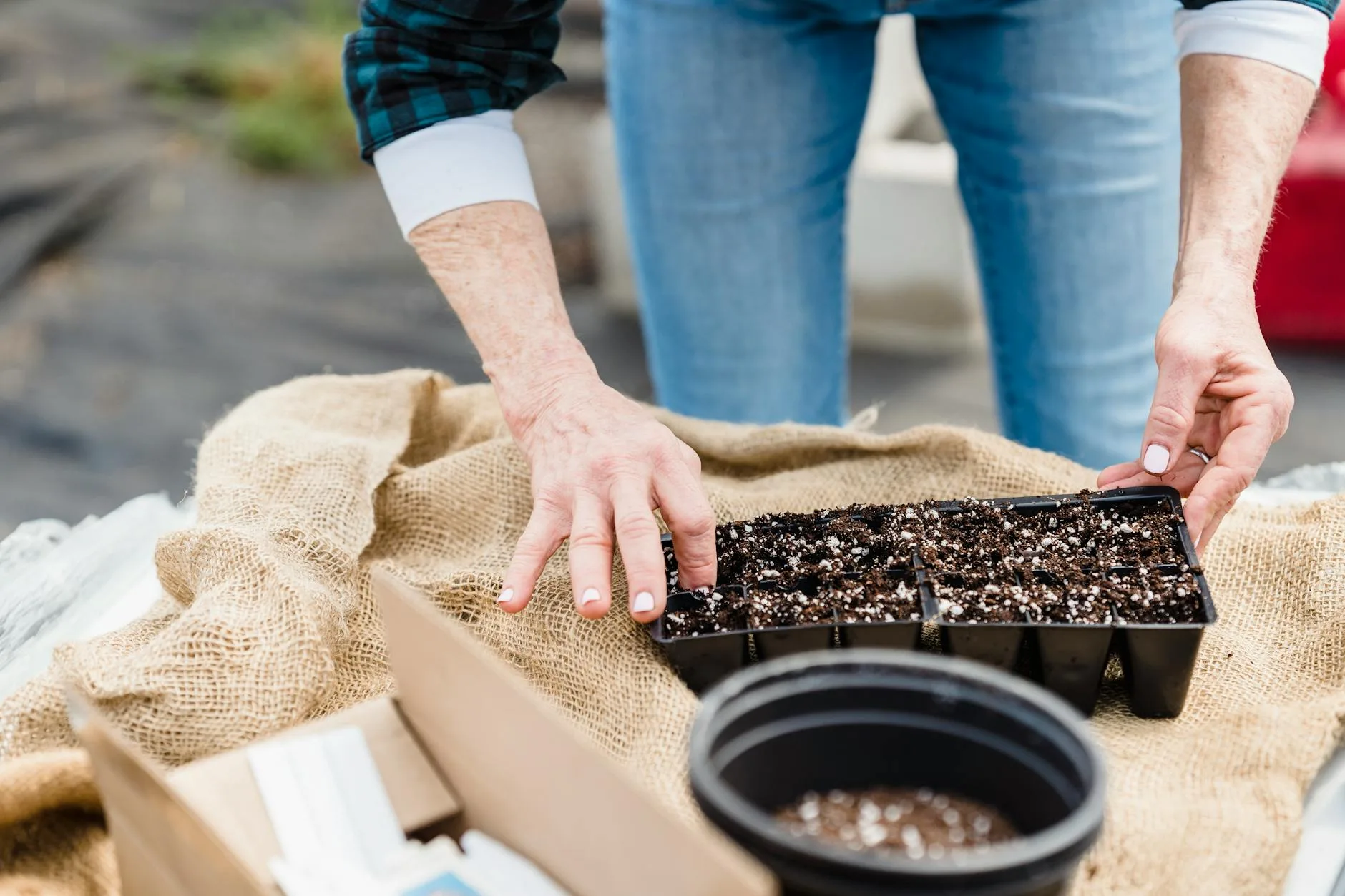
Best Heated Propagator for Windowsill: Stewart Essentials Electric Propagator
Not everyone has a greenhouse. If your seed starting happens on a kitchen windowsill, the Stewart Essentials Electric Propagator at about £18-22 fits the space and does the job. It’s compact (38cm x 24cm — fits a standard windowsill), heated, and the clear lid is tall enough for seedlings to grow a few centimetres before you need to remove it. For independent guidance, check RHS gardening advice.
The heated base runs at a similar wattage to the Garland Super 7 (about 13W) and provides gentle, even warmth that makes a real difference in a draughty kitchen window where night temperatures drop. Tomatoes, peppers, and aubergines — the crops that need warmth to germinate — perform noticeably better in a heated propagator than in an unheated tray on the same windowsill.
It comes with a single full-size tray, and you can buy modular inserts (cell trays, module trays) that sit inside it. My preferred setup is a 24-cell module insert for individual seedlings, swapped for an open tray when sowing fine-seeded crops like lettuce.
Where to buy: Amazon UK (about £20), Wilko (about £18), B&Q (about £22).
Best Premium Propagator: Vitopod Heated Propagator
For growers who raise hundreds of plants each season — and plenty of allotment holders do — the Vitopod is the upgrade that justifies its £70-90 price tag. This is the propagator you see in YouTube growing channels and allotment vlogs, and the hype is earned.
The key feature is the adjustable thermostat. Rather than a fixed temperature boost like the Garland Super 7, the Vitopod lets you dial in a precise temperature from 5°C to 30°C. This matters because different crops want different germination temperatures: peppers and chillies want 25-28°C, while lettuce germinates best at 15-18°C. Being able to set the exact temperature means you can start heat-loving crops early in the season without cooking your cool-season sowings.
The modular height extension means you can raise the lid as seedlings grow, or stack two units. The base is large enough for three standard seed trays, and the heating element is 50W — serious warmth for serious propagation.
If you’re growing for an allotment and want to raise everything from seed rather than buying plug plants, the Vitopod pays for itself in one season. Plug plants cost £2-5 per tray; a packet of seeds costs 99p and fills your entire plot.
Where to buy: Two Wests & Elliott (about £80), Amazon UK (about £85), Harrod Horticultural (about £90).
Best Biodegradable Option: Jiffy Peat-Free Pellets
If you want to skip plastic entirely, Jiffy Peat-Free Pellets are a smart alternative. At about £8-10 for 36 pellets from Amazon UK or garden centres, they’re not the cheapest per-unit option, but they eliminate transplant shock entirely.
Each pellet is a compressed disc of coir (coconut fibre) wrapped in a biodegradable mesh. Add warm water, they swell to 4cm tall, you sow your seed directly into the top, and when the seedling is ready to transplant, you plant the whole pellet — mesh, coir, and all — straight into the ground or pot. The roots grow through the mesh, and the whole thing decomposes.
They work well for crops that hate root disturbance: cucumbers, courgettes, squash, and sweetcorn. The coir holds moisture evenly and the mesh prevents the pellet from falling apart during handling. You’ll need a tray to sit them in — any standard seed tray without drainage holes works as a base.
The peat-free formulation matters if you’re following sustainable composting practices. Peat extraction destroys bog habitats, and most UK garden retailers are phasing out peat-based products. These pellets use coir sourced from coconut processing waste.
Where to buy: Amazon UK (about £9), B&Q (about £10), Dobies (about £8).
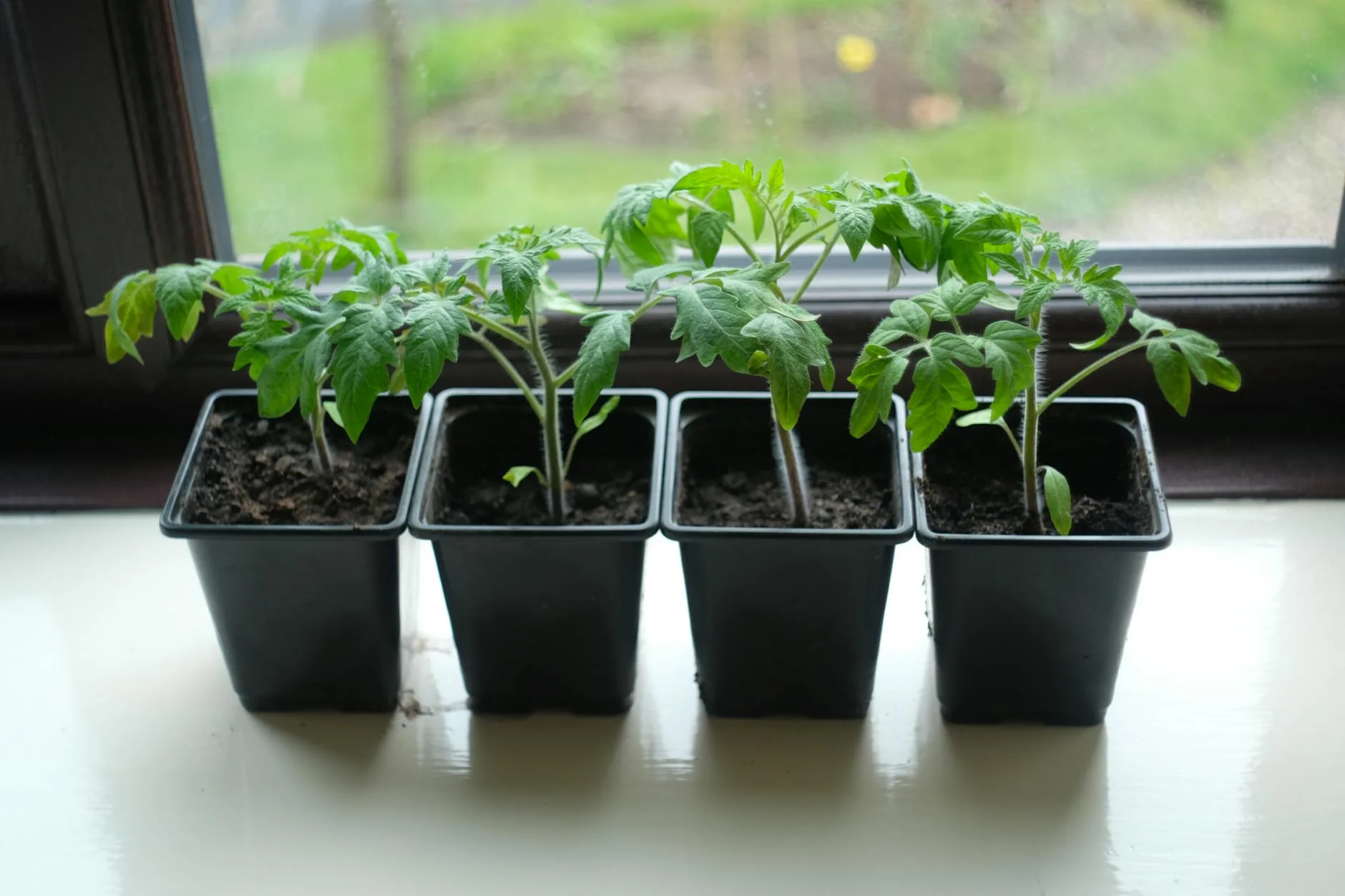
How to Choose the Right Seed Tray and Propagator
What Are You Growing?
Your crops dictate your equipment:
- Tomatoes, peppers, chillies, aubergines — need heat (20-28°C) for germination. A heated propagator is almost essential in UK conditions unless you’re starting in late April.
- Lettuce, spinach, brassicas — germinate at cooler temperatures (10-18°C). An unheated tray on a bright windowsill or in a cold greenhouse is fine.
- Beans, peas, sweetcorn — large seeds that need deep cells. Rootrainers or 9cm pots rather than shallow seed trays.
- Carrots, parsnips, radishes — sow directly outdoors. Don’t waste propagator space on these. Follow a monthly planting calendar to time direct sowings.
Space Constraints
- Windowsill only — Stewart Essentials or a single Garland tray with a clear lid. Space for one or two trays maximum.
- Small greenhouse or cold frame — Garland Super 7 or Vitopod. Room for serious seed starting.
- Large greenhouse — multiple Garland trays on heated benching, or two Vitopod units stacked. At this scale, you’re raising hundreds of plants.
Heated vs Unheated
A heated propagator isn’t always necessary, but it extends your season by 4-6 weeks. Starting tomatoes in February rather than April means fruits ripening in July rather than late August — a big deal in the UK’s short growing season. If you only grow cool-season crops (beginners’ favourites like lettuce, radishes, and beans), you can skip the heated element and save money.
Common Seed Starting Mistakes
Even with good equipment, a few errors kill more seedlings than anything else:
- Sowing too deep — most seeds want to be covered by 1-2 times their own diameter. Tiny seeds like lettuce just press onto the surface. Read the packet.
- Overwatering — the compost should be moist, not soaking. Bottom watering (filling the base tray) is almost always better than watering from above.
- Not ventilating — once seedlings emerge, crack the propagator lid. Stagnant humid air causes damping off faster than anything.
- Keeping the lid on too long — remove it once seedlings have their first true leaves. They need air circulation to develop strong stems.
- Skipping hardening off — plants raised in a warm propagator need 7-10 days of gradual outdoor exposure before planting out. Skip this and they’ll sulk or die.
Frequently Asked Questions
Do I need a heated propagator to start seeds?
Not for everything, no. Cool-season crops like lettuce, spinach, and brassicas germinate fine at room temperature or in an unheated greenhouse. But for heat-loving crops — tomatoes, peppers, chillies, aubergines, cucumbers — a heated propagator makes a dramatic difference to germination speed and success rate in UK conditions. Starting tomatoes without heat in February usually means poor, uneven germination.
How long do plastic seed trays last?
Good quality trays like the Garland Standard last 5-10 seasons with reasonable care. Wash them at the end of each season with a mild disinfectant (diluted Jeyes Fluid works well) to prevent disease carryover. Cheap thin trays from pound shops typically crack after one season and aren’t worth the saving.
What’s the difference between seed trays and module trays?
Seed trays are open trays you scatter or sow seeds into, then prick out individual seedlings into pots once they’re big enough. Module trays (also called cell trays or plug trays) have individual compartments — you sow one or two seeds per cell, and each seedling grows in its own space. Modules reduce root disturbance at transplanting and are better for most crops, but seed trays are useful for fine-seeded crops sown in bulk.
Are peat-free seed composts any good?
Yes — modern peat-free composts have improved enormously. Look for brands like Sylvagrow, Dalefoot, or Melcourt, which are specifically formulated for seed starting. They hold moisture differently from peat, so water little and often rather than drenching. Some growers mix in a handful of perlite or vermiculite to improve drainage. The results are comparable to peat-based composts now, and you’ll find them at B&Q, garden centres, and specialist gardening suppliers.
When should I start seeds in the UK?
It depends on the crop. Peppers and chillies: late January to February. Tomatoes: late February to March. Courgettes and squash: April. Beans and sweetcorn: late April to May. Hardy crops like broad beans and peas can go directly outdoors from November (autumn sowing) or February onwards. A heated propagator lets you start 4-6 weeks earlier than sowing into cold compost.
The Bottom Line
The best seed tray and propagator setup for most UK growers is the Garland Super 7 heated propagator with a set of Garland Standard seed trays and some Rootrainers for beans and transplant-sensitive crops. That’s about £50 total and sets you up for years of seed starting. If you’re working from a windowsill, the Stewart Essentials does the same job in a smaller footprint. And if you’re growing at scale, the Vitopod with its adjustable thermostat takes the guesswork out of propagation entirely.
Start your seeds right and the rest of the growing season falls into place. Skip this step and you’ll spend the summer trying to catch up. The equipment pays for itself the first time you raise a tray of healthy tomato plants instead of buying plug plants at £3 a pop.