You’ve been tipping banana skins, tea bags, and carrot peelings into the kitchen bin for years, vaguely aware that they could be doing something useful instead. Maybe you’ve spotted a compost bin at B&Q and thought about grabbing one, but the whole process feels like it involves science you haven’t signed up for. Greens and browns? Carbon ratios? It sounds like a chemistry GCSE you’d rather forget.
Here’s the thing — composting is far less complicated than the internet makes it look. People have been turning scraps into soil for thousands of years without a thermometer or a spreadsheet. If you can make a cup of tea, you can make compost. It takes a bit of patience and a rough understanding of what goes in, but that’s about it.
This guide covers everything you need to know about how to start composting beginners often overlook: choosing the right bin, knowing what to chuck in (and what to keep out), keeping the pile healthy, and actually using the finished stuff in your garden. Whether you’ve got a quarter-acre allotment or a tiny patio, there’s a composting setup that works for you.
Why Bother Composting?
The practical argument is simple: free soil conditioner. A bag of multipurpose compost from the garden centre costs £5-8, and the good peat-free stuff is more like £8-12. If you’re filling raised beds or topping up borders every spring, that adds up fast.
But there’s more to it than saving a few quid. According to WRAP (the Waste and Resources Action Programme), UK households bin around 6.4 million tonnes of food waste annually. A decent chunk of that — the peelings, cores, eggshells, and coffee grounds — could be composting instead of rotting in landfill, where it produces methane rather than anything useful.
Your garden will notice the difference, too. Homemade compost improves soil structure in a way that bagged products can’t quite match. Clay soils drain better. Sandy soils hold moisture longer. Worms love the stuff, and worms are basically unpaid garden labourers doing aeration and nutrient cycling around the clock.
And if you’re growing your own vegetables, compost is the foundation of healthy, productive soil. There’s a reason allotment veterans guard their compost heaps like they’re made of gold.
Choosing Your Compost Bin
You don’t technically need a bin at all — a pile in the corner of the garden works fine. But a bin keeps things tidier, retains heat better, and stops foxes treating your scraps like a buffet.
Plastic Dalek Bins
The classic council-style compost bin. Dark green or black, about 220-330 litres, shaped like a Dalek. You can pick one up from £20-30, and many local councils sell them at subsidised prices through getcomposting.com.
- Best for: Small to medium gardens, beginners who want something simple
- Downsides: Turning the contents is awkward (you’re basically working from the top and hoping the bottom sorts itself out), and they can be slow — expect 9-12 months for usable compost
Wooden Slatted Bins
A step up in both size and efficiency. You can build one from old pallets for free, or buy a purpose-built one for £50-120. The open-slat design lets air in from the sides, which speeds things along.
- Best for: Bigger gardens, allotments, anyone who generates a lot of garden waste
- Downsides: Takes up more space, and uncovered ones can get waterlogged in a wet British winter
Tumbler Bins
A sealed drum on a frame that you spin to mix the contents. Prices range from £50-150 for a decent one. They’re faster than static bins — you can get compost in 4-8 weeks if conditions are right.
- Best for: People who want results quickly, smaller gardens where neatness matters
- Downsides: Limited capacity (usually 140-200 litres), and you can’t keep adding material once a batch is cooking. You’ll need somewhere to store scraps while the current batch finishes.
Wormeries
Technically vermicomposting rather than traditional composting, but worth mentioning. A wormery uses tiger worms to break down food waste into incredibly rich compost and a liquid feed. Expect to pay £60-100 for a setup, plus the worms (about £15-25 for a starter pack from Wiggly Wigglers or similar).
- Best for: People with no garden — wormeries work on a balcony, patio, or even in a garage
- Downsides: Worms are fussy eaters (no citrus, no onions, no cooked food), and the whole thing needs managing more actively than a bin you occasionally poke with a fork
Hot Bins and Bokashi
If you want to get nerdy, HotBins (around £200) maintain high temperatures that break down cooked food, meat, and even small bones — stuff regular bins can’t handle. Bokashi (£30-50 for a starter kit) uses fermentation rather than decomposition, and works indoors. Both have their fans, but neither is essential for getting started.
My pick for a beginner? A standard plastic bin. Cheap, simple, minimal setup. Get the basics right first. You can always upgrade later once you’re hooked — and you will be.
What Can You Compost?
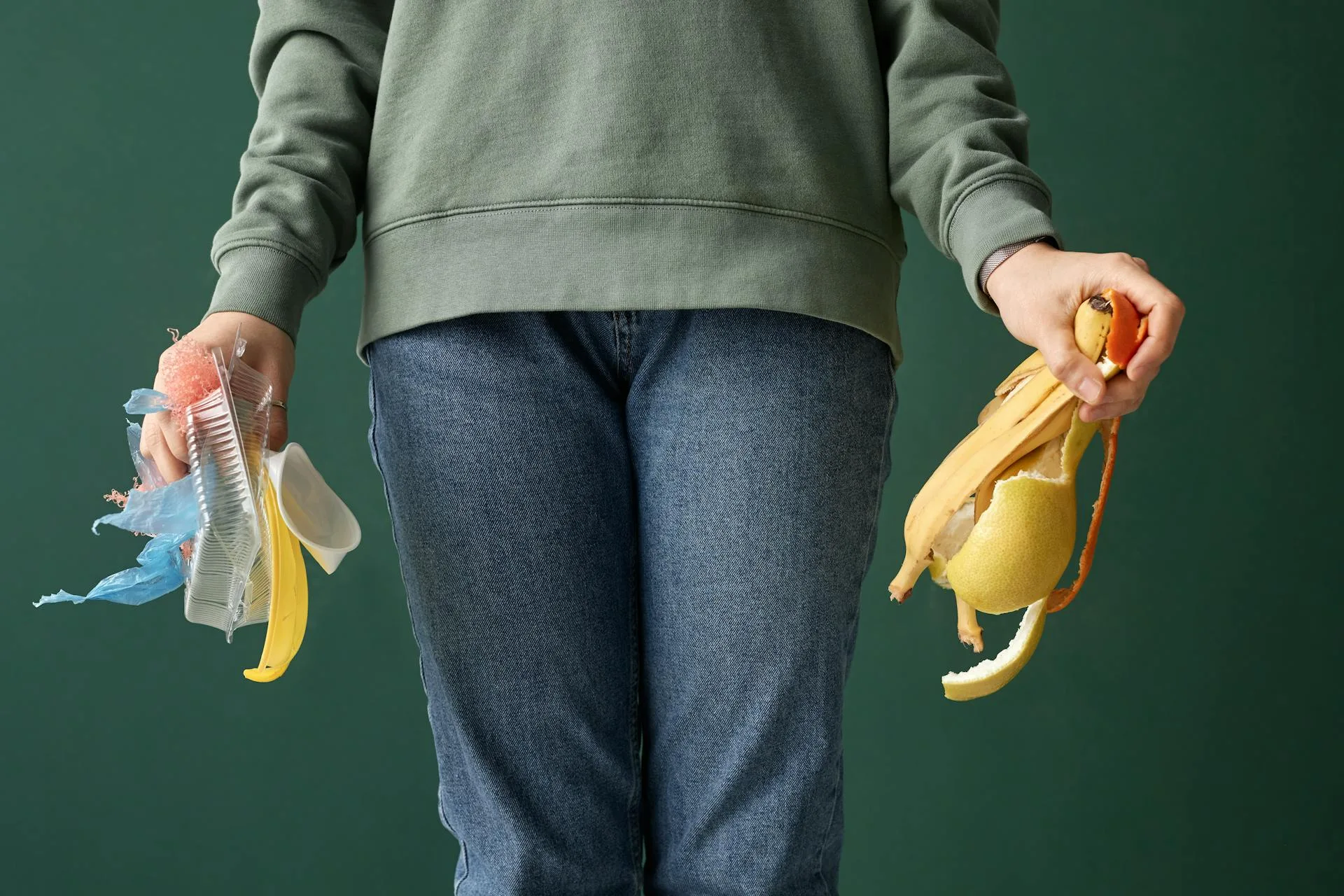
This is where most beginners get tripped up, but the core principle is dead simple: you need a mix of “greens” (nitrogen-rich material) and “browns” (carbon-rich material). Aim for roughly 50/50 by volume, and don’t overthink the ratio. Nature is forgiving.
Greens — The Wet, Squishy Stuff
- Fruit and vegetable peelings — the backbone of most kitchen compost contributions
- Tea bags and coffee grounds — check your tea bags are plastic-free first (most major brands have switched, but own-brand ones from some supermarkets still use polypropylene)
- Grass clippings — in thin layers only, or they’ll turn into a slimy, stinking mat
- Fresh plant trimmings and weeds — pull weeds before they seed, or you’ll be composting trouble
- Cut flowers — past their best from the kitchen table, straight in the bin
Browns — The Dry, Crunchy Stuff
- Cardboard — torn into smallish pieces. Cereal boxes, egg cartons, toilet roll tubes, delivery boxes. Rip off any tape or glossy printed sections first
- Newspaper and plain paper — scrunched up, not flat sheets
- Dried leaves — autumn’s gift to composters. Collect bags of them in November and add through the year
- Small twigs and prunings — anything thicker than a pencil should be shredded or snapped into short lengths
- Straw and hay — if you can get it
- Wood ash — from untreated wood only, in small amounts
What NOT to Compost
- Cooked food, meat, fish, dairy — attracts rats and foxes, and most home bins don’t get hot enough to break these down safely
- Pet waste — dog and cat faeces can carry pathogens. Hard pass
- Diseased plants — club root, blight, anything that looks dodgy. Bin it with the council green waste where it’ll be hot-composted industrially
- Perennial weed roots — bindweed, couch grass, ground elder. These will survive your compost and come back angrier
- Glossy paper, treated wood, coal ash — chemicals you don’t want near your veg
- Citrus peel (in large quantities) — a few lemon skins won’t hurt, but a bag of orange peels can make the heap too acidic and upset the worms
Setting Up Your First Compost Bin
Pick a spot that’s on bare soil if possible — this lets worms and beneficial organisms migrate in from below. A shady or semi-shady spot is fine; full sun can dry things out in summer, though it also helps generate heat. For a related angle, see our Best Bokashi Bins 2026 UK: Kitchen Composting Made Easy guide.
Step by Step
1. Position the bin. Level ground, easy to reach with a wheelbarrow or bucket. Near the kitchen door is ideal for chucking scraps in without it feeling like a chore.
2. Add a base layer. Start with about 10-15 cm of twiggy material — small sticks, woody prunings, scrunched cardboard. This creates airflow underneath and stops the base from turning into a soggy lump.
3. Start layering. Alternate greens and browns as you add material. Don’t dump a bucket of grass clippings in and walk away — break it up with some cardboard or dried leaves.
4. Keep a caddy in the kitchen. A small countertop caddy (£5-15 from Lakeland, Amazon, or even Wilko) saves trips to the garden. Line it with compostable bags or newspaper. Empty it every couple of days before it gets whiffy.
5. Add water if it’s dry, cardboard if it’s wet. The contents should feel like a wrung-out sponge — damp but not dripping. This is the single most useful piece of composting advice you’ll ever get.
Maintaining Your Compost
A compost bin isn’t a “set and forget” affair, but it’s not demanding either. Think of it as a pet that needs feeding and the occasional check-in.
Turning and Aeration
The organisms breaking down your waste need oxygen. In a plastic dalek bin, the easiest approach is to shove a garden fork in and give it a wiggle every few weeks. You don’t need to fully turn the contents — just create some air channels.
If you’ve got a slatted wooden bin, turning is easier. Use a garden fork to lift and flip the top layers every 3-4 weeks. The more you turn, the faster the process — but even lazy composters get results eventually.
Tumbler bins make this trivial. Give it a few spins every time you add material.
Common Problems and Fixes
It smells bad. Too many greens, not enough air. Add scrunched cardboard or dried leaves, and fork it through to introduce oxygen. A healthy compost bin should smell earthy, like a forest floor after rain.
It’s not doing anything. Probably too dry, or too much brown material. Add some nitrogen-rich greens (grass clippings are magic for kickstarting a sluggish heap) and water it if it’s dusty.
It’s full of fruit flies. Bury food scraps under a layer of browns rather than leaving them exposed on top. A piece of damp cardboard laid over the surface works well as a cover.
Rats. If you’re getting rats, you’re probably adding cooked food or meat — stop that immediately. A bin with a solid base helps, and you can line the bottom with wire mesh (hardware cloth from Screwfix or B&Q, about £10 for a roll) before you start filling it.
It’s too wet and slimy. Classic British composting problem. Mix in torn cardboard, newspaper, or dried leaves. If the bin has no lid, get a piece of old carpet or a plastic sheet to keep heavy rain out.
Composting Through the Seasons
British weather makes composting a slightly different game depending on the time of year.
Spring is when things wake up. The heap starts warming as temperatures rise. This is a great time to turn the contents, add any stored autumn leaves, and generally get the bin active again. If you’re planning your allotment planting, spring is when you’ll want last year’s compost ready to go.
Summer brings the most material — grass clippings, kitchen scraps from salads and fruit, spent bedding plants. The heap will be at its most active. Keep an eye on moisture levels; a really hot spell can dry out the top layer. Chuck a watering can over it if it looks parched.
Autumn is harvest time — both for your garden and your compost bin. The bottom of the heap should be dark, crumbly, and earthy-smelling. Empty out what’s ready, set aside what isn’t, and start the cycle again. Stock up on fallen leaves; bag them separately for leaf mould, or add them to the bin as your brown material for the next few months.
Winter slows everything down. Decomposition doesn’t stop, but it crawls. Don’t worry about it. Keep adding scraps, add extra browns since there are fewer grass clippings around, and let the bin tick over until spring. An old carpet or thick cardboard over the top acts as insulation.
How Long Does Composting Take?
Depends on your setup and how much effort you put in. Rough guide:
- Tumbler bin, turned regularly: 4-8 weeks
- Plastic bin, occasionally forked: 6-12 months
- Wooden bin, turned monthly: 4-8 months
- Neglected heap in the corner: 12-24 months (it’ll still happen, just slowly)
Temperature matters. A hot compost heap (55-65°C internally) breaks things down fast and kills weed seeds. Most home bins don’t reach these temperatures consistently, which is why you should avoid adding seeding weeds.
You’ll know it’s ready when it looks like dark, crumbly soil, smells earthy, and you can’t identify any of the original ingredients. The odd twig or eggshell fragment is fine — sieve them out if you want a finer finish, or just dig them in.
Using Your Finished Compost
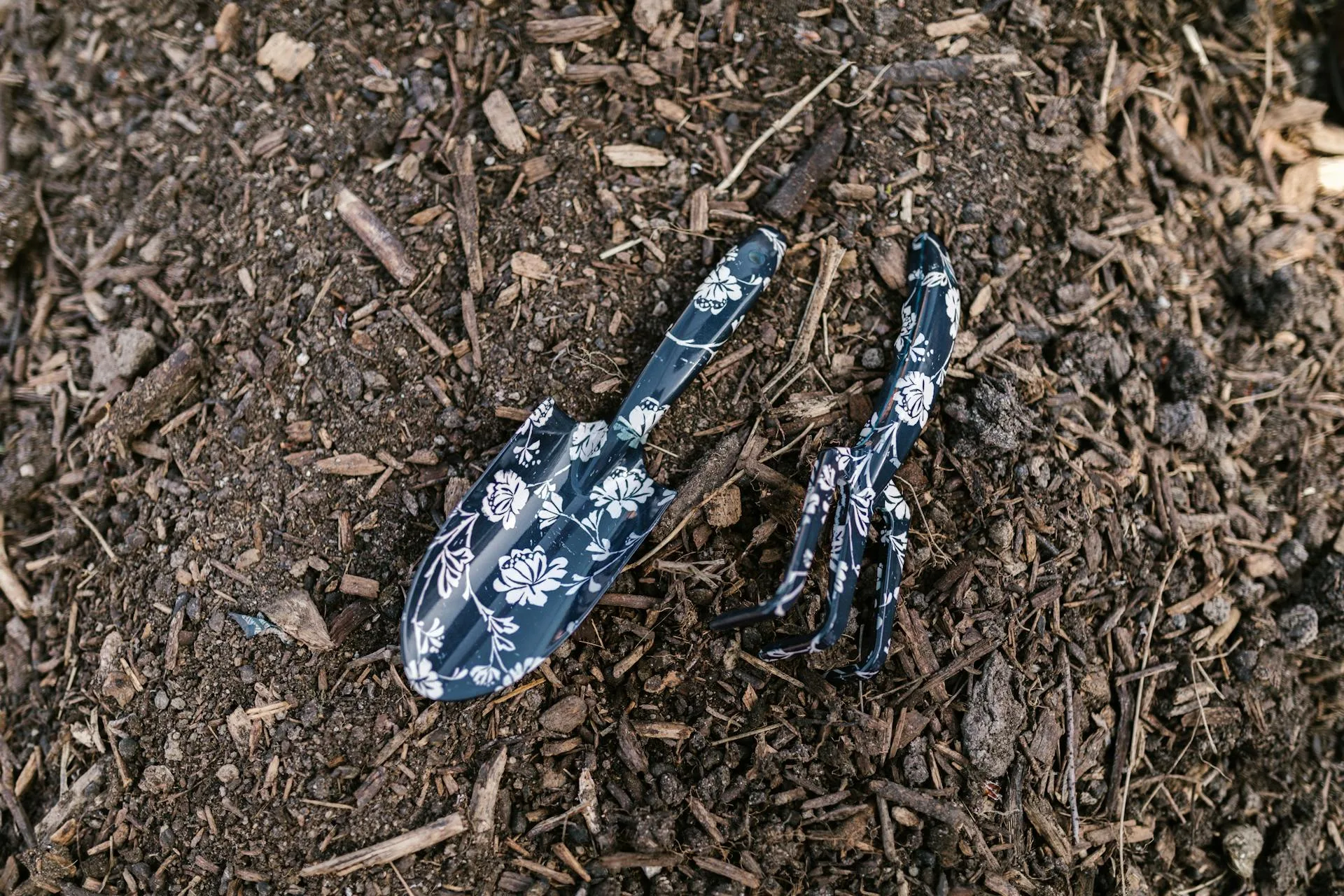
This is the payoff — the reason you’ve been hoarding banana skins for the past six months.
- Mulching borders and beds: Spread a 5-8 cm layer around plants in spring. It suppresses weeds, retains moisture, and feeds the soil as it breaks down further
- Improving soil when planting: Mix compost into the planting hole when putting in new shrubs, trees, or perennials. About one part compost to two parts existing soil works well
- Top-dressing lawns: Sieve it to remove lumps and scatter a thin layer across the lawn in autumn. It improves drainage and feeds the grass
- Potting mix ingredient: Homemade compost on its own is too rich for pots. Mix it 50/50 with perlite or sharp sand for container planting
- Raised bed topping: Add a 5 cm layer to the top of raised beds each spring — the worms will pull it down and incorporate it for you
Don’t use immature compost (still recognisable, smelly, or warm) directly around plants. It’ll rob nitrogen from the soil as it continues decomposing, which is the opposite of what you want.
Composting FAQ
Can I compost in a flat or apartment with no garden? Yes. A wormery or Bokashi bin works well on a balcony, in a utility room, or even under the kitchen sink. Wormeries produce rich compost and liquid feed, while Bokashi ferments food waste (including cooked food and meat) in a sealed bucket. Both are surprisingly odour-free when managed properly.
Do compost bins attract rats? Not if you stick to raw fruit, vegetables, garden waste, and cardboard. Rats are drawn to cooked food, meat, fish, and dairy — keep those out of your bin. Lining the base with wire mesh adds an extra barrier.
Can I compost tea bags? Most tea bags are now plastic-free, but not all. PG Tips, Yorkshire Tea, Clipper, and Pukka all use plant-based materials that compost fully. If you’re unsure about a brand, tear the bag open and add just the tea leaves.
How do I know when compost is ready to use? Finished compost looks like dark, crumbly soil and smells like damp woodland — earthy and pleasant. You shouldn’t be able to recognise any of the original ingredients. If it still looks like food scraps or smells sour, give it more time.
Is composting worth it for a small garden? Even a compact plastic bin produces 40-80 litres of compost a year. That’s enough to mulch a few borders or top up containers. You’re also keeping kitchen waste out of landfill, which is reason enough on its own.
Getting Started Today
You don’t need to buy anything fancy. You don’t need to read a book about carbon-to-nitrogen ratios. You need a bin (or a corner of the garden), some scraps, some cardboard, and about ten minutes.
Start throwing in your peelings tonight. Layer them with torn-up cereal boxes. Give it a poke with a fork once a month. In six months, you’ll have a pile of dark, crumbly, earthy-smelling stuff that your plants will love — and you’ll wonder why you didn’t start years ago.
Frequently Asked Questions
My pick for a beginner? A standard plastic bin. Cheap, simple, minimal setup. Get the basics right first. You can always upgrade later once you’re hooked — and you will be. What Can You Compost? This is where most beginners get tripped up, but the core principle is dead simple: you need a mix of “greens” (nitrogen-rich material) and “browns” (carbon-rich material). Aim for roughly 50/50 by volume, and don’t overthink the ratio. Nature is forgiving. Greens — The Wet, Squishy Stuff Fruit and vegetable peelings — the back
Can I compost in a flat or apartment with no garden? Yes. A wormery or Bokashi bin works well on a balcony, in a utility room, or even under the kitchen sink. Wormeries produce rich compost and liquid feed, while Bokashi ferments food waste (including cooked food and meat) in a sealed bucket. Both are surprisingly odour-free when managed properly.
Do compost bins attract rats? Not if you stick to raw fruit, vegetables, garden waste, and cardboard. Rats are drawn to cooked food, meat, fish, and dairy — keep those out of your bin. Lining the base with wire mesh adds an extra barrier.
What should I check first with How to Start Composting: A Beginner’s Guide? Start with the real use case, then check size, compatibility, running costs and maintenance. A product that looks good on paper can still be the wrong fit if it does not suit the room, routine or budget.
How do I avoid wasting money on How to Start Composting: A Beginner’s Guide? Avoid buying on one headline feature alone. Compare the practical details, read the warranty or returns terms, and choose the option that solves your main problem rather than the one with the longest specification list.