There’s a banana peel on your kitchen counter, last night’s vegetable peelings in the colander, and the compost bin at the bottom of the garden might as well be in another postcode for how often you actually walk down there. Especially in January. In the rain. In your slippers.
A bokashi bin sits under your kitchen sink, handles virtually all food waste including cooked food and meat, doesn’t smell, and produces compost in a fraction of the time. The best bokashi bin for most UK kitchens is the Maze 18L Bokashi Bin — it’s well-made, affordable at about £25-30, and does everything you need without the faff of more expensive systems.
Quick Answer: The Maze 18L Bokashi Bin is the best bokashi bin for most UK kitchens because it is affordable, widely available and big enough for normal household food waste. Buy two bins if you can, because one bin needs to sit sealed while the other is being filled. Small flats should look at the Skaza Bokashi Organko 2; budget buyers can use a generic 15L kit as long as the lid seals tightly and the tap does not leak.
In This Article
- What Is Bokashi and How Does It Work?
- Best Overall: Maze 18L Bokashi Bin
- Why You Want Two Bins
- Best for Small Kitchens: Skaza Bokashi Organko 2
- Best Premium: Bokashi Living Kit
- Best Budget: Any Generic 15L Bokashi Bin
- Bokashi Bran: What to Buy and How Much You Need
- What to Do With the Fermented Waste
- Frequently Asked Questions
- The Bottom Line
Here’s how bokashi works, which bins are worth buying, and which ones to skip.
What Is Bokashi and How Does It Work?
Bokashi is a Japanese fermentation process that breaks down food waste anaerobically — without oxygen. The RHS bokashi guidance describes it as fermenting food waste with inoculated bran before the material is buried or added to compost. You layer food scraps with bokashi bran (wheat bran inoculated with beneficial microorganisms), press it down, seal the lid, and let the microbes do their thing. After about two weeks, the fermented waste goes into your compost bin, raised bed, or a trench in the garden where it finishes decomposing in another 2-4 weeks.
Why it’s different from traditional composting:
- Handles everything — cooked food, meat, fish, dairy, citrus, onion. Traditional compost bins can’t deal with most of these without attracting rats
- No smell — or rather, a faint pickled smell when you open the lid, nothing rotting. Your kitchen stays pleasant
- Speed — from kitchen scrap to usable compost in about 4-6 weeks total, compared to 6-12 months for a traditional heap
- Indoor-friendly — the sealed system means no flies, no maggots, no unpleasant odours
- Produces liquid fertiliser — the tap at the bottom drains nutrient-rich “bokashi tea” that you dilute and feed to plants
What it won’t do:
- Replace a compost bin entirely — the fermented waste still needs to break down in soil or a traditional composter
- Work without bokashi bran — you need a continuous supply of the inoculated bran, which costs about £5-10 per kg
- Handle large volumes — most bins are 15-20 litres, which is enough for a family but won’t cope with garden waste
If you’re setting up composting from scratch, our beginner’s guide to starting composting covers all the basics.
Best Overall: Maze 18L Bokashi Bin
The Maze is an Australian brand that’s become the default recommendation in UK gardening circles. The 18L bin is simple, effective, and priced sensibly — and it does the job without fuss.
What makes it the top pick:
- 18-litre capacity — large enough for a family of four’s food waste over 10-14 days
- Sturdy construction — thick recycled plastic that doesn’t flex or crack
- Proper drainage tap — easy to use, doesn’t drip, positioned well above the base
- Airtight seal — the lid has a rubber gasket that keeps oxygen out reliably
- Internal press plate — squashes waste down and helps expel air pockets
The negatives:
- The included press plate is a bit flimsy — works fine but feels like it could be sturdier
- Available mainly through Amazon UK or specialist garden retailers — not something you’ll find in B&Q
- Doesn’t come with bran (some retailers bundle it, most don’t)
Price: About £25-30 for a single bin, or £45-55 for a twin pack (which you’ll want — more on this below).
Why You Want Two Bins
This is the thing most first-time bokashi users don’t realise until it’s too late. When your bin is full, it needs to sit sealed for 14 days while the fermentation completes. During those two weeks, you still produce food waste. Without a second bin, you’re back to tossing scraps in the regular bin or making cold trips to the garden compost.
The two-bin system:
- Fill bin one → seal and wait 14 days → empty into garden
- While bin one ferments, fill bin two
- Rotate continuously
Most brands sell twin packs for this reason. The Maze twin pack is about £45-55 — worth the extra investment from day one rather than buying a second bin later when you realise you need it. For a related angle, see our Best Compost Bins 2026 UK: Tumbler, Wooden & Hot Bins guide.

Best for Small Kitchens: Skaza Bokashi Organko 2
If your kitchen is the kind where opening the oven door blocks the doorway, you need the smallest possible bin. The Skaza Organko 2 from a Slovenian eco-company is compact, well-designed, and available in colours that don’t scream “compost bin.”
Why it works for tight spaces:
- 9.6-litre capacity — really small, fits under most sinks or on a narrow counter
- Sleek design — curved sides, multiple colour options (grey, olive, plum, cream)
- Measuring cup included — for dispensing the right amount of bran per layer
- Made from recycled plastic — 97% recycled materials
The trade-offs:
- Small capacity means more frequent emptying — every 7-10 days for a couple, faster for a family
- The tap can be fiddly on this smaller model — draining the bokashi tea requires patience
- More expensive per litre than the Maze: about £30-35 for a single, £55-60 for the twin pack
Price: About £30-35 from Amazon UK or direct from Skaza.
Best Premium: Bokashi Living Kit
If you want the most polished bokashi experience and don’t mind paying for it, the Bokashi Living kit is the premium option in the UK market.
What the premium gets you:
- Two 19-litre bins included — no need to buy a second separately
- High-quality bran included — 1kg bag to get you started
- Stainless steel inner sieve — instead of a plastic press plate
- Detailed instruction booklet — actually helpful, not the usual throwaway leaflet
- UK-based customer support — responsive and knowledgeable
Is it worth the premium?
- The bins themselves aren’t noticeably different from the Maze in function
- The stainless steel sieve is a nice touch but not essential
- The included bran saves you an initial purchase
- Customer support is a genuine differentiator if you’re new to bokashi
Price: About £60-75 for the complete two-bin kit.
For dealing with compost issues like slow decomposition, our troubleshooting guide has practical solutions.
Best Budget: Any Generic 15L Bokashi Bin
Here’s the thing about bokashi bins: they’re not complicated technology. It’s a sealed bucket with a tap and a press plate. The fermentation is done by the bran, not the bin. You can spend £60 on a premium kit, or you can buy a generic 15L bokashi bin from Amazon for £15-20 and get identical results. Our Best Leaf Mould Bins and Cages 2026 UK guide is useful alongside this.
What to look for in a budget bin:
- Airtight lid — the most important feature. If the seal isn’t tight, the anaerobic process fails and you get rot instead of fermentation
- Drainage tap — essential for removing bokashi tea. Without it, the liquid pools and the process goes wrong
- Food-safe plastic — avoid bins that smell strongly of plastic chemicals
- Press plate or strainer — keeps waste compressed and separated from the liquid
What to avoid:
- Bins without taps (they exist, and they’re terrible)
- Bins with loose-fitting lids
- Anything described as a “compost bucket” that’s just a bucket — it needs to be an anaerobic system
Price: About £15-20 from Amazon UK.
Bokashi Bran: What to Buy and How Much You Need
The bran is the engine of the system. Without it, you’re just putting food waste in a bucket.
Best bran options in the UK:
- Wiggly Wigglers Bokashi Bran — about £8 per kg, widely regarded as the best UK-made bran. Available from wiggywigglers.co.uk
- All Things Bokashi — about £7 per kg, good quality, available on Amazon
- Maze Bokashi Bran — about £6-8 per kg, works well with any bin
How much you need:
- A generous sprinkle (about a tablespoon) per layer of food waste
- A typical family gets through about 1kg of bran per month
- Annual cost: approximately £70-100 per year on bran
- Store bran in a sealed container away from moisture — it lasts about 12 months
Can you make your own bran?
Yes, using wheat bran, molasses, water, and EM-1 liquid (effective microorganisms). It’s fiddly, takes about two weeks, and the savings are modest unless you’re processing large volumes. For most people, buying pre-made bran is simpler and more reliable.
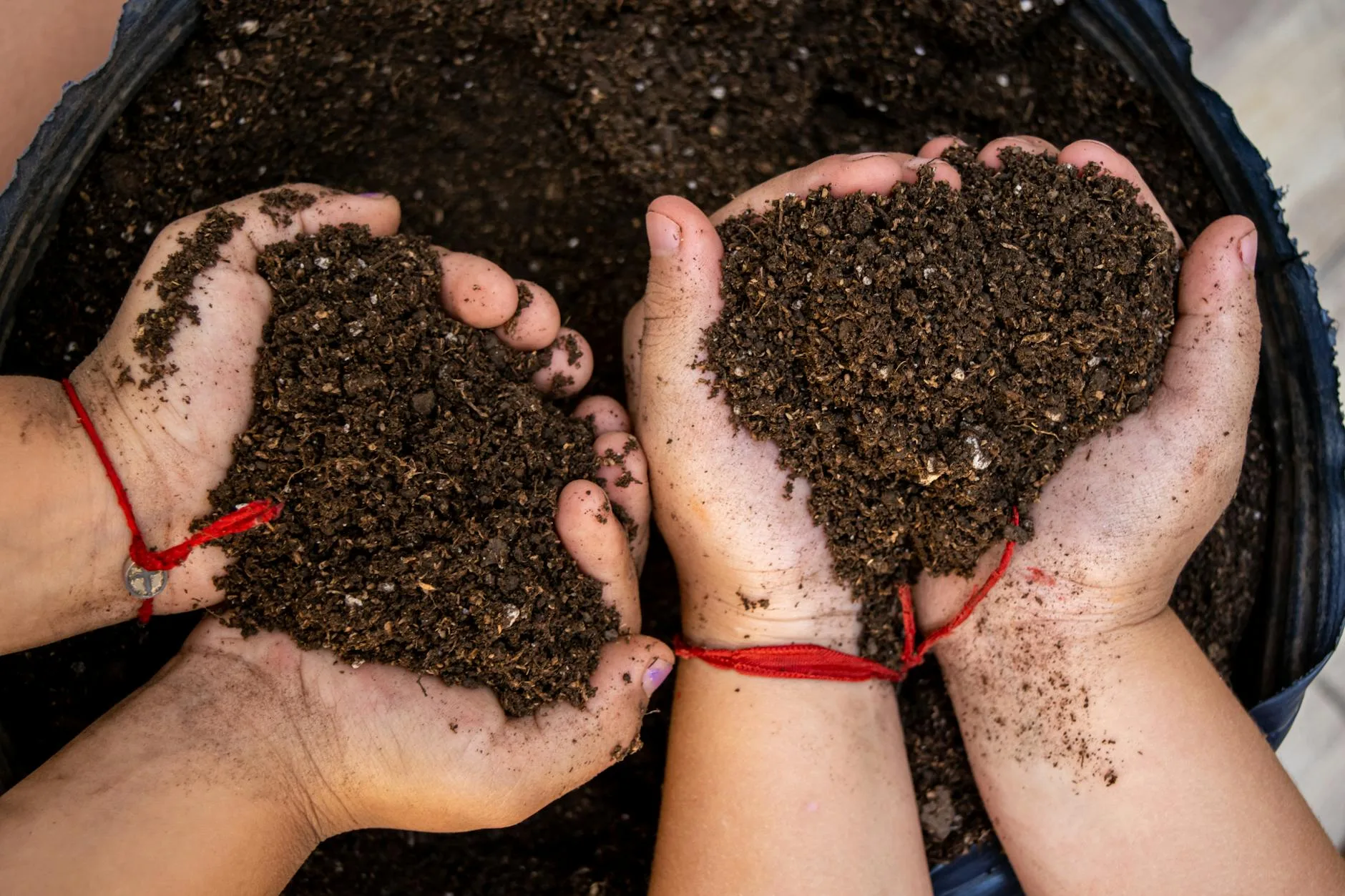
What to Do With the Fermented Waste
This is where new bokashi users get confused. The fermented waste doesn’t look like compost — it still looks like food, just pickled. It needs further decomposition before it’s usable.
Three options:
- Bury in the garden — dig a trench or hole about 20-30cm deep, tip in the fermented waste, cover with soil. It breaks down completely in 2-4 weeks. Earthworms love it
- Add to your compost bin — the fermented waste kickstarts a traditional compost heap and breaks down much faster than raw food waste would
- Add to raised beds — bury between rows or in a fallow bed. Our guide to raised beds for beginners explains how to set up beds for this
The bokashi tea:
- Drain from the tap every 2-3 days
- Dilute 1:100 with water for feeding plants (it’s strong — too concentrated and it’ll burn roots)
- Use undiluted to clean drains — the beneficial bacteria help break down pipe gunk
- Don’t store it — use within 24 hours or it loses potency
Before buying, think about where the bokashi bin will live and how often you will empty it. The system works best when the container is properly airtight, easy to drain every few days and small enough to fit under the sink or in a utility room. If carrying fermented waste to a trench or compost heap sounds like a chore, a twin-bin setup is usually worth it so one bin can ferment while the other is in use.
Bokashi turns kitchen scraps into pre-compost, but you still need to move finished compost, soil and mulch around the garden. Our guide to choosing a wheelbarrow covers capacity, wheels and storage.
Frequently Asked Questions
Does bokashi composting smell? When the bin is sealed, no. When you open the lid, there’s a faint sweet-sour pickled smell — like vinegar or fermented vegetables. It shouldn’t smell rotten. If it does, something has gone wrong: usually the lid wasn’t sealed properly or not enough bran was used.
Can I put meat and dairy in a bokashi bin? Yes, this is one of the main advantages of bokashi over traditional composting. Cooked food, meat, fish, dairy, and bones all go in. The anaerobic fermentation process handles them without attracting rats or producing the smells that make these materials problematic in open compost heaps.
How long does the bokashi process take from start to finish? About 4-6 weeks total. You fill the bin over 10-14 days, then leave it sealed for 14 days to ferment. The fermented waste then takes another 2-4 weeks to break down fully once buried in soil or added to a compost bin.
Is bokashi composting worth it for a small flat with no garden? Partially. The fermentation stage works perfectly indoors. The challenge is what to do with the fermented waste afterwards, since you need soil to finish the process. Options include community garden composting schemes, allotment drop-off, or large indoor planters. Some councils accept bokashi pre-compost in green waste bins — check with your local authority.
How much does bokashi bran cost per year? For a typical family producing moderate food waste, expect to use about 1kg of bran per month. At £6-8 per kg, that’s roughly £70-100 per year. You can reduce this by making your own bran using wheat bran, molasses, and EM-1 liquid, though the process takes about two weeks.
The Bottom Line
Bokashi composting is the easiest way to handle food waste if you live in a UK home — flat, terrace, semi-detached, whatever. The Maze 18L twin pack at about £45-55 is the best value way to get started: two bins give you continuous rotation, and the build quality is solid enough to last years. If you’ve got a tiny kitchen, the Skaza Organko 2 fits where others can’t. And if you just want the cheapest option that works, a generic £15-20 bin with good reviews will do the job — the magic is in the bran, not the bucket.
Whatever bin you choose, the biggest benefit isn’t the compost — it’s reducing your general waste bin by up to 30%. Less rubbish, less smell, and the satisfaction of turning kitchen scraps into something your garden actually wants.