You planted out your courgette seedlings on a warm April afternoon, felt proud of your early start, and woke to find them black and wilted after an overnight frost. April in the UK is a trap — warm days followed by freezing nights, and one unprotected night can destroy weeks of careful growing.
Garden fleece and cloches exist to solve this exact problem. They create a microclimate around your plants, raising the temperature by 2-5°C and shielding tender growth from frost, wind, and cold rain. We’ve used them every spring for four years now, and the difference between protected and unprotected seedlings is night and day — literally.
In This Article
- Why Spring Protection Matters in the UK
- Garden Fleece Explained
- Cloches Explained
- Fleece vs Cloches: Which to Use When
- How to Use Garden Fleece Properly
- Types of Cloche and What They Suit
- What to Protect and When
- Cold Frames: The Permanent Solution
- Common Mistakes with Frost Protection
- Best Products for UK Gardeners
- Storing and Reusing Fleece and Cloches
- Frequently Asked Questions
Why Spring Protection Matters in the UK
The UK Frost Calendar
The last frost date varies enormously across the UK:
- Southern England: Mid-April to early May
- Midlands and Wales: Late April to mid-May
- Northern England: Early to mid-May
- Scotland: Mid-May to early June
- Highland Scotland: Late May to mid-June
These are averages. Late frosts can hit southern England in May and Scotland well into June. The Met Office records show at least one May frost somewhere in England in most years.
What Frost Does to Plants
Frost forms ice crystals inside plant cells. As the ice expands, it ruptures cell walls. When the plant thaws, the damaged cells collapse — that’s the black, wilted tissue you see the next morning. Young seedlings, tender crops (tomatoes, courgettes, beans, peppers), and new growth on established plants are most vulnerable.
The Cost of Not Protecting
Replacing frost-killed seedlings costs money and time. A tray of tomato plants from the garden centre is £3-5. Restarting from seed means losing 4-6 weeks of growing time. A roll of garden fleece costs £5-10 and protects hundreds of plants for multiple seasons. The maths is obvious.
Garden Fleece Explained
What It Is
Garden fleece (also called horticultural fleece) is a lightweight, non-woven polypropylene fabric. It lets light, air, and rain through while trapping a layer of warm air against the plant. Think of it as a duvet for your vegetables.
How Much Protection Does It Give?
Standard garden fleece (17-30g/m²) provides 2-4°C of frost protection. That’s enough to keep plants safe through a typical late spring frost of -1°C to -3°C. Heavier fleece (50g/m²) gives 4-6°C protection but lets less light through.
Weights and Uses
- 17g/m² (lightweight): Maximum light transmission (~85%). Good for covering crops that need full sun. Provides about 2°C frost protection
- 30g/m² (standard): The most popular weight. Balances protection (3-4°C) with light transmission (~75%). Good for most spring protection
- 50g/m² (heavy): Maximum frost protection (5-6°C) but only ~60% light transmission. Best for late autumn and early winter protection, or severe frosts
Cost
A 1.5m × 10m roll of 30g/m² fleece costs about £5-8 from B&Q, Wickes, or Amazon UK. It’s one of the cheapest gardening investments you can make.
Cloches Explained
What They Are
A cloche is a transparent cover placed over individual plants or short rows. Traditional cloches were glass bell jars — the French word “cloche” means bell. Modern versions are plastic, polycarbonate, or polythene tunnels that achieve the same greenhouse effect on a small scale.
How They Work
Cloches trap solar heat during the day, raising the air and soil temperature around the plant. At night, they slow heat loss, keeping the enclosed space 3-8°C warmer than the surrounding air. The transparent material lets sunlight through for photosynthesis while blocking wind and rain.
Types Overview
- Individual bell cloches: Cover single plants. About £2-5 each
- Tunnel cloches: Long, semi-circular structures covering a row. About £10-25 for a 3m section
- Lantern cloches: Decorative glass structures. About £15-30 each — more ornamental than practical
- DIY plastic bottle cloches: Free. Cut the bottom off a 2-litre bottle and place over a seedling. Surprisingly effective
Fleece vs Cloches: Which to Use When
Use Fleece When
- Covering large areas — drape over an entire bed of seedlings in seconds
- Protecting established plants — older plants that just need a frost blanket overnight
- Budget is tight — fleece is cheaper per square metre than any cloche
- You need to water easily — rain passes through fleece, so you don’t need to remove it for watering
- Wind protection — fleece reduces wind speed around young plants by 30-50%
Use Cloches When
- You need maximum warmth — cloches create a stronger greenhouse effect than fleece
- Warming soil before planting — place cloches on empty soil 2 weeks before sowing to warm it up
- Protecting individual plants — a single cloche over a newly planted tomato is easier than draping fleece
- You want something reusable and rigid — polycarbonate cloches last years
- Pest protection too — solid cloches keep slugs, pigeons, and carrot fly off young plants
Use Both Together
For maximum protection, drape fleece over plants and then place a cloche on top. The fleece provides an extra insulating layer inside the cloche. This double protection handles frosts down to -5°C or colder.
How to Use Garden Fleece Properly
Laying It Right
- Wait until evening when frost is forecast, or leave it on permanently during the risk period
- Drape the fleece loosely over the plants — don’t pull it tight against the foliage, as frost can still damage leaves touching the fleece
- Secure the edges with bricks, stones, pegs, or soil. Wind will lift unsecured fleece, exposing plants at the worst possible time
- Leave enough slack for plants to grow upward. You’ll need to re-drape as seedlings get taller
Common Securing Methods
- Bricks or stones along edges — simple, effective, free
- Landscape pegs (about £3-5 for a pack of 50) — push through the fleece into soil. Tidier than bricks
- Burying the edges in soil — most secure method, especially on windy sites
- Clips on hoops — for a semi-permanent tunnel setup, stretch fleece over wire hoops and clip it
When to Remove
Remove fleece during warm days (above 15°C) to allow ventilation and pollinator access. Plants under permanent fleece can overheat, develop fungal problems, and miss pollination. The ideal routine: fleece on at dusk, off in the morning when temperatures rise. For a related angle, see our Best Fleece and Cloches 2026 UK: Frost Protection guide.
If frost risk is high for several consecutive nights, you can leave it on 24/7for short periods — the light transmission is sufficient for growth, though plants may become slightly leggy.
Types of Cloche and What They Suit
Bell Cloches
Glass or plastic domes placed over individual plants. Victorian gardeners used hand-blown glass bells; modern equivalents are cheaper plastic.
- Best for: Single tomato plants, pepper plants, courgettes after transplanting
- Ventilation: Lift or prop open on warm days. Glass cloches can overheat quickly in direct sun
- Cost: £2-5 each for plastic; £10-20 for glass
Tunnel Cloches
Semi-circular hoops with a polythene or fleece cover stretched over a row of plants. The most practical option for vegetable beds.
- Best for: Rows of carrots, lettuce, beetroot, peas, beans
- Ventilation: Open the ends on warm days for airflow
- Cost: £10-25 for a 3m section. DIY versions using wire hoops and polythene are cheaper
Victorian/Lantern Cloches
Decorative metal-and-glass structures that look beautiful in a garden but cost more than functional alternatives. Worth it if aesthetics matter to you.
- Best for: Ornamental kitchen gardens, single specimen plants
- Cost: £15-30 each
DIY Cloches
The most cost-effective option:
- Plastic bottles: Cut the bottom off 2-litre bottles. Remove the cap during the day for ventilation, replace at night
- Old windows or glass panes: Lean against a brick to create a mini cold frame
- Fleece over wire hoops: Bend garden wire into arches, push into soil, drape fleece over the top
What to Protect and When
March-April: Seedlings and Early Sowings
- Protect: Directly sown carrots, peas, broad beans, lettuce, spinach, beetroot
- Method: Fleece over the bed or tunnel cloches
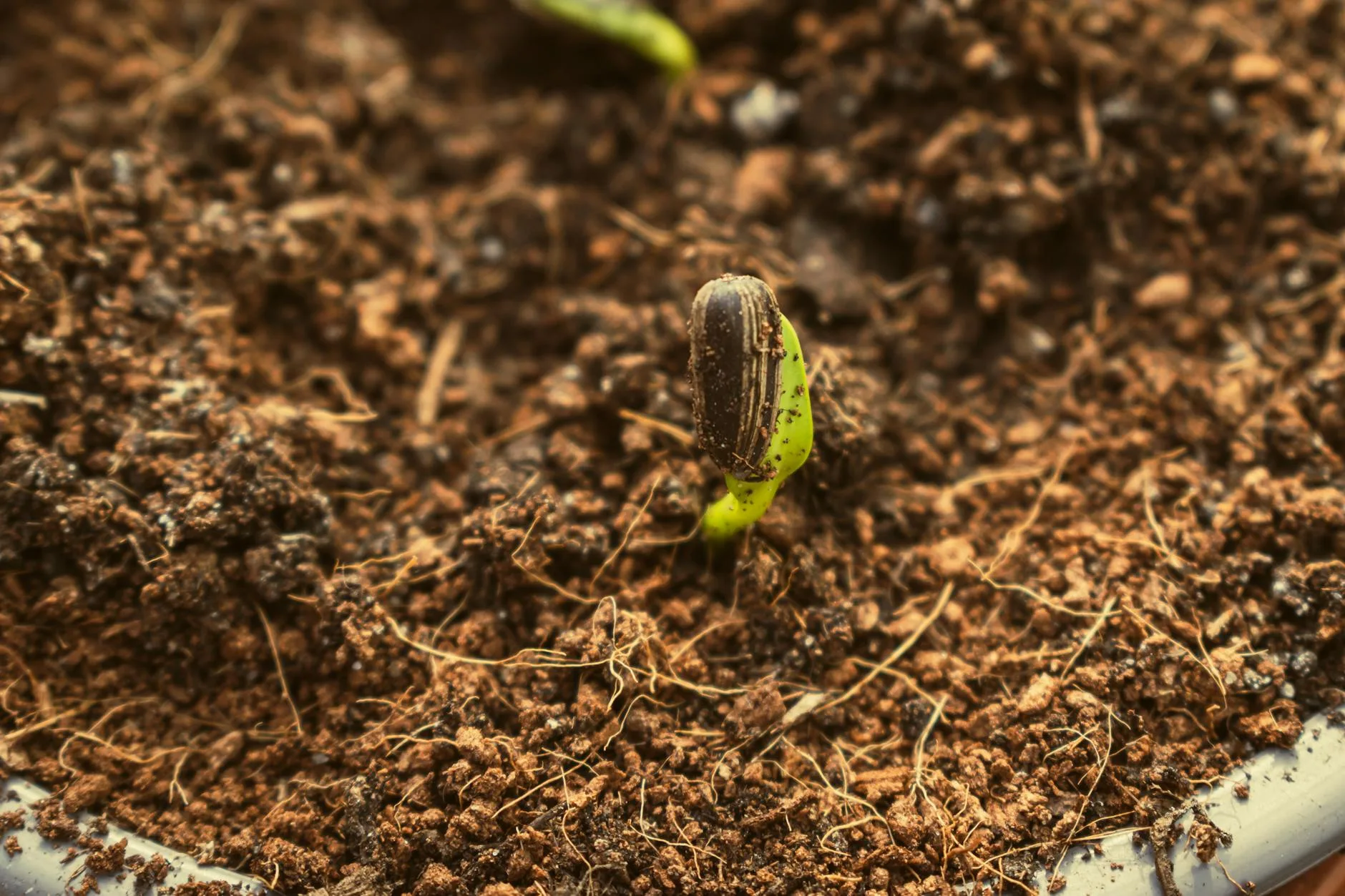
- Why: Germination temperatures are borderline. Fleece raises soil temperature by 2-3°C, improving germination rates
April-May: Transplanted Tender Crops
- Protect: Tomatoes, courgettes, cucumbers, peppers, French beans, runner beans
- Method: Individual cloches or fleece overnight
- Why: These are frost-tender. One night below 0°C kills them. Wait until after your last frost date or protect every night until risk passes
May-June: Hardening Off
Young plants grown indoors need gradual exposure to outdoor conditions. Place them outside during the day under fleece, bring inside at night. After 7-10 days, they’re acclimatised and can go out permanently.
For guidance on timing your plantings and what to grow when, our vegetable garden starter guide covers month-by-month planning.
Autumn: Extending the Season
Fleece and cloches work in reverse too — protecting late crops from early autumn frosts. Covering late tomatoes, beans, and courgettes in September and October can extend your harvest by 3-4 weeks.
The RHS recommends fleece as one of the simplest and most effective ways to protect plants from frost damage in British gardens.
Cold Frames: The Permanent Solution
What They Are
A cold frame is a bottomless box with a transparent lid (usually glass or polycarbonate) that sits on the ground. It’s essentially a mini greenhouse — the walls insulate and the lid traps solar heat. Our Garden Netting Guide: Protecting Crops from Pests and Birds guide is useful alongside this.
When a Cold Frame Makes Sense
- You harden off seedlings every spring
- You grow winter salads (lettuce, rocket, lamb’s lettuce)
- You want to start seeds earlier in the year without a heated greenhouse
- You overwinter tender perennials (pelargoniums, fuchsias)
What to Spend
- Budget: Wooden cold frame from B&Q or Wickes, about £30-50
- Mid-range: Aluminium and polycarbonate frame, about £50-80
- DIY: An old window on top of a brick or timber frame. Free if you have the materials
Placement
Face the cold frame south for maximum sunlight. Lean the lid at a slight angle so rain runs off and sunlight enters at the optimal angle. Place against a south-facing wall for extra reflected warmth.
Common Mistakes with Frost Protection
Putting Fleece on Too Late
Frost damage happens in the small hours of the morning, not at midnight. If you wait until you “feel cold” to put fleece on, the frost has already formed. Cover plants before dusk when frost is forecast.
Not Securing Edges
Wind lifts fleece at 2am and your plants freeze anyway. Always weight or peg the edges. This is the single most common mistake — we’ve made it twice and lost seedlings both times.
Leaving Cloches On Too Long
Cloches that stay on in warm weather create a steam bath. Temperatures inside a sealed cloche on a sunny spring day can exceed 30°C — hot enough to cook your seedlings. Ventilate or remove on warm days. We cover a similar decision in No-Dig Gardening: How It Works and Why It’s Popular.
Using Fleece That’s Too Heavy
50g/m² fleece blocks too much light for permanent cover. Use 17-30g/m² for spring protection where light is important. Save the heavy stuff for overnight frost emergencies.
Forgetting Ventilation
Sealed environments breed fungal diseases — damping off, botrytis, and mildew thrive in still, humid air. Always leave some airflow, even if it means losing a degree of frost protection.
Best Products for UK Gardeners
Best Fleece: Garden Fleece 30g/m² by GardenDirect
About £6-8 for a 1.5m × 10m roll from Amazon UK or garden centres. The standard weight that balances protection and light. Lasts 2-3 seasons if handled carefully.
Best Tunnel Cloche: Haxnicks Easy Tunnel
About £15-20 for a 3m tunnel from garden centres or Amazon UK. Pre-formed polycarbonate panels slot together without tools. Opens from both ends for ventilation. Sturdy in wind and reusable year after year.
Best Bell Cloche: Haxnicks Victorian Bell Cloche (pack of 3)
About £8-12 from garden centres. Rigid polycarbonate, ventilation hole at the top, and a wide base that stays put in wind. Functional and reasonably attractive.
Best Budget: Plastic Bottles
Free. Cut the bottom off a 2-litre fizzy drink bottle. One bottle per seedling. Remove caps during the day. Replace when they get cloudy (UV degrades the plastic after one season). As effective as anything you can buy for individual plant protection.
Best Cold Frame: Palram Hybrid Cold Frame
About £50-70 from B&Q or Amazon UK. Polycarbonate panels in an aluminium frame. Lightweight, durable, and easy to open for ventilation. Fits four seed trays or a row of hardening-off pots.
Storing and Reusing Fleece and Cloches
Fleece Storage
Fold dry fleece loosely and store in a dry shed or garage. Don’t stuff it into a bag — compression damages the fibres and reduces effectiveness. Most fleece lasts 2-3 seasons before UV degradation makes it brittle. Heavyweight fleece (50g/m²) lasts longer because it’s thicker.
Cloche Storage
Stack rigid cloches inside each other for compact storage. Clean with a damp cloth before storing — soil and algae reduce light transmission. Check for cracks before the next season and replace any damaged panels.
When to Replace
- Fleece: When it tears easily or has visible holes. Small tears can be repaired with gaffer tape for one more season
- Plastic cloches: When they become cloudy or brittle (usually after 3-4 seasons of UV exposure)
- Glass cloches: Essentially last forever if not broken
If you’re setting up beds for the first time, our raised bed propagation guide covers how to start seeds indoors before transplanting under protection.
Frequently Asked Questions
Can garden fleece protect against a hard frost? Standard 30g/m² fleece provides 3-4°C of frost protection. For a mild frost of -1°C to -2°C, it’s sufficient. For a hard frost below -4°C, double-layer the fleece or combine it with a cloche for better insulation. Heavy 50g/m² fleece handles down to about -5°C.
Should I water plants under fleece? Fleece is permeable — rain passes through it, so plants receive natural rainfall. If it hasn’t rained and the soil is dry, you can water directly through the fleece or lift it to water at the base. Don’t leave soil bone-dry under fleece — frost does more damage to dehydrated plants.
When can I stop using frost protection in the UK? After your local last frost date, which varies from mid-April (southern coast) to early June (Scottish Highlands). Check the Met Office forecast nightly rather than relying on calendar dates alone — freak late frosts occur regularly. Many experienced growers in the Midlands keep fleece handy until mid-May.
Can I use bubble wrap instead of garden fleece? Yes, in an emergency. Bubble wrap provides excellent insulation but doesn’t let rain or air through, so it’s not suitable for permanent cover. Use it overnight when a sharp frost is forecast and remove it in the morning. Horticultural bubble wrap (with larger bubbles and UV stabilisation) is better than packing bubble wrap.
Do cloches work for pest protection as well as frost? Yes. Solid cloches keep carrot fly, cabbage white butterflies, pigeons, and slugs away from plants. Fleece also works as a barrier against flying pests like carrot fly, though it doesn’t stop slugs. For full pest protection, fine mesh netting (Enviromesh) is more effective than fleece but doesn’t provide frost protection.