The best garden fleece or cloche for frost protection depends on the area you need to cover. For most modest UK vegetable beds, a 30gsm fleece roll is the flexible first purchase: it can cover a row tonight and be cut for another bed later. Choose a wider, lighter sheet for broad or irregular beds, a framed fleece tunnel for a straight low row, or vented bell cloches for a few individual plants. None makes a tender crop safe through every hard freeze.
Our four picks cover those distinct jobs. Check the actual width and length before ordering, and make sure you can anchor the edges. A loose cover in wind or a clear cloche left shut in bright sun can create more problems than it solves.
Our four top picks

Harbour Housewares 30gsm fleece, 2 × 10m
Best all-round fleece
A practical roll for covering a modest bed when a cold night is forecast.
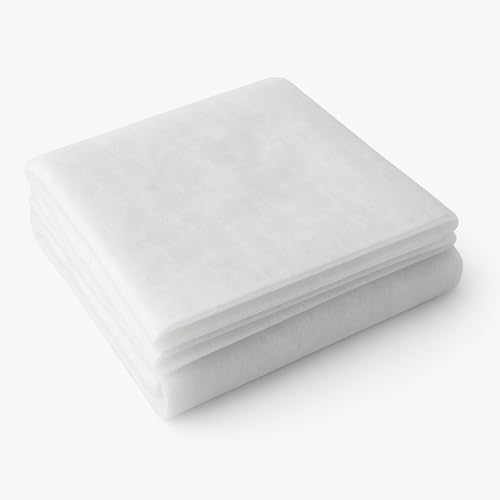
Yuzet 17gsm fleece, 4 × 10m
Best wide, lightweight sheet
Four metres of width gives room to drape a broad bed and secure the edges.
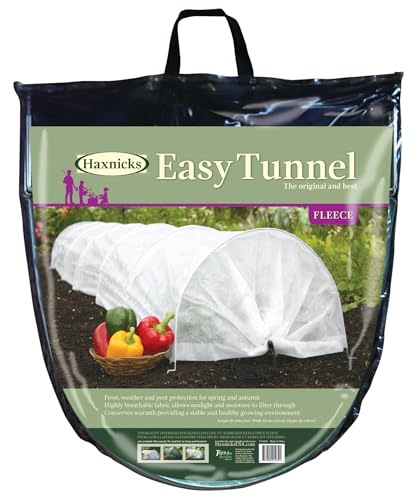
Haxnicks Easy Fleece Tunnel, 3m
Best ready-made row tunnel
Integral hoops hold fleece above low crops; check its 45cm width and 30cm height.

Selections large bell cloches, pack of three
Best for individual plants
Vented plastic bells and pegs for three seedlings, not a whole vegetable row.
In this guide
- Comparison at a glance
- Which cover suits your garden?
- The four best fleece and cloche picks
- How much frost protection can you expect?
- Fit and use the cover well
- Pests, ventilation and storage
- How we chose
- The bottom line
- Frequently Asked Questions
Comparison at a glance
| Product | Best use | Coverage | Main compromise |
|---|---|---|---|
| Harbour Housewares 30gsm fleece | Routine bed covering | 2 × 10m roll | Measure a hoop or wide bed before assuming 2m is enough |
| Yuzet 17gsm fleece | Wide, light drape | 4 × 10m sheet | Thin fabric needs careful handling and anchoring |
| Haxnicks Easy Fleece Tunnel | Low, straight crop row | 3m long; 45cm wide; 30cm high | Fixed size; too low for growing tall crops |
| Selections bell cloches, three | Three individual seedlings | Each 33 × 33 × 30cm | Vent and peg each cover; poor choice for a full row |
The table compares the selected sizes, not every variant sold under the same product name. For a wider bed or taller crop, measure the route the fabric must travel over the plants and down to the ground on both sides.
Which cover suits your garden?
A quick overnight cover or a season-long tunnel?
Fleece is easy to move between beds. It lets some light, air and rain through, so it can also cover young crops for a spell when conditions suit. Thin fleece tears more readily, however, and it needs weight or pegs along the perimeter. A ready-made tunnel keeps the cover off delicate foliage and fits a neat row, but its width and height are fixed. For larger structures, see our greenhouse guide; a small cloche is not a substitute for a greenhouse when tender plants need reliable winter shelter.
One seedling or the whole bed?
A bell cloche is useful over an individual lettuce, courgette or other young plant. Three bells cannot cover a long seed row efficiently. A roll or a tunnel is the better starting point for many seedlings. If you are still planning where to sow, our raised-bed layout guide helps match row spacing to the available cover.
Fleece weight and plastic choice
The 17gsm Yuzet sheet is light and broad. The 30gsm Harbour roll is heavier and narrower. Those labels describe fabric weight per square metre, not a guaranteed minimum outdoor temperature. The Haxnicks tunnel uses fleece on integral hoops, while the Selections bells are rigid plastic with adjustable top vents. The RHS explains the trade-offs between breathable fleece and less breathable plastic in its crop-cover guidance.
The four best fleece and cloche picks
Harbour Housewares 30gsm fleece: best all-round roll
A 2 × 10m roll suits a modest bed where the width leaves enough fabric to reach the soil and be pinned down. Its stated 30gsm weight makes it a more substantial choice than a thin sheet, but do not take the fabric weight as a promise that it will withstand a particular frost or last a set number of seasons. It is still fabric: wind can lift an unsecured edge, and foliage can be weighed down if wet material lies directly on a delicate plant. The 2m width is the first measurement to check, especially if you intend to drape it over hoops.
- Buy it if: you want reusable, cut-to-length coverage for several modest beds.
- Skip it if: your bed or hoop frame needs more than 2m of width, including edge allowance.
Yuzet 17gsm fleece: best wide lightweight sheet
This exact 4 × 10m sheet gives more width than the Harbour roll, which helps when a broad bed, bush or irregular planting needs a drape. At 17gsm, this is a light sheet. The lighter fabric is easier to handle across a large area but also needs gentler handling and reliable anchoring; the RHS notes that thin polypropylene fleece can break down relatively quickly. Cut only what you need and store the rest clean and dry. If a hard frost threatens a tender plant, a thin sheet alone is not a safe guarantee.
- Buy it if: you need broad, lightweight coverage and can secure every edge.
- Skip it if: you need a sturdier sheet for frequent handling on an exposed site.
Haxnicks Easy Fleece Tunnel: best row cloche
The standard Haxnicks tunnel is 3m long, 45cm wide and 30cm high. Its integral hoops hold the fleece above low crops and fold down for storage. That solves the awkward job of balancing separate fabric across a straight row of seedlings. The fixed footprint is also its limitation: measure both the row width and mature crop height, not just the space it occupies when folded. Fleece remains breathable, but check growth and moisture underneath rather than leaving the tunnel unattended for weeks.
- Buy it if: you have a neat, low row and want a ready-made hoop-and-fleece cover.
- Skip it if: your crop will soon grow beyond a 30cm-high tunnel.
Selections bell cloches: best for individual plants
The selected pack contains three clear plastic bells, each roughly 33cm across and 30cm high, with ground pegs. They are a focused answer for a few transplants rather than a whole bed. The adjustable top vents matter: close a cover for an at-risk night as appropriate, then check heat and condensation when the sun reaches it. Peg the light plastic down; an unanchored bell can blow away. These are practical covers, not little heated greenhouses, and the plant must fit without pressing against the sides.
- Buy it if: you need to shelter three separate young plants and can check the vents.
- Skip it if: you need continuous cover for a vegetable row or a taller crop.

How much frost protection can you expect?
Treat frost cover as a buffer, not a thermostat. The RHS says heavier fleece can give around 2°C of frost protection, but the result changes with wind, soil warmth, how the edges are fixed and the plant itself. Neither 30gsm fleece nor a tunnel guarantees a fixed temperature gain. A cloche can also trap daytime warmth, but clear plastic can overheat plants quickly without ventilation. Read the local forecast and the crop’s hardiness rather than relying on one advertised number. The RHS cloche guide covers those benefits and drawbacks.
A sharp or prolonged freeze can defeat a cover, especially for tender plants that should not yet be outside. Move pots under suitable shelter where possible, or delay planting out. For fruit blossom, use a cover that avoids crushing flowers and remove it when pollinators need access; the RHS gives crop-specific advice in its fruit frost guidance.
Fit and use the cover well
Measure and anchor before the cold evening
Lay out the cover in daylight. For a sheet, measure the actual route over foliage or hoops, add enough allowance to reach the soil on both sides and allow for secure pegs or weights. If the fabric is stretched tightly across stems, wind movement can rub them. A loose edge also lets the cover lift, so secure the full perimeter without burying young plants. Check pegs around a rigid bell after wind or rain. Our spring fleece and cloche guide explains when an overnight cover is worth putting on.
Ventilate and water by the weather, not the calendar
Fleece is porous, but soil beneath it can still dry out. Check moisture under a cover instead of assuming rainfall has reached every plant. A clear plastic bell needs more attention: open the vent or lift it when sunshine raises the inside temperature, then replace protection before a cold night if needed. The RHS warns that stagnant humidity encourages disease under cloches. A clear cover left shut on a mild, bright day can harm seedlings even while the nights remain chilly.
Pests, ventilation and storage
A well-fitted fleece sheet can exclude some pests while it is intact and sealed at the edges, but it is not a universal insect barrier. Crop, mesh size and the pest matter. Clear bell cloches are especially useful against birds or heavy rain, but they are less effective than fine fleece or appropriate mesh against small insects. See our garden netting guide when pest exclusion is the main job rather than frost.
Dry a cover before storage, remove soil from pegs and inspect fleece for tears. Reuse intact fabric where possible; polypropylene fleece is plastic-based and thin grades can shed fragments as they age. The RHS recommends reusing materials and considering plant-based or wool alternatives where suitable. Fold the Haxnicks tunnel only after it has dried, and stack clean bell cloches so their vents and rims are not damaged.
How we chose
We compared exact UK variants by the area and shape they cover, stated fabric weight or dimensions, anchoring and ventilation, then checked their role against RHS guidance. Customer ratings helped screen the shortlist, but they do not establish a guaranteed temperature gain or product lifespan in every garden. The comparison is based on specifications and independent gardening guidance, not hands-on testing. The four products are alternatives for different shapes and numbers of plants, not four versions of the same cover.
The bottom line
For a modest bed, start with the Harbour Housewares 30gsm fleece if its 2m width reaches the ground with enough room to anchor it. Take the wider Yuzet sheet if coverage matters more than fabric heft. A straight low row is easier to cover with the Haxnicks tunnel; three separate plants suit the vented Selections bells. Whichever you use, watch the forecast, secure the cover and check ventilation. A cover buys a little margin; it does not make a tender plant hardy. If seedlings are still indoors, our seed-starting guide helps with timing and basic kit.
Frequently Asked Questions
Does garden fleece stop all frost damage? No. Fleece offers a limited buffer that depends on conditions, cover fit and the plant. Move very tender plants into suitable shelter or delay planting rather than assuming a sheet makes them hardy.
Is 30gsm fleece always warmer than 17gsm? A heavier sheet can provide more insulation, but fabric weight alone does not tell you the temperature beneath it. Wind, moisture, anchoring and the warmth stored in the ground also matter.
Can fleece rest directly on seedlings? Light fleece can be laid over suitable young crops, but support it if wet fabric could press on fragile growth. Leave slack for growth and secure the edges without pulling the sheet across stems.
Should I leave plastic cloches closed all day? No. Check a clear cloche when the sun reaches it and use its vents or lift it as needed. Humidity and heat can build up even when the forecast includes a cold night.
Will a fleece tunnel fit any raised bed? No. Measure the row length and width, then compare the crop’s current and expected height. The Haxnicks standard tunnel here is 3m long, 45cm wide and 30cm high.
Do fleece and cloches keep pests out too? Intact, well-anchored fleece can block some pests. Bell cloches deter birds and shelter individual plants, but fine insect mesh is often the better tool when small flying pests are the main problem.