Garden fleece and cloches are the quickest way to protect seedlings and tender crops when a late frost appears in the UK forecast. Fleece is best for fast, flexible overnight protection across a bed; cloches are better for warming soil and sheltering rows for longer periods. The best choice depends on whether you need emergency frost cover, season extension or pest protection.
Quick Answer: Buy 17-19gsm fleece for routine spring frost protection, 30gsm+ fleece for exposed gardens, and tunnel cloches if you want longer-term shelter for rows of seedlings. Fleece is cheaper and faster to deploy; cloches give more structure, warmth and wind protection. The RHS frost damage guidance is useful for deciding when protection is actually needed.
In This Article
- Garden Fleece vs Cloches: What’s the Difference?
- Types of Garden Fleece
- Types of Cloche
- How Much Frost Protection Do You Actually Get?
- Best Garden Fleece by Budget
- Best Cloches by Type
- How to Use Garden Fleece Properly
- When to Use Cloches vs Fleece
- Common Mistakes with Frost Protection
- Fleece and Cloches for Pest Protection
- Storage and Maintenance
- DIY Alternatives Worth Considering
- Frequently Asked Questions
Garden Fleece vs Cloches: What’s the Difference?
Both protect plants from frost, but they work differently and suit different situations.
Garden Fleece
Horticultural fleece is a lightweight, non-woven polypropylene fabric that drapes directly over plants or frames. It traps a layer of warm air around the foliage while allowing light, air, and moisture to pass through. Think of it as a breathable blanket for your garden. It comes in rolls or pre-cut sheets, in various thicknesses measured in grams per square metre (gsm).
Cloches
A cloche is a rigid or semi-rigid cover placed over individual plants or short rows. Traditional glass bell cloches are beautiful but impractical for most gardeners. Modern cloches are typically tunnel-shaped, made from polycarbonate, corrugated plastic, or polyethylene stretched over wire hoops. They create a mini-greenhouse effect — warmer and more sheltered than fleece, but less breathable.
Which to Choose?
For large areas and quick overnight protection, fleece wins. For warming soil, extending seasons, and protecting individual plants for weeks at a time, cloches are more effective. Most serious vegetable growers end up using both.
Types of Garden Fleece
Standard Fleece (17-19 gsm)
The lightest and most common type. Provides roughly 2-3°C of frost protection, which covers most late spring frosts in southern and central England. Light enough to lay directly on plants without crushing them. Lets about 80% of light through. This is your everyday frost fleece — the one you’ll use most often.
Heavy-Duty Fleece (30-35 gsm)
Thicker and sturdier, providing 4-5°C of frost protection. Better for harder frosts and exposed sites in northern England, Scotland, and high ground. Blocks more light (about 30-40%), so it’s not ideal for leaving on plants long-term during the growing season. Heavier weight means you need pegs or stones to prevent it lifting in wind.
Double-Layer and Thermal Fleece (50+ gsm)
Specialist products for serious cold snaps. Some gardeners in northern Scotland use 50gsm fleece for overwinter protection of borderline-hardy plants. At this thickness, light transmission drops below 50%, so these are emergency-use products, not growing aids.
Biodegradable Fleece
Made from starch-based materials rather than polypropylene. Breaks down over 2-3 seasons. More expensive (roughly double the price of standard fleece) and less durable, but eliminates the microplastic concern. The RHS guidance on preventing winter damage now recommends considering plastic-free options where available.
Types of Cloche
Glass Bell Cloches
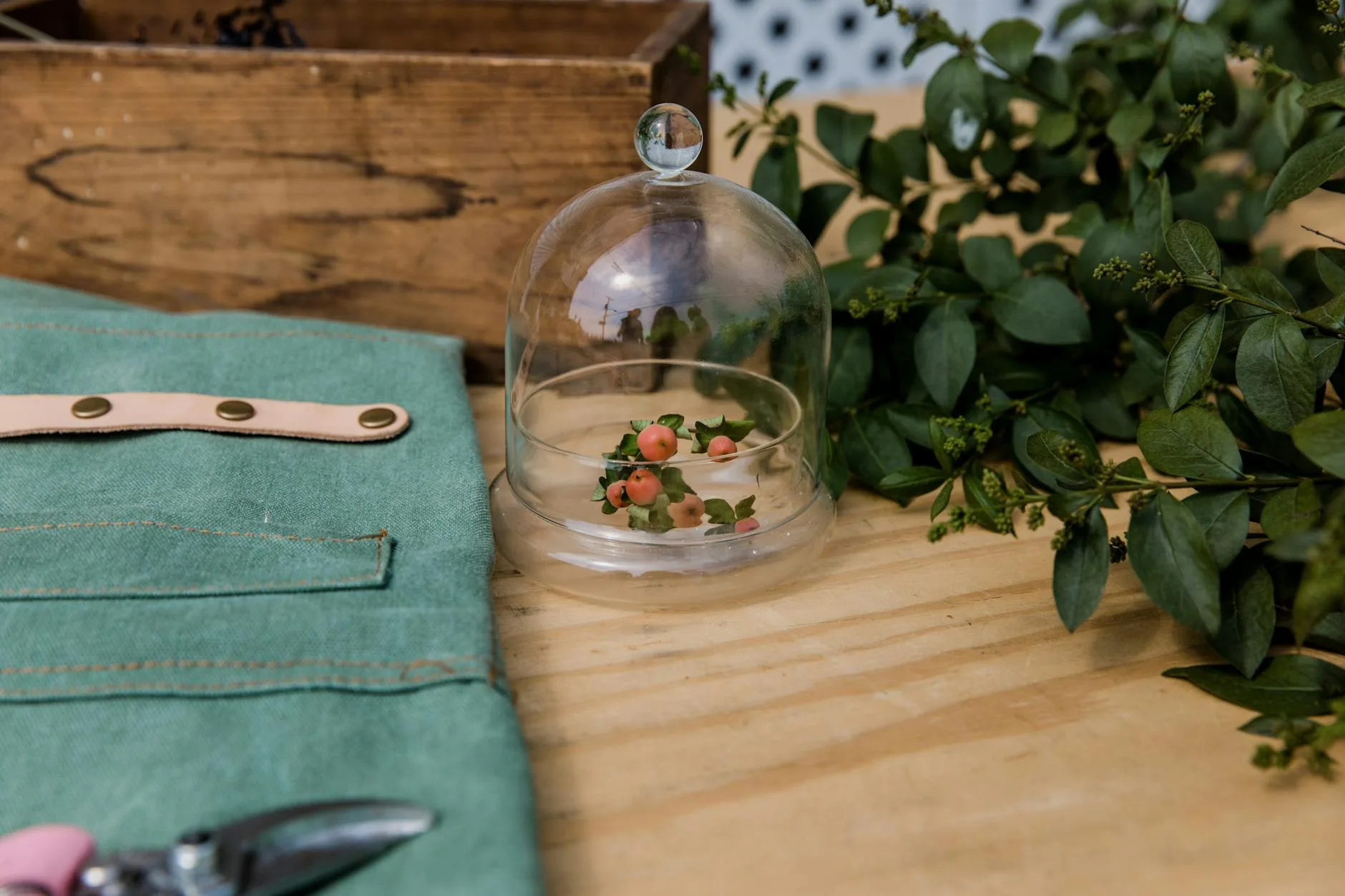
The original Victorian design — a glass dome placed over individual plants. Beautiful on Instagram, but fragile, heavy, and expensive (£15-25 each). They’re excellent for warming soil in early spring and protecting single specimens, but covering a row of 20 lettuce seedlings at £20 per cloche isn’t practical for most people.
Tunnel Cloches
Corrugated polycarbonate or flexible plastic sheets bent into a tunnel shape over a row of plants. The most common type for vegetable growers. A 3m tunnel cloche costs about £15-30 and covers a full row. They’re reusable for years if stored properly and provide excellent frost and wind protection.
Wire and Polythene Hoop Cloches
Wire hoops pushed into the soil with polythene or fleece draped over them. Cheap to make yourself (garden wire and a roll of polythene costs under £10) and easy to customise to any bed length. Less durable than tunnel cloches but very versatile.
Rigid Polycarbonate Cloches
Pre-formed clear plastic covers, usually sold in interlocking sections. Gardman and Halls make popular versions. More expensive (£8-15 per 60cm section) but very durable and easy to ventilate by lifting one side. Good for raised bed gardening where you want a semi-permanent season-extending setup.
How Much Frost Protection Do You Actually Get?
This is where marketing claims meet reality, and they don’t always agree.
Fleece Performance
Standard 17gsm fleece reliably provides 2-3°C of frost protection in still conditions. With wind, this drops — exposed sites might only see 1-2°C benefit. In practice, that small temperature lift can be enough to protect tender seedlings during a light late-spring frost, especially if the fleece is pegged down so wind cannot lift it away from the plants.
Cloche Performance
Rigid tunnel cloches provide 3-5°C of frost protection, sometimes more. The enclosed air space acts as insulation, and the cloche also reduces wind chill. Glass cloches perform slightly better than plastic due to glass retaining heat better after sunset, but the difference is marginal (about 0.5°C).
Layering for Extra Protection
On nights where a hard frost is forecast (below -3°C), you can combine methods. Fleece draped over plants inside a tunnel cloche provides 5-7°C of protection. Some gardeners add a layer of straw or newspaper at ground level for extra insulation. This multi-layer approach got us through a surprise -5°C night in late April without losing anything.
The Wind Factor
Wind is the enemy of frost protection. A fleece that provides 3°C of protection in still air might give only 1°C in a gusty wind because it lifts, flaps, and loses its insulating air pocket. Secure fleece properly with pegs, stones, or buried edges. Cloches handle wind better because they’re rigid, but they can blow away entirely if not anchored.
Best Garden Fleece by Budget
Budget: Wilko Horticultural Fleece (17gsm)
About £4 for 10m × 1.5m from Wilko or similar. Standard polypropylene fleece that does the job for light frosts. It tears more easily than premium options and tends to last one season of regular use before developing holes. Fine for occasional overnight protection and the best value for large areas.
Mid-Range: Gardener’s Dream Premium Fleece (30gsm)
Around £12 for 10m × 2m from Amazon UK. Noticeably thicker and more durable than budget fleece. Handles wind better, lasts 2-3 seasons with careful storage, and provides solid 4°C protection. The 2m width is practical — most raised beds are under 1.2m wide, giving you overlap to tuck in at the edges. For a related angle, see our Best Vegetables for Beginners: 10 Foolproof Crops for UK Gardens guide.
Premium: Harrod Horticultural Super Fleece (35gsm)
About £18 for 10m × 3m from Harrod Horticultural. The go-to for serious veg growers. UV-stabilised so it doesn’t degrade in sunlight, reinforced edges to prevent tearing, and wide enough to cover a standard allotment bed with plenty of overlap. Lasts 4-5 seasons. If you grow vegetables year after year, this pays for itself after two seasons versus replacing budget fleece annually.
Eco Option: BioBizz Biodegradable Fleece (18gsm)
Around £9 for 10m × 1.5m. Made from PLA (polylactic acid) derived from corn starch. Performs similarly to standard 17gsm polypropylene fleece for frost protection. Starts to break down after 12-18 months, which is a feature not a bug — no microplastic shedding. The downside is you can’t reuse it across multiple seasons. Worth it if sustainability matters to you.
Best Cloches by Type
Best Tunnel Cloche: Gardman Polycarbonate Grow Tunnel
About £25 for a 3m tunnel. Twin-wall polycarbonate panels slide into a galvanised steel frame. Light but sturdy, provides excellent insulation, and the panels can be removed individually for ventilation. Widely available from B&Q, Homebase, and Amazon UK. They are sturdier than thin polythene tunnels and should last several seasons if the panels are stored flat and cleaned before winter.
Best Glass Cloche: Garden Trading Bell Cloche
Around £18 for a single bell cloche. Hand-blown glass with a neat carry handle. Perfect for individual plants — we use one over a courgette seedling in early May until it outgrows the cloche. Looks fantastic in the garden too. Not practical for rows of veg but ideal for prized single plants.
Best Budget Cloche: Plastic Bell Cloche Pack
About £8 for a pack of 6 clear plastic bell cloches from Amazon. Light, stackable, and perfectly functional. They yellow after a couple of seasons in direct sunlight but at that price, replacing them isn’t painful. Good for protecting young seedlings during the transition from windowsill to garden bed.
Best Large Cloche: Haxnicks Easy Fleece Tunnel
Around £30 for a 3m × 60cm tunnel with built-in fleece. The fleece is attached to galvanised wire hoops that concertina open and closed. Brilliant design — deploy it in 30 seconds and fold it away just as fast. The fleece is integral so there’s nothing to blow away. Excellent for allotments where speed matters.
How to Use Garden Fleece Properly
Draping vs Hooping
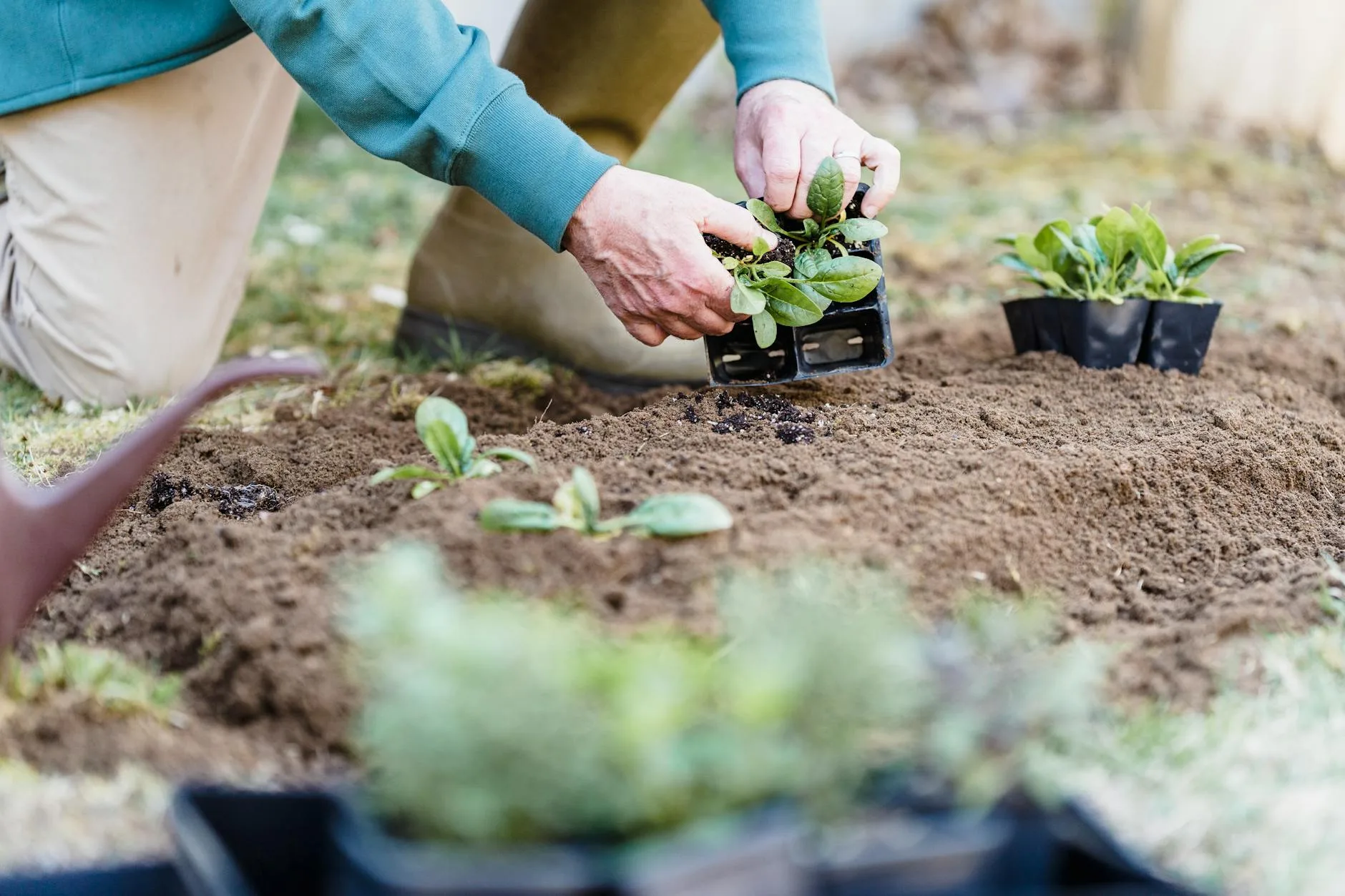
You can lay fleece directly on plants (draping) or support it on wire hoops above the foliage. Draping is faster but heavy wet fleece can weigh down delicate seedlings. Hooping creates an air gap that improves insulation and prevents contact damage. For anything taller than 10cm, hooping is worth the extra two minutes of setup time.
Securing Edges
The most common mistake is not securing the edges well enough. Wind gets under loose fleece and either lifts it off or flaps it around, damaging plants. Bury the edges under soil, use U-shaped ground pegs every 60cm, or weight them down with bricks. Soil burial is the most wind-proof method.
Ventilation on Warm Days
Fleece that’s left on during warm sunny days can overheat plants. Once the air temperature is above 10°C and rising, remove or roll back the fleece. Replace it before sunset if frost is forecast overnight. This daily roll-on/roll-off routine is a chore, but it prevents damping off and heat stress.
Watering Through Fleece
Standard fleece lets rain through, but heavy dew and light rain can pool on the surface rather than penetrating evenly. For plants under fleece for more than a few days, check soil moisture underneath and water through the fleece with a fine rose watering can if needed.
When to Use Cloches vs Fleece
Cloches Are Better For
Early season soil warming (place cloches 2-3 weeks before sowing to warm the soil), individual plant protection through extended cold spells, wind protection for coastal and exposed gardens, and permanent or semi-permanent season extension. Cloches create a warmer microclimate than fleece because of the enclosed air space.
Fleece Is Better For
Quick overnight frost protection across large areas, covering irregular shapes and mixed plantings, protecting blossom on fruit trees (drape fleece over the branches), and lightweight protection that won’t damage fragile growth. Fleece is also much cheaper per square metre of coverage. Our How to Choose a Garden Fork and Spade guide is useful alongside this.
Both Together
The combination is powerful. We use tunnel cloches on our main salad bed from February to April, then switch to fleece-only protection once nights stay above 3°C. When a late frost catches us by surprise, fleece goes over the cloches for maximum protection with about 30 seconds of effort.
Common Mistakes with Frost Protection
Putting Fleece On Too Late
Frost protection works by trapping existing warmth. If you wait until the temperature has already dropped below zero, the fleece traps cold air rather than warm air. Put fleece on in the late afternoon while the soil is still warm from the day’s sunshine. An hour before sunset is ideal.
Leaving Cloches On Too Long
Cloches create warm, humid conditions that encourage fungal diseases if left on during mild, damp weather. Once the frost risk passes (late May for most of England, early June for Scotland), remove cloches and store them. Leaving them on “just in case” causes more problems than it prevents.
Using Damaged Fleece
Fleece with holes and tears still provides some wind protection but loses most of its frost-proofing ability. Cold air enters through the gaps and the insulating air layer breaks down. Patch small holes with duct tape, but if the fleece has more patches than fabric, replace it.
Ignoring Microclimates
Your garden isn’t one uniform temperature. Low spots collect cold air (frost pockets), north-facing beds get colder than south-facing ones, and walls retain heat. Prioritise protection for plants in cold spots rather than blanketing the entire garden.
Fleece and Cloches for Pest Protection
Frost protection isn’t the only benefit — both fleece and cloches act as physical barriers against pests.
Carrot Root Fly
Fleece laid over carrot rows from sowing to harvest prevents carrot root fly from laying eggs at the base of plants. This is one of the most effective organic pest controls available — no sprays needed. The fly can’t get through the fabric.
Cabbage White Butterfly
Brassicas (cabbage, broccoli, kale, cauliflower) under fine mesh or fleece are protected from egg-laying butterflies. For crop rotation planning, having fleece ready for the brassica bed each spring saves a lot of caterpillar-picking later.
Flea Beetle
Radishes and rocket are plagued by flea beetles that create tiny holes in leaves. Fleece from sowing to the four-leaf stage prevents damage during the plants’ most vulnerable period.
Bird Protection
Cloches keep pigeons and other birds from eating newly germinated seedlings. A particular problem with peas, brassicas, and lettuce. Glass cloches are particularly effective because birds can see the obstacle and avoid landing on it.
Storage and Maintenance
Fleece
Wash at the end of the season by soaking in a bucket with mild detergent, rinsing, and drying thoroughly before folding. Store rolled (not folded) in a dry shed or garage to prevent creasing that weakens the fabric. Label rolls with their gsm so you grab the right weight in a hurry.
Cloches
Clean polycarbonate and glass cloches with warm soapy water to maintain light transmission. Stack tunnel cloche panels carefully — scratched polycarbonate lets in less light. Store wire hoops tied in bundles. Glass bell cloches need individual wrapping to prevent chipping.
Lifespan
Budget fleece: 1 season. Mid-range: 2-3 seasons. Premium UV-stabilised: 4-5 seasons. Polycarbonate cloches: 5-10 years. Glass cloches: indefinite with care. The per-season cost of premium fleece is actually lower than budget fleece because of the lifespan difference.
DIY Alternatives Worth Considering
Plastic Bottle Cloches
Cut the bottom off a 2-litre drinks bottle and push it into the soil over a seedling. Free, effective, and available in every recycling bin. Remove the cap for ventilation on warm days. Works brilliantly for single seedlings in early spring. Not pretty, but the plants don’t care.
Old Net Curtains
Multiple layers of net curtain provide lightweight frost protection similar to thin horticultural fleece. They’re breathable and let light through. Charity shops sell them for practically nothing. Not as effective as proper fleece but a decent emergency option.
Straw Mulch
A 10-15cm layer of straw around plants insulates the soil and lower stems. Doesn’t protect above-ground foliage from airborne frost but keeps the root zone warm. Particularly useful for strawberries, potatoes, and overwintering garlic.
Newspaper
Layers of newspaper laid over plants and weighted down provide surprising frost protection for one or two nights. Obviously not waterproof and disintegrates in rain, but when the weather forecast changes at 9pm and you don’t have fleece handy, newspaper from the recycling bin works in a pinch.
Frequently Asked Questions
Can I leave garden fleece on during the day? On cold, cloudy days when temperatures stay below 8-10°C, yes. On sunny days above 10°C, remove it to prevent overheating and allow pollinators to access flowering plants. The daily roll-on/roll-off routine is annoying but important for plant health.
How many degrees of frost protection does fleece give? Standard 17gsm fleece provides 2-3°C of protection. Heavy-duty 30gsm fleece provides 4-5°C. Layering fleece over a cloche can give 5-7°C. These figures assume the fleece is properly secured with no gaps for cold air to enter.
Are glass cloches better than plastic? Glass retains heat slightly better than plastic (about 0.5°C difference) and doesn’t yellow with UV exposure. But glass is heavier, breakable, and much more expensive. For most gardeners, polycarbonate cloches offer better value and practicality.
When should I stop using frost protection in the UK? For most of England and Wales, the last frost risk passes in late May. Northern England and Scotland may see frosts until early June. Mountain and inland areas can get surprise frosts even later. Check your local frost dates and keep fleece handy until you’re past them.
Can I use bubble wrap instead of fleece? Bubble wrap provides good insulation but doesn’t allow air or moisture through, creating condensation problems. It works as a short-term emergency measure for one or two nights but shouldn’t replace proper horticultural fleece for regular use.