Growing your own vegetables is one of those things that sounds harder than it actually is. Yes, there are crops that need careful timing, specific soil conditions, and constant attention — but there are also plenty that practically grow themselves once you get them in the ground. If you’re new to vegetable growing in the UK, starting with forgiving, reliable crops builds your confidence and fills your kitchen at the same time. These ten vegetables are chosen specifically because they thrive in British conditions, tolerate beginner mistakes, and produce satisfying harvests without demanding expert-level knowledge.
What Makes a Good Beginner Vegetable?
Not all crops are created equal when it comes to ease of growing. The ideal beginner vegetable has several qualities: it germinates reliably, grows in average garden soil, doesn’t need complicated support structures or feeding regimes, has some tolerance for inconsistent watering, and resists the most common UK pests and diseases. Crucially, it should also be something you actually want to eat — there’s no point growing a bumper crop of something that sits in the fridge untouched.
All of the crops below can be grown in a standard garden border, raised bed, or allotment plot. Several also work well in large pots and containers, making them accessible even if you only have a patio or balcony. The key requirements for most vegetables, as recommended by the Royal Horticultural Society, are at least six hours of direct sunlight per day, reasonably well-drained soil, and regular watering during dry spells.
1. Courgettes
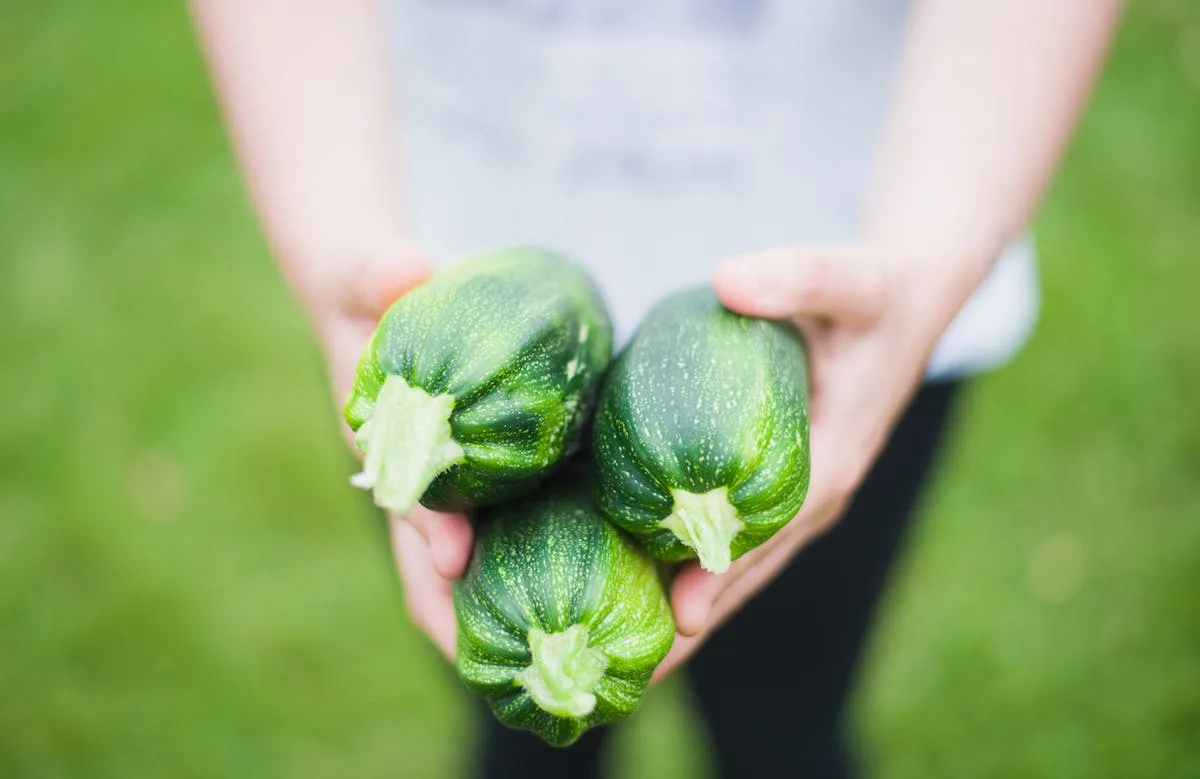
From our testing across several UK growing seasons, if there’s one vegetable that makes beginners feel like expert gardeners, it’s the courgette. These prolific plants produce so much fruit that the classic allotment joke — leaving spare courgettes on neighbours’ doorsteps — exists for good reason. A single healthy courgette plant can produce 20-30 fruits over a season, which is genuinely more than most families can eat.
Sow seeds indoors in April (one seed per 9cm pot, on its side to prevent rotting) and plant out after the last frost, usually mid-May. They need a sunny spot and rich soil — dig in a bucketful of compost or well-rotted manure before planting. Water regularly and feed fortnightly with a general liquid fertiliser once they start flowering.
The main mistake beginners make is letting courgettes grow too large. Pick them at 15-20cm for the best flavour and texture — once they become marrows, they’re watery and bland. Check your plants every other day during peak season (July-August), because they grow astonishingly fast in warm weather.
Recommended varieties for UK growing:
- Black Beauty — the classic dark green courgette; reliable, heavy-cropping, and widely available
- Defender F1 — a compact variety with some resistance to cucumber mosaic virus; good for smaller spaces
- Costata Romanesco — an Italian heirloom with distinctive ribbed skin and superior nutty flavour; slightly less prolific but much tastier
2. Runner Beans
Runner beans are a British garden staple for good reason. They’re easy to grow, enormously productive, and there’s something deeply satisfying about watching them race up their supports — they can grow 20cm in a week during warm weather. A wigwam of runner beans also looks beautiful, with their scarlet flowers attracting bees and other pollinators.
Sow directly outdoors in May (after the last frost) at the base of cane supports, or start in pots indoors in April for an earlier harvest. They need tall supports — at least 2 metres — and regular watering, especially once they start flowering. Irregular watering causes flowers to drop without setting pods.
Pick beans regularly when they’re about 20cm long and the beans inside are barely visible through the pod. Once you let them grow large and bumpy, the plant puts its energy into seed production rather than new pods, and the eating quality drops sharply. Consistent picking keeps the plants productive well into September.
- Enorma — long, straight, stringless pods and very heavy-cropping; a reliable all-rounder
- Scarlet Emperor — a heritage variety with bright red flowers; slightly shorter pods but excellent flavour
- White Lady — white flowers and pale pods; reputed to set pods better in hot weather than red-flowered varieties
3. Lettuce and Salad Leaves
Salad leaves are the fastest route from seed to plate in the vegetable garden. Cut-and-come-again varieties can be harvested just 3-4 weeks after sowing, and they keep producing new leaves for weeks afterwards. For a beginner, there’s nothing more encouraging than eating something you grew within a month of starting.
Sow short rows every 2-3 weeks from March to September for a continuous supply. Scatter seeds thinly in a shallow drill, cover lightly, and water. That’s essentially it. They grow in any reasonable soil and are ideal for containers, window boxes, and growing bags. In summer, sow in light shade — lettuce bolts (runs to seed) quickly in hot, sunny positions.
Slugs are the main enemy of lettuce. Beer traps, copper tape around containers, and evening slug patrols (with a torch and a bucket) are the most effective organic controls. Nemaslug (a biological nematode treatment watered into the soil) works well too, though it needs soil temperatures above 5°C to be effective.
- Mixed salad leaf packets — most seed companies sell cut-and-come-again mixes that include various lettuce types, rocket, mizuna, and mustard leaves; ideal for beginners
- Little Gem — a compact cos lettuce that forms small, crunchy hearts; bolt-resistant and perfect for growing in rows
- Lollo Rossa — frilly, red-tinged leaves that look beautiful and taste great; slow to bolt and easy to grow
4. Potatoes
Growing potatoes is almost cheating — they’re so easy that the old joke about “plant them and forget about them” isn’t far from the truth. There’s also nothing in the shops that compares to a freshly dug new potato, still warm from the soil, tossed in butter and mint. The flavour difference between a homegrown Charlotte or Maris Peer and a supermarket spud is really startling.
Plant seed potatoes (not supermarket potatoes, which may carry disease) from mid-March (first earlies) to mid-April (maincrops). Dig a trench about 15cm deep, place potatoes 30cm apart with the shoots pointing upward, and cover. As the shoots emerge, “earth up” by drawing soil around the stems — this prevents the tubers from going green and increases your yield. For a related angle, see our Best Fruit Trees for Small UK Gardens 2026 guide.
First earlies are ready about 10-12 weeks after planting — perfect for a June harvest of new potatoes. Maincrops take 18-20 weeks and give you larger potatoes for storing through winter. If space is limited, grow first earlies in large pots or growing bags — a 40-litre bag with three seed potatoes will produce a decent crop on a patio.
- Charlotte — the UK’s favourite salad potato; waxy, delicious, and resistant to common scab; perfect for boiling and salads
- Maris Piper — the classic all-rounder for roasting, mashing, and chips; heavy-cropping and stores well
- Rocket — a first early that matures incredibly quickly; great for the impatient beginner who wants fast results
5. Radishes
Radishes are the ultimate instant-gratification crop. From sowing to harvest in as little as four weeks, they’re faster than almost anything else you can grow. They’re also useful as “marker crops” — sow them in the same row as slow-germinating carrots or parsnips, and the radishes will emerge first, marking where the row is so you don’t accidentally disturb the slower seeds when weeding.
Sow directly outdoors from March to September, scattering seeds thinly in shallow drills. Thin to about 3cm apart once they emerge. They need very little attention — just consistent moisture to prevent them becoming woody and too hot-tasting. Sow a short row every two weeks for a continuous supply rather than a one-off glut.
- French Breakfast — elongated, red-and-white roots with a mild, slightly sweet flavour; the classic choice
- Cherry Belle — round, bright red, crisp, and mild; matures very quickly and reliably
- Watermelon radish — larger than standard radishes with a stunning pink interior; takes longer (50-60 days) but worth growing for the wow factor alone
6. Beetroot
Beetroot is wonderfully unfussy. It grows in most soils, tolerates partial shade, resists most pests and diseases, and produces both edible roots and nutritious leaves (which taste like a milder version of chard). It’s also one of those vegetables that tastes completely different when homegrown — sweet, earthy, and intensely coloured rather than the vinegary sliced stuff from jars.
Sow directly outdoors from April to July. Each “seed” is actually a cluster of seeds, so you’ll need to thin seedlings to about 10cm apart. Water consistently — irregular watering causes woody, ringed roots. Harvest roots when they’re about the size of a golf ball to a cricket ball; larger ones can become tough and woody.
Beetroot stores brilliantly in boxes of dry sand in a cool shed or garage, keeping well into winter. You can also pickle, roast, or freeze the surplus. The leaves are excellent in salads when young or cooked like spinach when larger. Our Garden Netting Guide: Protecting Crops from Pests and Birds guide is useful alongside this.
- Boltardy — the most popular UK beetroot for good reason; resistant to bolting, reliable, and sweet-flavoured
- Chioggia — an Italian heirloom with stunning pink-and-white striped flesh; slightly milder flavour; the rings fade when cooked, so use raw in salads to show them off
- Cylindra — elongated, cylindrical roots that slice into uniform rounds; excellent for pickling and stores very well
7. Broad Beans
Broad beans are among the hardiest vegetables you can grow and one of the few that can be sown in autumn for an early harvest the following year. They’re incredibly easy — push seeds directly into the soil, wait, and harvest. They also fix nitrogen in the soil, enriching it for whatever you grow in that spot next year.
Sow outdoors from February to April (or November for overwintering varieties). Seeds are large and easy to handle, making them great for getting children involved in gardening. Plant them about 5cm deep and 20cm apart in double rows. Support plants with string tied around canes at each corner of the row, as they tend to flop over when laden with pods.
Blackfly (black bean aphid) is the main pest — they colonise the soft growing tips in late spring. Pinching out the tips once the plants have set four or five trusses of flowers removes the aphids’ preferred habitat and redirects the plant’s energy into the pods. It’s one of those satisfying garden jobs that’s both pest control and pruning in one.
- Aquadulce Claudia — the classic overwintering variety; very hardy and reliable for autumn sowing
- The Sutton — a compact variety reaching only 30cm tall; perfect for small gardens, raised beds, and containers; doesn’t need staking
- Crimson Flowered — a heritage variety with beautiful deep red flowers; the beans are slightly smaller but the flavour is excellent
8. Kale
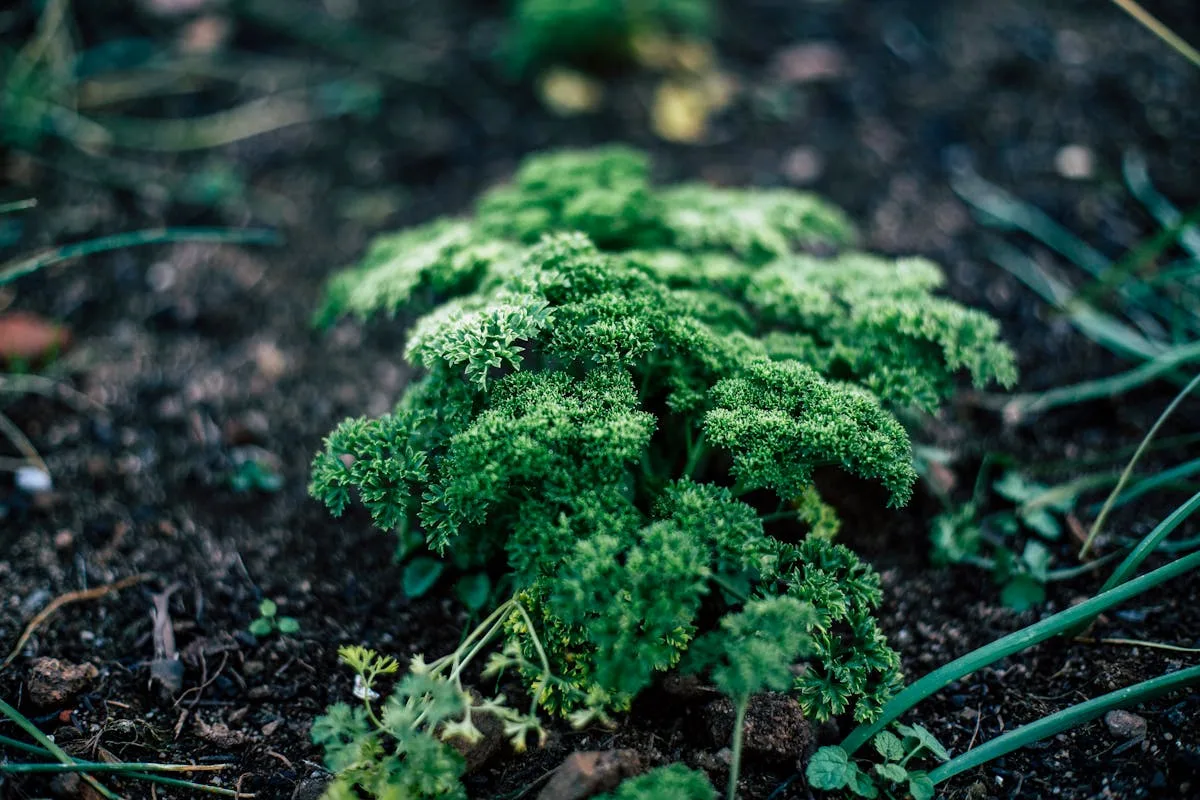
Kale is the toughest brassica in the garden. While cauliflowers sulk and cabbages attract every pest known to horticulture, kale simply grows — through summer heat, autumn storms, and winter frost. It’s one of the few crops that’s actually improved by cold weather, as frost converts some of the starches to sugars, sweetening the flavour.
Sow in April or May, either directly outdoors or in modules for transplanting. Space plants about 45cm apart — they grow larger than you expect. Unlike most vegetables, kale continues producing throughout winter, providing fresh greens from November to March when little else is available from the garden. Pick leaves from the bottom of the stem upwards, leaving the growing tip intact to produce more.
Kale is extremely versatile in the kitchen — it can be steamed, stir-fried, added to soups, baked into crisps, or massaged with oil and lemon juice for raw salads. The leaves freeze well too, making it easy to preserve any surplus. We cover a similar decision in Best Fruit Cages 2026 UK: Protect Your Crop.
- Cavolo Nero (Black Tuscan) — dark, blistered leaves with a rich, slightly sweet flavour; gorgeous in Italian-inspired dishes
- Red Russian — flat, fringed leaves with purple stems; one of the tenderest kales, good for salads; very cold-hardy
- Dwarf Green Curled — compact plants suited to smaller spaces; the classic curly kale; extremely hardy and productive
9. Swiss Chard
Swiss chard is arguably the most underrated vegetable in UK gardens. It’s beautiful (Rainbow Chard, with its multicoloured stems, is truly ornamental), incredibly productive, tolerant of heat and cold, and rarely bothered by pests. A single sowing in April provides harvests from June right through to the following spring — that’s close to a full year of production from one batch of seeds.
Sow directly outdoors from April to July, thinning to 30cm apart. Chard grows in most soils and tolerates partial shade better than many vegetables. Harvest by cutting outer leaves at the base, leaving the central growing point to produce more. The stems and leaves can be cooked together or separately — stems take a few minutes longer than the leaves and are excellent sautéed with garlic.
In mild winters, chard will survive outdoors without protection, though covering with fleece in severe cold extends its life. It’s also excellent in large containers — a pot of Rainbow Chard on a patio provides months of colourful, productive growing.
- Bright Lights (Rainbow Chard) — stems in red, yellow, orange, pink, and white; as decorative as it is delicious
- Fordhook Giant — thick, white-stemmed variety with large, crinkled leaves; the heaviest-cropping option
- Rhubarb Chard — deep red stems with dark green leaves; striking appearance and excellent flavour
10. Spring Onions
Spring onions round out this list because they’re quick, easy, and endlessly useful in the kitchen. From stir-fries to salads, baked potatoes to sandwiches, they add a mild onion kick to almost everything. They’re also one of the most space-efficient crops you can grow — a short row takes up almost no space and produces dozens of onions.
Sow directly outdoors from March to August in shallow drills, thinning to about 2cm apart (or don’t bother thinning — they’ll grow fine in clusters). They’re ready to pull about 8-10 weeks after sowing. Successional sowing every 3-4 weeks gives you a year-round supply. Winter-hardy varieties like White Lisbon Winter Hardy can be sown in September for a spring harvest.
Spring onions are practically trouble-free. They’re too quick-growing for most pests and diseases to bother with, and they fit into gaps between other crops as useful space-fillers. They also grow brilliantly in containers — a 30cm pot can produce a worthwhile crop on a windowsill.
- White Lisbon — the standard spring onion variety; quick, reliable, and mild-flavoured; the baseline against which others are measured
- Lilia — a red-skinned variety with a slightly stronger flavour and beautiful appearance; adds colour to salads
- Ishikura — a Japanese variety that produces long, straight, thick stems without bulbing; excellent for stir-fries
Tips for Success with Any Vegetable
Regardless of which crops you choose, a few universal principles will improve your results noticeably:
- Start with good soil — add compost or well-rotted manure every year; healthy soil grows healthy plants with less effort and fewer problems
- Water consistently — irregular watering causes more problems than almost anything else; deep watering less often is better than frequent light sprinkles
- Sow little and often — successional sowing prevents gluts and gaps; a short row every few weeks beats one massive sowing
- Harvest regularly — picking encourages most plants to produce more; don’t wait for vegetables to reach maximum size at the expense of flavour and texture
- Don’t fight your conditions — if your garden is shady, grow shade-tolerant crops like lettuce and chard rather than battling to grow sun-loving tomatoes
- Keep a notebook — record what you sowed, when, and how it performed; this becomes invaluable over multiple seasons
Frequently Asked Questions
What are the easiest vegetables to grow in the UK? Courgettes, salad leaves, runner beans, and radishes are among the easiest vegetables for UK beginners. Courgettes are particularly rewarding — a single plant can produce 20-30 fruits per season. Salad leaves can be harvested just 3-4 weeks after sowing.
When should I start growing vegetables in the UK? Most vegetable sowing begins indoors in February-March and moves outdoors from April onwards, depending on your location. Gardeners in southern England can start outdoor sowing 2-3 weeks earlier than those in Scotland and northern England. Soil temperature matters more than the calendar date.
Can I grow vegetables in pots and containers? Yes, many vegetables grow well in containers including salad leaves, tomatoes, courgettes, runner beans, and herbs. Use pots at least 30cm deep with good drainage, quality multi-purpose compost, and water regularly — containers dry out faster than ground soil, especially in summer.
What vegetables can beginners grow in raised beds? Raised beds are ideal for most beginner vegetables. Salad leaves, courgettes, beans, peas, and brassicas do well in beds 25-30cm deep. Root vegetables like carrots and potatoes need at least 40cm depth. Raised beds warm up faster in spring, extending your growing season.
How much space do I need to grow my own vegetables? You can grow a surprising amount of food in a small space. A single raised bed of 1.2m x 2.4m can produce enough salad, herbs, and courgettes for a family throughout summer. Even a balcony with a few large pots can yield tomatoes, salad leaves, and herbs from May to October.
The Bottom Line
You don’t need a green thumb, years of experience, or a huge garden to grow your own vegetables. Start with three or four crops from this list — courgettes, lettuce, potatoes, and runner beans would make an excellent first selection — and expand from there as your confidence grows. The UK climate is actually very well suited to vegetable growing, with reliable rainfall, long summer days, and mild enough winters for year-round cropping with the right varieties. The hardest part is getting started. Once you’ve tasted your first homegrown new potato or picked your first courgette, the chances of you ever stopping are essentially zero.