You bought three raspberry canes from the garden centre in March, shoved them in the border behind the shed, and forgot about them. By July, one had died, one had produced six berries that the birds ate before you noticed, and the third had sent runners into the lawn and was growing where you did not want it. Raspberries are one of the most rewarding fruits you can grow in the UK — they thrive in our climate, produce heavily for 10-15 years from a single planting, and taste incomparably better than supermarket punnets. But they do need planting properly, supporting correctly, and pruning at the right time.
In This Article
- Summer vs Autumn Fruiting Raspberries
- Choosing the Right Varieties for UK Gardens
- Where to Plant Raspberries
- How to Plant Raspberry Canes
- Supporting Your Raspberry Canes
- Watering and Feeding
- Pruning: The Most Important Skill
- Common Problems and Pests
- Harvesting and Storage
- Growing Raspberries in Containers
- Frequently Asked Questions
Summer vs Autumn Fruiting Raspberries
Summer Fruiting (Floricane)
Summer fruiting raspberries produce fruit on canes that grew the previous year. You plant the cane, it grows through year one without fruiting, then produces berries the following summer (June-July). After fruiting, those canes die and new canes grow from the base to fruit the next year. The cycle repeats annually.
Advantages: larger berries, heavier yields per cane, fruit earlier in the season when shop prices are highest Disadvantages: need a support structure (posts and wires), pruning is more complex because you must distinguish old canes from new ones
Autumn Fruiting (Primocane)
Autumn fruiting raspberries produce fruit on canes that grew in the same year. Plant them, they grow from spring, and by August-October they are producing berries on the top section of the current year’s growth. In February, you cut every cane to the ground. New canes grow in spring and fruit again in autumn. Simple.
Advantages: easier pruning (cut everything down in winter), no support structure needed for most varieties, less disease because canes are removed annually Disadvantages: later harvest (August-October, sometimes into November), smaller berries than summer varieties, shorter picking season
Which Should You Grow?
Both, if you have space. Summer varieties give you berries in June-July, autumn varieties extend the season to October. If you can only grow one type, autumn fruiting is the easier option for beginners — the pruning is foolproof and you get fruit in the first year of planting.
Choosing the Right Varieties for UK Gardens
Best Summer Varieties
- Glen Ample — the UK’s most popular summer raspberry. Heavy cropping, large berries, spine-free canes (no scratches when picking), good disease resistance. Fruits mid-June to mid-July. Available from most garden centres and online suppliers for about £8-12 for 5 canes.
- Glen Magna — exceptionally large berries with outstanding flavour. Slightly later than Glen Ample (late June to late July). Good for freezing because the berries hold their shape.
- Tulameen — widely considered the best-flavoured summer raspberry. Long, conical berries with intense sweetness. More susceptible to disease than Glen varieties but worth growing for the taste.
Best Autumn Varieties
- Autumn Bliss — the original and still one of the best. Compact growth (1.2-1.5m), heavy cropping, good flavour. Fruits August to October. Does not need staking. About £8-12 for 5 canes.
- Polka — large, firm berries with excellent flavour. Slightly earlier than Autumn Bliss (late July in warm areas). Good disease resistance. The best all-round autumn variety for most UK gardens.
- Joan J — spine-free canes, very sweet fruit, compact habit. Produces well in containers. Later season (September-November), which extends the picking window if you also grow Polka or Autumn Bliss.
Where to Buy
- Ken Muir — specialist fruit nursery with excellent quality bare-root canes (November-March) and potted plants (year-round)
- Dobies — wide selection, good prices, reliable delivery
- Your local garden centre — usually stocks Glen Ample and Autumn Bliss in pots from March onwards
The RHS has detailed growing guides for all commonly available UK varieties.
Where to Plant Raspberries
Sun and Shelter
Raspberries need at least 6 hours of direct sun daily for good fruit production. They tolerate partial shade but crop less heavily. Shelter from strong wind is important — exposed sites dry out the soil faster and can snap tall summer canes. A position against a south or west-facing fence is ideal.
Soil
Raspberries prefer slightly acidic to neutral soil (pH 6.0-6.5) that is moist but well-drained. They hate waterlogged ground — sitting in wet soil causes root rot. Heavy clay soil needs improving with organic matter (compost, well-rotted manure) to improve drainage. Sandy soil needs organic matter to improve moisture retention. Raspberries are surprisingly adaptable, but they perform best in rich, loamy soil.
Avoid These Spots
- Where previous raspberries, strawberries, or potatoes grew — these crops share soil-borne diseases (Verticillium wilt, Phytophthora root rot) that persist in the soil for years
- Frost pockets — low-lying areas where cold air collects. Late frosts damage early flowers on summer varieties
- Deep shade — less than 4 hours of sun produces weak growth and almost no fruit
Spacing
Plant canes 40-50cm apart in rows, with 1.5-1.8m between rows if planting more than one row. This gives each cane enough space to grow without competing for light and allows you to walk between rows for picking and pruning.
How to Plant Raspberry Canes
When to Plant
- Bare-root canes — November to March, while dormant. The cheapest option and the best time for establishment.
- Potted plants — any time of year, but spring (March-May) gives the best results. Water daily if planting in summer.
Step by Step
- Dig a trench 8-10cm deep and about 30cm wide along the planting line
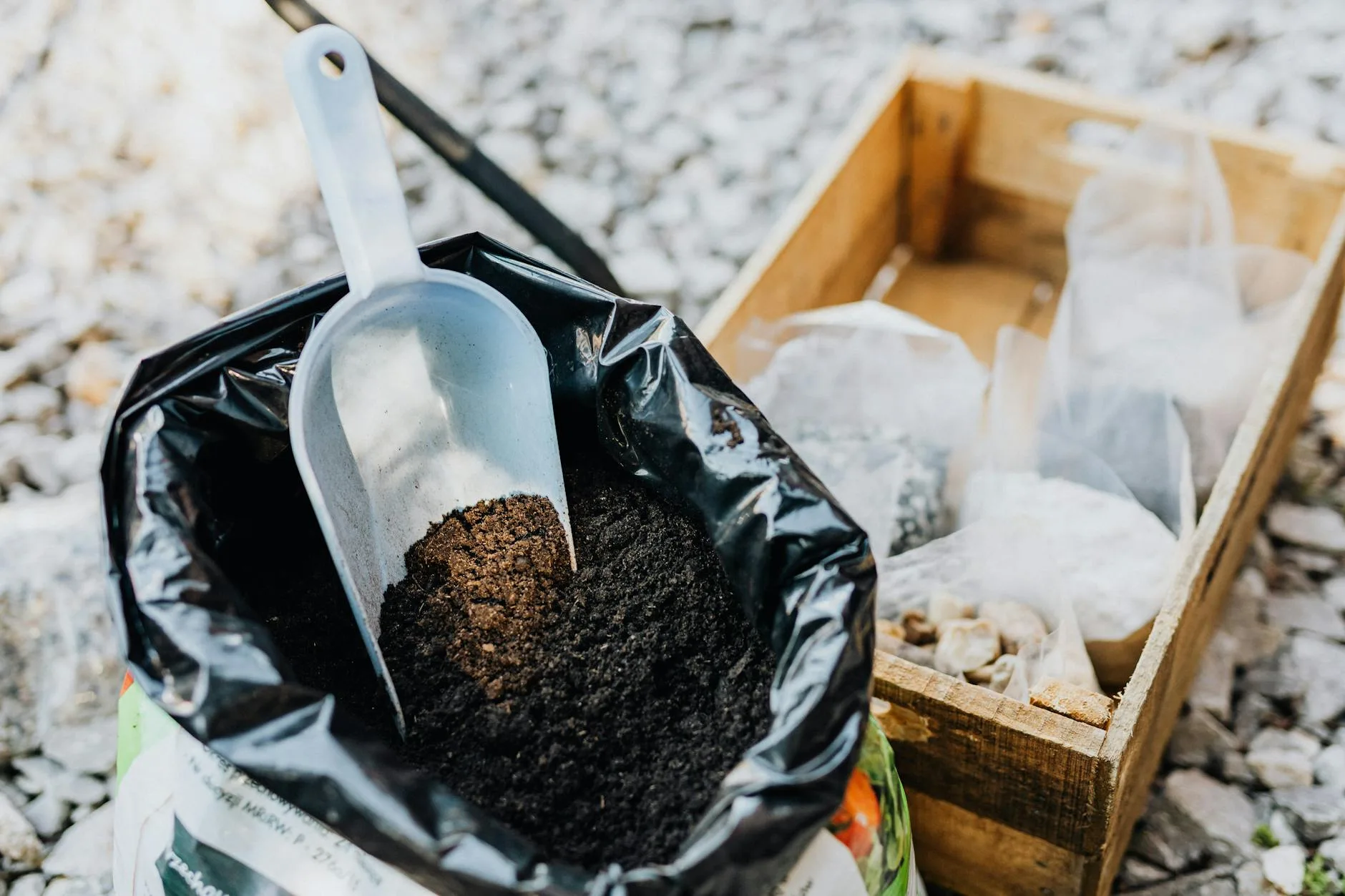
- Add a 5cm layer of well-rotted manure or garden compost to the bottom of the trench
- Space the canes 40-50cm apart in the trench, spreading the roots outward
- Backfill with soil so the old soil mark on the cane (a dark line near the base) sits at the new soil surface
- Firm the soil gently around each cane with your foot
- Water thoroughly — at least 5 litres per cane
- Cut each cane back to about 25cm above ground level. This feels brutal but it encourages strong root establishment rather than weak top growth in the first year. Summer varieties will not fruit this year anyway; autumn varieties may produce a small late crop.
Mulching
Spread a 5-8cm layer of well-rotted compost, bark chippings, or straw around the base of the canes after planting. Mulch suppresses weeds (which compete for moisture and nutrients), retains soil moisture, and feeds the soil as it breaks down. Keep mulch 5cm away from the cane stems to prevent rot.
Supporting Your Raspberry Canes
Summer Varieties Need Support
Summer fruiting canes grow 1.5-2m tall and flop over without support, especially when heavy with fruit. The standard system is a post-and-wire framework:
- Drive two sturdy posts (75mm × 75mm, 2.4m long) 60cm into the ground at each end of the row
- Stretch galvanised wire between the posts at 60cm, 1m, and 1.5m heights
- Tie individual canes to the wires with soft garden twine as they grow
- Space the tied canes about 10cm apart along the wires — this ensures sunlight and airflow reach every cane
Autumn Varieties Usually Self-Support
Most autumn varieties grow to 1.2-1.5m and are sturdy enough to stand without wires. In exposed or windy gardens, a single wire at 1m height gives them something to lean on.
Against a Fence or Wall
If you are growing raspberries against a fence, screw vine eyes into the fence posts and run wires horizontally at the same heights. This is neater than freestanding posts and uses the fence as a windbreak. For a related angle, see our No-Dig Gardening: How It Works and Why It’s Popular guide.
Watering and Feeding
Watering
Raspberries need consistent moisture, especially during flowering and fruiting (June-September). Dry soil during fruit development produces small, seedy, flavourless berries. In a typical UK summer, water deeply twice a week during dry spells — about 10 litres per metre of row. A soaker hose laid along the base of the canes under the mulch is the most efficient method.
Feeding
- March: apply a general-purpose fertiliser (Growmore or fish, blood, and bone) at 70g per square metre around the base of the canes. This feeds spring growth.
- June: a second lighter application (35g per m²) supports fruit development.
- Autumn: spread a 5cm layer of well-rotted manure or compost as a mulch around the canes. This feeds the soil over winter and improves structure for next year.
What Not to Do
Do not feed raspberries with high-nitrogen fertiliser (lawn feed). It produces lush leafy growth at the expense of fruit. Balanced or slightly potash-rich feeds encourage flowering and fruiting.
Pruning: The Most Important Skill
Pruning Summer Raspberries
After the last berries are picked (usually late July), cut the canes that fruited this year to ground level. You can identify them because they will have fruited stems, look slightly woody, and may have started to turn brown. Leave the new green canes that grew this year — these will fruit next summer.
Thin the new canes if they are overcrowded — keep the strongest 6-8 canes per plant and remove any that are weak, damaged, or growing in awkward directions. Tie the retained canes to the support wires.
Pruning Autumn Raspberries
In February (before new growth starts), cut every cane to the ground — literally every one, as close to the soil as possible. New canes will grow from the roots in spring and produce fruit in autumn. This annual clearance removes any overwintering disease and keeps the planting clean. Our How to Prevent Weeds in Raised Beds guide is useful alongside this.
What Happens If You Don’t Prune
Unpruned summer raspberries become a tangled thicket of dead and live canes. Fruit production drops because old canes shade out new growth and disease builds up. Unpruned autumn raspberries will attempt to fruit on old canes in summer (poorly) and on new canes in autumn (weakly). The overall yield from an unpruned raspberry bed is a fraction of a well-pruned one.
Common Problems and Pests
Raspberry Beetle
The most common pest. Small brown beetles lay eggs in the flowers, and the larvae (small white grubs) feed inside the ripening fruit. You bite into a raspberry and find a grub — unpleasant but not dangerous. Reduce the problem by cultivating the soil around the canes in autumn to expose pupae to birds.
Raspberry Cane Blight
A fungal disease that causes canes to wilt and die from the top down, with dark lesions at the base. Caused by wet conditions and poor air circulation. Remove and burn affected canes immediately. Improve spacing and airflow to prevent recurrence.
Botrytis (Grey Mould)
A grey fuzzy mould that appears on ripening fruit during wet weather. More common in dense plantings with poor airflow. Pick fruit regularly (every 2-3 days), remove any mouldy berries immediately, and ensure canes are well spaced. We cover a similar decision in Best Raised Bed Compost 2026: Ready-Mixed Bags Tested.
Birds
Birds love raspberries — they will strip an entire crop in a day if uncovered. Netting is the only reliable protection — a fruit cage is the permanent solution if you grow multiple soft fruit crops. Drape bird netting over the row (supported by a frame or the post-and-wire system) from when the berries start colouring until the last fruit is picked. Ensure the netting reaches the ground so birds cannot get underneath.
Suckering
Raspberries spread by sending up suckers (new canes from the roots) well beyond the original planting area. These suckers will appear in your lawn, in neighbouring beds, and through paths if not controlled. Pull or dig out suckers as soon as they appear outside the desired growing area. A physical root barrier (a strip of landscape fabric or polypropylene sheet buried vertically 30cm deep along each side of the row) prevents lateral root spread.
Harvesting and Storage
When to Pick
Raspberries are ripe when they pull away from the white plug (the core) with gentle pressure. If you have to tug, they are not ready. If they fall off when you touch the cane, they are slightly overripe — still edible but will not keep. Pick every 2-3 days during the peak season; leaving ripe fruit on the cane encourages grey mould and attracts wasps.
Yields
A well-maintained row of summer raspberries produces about 2-3kg per metre of row. Autumn varieties produce 1.5-2.5kg per metre. Six canes (about 3m of row) gives a household roughly 6-9kg of fruit over the season — enough for fresh eating, freezing, and a few jars of jam. You may also want to read Raised Beds for Beginners: Where to Start.
Storage
Fresh raspberries last 2-3 days in the fridge. Do not wash them until you are ready to eat — water accelerates decay. For longer storage, open-freeze on a tray (spread berries in a single layer, freeze until solid, then transfer to a bag). Frozen raspberries keep for 12 months and are excellent for smoothies, baking, and jam.
Jam
Raspberries are the easiest fruit for jam-making because they are naturally high in pectin. Equal weight of fruit and sugar, boil to setting point (105°C on a jam thermometer), pot into sterilised jars. A 1kg batch takes 20 minutes from start to finish.
Growing Raspberries in Containers
It Works — With Caveats
Raspberries can be grown in large containers (minimum 40cm diameter, 40cm deep), which is useful for patios, balconies, and gardens with poor soil. Autumn varieties are better suited to containers because they are shorter and self-supporting.
Container Requirements
- Size: at least 40 litres per 2-3 canes. Larger is better.
- Compost: multi-purpose with added loam (John Innes No. 3 is ideal). Pure peat-free compost dries out too quickly.
- Drainage: ensure the container has drainage holes. Waterlogged roots kill raspberries faster than any disease.
- Watering: containers dry out faster than open ground. Water daily in summer, checking the compost moisture with your finger.
- Feeding: liquid feed (tomato feed works well) every 2 weeks from flowering to harvest.
Lifespan in Containers
Container-grown raspberries produce well for 3-5 years before the root system outgrows the pot and yields decline. At that point, divide the root ball, repot in fresh compost, and they will fruit again. Ground-planted raspberries last 10-15 years.
Frequently Asked Questions
When is the best time to plant raspberry canes? November to March for bare-root canes (cheapest and best for establishment) or March to May for potted plants. Bare-root canes planted in November have all winter to develop roots before spring growth begins.
Do raspberries need full sun? They need at least 6 hours of direct sun daily for good fruit production. They tolerate partial shade but crop less heavily. A south or west-facing position with shelter from strong wind is ideal.
How long do raspberry plants last? Well-maintained raspberry canes produce fruit for 10-15 years in open ground. Container-grown plants produce well for 3-5 years before needing division and repotting. Individual canes live for 2 years (summer varieties) or 1 year (autumn varieties), but the root system sends up new canes annually.
Should I grow summer or autumn raspberries? If you can only grow one type, autumn fruiting is easier — simpler pruning, no support needed, and fruit in the first year. If you have space for both, summer varieties give you berries in June-July and autumn varieties extend the season to October.
How do I stop raspberries spreading into my lawn? Dig up suckers as soon as they appear outside the growing area. For long-term control, bury a physical root barrier (landscape fabric or polypropylene sheet) vertically 30cm deep along each side of the row.