You plant your tomatoes in a neat row, your basil in a pot on the windowsill, and your marigolds in a border because they look nice. What you probably do not realise is that putting all three together in the same bed would make the tomatoes taste better, reduce pest damage, and attract more pollinators. That is companion planting — pairing crops that help each other grow. It is not magic, it is not folklore, and it is not complicated. After five years of experimenting on my allotment, the combinations that work are obvious and the ones that do not are equally predictable.
In This Article
- What Is Companion Planting?
- How Companion Planting Actually Works
- The Best Companion Planting Combinations
- Plants You Should Never Grow Together
- Companion Planting for Pest Control
- Companion Planting in Raised Beds
- Companion Planting Month by Month
- Common Companion Planting Mistakes
- Getting Started: A Simple First-Year Plan
- Frequently Asked Questions
What Is Companion Planting?
Companion planting means growing specific plants near each other because they benefit one another. Those benefits include pest deterrence, pollination, nutrient sharing, shade provision, and structural support. It is one of the oldest gardening techniques — the Three Sisters method (sweetcorn, beans, and squash) has been used by Indigenous peoples in the Americas for thousands of years.
The Science Behind It
Companion planting is not just tradition. Research from the Royal Horticultural Society confirms that certain plant combinations reduce pest damage, improve pollination rates, and make more efficient use of soil nutrients. The mechanisms are well understood: aromatic plants release volatile oils that confuse or repel pests, legumes fix nitrogen that neighbouring plants can access, and tall crops provide shade for those that prefer cooler conditions.
What It Is Not
Companion planting is not a substitute for good soil, adequate watering, and proper spacing. It is a bonus — a way to get more from the same space. If your soil is poor and your watering is inconsistent, no amount of companion planting will rescue a failing crop. Get the basics right first, then layer companion planting on top.
How Companion Planting Actually Works
Pest Confusion
Many pests find their target plants by smell. When you grow strong-smelling herbs like basil, rosemary, or sage near vulnerable crops, the aromatic oils mask the scent of the target plant. The carrot fly, for example, locates carrots by following the scent of crushed foliage. Growing spring onions alongside carrots confuses the fly because the onion smell overwhelms the carrot scent. I have tested this on my allotment across three seasons and the difference in carrot fly damage between companion-planted rows and solo rows is stark.
Trap Cropping
Some plants attract pests away from your main crop. Nasturtiums are the classic example — blackfly prefer nasturtiums to broad beans. By planting nasturtiums nearby, the aphids congregate on the nasturtiums and leave your beans alone. You sacrifice the nasturtiums (which you probably do not care about) to protect the beans (which you do).
Nitrogen Fixing
Legumes — peas, beans, clover — have a symbiotic relationship with bacteria in their root nodules that convert atmospheric nitrogen into a form plants can absorb. This nitrogen becomes available to neighbouring plants through root exudates and when the legume dies back. Growing beans next to hungry feeders like sweetcorn or brassicas gives them access to free nitrogen fertiliser.
Structural Support
Tall, sturdy plants can support climbers. The Three Sisters method uses sweetcorn as a living pole for climbing beans, while the squash covers the ground to suppress weeds and retain moisture. You get three crops from the space of one, each providing something the others need.
Pollinator Attraction
Flowers attract bees and other pollinators, which improves fruit set on nearby crops. Courgettes, squash, tomatoes, and runner beans all produce more fruit when pollinators visit frequently. Planting borage, marigolds, or lavender nearby brings the pollinators to your vegetables.
The Best Companion Planting Combinations
Tomatoes and Basil
The most famous pairing in companion planting — and it works. Basil’s strong scent repels whitefly and aphids that target tomatoes. Some gardeners also report improved tomato flavour, though this is anecdotal rather than proven. Plant basil at the base of tomato plants, about 30cm apart. Both like warm, sunny conditions, so they thrive in the same spot.
Carrots and Spring Onions
Spring onions deter carrot fly; carrots deter onion fly. Each protects the other. Sow them in alternating rows, 15cm apart. This is one of the most reliably effective combinations and works every season without fail.
Sweetcorn, Beans and Squash (Three Sisters)
The original companion planting system. Sweetcorn provides a climbing frame for beans. Beans fix nitrogen for the sweetcorn. Squash covers the ground, suppressing weeds and retaining moisture. Space sweetcorn 45cm apart in blocks (not rows — sweetcorn is wind-pollinated and needs neighbours), plant a bean at the base of each corn stalk, and plant squash between the blocks. For a related angle, see our What to Grow in a UK Allotment: Month-by-Month Planting Guide guide.
Courgettes and Nasturtiums
Nasturtiums attract pollinators (essential for courgette fruit set) and repel squash vine borers. The trailing nasturtiums also act as living mulch around the base of the courgette plants. Plant nasturtiums in a ring about 30cm from the courgette stem.
Brassicas and Marigolds
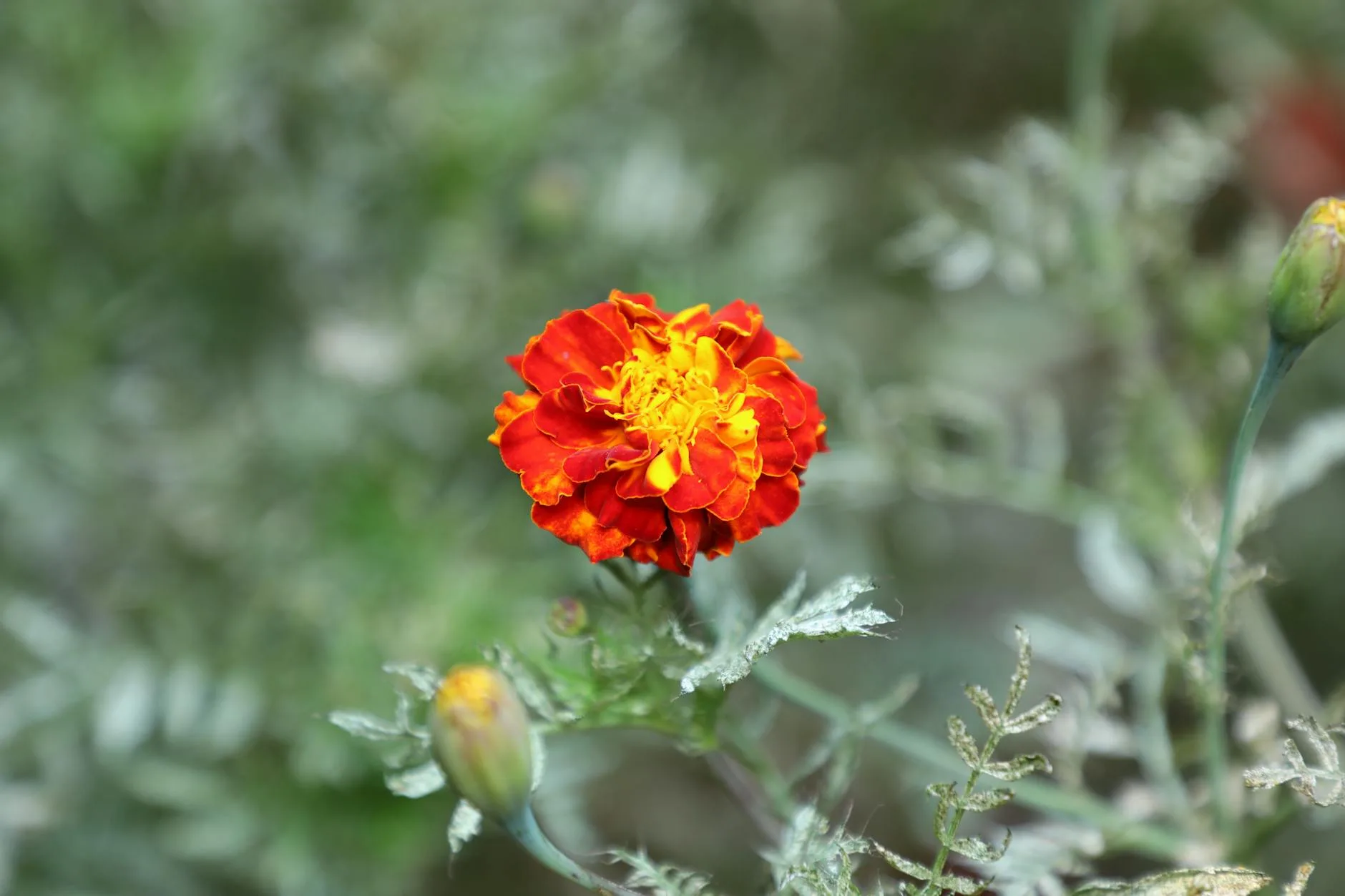
French marigolds (Tagetes patula) release a chemical from their roots that repels soil nematodes, and their strong smell deters cabbage white butterflies. Plant marigolds around the edges of your brassica bed — one marigold every 30cm provides good coverage.
Lettuce and Tall Crops
Lettuce bolts (goes to seed) in hot weather. Growing it in the partial shade of taller crops — sweetcorn, beans on a frame, tomatoes — extends the harvest by keeping it cooler. This is especially useful in UK summers when a July heatwave can ruin an entire lettuce bed in days.
Strawberries and Borage
Borage attracts pollinators and is reported to improve strawberry flavour and yield. It is also edible — the flowers taste mildly of cucumber and look good in a salad. Plant one or two borage plants at the end of each strawberry row. If you are growing strawberries, our strawberry growing guide covers the full technique.
Plants You Should Never Grow Together
Tomatoes and Brassicas
Brassicas (cabbage, broccoli, cauliflower, kale) are heavy nitrogen feeders that deplete the soil rapidly. Tomatoes also need plenty of nutrients. Growing them together creates competition that stunts both crops. Keep them in separate beds or at least 1 metre apart.
Beans and Alliums
Onions, garlic, leeks, and chives inhibit the growth of beans and peas. The compounds alliums release into the soil suppress the nitrogen-fixing bacteria in legume roots, which defeats one of the main advantages of growing beans. Never interplant these two families.
Fennel and Almost Everything
Fennel releases a chemical from its roots that inhibits the growth of most other plants. It even affects other herbs. Grow fennel in a pot or in an isolated corner of the garden — never in a mixed bed. This is one of the few companion planting rules that is absolute.
Potatoes and Tomatoes
Both are in the Solanaceae family and share the same diseases — particularly blight. Growing them near each other makes blight spread faster and more severely. Keep them as far apart as your garden allows. Our Best Garden Forks and Spades 2026 UK guide is useful alongside this.
Dill and Carrots
Dill and carrots are both umbellifers. Dill can cross-pollinate with carrots, and the two compete for the same resources. More practically, dill attracts carrot fly rather than repelling it. Keep them well apart.
Companion Planting for Pest Control
Aphids
- Attract: nasturtiums (trap crop — aphids prefer them to your vegetables)
- Repel: strong herbs — mint, chives, garlic, rosemary planted near vulnerable crops
- Attract predators: alyssum and fennel attract hoverflies and lacewings, whose larvae eat aphids by the hundred
Carrot Fly
- Repel: spring onions, chives, leeks, rosemary, sage — all mask the carrot scent
- Physical barrier plus companions: a 60cm barrier of fine mesh combined with onion companions provides near-complete protection
Cabbage White Butterflies
- Repel: rosemary, thyme, sage, mint — plant along the edges of brassica beds
- Trap crop: nasturtiums attract the butterflies away from your cabbages
- Physical companion: tall plants like sweetcorn or sunflowers make it harder for butterflies to locate low-growing brassicas from the air
Slugs
- Deter: garlic planted around vulnerable crops. Garlic wash (crushed garlic steeped in water) sprayed on soil deters slugs temporarily
- Distract: sacrificial lettuce planted at bed edges draws slugs away from your main crop
Companion Planting in Raised Beds
Raised beds are ideal for companion planting because you control the soil, spacing, and layout precisely. The compact space also means companion effects are more concentrated.
Space-Efficient Pairings for Raised Beds
- Tomato + basil + marigold — a classic trio that fits a 1.2m x 1.2m bed perfectly
- Lettuce + radish + carrots — radishes mature quickly (30 days), freeing space for the slower carrots and lettuce
- Beans + sweetcorn + squash — the Three Sisters in a 1.2m x 2.4m bed
- Courgette + nasturtium + borage — one courgette plant with a ring of companions
For more on getting started with raised beds, see our guide on raised beds for beginners.
Vertical Companions
Use climbing beans or peas on a trellis at the north side of a raised bed (so they do not shade shorter crops). Plant lettuce, radish, or spinach in the partial shade at the base of the trellis. The climbers fix nitrogen while the ground crops enjoy the cooler microclimate.
Companion Planting Month by Month
March-April: Early Season
- Sow broad beans with a few dill plants between them (dill attracts hoverflies for early aphid control)
- Plant garlic around the edges of beds where you will later plant brassicas
- Start marigold seeds indoors — they need a head start to be ready for planting out in May
May-June: Main Season
- Plant tomato and basil together after the last frost (usually mid-May in southern UK, late May further north)
- Sow carrot and spring onion rows side by side
- Plant out marigolds around brassica beds
- Direct sow nasturtiums near beans and courgettes
July-August: Midsummer
- Successional sow lettuce in the shade of established tomatoes and beans
- Plant borage near strawberries for a late-season pollinator boost
- Allow some herbs (thyme, oregano, coriander) to flower — they attract beneficial insects
September-October: Late Season
- Plant garlic cloves for next year alongside winter-sown broad beans
- Leave bean and pea roots in the ground — the nitrogen-fixing nodules will feed next spring’s crops
- Sow green manure (clover, field beans) as companion cover crops to protect and feed the soil over winter. Our composting guide covers building soil fertility between seasons.
Common Companion Planting Mistakes
Overcrowding
Companion planting does not mean cramming more plants into the same space. Each plant still needs adequate room for roots, light, and airflow. Overcrowded companions compete rather than cooperate. Follow spacing guidelines for each crop even when interplanting.
Expecting Miracles
Companion planting reduces pest pressure — it does not eliminate it. If your brassicas are under heavy cabbage white attack, companions will help but fine mesh netting will help more. Use companions alongside other integrated pest management techniques, not instead of them.
Planting Companions Too Late
Companions need to be established when the main crop needs them. Planting marigolds around your cabbages in August when the butterflies arrived in June is too late. Plan ahead — start companion seeds indoors in March so they are ready to plant out with or before your main crops.
Ignoring Soil and Light Needs
Not every companion pairing works in every situation. Mediterranean herbs (rosemary, thyme, sage) like dry, well-drained soil. Brassicas like rich, moisture-retentive soil. Planting them together means one or both will be unhappy. Match companions that share similar growing conditions.

Getting Started: A Simple First-Year Plan
If you are new to companion planting, start with three proven combinations and build from there.
Bed 1: Tomato, Basil and Marigold
Plant 3-4 tomato plants with basil at the base of each and a ring of French marigolds around the edge. This is the most reliable companion trio and produces visible results in pest reduction and pollinator visits.
Bed 2: Carrots and Spring Onions
Sow alternating rows, 15cm apart. This is simple to set up and the carrot fly reduction is measurable from year one.
Bed 3: Courgette and Nasturtium
One courgette plant surrounded by 4-5 nasturtiums. The nasturtiums attract pollinators and draw aphids away. Both are easy to grow, making this a low-risk experiment.
Keep notes on what works and what does not. After one season, you will have enough evidence to expand your companion planting across the whole plot.
Frequently Asked Questions
Does companion planting actually work? Yes. Research from the RHS and multiple agricultural studies confirms that specific plant combinations reduce pest damage, improve pollination, and make more efficient use of soil nutrients. The effects are not dramatic — you will not eliminate all pests — but they are consistent and measurable across seasons.
Can I companion plant in containers? You can, with smaller combinations. Tomato and basil in a large pot (at least 40cm diameter) is the classic container pairing. Chives around the edge of a pot of lettuce work well too. The key is using a pot large enough that neither plant competes for root space.
What is the best companion plant for deterring slugs? Garlic is the most effective companion for slug deterrence, though no plant eliminates slugs entirely. Planting garlic around vulnerable crops and using garlic wash on surrounding soil provides modest protection. Combine with other slug controls (beer traps, copper tape, nematodes) for best results.
Do marigolds really repel pests? French marigolds (Tagetes patula) release compounds from their roots that repel soil nematodes, and their strong scent deters some flying pests including cabbage white butterflies. They also attract hoverflies whose larvae eat aphids. The evidence for marigolds is stronger than for most companion plants.
Should I companion plant in a small garden? Small gardens benefit the most from companion planting because you maximise what you grow in limited space. A single raised bed with tomatoes, basil, and marigolds is a productive companion planting system that fits any garden. The closer spacing of small gardens also makes companion effects more concentrated.