You’ve got a patch of garden and you want to grow vegetables. The first question isn’t what to plant — it’s where to plant it. Dig straight into the ground like your grandad did, or build raised beds like every gardening Instagram account suggests? Both work. The right answer depends on your soil, your back, your budget, and how much effort you want to put in before a single seed goes in.
In This Article
- The Quick Comparison
- What Raised Beds Actually Are
- Advantages of Raised Beds
- Disadvantages of Raised Beds
- Advantages of In-Ground Gardening
- Disadvantages of In-Ground Gardening
- Soil and Drainage
- Cost Comparison
- Which Vegetables Grow Better in Each
- Accessibility and Physical Comfort
- Pests and Weeds
- Watering Differences
- The Hybrid Approach
- Frequently Asked Questions
- Which Should You Choose?
The Quick Comparison
- Raised beds — better drainage, easier on your back, you control the soil, higher upfront cost, need watering more often
- In-ground — cheaper to start, more forgiving of missed watering, unlimited root depth, requires good existing soil or heavy amendment, more weeding
Neither is objectively better. They solve different problems. If your soil is terrible, your back hurts, or you’re starting from a lawn or patio, raised beds make life easier. If you have decent soil, a larger plot, and don’t mind bending down, growing in the ground is simpler and cheaper.
What Raised Beds Actually Are
A raised bed is any growing area where the soil level is above the surrounding ground, contained by a frame. The frame can be timber, metal, stone, brick, recycled plastic, or even stacked railway sleepers. Most home raised beds are 20-30cm tall, though beds designed for wheelchair or standing access can be 60-90cm.
What’s Inside
You don’t fill raised beds with garden soil — you fill them with a purpose-made mix. The standard recipe is roughly:
- 60% topsoil — provides bulk and structure
- 30% compost — adds nutrients and improves moisture retention
- 10% perlite, vermiculite, or sharp sand — improves drainage
This gives you a growing medium that’s better than most UK garden soil from day one. No clay, no compaction, no mystery about what’s in there.
What They’re Not
Raised beds aren’t the same as containers. A raised bed sits on the ground with an open bottom, allowing roots to penetrate into the earth below and worms to move in from underneath. A container is sealed at the base, limiting root depth and requiring more careful watering and feeding. The open-bottom design is important — it’s what gives raised beds an advantage over pots.
Advantages of Raised Beds
Better Drainage
UK clay soil — and most of England sits on some form of clay — holds water like a bath. In winter, plants sit in waterlogged soil and root rot kills them. Raised beds drain freely because the soil mix is designed for it, and the elevated position means gravity pulls excess water down and out. For root vegetables especially, this is transformative.
You Control the Soil
If your garden soil is heavy clay, compacted from years of foot traffic, full of rubble from building work, or contaminated (lead paint, old chemicals — more common than you’d think in urban gardens), raised beds let you start fresh. You fill them with exactly the soil mix your plants need. No digging out stones, no soil testing, no years of amendment.
Easier on Your Body
A 30cm raised bed means 30cm less bending. A 60cm bed means working at comfortable hand height. For anyone with back problems, knee issues, or reduced mobility, the ergonomic advantage of raised beds is the single biggest reason to choose them. The RHS guidance on raised beds specifically recommends them for accessible gardening.
Warmer Soil in Spring
Raised bed soil warms up faster than ground soil because air circulates around the frame and the smaller volume absorbs solar heat more quickly. This means you can plant 1-3 weeks earlier in spring — a meaningful advantage in the UK where the growing season is already short.
Defined Edges Reduce Weeding
The frame creates a clear boundary between growing space and paths. Grass and perennial weeds have to climb over the edge to invade, which is much harder than creeping across open ground. Weeding inside a raised bed is genuinely less work than weeding an equivalent area of open ground.
Better for Crop Rotation
With clearly defined beds, rotating crops between beds each year is simple. Bed 1 had brassicas this year, so it gets legumes next year. The structure makes rotation planning easy and reduces soil-borne disease buildup.
Disadvantages of Raised Beds
Upfront Cost
This is the biggest barrier. Building or buying raised beds, then filling them with soil, is expensive compared to digging into existing ground.
- Timber frame (1.2m × 2.4m): £30-80 for the frame alone
- Soil fill for a 30cm-deep bed: £80-150 for delivered topsoil and compost
- Total per bed: roughly £110-230
- Four beds (a typical small veg garden): £440-920
For comparison, digging over an equivalent area of existing garden costs nothing except effort and maybe a bag of compost (£5-8).
Our raised bed kit guide covers options at every price point.
Dries Out Faster
The same free drainage that prevents waterlogging means raised beds dry out faster than ground soil. In summer, a raised bed may need watering every day — sometimes twice in a hot spell. Ground-level soil stays moist longer because it’s connected to the broader water table.
Limited Root Depth
A 30cm raised bed gives roots 30cm of optimised soil plus whatever they can penetrate below. But the transition zone between the bed’s soil mix and the native ground can be abrupt — compacted clay below a loose, rich bed creates a barrier that shallow-rooted plants may not cross. Deeper beds (45-60cm) reduce this problem but cost more to fill.
Materials Degrade
Timber rots. Even pressure-treated softwood lasts only 5-10 years in ground contact before it needs replacing. Untreated timber lasts 2-4 years. Metal corrodes (though galvanised steel lasts 15-20 years). Only stone, brick, and recycled plastic are truly long-term solutions.
Slugs Love Edges
The warm, moist gap between the frame and the soil is prime slug habitat. Slugs hide in crevices during the day and emerge at night to feast on your seedlings. This is a persistent problem that in-ground gardens have to a lesser degree because there are fewer hiding spots near the plants.
Advantages of In-Ground Gardening
Zero Upfront Cost
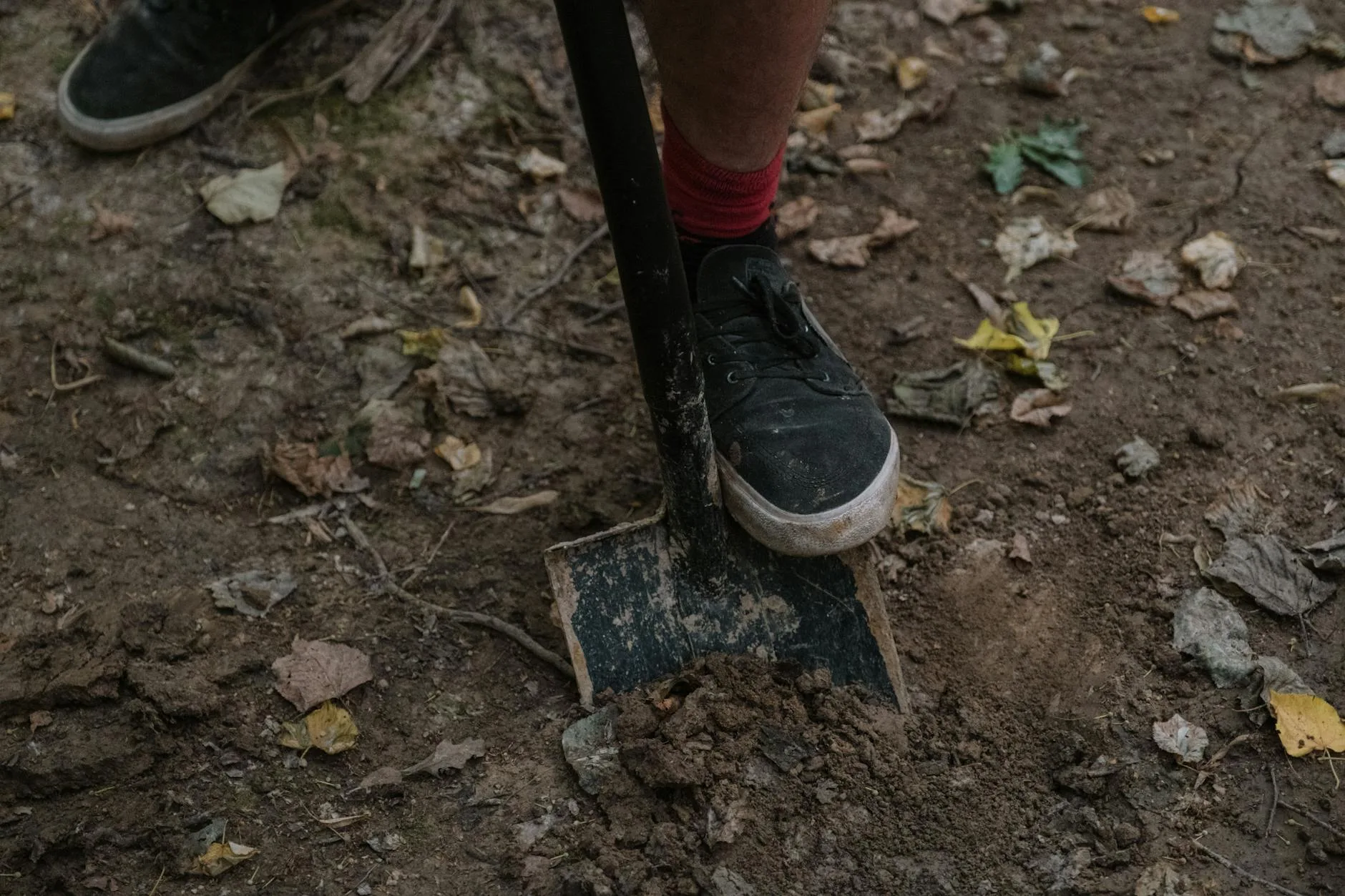
If you have soil, you can grow in it. No frames, no soil delivery, no construction. A fork, a spade, and some compost from the council green waste bin (about £5-8 per bag from most councils) is all you need to start.
Unlimited Root Depth
Plant roots in the ground can grow as deep as they want. Parsnips, carrots, and deep-rooted brassicas aren’t constrained by a frame. Trees and perennial crops especially benefit from unrestricted root space — something raised beds fundamentally limit.
More Forgiving of Missed Watering
Ground soil stays moist longer than raised bed soil because it’s connected to the wider water table and has greater thermal mass. If you forget to water for a few days in summer, ground plants are more likely to survive than raised bed plants. For holiday-prone or busy gardeners, this matters.
Larger Scale Is Practical
An allotment plot (typically 250m² or a half plot of 125m²) would be absurdly expensive to fill with raised beds. In-ground growing is the only practical approach for larger areas. Even in a home garden, if you want to grow sweetcorn, squash, potatoes, or other space-hungry crops, ground planting is more efficient.
Natural Ecosystem
Growing in the ground connects your plants to the broader soil ecosystem. Mycorrhizal fungi, earthworms, soil bacteria, and other organisms that improve soil health and plant nutrition are more abundant and diverse in established ground soil than in the artificial mix of a new raised bed. Over time, a well-managed in-ground garden develops a rich, living soil that no raised bed can match.
Disadvantages of In-Ground Gardening
Soil Quality Is a Lottery
Your garden soil is whatever it is. Heavy clay, sandy and nutrient-poor, compacted from construction, contaminated from previous uses — you work with what you’ve got. Improving poor soil takes years of composting, mulching, and organic matter addition. Our soil types guide helps you identify what you’re working with.
More Weeding
Without defined bed edges, weeds have unrestricted access to your growing area. Perennial weeds like couch grass, bindweed, and ground elder can invade from neighbouring plots or paths. In-ground vegetable gardens require regular weeding throughout the growing season — a task that raised beds reduce but don’t eliminate.
Harder on Your Body
All work happens at ground level. Planting, weeding, harvesting, and soil preparation require bending, kneeling, or crouching. For able-bodied people this is fine; for anyone with back, knee, or hip problems, it becomes the limiting factor.
Slower to Warm in Spring
Ground soil takes longer to warm up than raised bed soil, which means a later start to the growing season. In northern UK and Scotland, this can shorten your productive season by 2-4 weeks compared to raised beds.
Drainage Depends on Your Soil
If you’re on heavy clay, drainage is poor and you can’t easily fix it. Raised beds bypass this problem entirely; in-ground growing on clay requires long-term soil improvement with organic matter, grit, and possibly drainage channels.
Soil and Drainage
Clay Soil
The most common challenge in UK gardens. Clay holds water, becomes waterlogged in winter, and bakes hard in summer.
- In-ground approach: Add organic matter (compost, well-rotted manure) every year. Over 3-5 years, the structure improves. Avoid walking on clay soil when wet — compaction makes it worse
- Raised bed approach: Bypass it entirely. Fill beds with good soil mix and ignore the clay beneath. This is the main reason many UK gardeners choose raised beds
Sandy Soil
Drains too fast and holds few nutrients. Water and fertiliser wash through quickly.
- In-ground approach: Add organic matter to improve water retention. Mulch heavily. Feed more frequently
- Raised bed approach: Less necessary than on clay, but beds still give you better nutrient retention if you use a compost-rich mix
Loam
The ideal soil — balanced drainage, good structure, holds nutrients. If you have loam, you’re lucky.
- In-ground approach: Works brilliantly. Just add compost annually to maintain quality
- Raised bed approach: Not needed for soil quality reasons. Only choose beds for ergonomic or aesthetic reasons
Cost Comparison
Year One — Starting from Scratch
For a 4-bed veg garden (4 beds of 1.2m × 2.4m each):
Raised beds:
- Timber frames: £120-320 (or £200-400 for metal)
- Soil fill (topsoil + compost): £320-600
- Seeds and plants: £20-50
- Total: £460-970
In-ground (same growing area):
- Soil amendment (compost, manure): £30-60
- Seeds and plants: £20-50
- Tools (if not owned): £30-50
- Total: £80-160
Ongoing Annual Costs
Raised beds: £30-60 per year for compost top-up and mulch. Timber replacement every 5-10 years (£120-320)
In-ground: £20-40 per year for compost and manure. No structural costs
The 5-Year View
Over 5 years, raised beds cost roughly 3-4x more than in-ground gardening. The premium buys you better drainage, easier access, and controlled soil — worth it for many gardeners, but it’s important to know what you’re paying for.
Which Vegetables Grow Better in Each
Better in Raised Beds
- Root vegetables (carrots, parsnips, beetroot) — loose, stone-free soil prevents forking and misshapen roots
- Salad crops (lettuce, rocket, spring onions) — quick-draining soil prevents rot. Closer planting in intensive beds maximises yield
- Mediterranean crops (tomatoes, peppers, aubergines) — warmer soil and better drainage suit these heat-loving plants
- Herbs — most herbs prefer well-drained soil. Rosemary, thyme, and sage do particularly well in raised beds
Better in the Ground
- Potatoes — need deep soil and room to spread. Growing in the ground or dedicated potato beds is more practical than standard raised beds
- Sweetcorn — needs block planting (at least 3×3) for wind pollination. This requires more space than most raised beds offer
- Squash and courgettes — sprawling plants that take up too much raised bed space relative to their yield. Plant in the ground and let them trail
- Perennial crops (asparagus, rhubarb, fruit bushes) — need permanent positions with unrestricted root depth. Ground planting suits them best
Either Works Well
- Brassicas (cabbage, broccoli, kale) — happy in both. Raised beds protect against clubroot in contaminated soil
- Beans and peas — grow well in both. The structure of raised beds is useful for supporting climbing varieties
- Onions and garlic — perform well in both. Raised bed drainage helps prevent rot during storage-ripening
Our beginner vegetable guide covers the easiest crops to start with regardless of bed type.
Accessibility and Physical Comfort
This is the deciding factor for many gardeners, and it’s worth being honest about.
Ground-Level Growing
- Requires: Kneeling, bending, crouching, getting up from ground level
- Suitable for: People without mobility limitations
- Kneeling pads and garden stools help but don’t eliminate the physical demand
Standard Raised Beds (20-30cm)
- Reduces bending by 20-30cm, which is noticeable but not transformative
- Sitting on the edge of a 30cm bed while working is comfortable
- Good compromise between cost and accessibility
Tall Raised Beds (50-90cm)
- Standing or seated working — no bending required
- Wheelchair accessible — beds at 60-70cm allow a wheelchair user to reach across
- Much more expensive — deeper beds cost more to build and fill
- Best for: Anyone with chronic pain, limited mobility, or who plans to garden for decades and wants to future-proof their setup
Pests and Weeds
Raised Beds
- Slugs hide in frame edges and gaps. Copper tape around the outside helps deter them (about £5-10 per bed)
- Weeds are reduced but not eliminated. Annual weed seeds still blow in. A mulch layer on top suppresses most of them
- Cats love using loose raised bed soil as a litter tray. Netting or prickly twigs on the surface deter them
- Mice and voles can tunnel into beds from below. A layer of chicken wire at the base prevents this on new builds
In-Ground
- Slugs are present but have fewer concentrated hiding spots than around raised bed edges
- Weeds are the primary challenge. Perennial weeds invade from paths, borders, and neighbouring gardens. Regular hoeing and mulching are essential
- Soil pests (leatherjackets, wireworms, chafer grubs) are more common in established ground soil. Crop rotation helps break pest cycles
- Our weed prevention guide covers methods for both raised and in-ground beds
Watering Differences
Raised Beds Need More Water
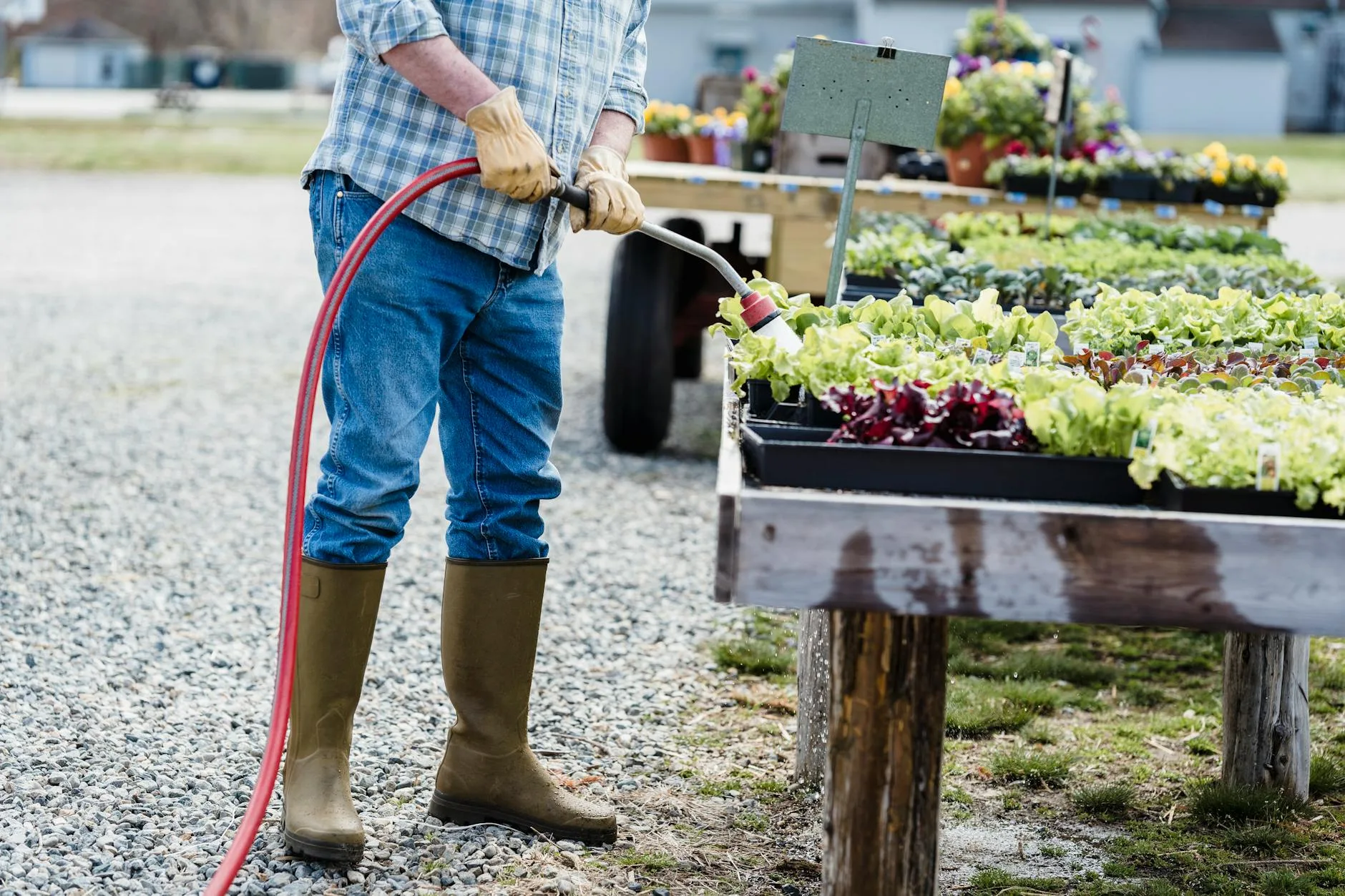
The improved drainage that prevents waterlogging also means water passes through faster. In summer, raised beds typically need watering every 1-2 days. A 1.2m × 2.4m bed uses about 20-30 litres per watering session.
In-Ground Retains Moisture Longer
Ground soil stays moist for longer because it’s connected to surrounding soil and the water table. In most UK summers, established in-ground vegetables need watering every 3-5 days unless there’s a prolonged dry spell.
Water-Saving Tips for Raised Beds
- Mulch — a 5-8cm layer of compost, straw, or wood chip on the soil surface reduces evaporation by 50-70%
- Irrigation — a soaker hose or drip irrigation system (about £20-40) on a timer saves water and ensures consistent moisture
- Water-retaining granules — mixed into the soil, they absorb water and release it slowly. Useful but not a substitute for proper watering
- Evening watering — less evaporation than morning watering during hot weather
The Hybrid Approach
Most experienced gardeners use both — and this is probably the right answer for most situations.
How to Combine Them
- Raised beds for intensive crops: salads, herbs, root vegetables, climbing beans, and anything you harvest frequently. The easy access and controlled soil pay off for crops you work with daily
- In-ground for space-hungry crops: potatoes, sweetcorn, squash, fruit bushes, and perennials. These need room to spread and deep roots that raised beds can’t easily provide
- Our raised bed beginner’s guide covers how to plan your first beds alongside existing ground plantings
Frequently Asked Questions
Are raised beds worth the cost? If your soil is heavy clay, contaminated, or very poor quality, yes — the cost is justified by the immediate improvement in growing conditions. If your soil is decent loam, the benefits are mainly ergonomic and aesthetic, which may or may not justify the expense. Start with one bed and see whether the difference matters to you before committing to a full garden conversion.
How deep should a raised bed be? At least 20cm for salads and herbs, 30cm for most vegetables, and 45cm+ for deep-rooted crops like carrots and parsnips. If accessibility is a priority, 60-90cm allows standing or seated working. Deeper beds cost more to fill but give roots more room and hold moisture better.
Can I fill raised beds with garden soil? You can, but you’ll lose most of the advantages. Garden soil in a raised bed often compacts, drains poorly, and brings weeds and pests with it. The whole point is to start with a better growing medium — a topsoil/compost/drainage mix. If budget is tight, use garden soil for the bottom third and good mix for the top two-thirds.
Do raised beds need a bottom? No — and they shouldn’t have one. An open bottom allows worms to enter from below, roots to extend into the ground, and excess water to drain. Adding a bottom turns a raised bed into a container, which requires more watering and feeding. The only exception is a layer of chicken wire at the base to deter burrowing pests.
Is it better to grow in the ground or in raised beds? It depends on your soil, mobility, and budget. Raised beds are better for poor soil, accessibility, and intensive growing. In-ground is better for large plots, deep-rooted crops, and tight budgets. Most productive gardens use a combination of both.
Which Should You Choose?
Choose raised beds if: your soil is heavy clay or poor quality, you have back or mobility issues, you want a neat and defined growing area, or you’re converting a patio or lawn with no existing beds.
Choose in-ground if: your soil is reasonable, you’re growing on a larger scale, budget is tight, or you’re growing crops that need deep roots and lots of space.
Choose both if: you’re planning a productive garden that grows a range of crops. Raised beds for the intensive stuff you harvest daily, in-ground for everything else. This is what most allotment holders end up doing, and it’s the most practical approach for maximising output from a typical UK garden.