Growing potatoes is worth doing when you choose the right type for your space, plant at the right time, and keep watering steady once the plants bulk up. This grow potatoes UK guide is for normal gardens, raised beds, allotments, patios and bags, not a fantasy smallholding with perfect soil and unlimited compost.
In This Article
- Grow Potatoes UK Guide: The Short Version
- Choosing Seed Potatoes, Varieties and Where to Put Them
- Planting Potatoes in Beds, Bags or Containers
- Earthing Up, Watering and Feeding Without Making a Mess
- Blight, Frost, Slugs and Other UK Potato Problems
- Harvesting, Curing and Storing Potatoes
- What I Would Buy for a First Potato Crop
- Frequently Asked Questions
Grow Potatoes UK Guide: The Short Version
Potatoes are forgiving, but they are not magic. They need light, loose soil or compost, regular water, and enough space for tubers to swell. The reason many first crops disappoint is not bad luck; it is usually planting too many seed potatoes in too little compost, letting bags dry out, or leaving blight-hit foliage sitting around the plot.
The basic UK timing
The simplest calendar is:
- First earlies: plant from late March in most areas, a little later in cold gardens, and harvest roughly June to July.
- Second earlies: plant in early to mid-April and harvest in July or August.
- Maincrop potatoes: plant from mid-April to early May and harvest from late summer into autumn.
The RHS potato growing guide uses the same broad spring planting pattern, with the sensible caveat that colder regions should go later. That matters in the UK because a sheltered London patio and a windy allotment in Northumberland do not start spring on the same date.
For a first attempt, I would grow first earlies or second earlies. They are quicker, less exposed to late-summer blight, and more exciting to harvest. Maincrops make sense if you have an allotment bed, a proper raised bed, or enough room to grow storage varieties without stealing space from every other crop.
The space decision
In the ground, potatoes are a space-hungry crop. In bags, they are compost-hungry. Neither version is free food. If you only have a balcony, grow two or three bags of early potatoes for the pleasure of fresh new potatoes, not because it will beat supermarket prices.
If you have a new plot, potatoes are useful because the planting, earthing up and harvesting process helps open up soil. They also fit neatly after winter clearing and before autumn cover crops. If your soil is heavy clay, read the GrowPlotUK guide to garden soil types first, because drainage will decide whether your tubers swell or sulk.
Choosing Seed Potatoes, Varieties and Where to Put Them
Buy certified seed potatoes rather than planting random supermarket potatoes. Supermarket potatoes are for eating, may have been treated to reduce sprouting, and can bring disease problems into the garden. Seed potatoes are not expensive in the context of a season: expect roughly £6-£10 for 1kg of common varieties or about £9-£16 for 2kg from UK suppliers such as Marshalls, Dobies, Thompson & Morgan or local garden centres.
Earlies, second earlies and maincrops
The label matters more than the variety name when you are starting out.
- First earlies: fast, waxy, brilliant for new potatoes, and the safest choice for containers.
- Second earlies: still fairly quick, often better yield than first earlies, useful for salads and summer meals.
- Maincrops: bigger plants, longer season, better for baking, roasting and storing, but more exposed to blight.
For a first crop, Charlotte, Jazzy, Maris Peer and Arran Pilot are friendly choices. For maincrop, Cara, Desiree and Rooster are widely sold and less fussy than some specialist varieties. I would not start with a novelty purple potato unless you already know you like the flavour and cooking texture.
Chitting: useful, not sacred
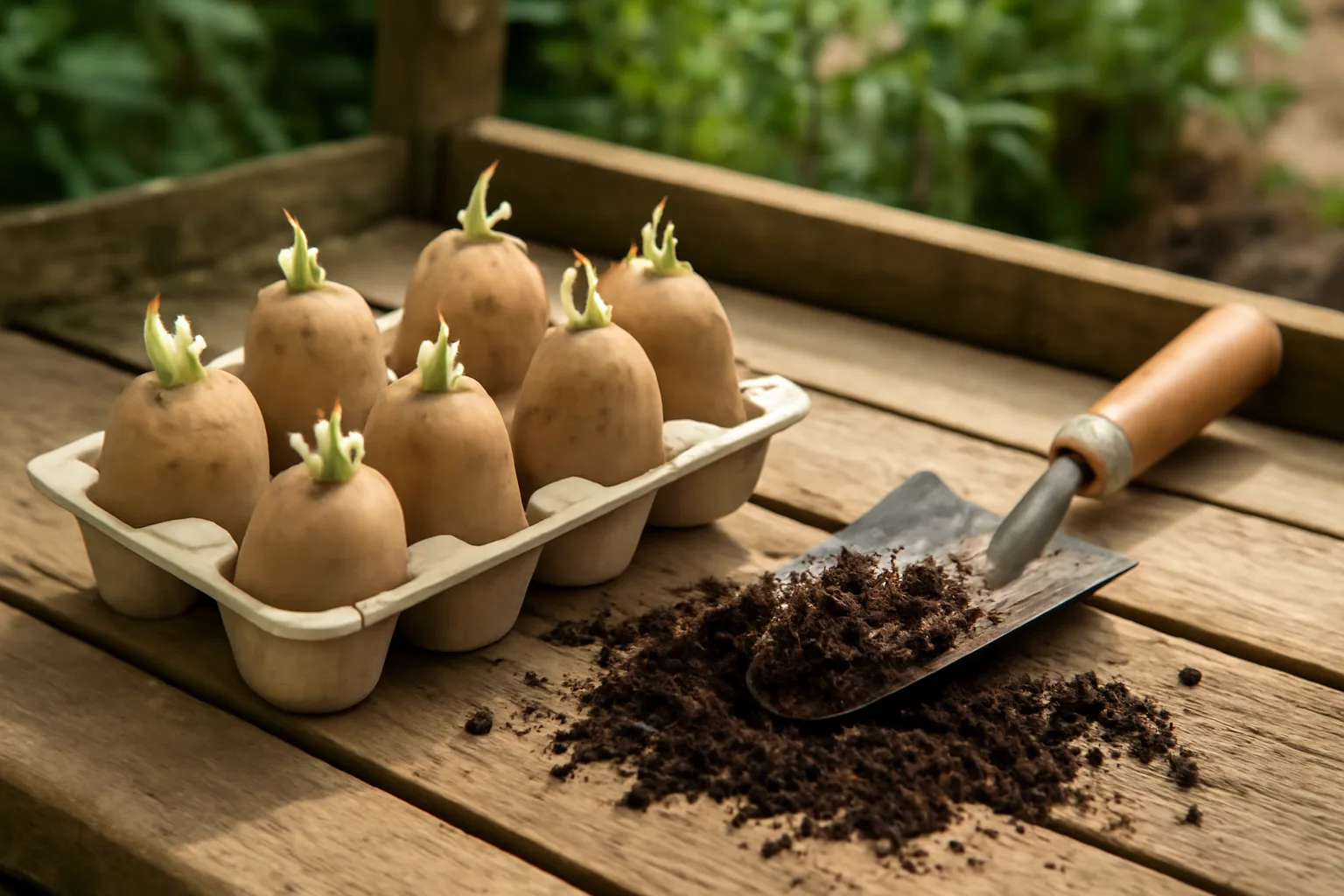
Chitting means letting seed potatoes sprout in a cool, bright, frost-free place before planting. Egg boxes work nicely. Put the end with the most eyes facing up and leave them for a few weeks until the shoots are short and sturdy.
For first earlies, I think chitting is worth doing because it gives them a cleaner start. For second earlies and maincrops, it is helpful but not something to panic over. Long, pale, brittle shoots are worse than no chitting at all, so do not hide them in a dark cupboard and call it preparation.
Sun and soil
Potatoes want sun and consistent moisture. They will tolerate imperfect soil, but they hate sitting in cold, waterlogged ground. If you are growing in beds, work in compost or well-rotted manure a few weeks before planting. Fresh manure can make scab worse, so use old material rather than anything hot, clumpy or still smelling like a stable.
In a raised bed, keep potatoes on the edge of your rotation if you can. They need room, and harvesting disturbs the bed. If you are still planning the layout, the guide to raised bed vegetable garden layout will save some head-scratching before you bury half the bed in potatoes.
Planting Potatoes in Beds, Bags or Containers
The planting method changes with the space, but the aim is the same: put each seed potato in loose growing medium with enough depth above it for earthing up. Do not cram them. Crowding gives you lots of tiny tubers and a smug-looking plant that has not actually fed you much.
Planting in open ground or raised beds
For beds, make a trench about 10-15cm deep. Space first earlies around 30cm apart, with rows about 45cm apart. Maincrops need more room: around 35-40cm between tubers and 60-75cm between rows is more realistic.
Set the seed potatoes with the strongest shoots pointing up, cover them with soil, and label the row. The label sounds fussy until June, when every row on the plot looks the same.
If your soil is poor, add garden compost to the trench rather than pouring in strong fertiliser. A balanced potato fertiliser is fine at the packet rate. More feed does not mean more potatoes; sometimes it just means lots of foliage and delayed tubers.
Planting in bags
Potato bags are useful for patios, rental gardens and anyone who wants a small crop without digging. A 40-litre bag usually suits three seed potatoes. Two will give larger tubers and less watering stress. Four is usually greed dressed up as optimism.
Start with 10-15cm of compost in the base, place the seed potatoes on top, then cover with another 10cm. As shoots grow, add compost until the bag is nearly full. Leave a watering lip at the top or every watering can will run down the outside and make you wonder why the compost is dry.
The existing GrowPlotUK guide to best potato grow bags in the UK covers product choice in more detail. For this article, the short version is that fabric bags breathe better, plastic bags hold moisture longer, and either type needs drainage holes.
Planting in large pots
A large rigid pot works if it is deep enough and has drainage. I would use at least 35-40 litres for two early seed potatoes. Old builders’ buckets can work if you drill plenty of holes, but black plastic gets hot on a south-facing patio, so keep an eye on watering.
Use peat-free multipurpose compost mixed with garden compost if you have it. A 50-litre bag of peat-free compost is often £6.50-£8.50 from Wickes, B&Q or garden centres, and potato bags can eat through it quickly.
Earthing Up, Watering and Feeding Without Making a Mess
Earthing up is just drawing soil or compost around the stems as they grow. It protects young shoots from light frost, stops developing tubers turning green, and gives the plant more covered stem where tubers can form.
How to earth up
When shoots reach around 15-20cm tall, pull soil or compost up around them, leaving the top leaves showing. Repeat as the plants grow. In bags, add compost in layers. In beds, use a draw hoe or trowel and work from both sides of the row.
Do not bury the plant completely every weekend. The leaves need light. Earthing up is a gradual support act, not an attempt to mummify the crop.
Watering is the boring bit that decides the crop
Potatoes need consistent moisture once tubers start forming. Dry spells followed by heavy watering can cause uneven growth, splitting and scab. Containers dry out much faster than beds, especially on paved patios where heat reflects back into the bag.
In dry weather, a potato bag may need a full watering can every couple of days. Beds need less frequent watering but deeper soaking. If water runs straight through a bag, pause, let the compost absorb it, then water again.
A simple timer-fed drip kit can help if you are growing several containers. Budget options from Hozelock, Gardena or Claber often start around £25-£45, while a more complete raised-bed watering setup can run £60-£120. The GrowPlotUK watering systems guide is useful if you are doing more than a couple of bags.
Feeding
Potatoes are hungry but not complicated. In beds with decent compost, one balanced potato fertiliser at planting and another light feed when plants are growing strongly is usually enough. In bags, liquid tomato feed every week or two once flowering starts is a common, cheap option. A litre bottle is usually £4-£7 from B&Q, Wilko-style discount shops or garden centres.
Do not overdo nitrogen. Lots of leafy growth can look impressive while the tubers stay small. Ask me how I know.
Blight, Frost, Slugs and Other UK Potato Problems
Potatoes are easy until the UK weather gets involved. A warm, humid spell can bring blight. A late frost can blacken shoots. Slugs find tubers with the determination of a toddler finding the one chocolate biscuit you hid at the back of the cupboard.
Frost
Early shoots are vulnerable. If frost is forecast, cover them with horticultural fleece, an upturned bucket overnight, or extra soil if they are still small. A roll of garden fleece is usually £5-£12, depending on size, and it earns its keep across spring crops. The GrowPlotUK guide to fleece and cloches goes deeper on spring protection.
If frost catches the leaves, do not pull the plant up immediately. Light damage often regrows. Repeated frost is different, which is why one warm March weekend should not set the whole planting calendar.
Blight
Potato blight thrives in warm, damp conditions and can turn healthy foliage into a collapsed mess very quickly. Earlies often dodge the worst of it because they finish before late-summer pressure builds. Maincrops need more vigilance.
Watch for dark blotches on leaves, especially after humid weather. If foliage is badly affected, cut it off and remove it rather than leaving it to spread. The RHS advice on disposing of diseased plant material is worth following: infected material should be removed promptly and handled carefully so disease is not spread around the garden.
Do not put suspect potato tubers into the compost heap. Bag and bin diseased tubers. Healthy foliage is a different matter, but when in doubt, be cautious.
Slugs, scab and green potatoes
Slugs are worst in damp soil and damaged tubers. Harvest promptly once crops are ready, avoid leaving split potatoes behind, and rotate potatoes rather than growing them in the same patch every year.
Scab looks ugly but is usually only skin deep. It is more common in dry, alkaline soil, so steady watering helps. Green potatoes are different: they have been exposed to light and should not be eaten. Earthing up and keeping bags topped with compost prevents most of the problem.
Crop rotation also helps. Potatoes sit in the same broad family as tomatoes, so do not follow tomatoes with potatoes if you can avoid it. The GrowPlotUK crop rotation plan is a sensible reference for allotment-style growing.
Harvesting, Curing and Storing Potatoes
Harvest timing depends on the type and what you want from the crop. First earlies are best lifted young and eaten fresh. Maincrops are worth leaving until the skins set because they store better.
When to lift
For first earlies, start checking once flowers appear or the plant looks mature, usually around 10-12 weeks after planting. Carefully feel around the edge of the plant with your hand or a small fork. If the tubers are the size you want, lift the plant. If they are still marbles, water and wait.
Second earlies usually need a bit longer. Maincrops are generally lifted after the foliage has yellowed and died back. Choose a dry day if you can. Wet soil clings to everything and makes storage harder.
How to harvest without spearing half the crop
Use a fork, not a spade, and start wide of the plant. Lift gently, then search the soil by hand. In bags, tip the whole lot onto a tarp or into a wheelbarrow. Children are brilliant at finding missed potatoes.
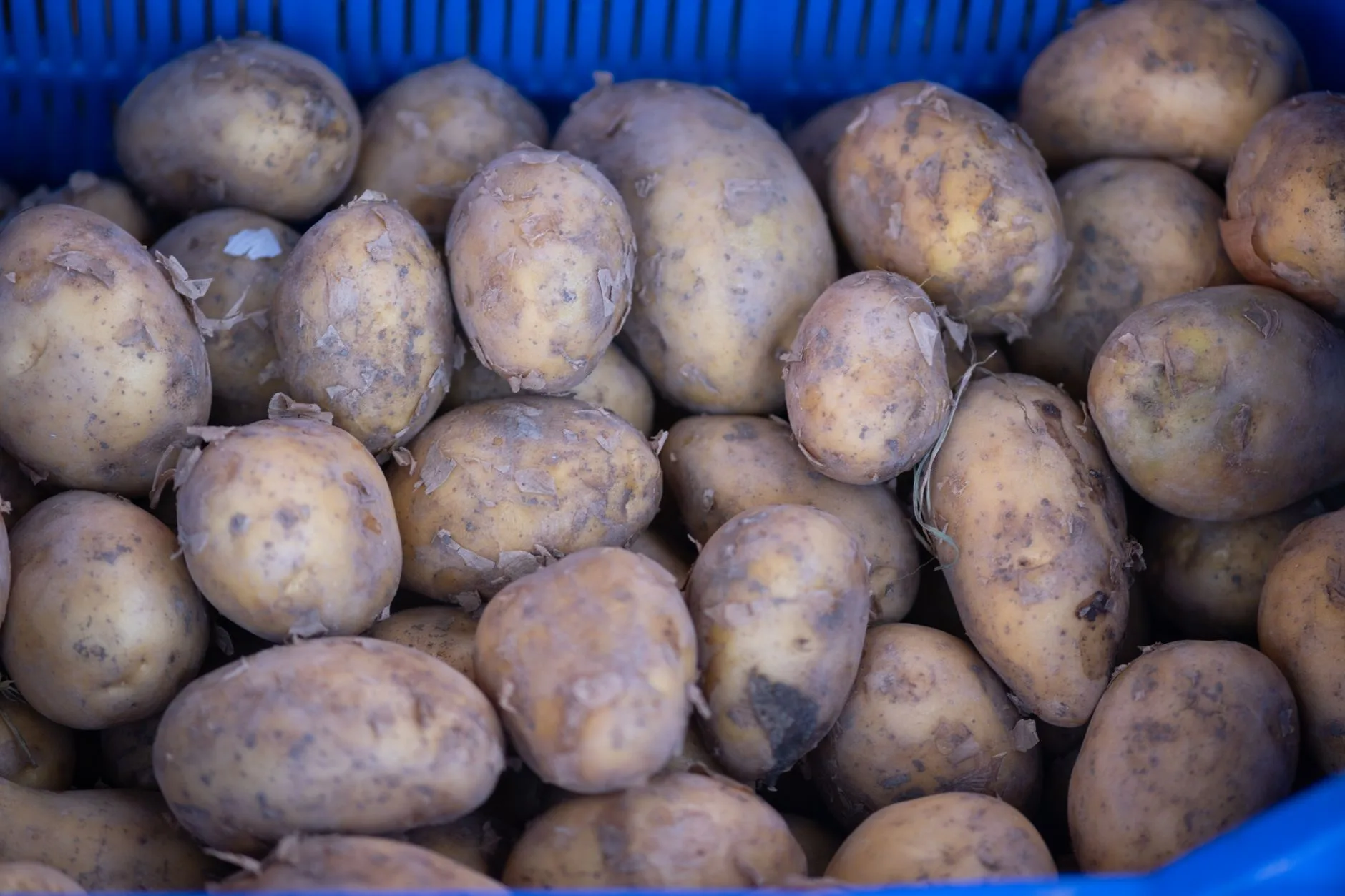
Do not wash potatoes you plan to store. Brush off loose soil once dry. Washing looks tidy but adds moisture, which is not your friend in storage.
Curing and storage
Earlies do not store well. Eat them within a few days or weeks. Maincrops can be cured by leaving them somewhere dry, airy and out of direct sun for a short period so the skins firm up. Then store them in hessian sacks, paper sacks or cardboard boxes in a cool, dark, frost-free place.
Check stored potatoes regularly. Remove any that go soft, mouldy or damaged. One rotten potato can spoil the mood of a whole sack.
What I Would Buy for a First Potato Crop
For a first crop, I would keep the kit boring. Spend money on seed potatoes, enough compost and a decent container rather than gadgets.
Best simple setup for a patio
For a patio or small garden, my pick would be:
- Seed potatoes: 1kg of first early or second early potatoes, about £6-£10 from a garden centre or online supplier.
- Containers: two 40-litre potato bags, often £10-£16 for a pair on Amazon UK or from garden centres.
- Compost: two or three 50-litre bags of peat-free multipurpose compost, roughly £6.50-£8.50 each from Wickes, B&Q or similar.
- Feed: a basic tomato feed, around £4-£7.
- Fleece: one small roll, about £5-£12, useful beyond potatoes.
That puts the first-year spend around £35-£65 depending on what you already own. You will not retire on the harvest, but tipping out a bag and finding dinner is still hard to beat.
Best setup for an allotment or raised bed
For an allotment, buy 2kg of seed potatoes and use a bed rather than bags. Add compost if the soil needs it, but do not buy endless bags of multipurpose compost for open ground. A bulk bag of soil improver is expensive up front, often £80-£130 delivered, but it makes sense if you are improving several beds. For one potato row, use homemade compost or a few bags of manure-based soil conditioner instead.
If you are building beds from scratch, read how to start a vegetable garden from scratch before ordering timber, compost and potatoes in a burst of January enthusiasm.
My honest recommendation
If you are new, grow two bags of Charlotte or Jazzy on a patio, or one short row of first earlies in a bed. Skip maincrops for year one unless you have the space. Keep notes on planting date, watering and harvest size. Next year, you can decide whether potatoes have earned more room.
That is the real point of a first potato crop. It teaches you your soil, your watering habits and your appetite for harvesting. The crop is dinner. The lesson is the bonus.
Frequently Asked Questions
What month do you plant potatoes in the UK? Most UK gardeners plant first earlies from late March, second earlies in early to mid-April, and maincrops from mid-April to early May. Go later in colder areas or exposed gardens.
Can I grow potatoes from supermarket potatoes? You can sometimes make them sprout, but it is a poor idea. Certified seed potatoes are more reliable and reduce the risk of bringing disease into your soil.
How many potatoes should I put in a 40-litre bag? Two or three seed potatoes is sensible. Four often gives crowded plants, faster drying compost and smaller tubers.
Do potatoes need full sun? They crop best in full sun, but they can tolerate light partial shade. In shade, expect slower growth and a smaller harvest.
How do I know when potatoes are ready to harvest? For earlies, check once the plants flower or after about 10-12 weeks. For maincrops, wait until the foliage yellows and dies back, then lift on a dry day if possible.
Can I reuse compost from potato bags? Do not reuse it for potatoes, tomatoes or related crops straight away. You can spread healthy spent compost as a soil improver elsewhere, but discard any compost that held diseased plants or rotten tubers.