Compost accelerators can help a slow heap, but they are not magic powder. If your bin is dry, too small, badly aerated or packed with woody brown waste, an accelerator may give it a nudge; if the heap has the wrong conditions, you are mostly buying nitrogen you could add for free.
In This Article
- Compost Accelerators: The Short Answer
- What Compost Accelerators Actually Add
- When an Accelerator Can Help
- When It Is a Waste of Money
- Free Alternatives That Usually Work Better
- UK Products, Prices and What I Would Buy
- How to Test Whether It Worked
- Frequently Asked Questions
Compost Accelerators: The Short Answer
Compost accelerators do work in the narrow sense that they can feed microbial activity, especially when a heap is short of nitrogen. They do not work in the way garden-centre shelves sometimes imply. They will not turn a tiny, cold, dry bin into rich compost in a fortnight, and they will not fix a heap that is basically a pile of sticks.
My view: buy an accelerator only after you have checked the basics. A good compost heap needs enough volume, mixed greens and browns, moisture like a wrung-out sponge, and some air. If those things are right, the heap will break down without a paid product. If one of those things is wrong, fix that first.
The RHS composting advice is still the best rule of thumb: green material is nitrogen-rich, brown material is carbon-rich, and problems usually come from too much of one side, too much water, too little water or too little air. That is more useful than any claim on a tub.
This is not an argument against compost accelerators altogether. I keep one small box around for autumn leaf-heavy heaps and sulky dalek bins that have been fed too much shredded cardboard. But if I had to choose between a £7 box of accelerator and a £12 compost thermometer, I would buy the thermometer first. It tells you what is actually happening.
If you are still setting up your first bin, read our beginner’s composting guide first. If your question is what can go in the bin, our compost bin ingredients guide is the safer place to start.
What Compost Accelerators Actually Add
Most compost accelerators are sold as powders or granules. The wording varies: accelerator, activator, compost maker, starter, booster. In practice, most are trying to do one or both of two jobs.
Nitrogen feed
The most useful ingredient is usually nitrogen. Compost microbes need nitrogen to break down carbon-rich material. If your bin is full of autumn leaves, straw, shredded paper, dead stems and woody prunings, it can sit there looking unchanged for months because it is short of green, nitrogen-rich material.
An accelerator adds a concentrated feed. Westland Garotta, for example, is described by Westland as promoting bacterial growth and helping the temperature rise. That is a plausible mechanism, but only if the heap also has moisture, air and enough mass to hold warmth.
Microbial starter claims
Some products also claim to add bacteria, fungi or enzymes. I am less excited by this. Garden waste is not sterile. Soil, old compost, leaves and kitchen peelings already bring microbes into the bin. In a normal outdoor heap, the missing piece is rarely “no microbes exist here”. It is usually food balance, moisture or air.
There are exceptions. A sealed system, a brand-new tumbler, or a heap made mostly from dry imported material may benefit from a scoop of finished compost or soil as a starter. But you do not need to pay much for that. A spadeful from an active heap is often enough.
What they cannot add
Accelerators cannot add volume. They cannot create oxygen inside a compacted wet lump. They cannot shred woody stems. They cannot make a thin plastic bin behave like a hot-composting system in January.
That is why compost accelerator worth it is the wrong question unless you also ask what is wrong with the heap. The product may help one problem and do nothing for another.
When an Accelerator Can Help
The best use case is a heap that has plenty of carbon-rich material but not enough green nitrogen. Think bags of autumn leaves, shredded hedge clippings, straw from animal bedding, torn cardboard, old pea sticks or dry perennial stems. That material can become good compost, but it is slow unless you balance it.
Leaf-heavy autumn heaps
Leaf-heavy heaps are the classic case. Leaves do break down, but leafmould is a slower, fungal process. If you want proper mixed compost rather than leafmould, you need greens mixed through the leaves. Grass clippings, spent veg plants and kitchen peelings help. An accelerator can also help if you have no fresh green material left.
This is where I would use a small amount of Garotta or Vitax Compost Maker. Not as a weekly ritual. Just sprinkled in layers as the heap is built, watered in, then mixed through.
Too much shredded paper or cardboard
Shredded paper and cardboard are useful browns, especially in wet bins, but they can dominate quickly. If your compost looks pale, papery and unchanged, it probably needs green waste and moisture. An accelerator can help because it adds nitrogen, but so can grass clippings.
The better fix is usually:
- Break up matted paper so it does not form dry plates.
- Mix in greens such as grass clippings, veg peelings or soft prunings.
- Water lightly if the heap feels dusty.
- Turn or fork through to bring air back in.
If you do those things and add accelerator, fine. If you only sprinkle powder on top, expect very little.
Small plastic bins that never quite get going
The black plastic “dalek” compost bins many UK councils sell are useful, but they are not always hot. They can work slowly at the edges, especially in shade. A compost accelerator may help a little if the contents are too brown, but it will not turn the bin into a hot composter.
If speed matters, our hot bin vs standard compost bin guide explains why insulated bins behave differently. The short version: heat comes from volume, insulation and active material, not just a bought additive.
When It Is a Waste of Money
The cases below are where I would leave the box on the shelf.
The heap is too dry
Dry compost does not rot well. You can add all the accelerator you like, but microbes need moisture. If the heap is dusty, pale and fibrous, water it in layers and mix it. Aim for damp, not dripping.
In summer, covered bins can dry out more than people expect. If the lid keeps rain out and you mostly add dry garden waste, the centre may be thirsty. A watering can does more than powder here.
The heap is too wet and compacted
A slimy, sour-smelling bin is usually too wet and short of air. Adding accelerator can make it worse if it feeds anaerobic activity without opening the structure. The better fix is dry browns: torn cardboard, woodchip, straw, chopped stems or shredded paper, mixed in properly.
This is where our compost troubleshooting guide is more useful than buying another product. Smell is a condition problem, not a brand problem.
The pieces are too large
Woody stems, whole brassica stalks and thick hedge clippings break down slowly because surface area is low. An accelerator cannot change that. Chop, shred or run dry stems through secateurs before adding them. Boring job. Works.
If you cannot shred, accept that those pieces may need a second pass through the next heap. I do this with tough kale stems and twiggy prunings rather than pretending a sachet will dissolve them.
The heap is too small
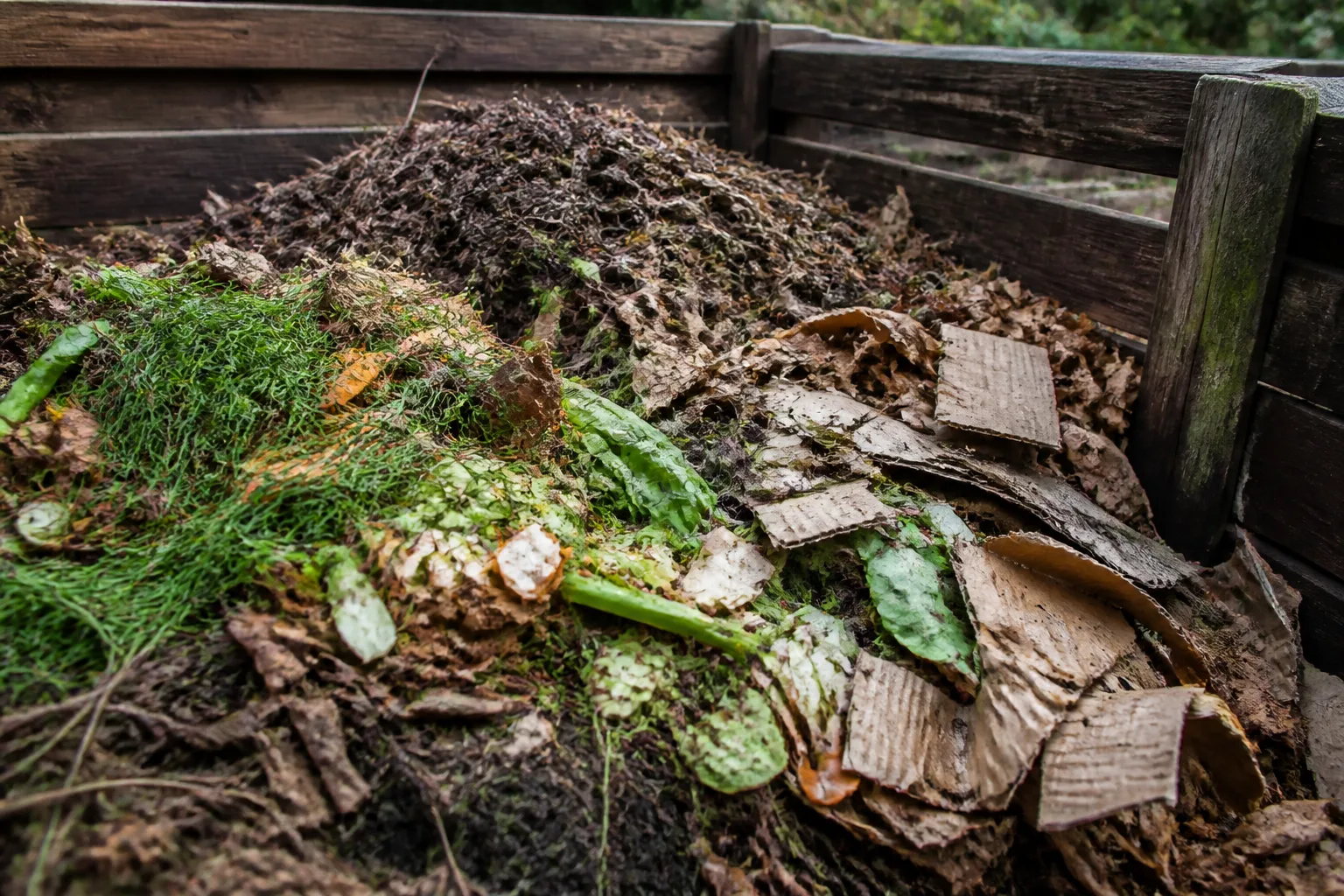
A tiny heap loses heat quickly. This matters if you are expecting fast, hot compost. A small bin will still rot eventually, but it may do so cold and slow. Accelerator can feed microbes, but it cannot stop heat escaping.
For a normal open heap, about 1 cubic metre is a useful target for hot composting. Many domestic bins are smaller, so slower results are not a failure. They are physics being rude.
Free Alternatives That Usually Work Better
Before buying an accelerator, try the free fixes. They are less tidy than a branded box, but they deal with the actual composting conditions.
Add fresh greens
Fresh grass clippings are the classic nitrogen source. Use them carefully. A thick layer of wet grass can turn into a smelly mat, so mix it with browns rather than dumping a mower box on top.
Good free nitrogen sources include:
- Grass clippings: strong nitrogen, best mixed thinly through browns.
- Vegetable peelings: useful in steady amounts, covered with browns to deter flies.
- Spent annual plants: soft green growth breaks down quickly.
- Coffee grounds: fine in moderation; do not build a heap around them.
- Comfrey or nettle leaves: excellent if you have them, though comfrey turns into black sludge if left in a bucket too long.
Do not overcorrect. A heap that is all greens becomes wet and smelly. Balance is the point.
Add finished compost or garden soil
A spadeful of finished compost introduces microbes and helps seed the heap. Garden soil can do the same, though too much soil makes the heap heavy. You only need a little. Think seasoning, not a main ingredient.
This is the free version of many starter claims. If you already have one active bin, use material from that before buying anything.
Turn the heap
Turning is dull, but it works. It breaks up mats, redistributes moisture and adds air. You do not need to turn every few days unless you are chasing hot compost. For a normal UK garden bin, one proper fork-through every few weeks is enough to rescue many slow heaps.
If you hate turning, buy a compost aerator tool for about £12-£25 from Amazon UK, B&Q or garden centres. It is not glamorous, but it gets air into a dalek bin without emptying the whole thing.
Check moisture with your hand
Grab a handful from the middle, wearing gloves if the contents are messy. It should feel like a wrung-out sponge. If it crumbles dry, add water. If it drips or smells sour, add browns and air.
That hand test beats most packet instructions.
UK Products, Prices and What I Would Buy
If you still want a compost accelerator, keep the spend small. These products are useful enough in the right heap, but they are not worth premium money.
Budget and common options
Westland Garotta Compost Maker is the best-known UK option. A 3.5kg box is commonly around £7.99 at garden centres, with Dobbies and independent centres often listing it in that range. Its selling point is simple: a nitrogen-rich feed to encourage bacterial activity and warmth.
Vitax Compost Maker is another common choice. Prices vary by pack size: Country Supplies lists Vitax Compost Maker at £6 for a 2.5kg box and £13.75 for a 10kg tub. If you maintain more than one heap, the bigger tub is better value.
Westland Gro-Sure or other compost activator-style products often sit around £6-£10 depending on pack size. I would not agonise between brands unless you need organic certification or have a very specific system.
Bokashi bran is different
Bokashi bran is not the same thing as a compost accelerator. It is used in bokashi kitchen bins for fermentation, not to heat up a normal garden heap. Expect to pay about £8-£15 for a 1kg bag from Amazon UK, Lakeland or specialist eco retailers.
If you are composting in a flat, our bokashi bin guide is more relevant than a Garotta-style product.
What I would buy
For a normal UK garden, I would buy in this order:
- First: a compost thermometer, about £10-£18, because it tells you whether the heap is active.
- Second: a compost aerator, about £12-£25, if you use a plastic dalek bin.
- Third: a small box of Garotta or Vitax, about £6-£8, only for brown-heavy heaps.
If the heap is simply too wet, I would spend nothing. I would add torn cardboard, mix it, leave the lid slightly managed for airflow, and wait.
How to Test Whether It Worked
Do not judge an accelerator by hope. Test it.
Take a before reading
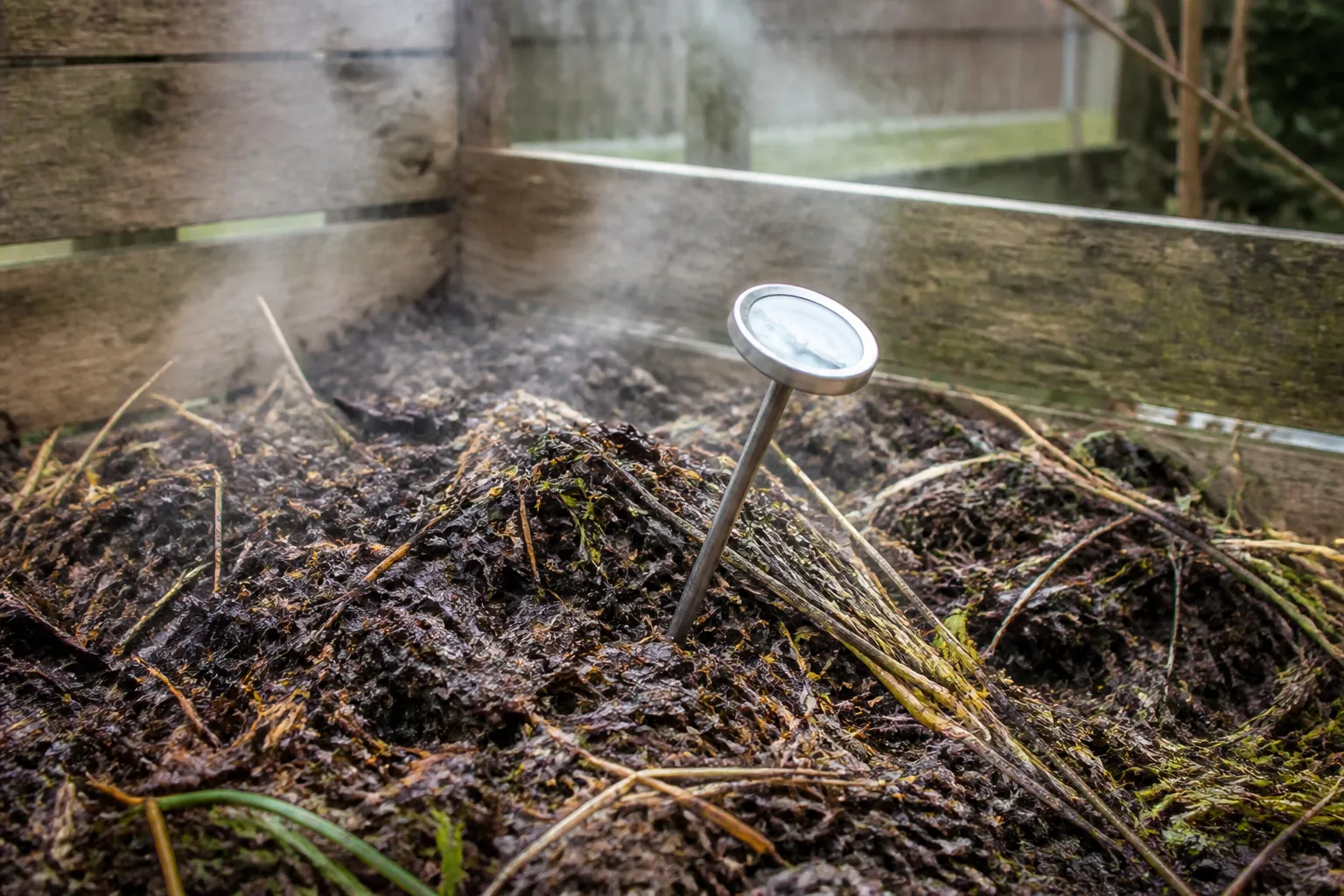
Push a compost thermometer into the middle of the heap before adding anything. A cold, inactive heap may sit near air temperature. An active heap should climb, often into the 30-50°C range in a home system if it has enough fresh material and volume.
Cheap compost thermometers cost about £10-£18, and they are useful beyond this one question. Our compost thermometer guide covers what to look for.
Add the accelerator properly
Follow the packet rate, but do not just sprinkle it on the crust. Add it in layers or fork it through, then water lightly. If the product is sitting dry on top, it is decorating the bin.
I would only test on one bin or one half of a heap. If you have two similar bins, treat one and leave the other alone. That gives you a crude comparison.
Check again after a week
After five to seven days, check the centre temperature and smell. A useful response is a warmer centre, a less static texture and visible softening of material. If nothing changes, the accelerator was not the limiting factor.
Do not keep adding more. Fix the condition:
- Still dry: water and mix.
- Still cold but balanced: add fresh greens and more volume.
- Sour smell: add browns and air.
- Still twiggy: chop material smaller next time.
That is the honest answer. Compost accelerators can help, but good compost comes from managing the heap, not outsourcing the job to a box.
Frequently Asked Questions
Are compost accelerators worth it? They are worth it for brown-heavy, nitrogen-poor heaps, but they are not needed for a well-balanced compost bin.
What is the cheapest compost accelerator? Fresh grass clippings are usually the cheapest option because they add nitrogen for free. Bought products such as Garotta or Vitax are typically about £6-£8 for smaller packs.
Can I use too much compost accelerator? Yes. More is not always better, especially if the heap is wet or compacted. Follow the packet rate and fix moisture and air first.
Do compost accelerators kill worms? Normal compost makers are not intended to kill worms, but a hot heap may naturally have fewer worms in the hottest centre until it cools.
How quickly should an accelerator work? If it is going to help, you should see a warmer, more active heap within about a week. Finished compost still takes time.
Do I need an accelerator in a hot bin? Usually no. A working hot bin already relies on insulation, fresh feed and regular management. Use the manufacturer’s advice before adding extra products.