A bokashi bin for a UK kitchen is worth buying only if you know what will happen when it is full. The sealed bucket ferments food scraps, including some cooked leftovers, but it does not turn them into finished compost. You still need a compost bin or somewhere suitable to bury the fermented material. If that second stage is sorted, choose a kit by the space it takes, how reliably you can drain it and whether you need a second bucket while the first rests.
For most households starting from scratch, the two-bin natural bokashi starter kit is the sensible pick: you can keep collecting scraps during the resting period and it includes bran to begin. Gardening Naturally’s larger pair suits heavier food-waste volumes. Biolan is a compact way to try the method with one bucket; the white Organko 2 pair gives you a compact two-bin routine. None removes the need for a plan for the fermented scraps.
Our top picks

Two-bin natural bokashi starter kit
Best everyday starter
Two bins and 1kg bran; alternate as space allows. Check your under-sink height and allow access to both taps.

Gardening Naturally 2 × 20L bokashi kit
Best for more kitchen scraps
Two 20L bins with the 1kg-bran option. Needs more floor space; confirm you have room to drain and empty a full bucket.

Biolan Bokashi 10L set
Best compact single-bin starter
10L bin, pressing plate and 1kg bran. One bin means a gap while its contents finish fermenting.
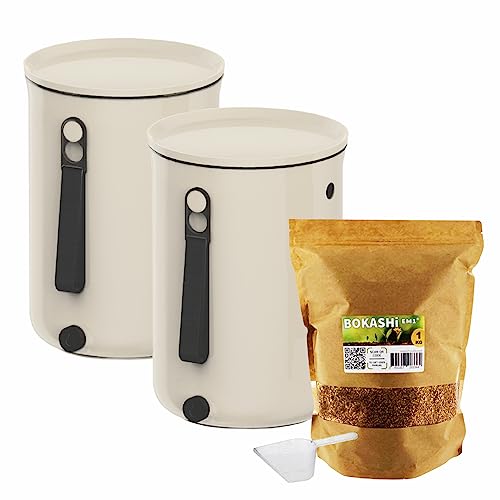
Bokashi Organko 2 white twin set
Best compact twin-bin set
Two 9.6L bins, compactor and 1kg activator. Smaller buckets need emptying more often; check the disposal plan first.
In this guide
- Bokashi bins compared
- The four bokashi kits in detail
- How bokashi works — and what it does not do
- Choose one bin or two
- Check the seal, tap and kitchen space
- Bran, liquid and the second composting stage
- How we chose
- The bottom line
- Frequently Asked Questions
Bokashi bins compared
| Kit | Capacity | What is included | Best reason to choose it | Main trade-off |
|---|---|---|---|---|
| Two-bin natural starter kit | Two bins; check exact litre capacity on the product page | Two bins and 1kg bran | A second bucket for the resting period | Measure storage space and tap clearance |
| Gardening Naturally twin kit | 2 × 20L | Two bins, drains and selected 1kg-bran option | More capacity for regular family scraps | Bulkier full buckets |
| Biolan Bokashi set | 10L | One bin, tray, press plate and 1kg bran | Small starter with clear maker instructions | No spare bin during the resting stage |
| Bokashi Organko 2 white twin set | 2 × 9.6L | Two bins, compactor and 1kg activator | Compact pair for limited kitchen space | More frequent emptying |
Start with the number of buckets, not the largest capacity printed on the box. A full bin normally rests sealed for about two weeks. A twin kit usually covers that gap, provided its second bucket does not fill first; a single kit is workable if you can collect scraps elsewhere during that time. The more important question is whether you have a suitable garden compost bin or soil-based finishing stage.
The four bokashi kits in detail
Two-bin natural bokashi starter kit: A practical two-bin starting point
This set gives you two kitchen buckets and 1kg of bokashi bran, so it covers the part first-time buyers often discover they need later: a second vessel. Fill one while the other stays sealed after its final addition. Drain the liquid through the taps and make sure you can reach each tap without balancing a full bin over the sink. The linked set is a useful everyday choice where capacity is less important than having a second bucket during the resting period.
Watch out for: The exact litre capacity is unclear for this kit. Measure the storage footprint from the current product dimensions before ordering, and do not buy it on an assumed 15L or 18L figure.
Gardening Naturally 2 × 20L bokashi kit: More room between emptying days
Gardening Naturally specifies two 20L bins with locking lids, drain trays, inner lids and taps. The linked variant includes 1kg of bran; that detail matters because the maker also sells a no-bran option. If several people cook at home, the larger buckets give you more time before a bin fills, while the second bin keeps collection going during fermentation. The maker provides an assembly guide, so check the tap washer and lid seating before the first food scraps go in.
Watch out for: Twenty litres of wet scraps is awkward to lift. Leave room to reach the tap and carry the bin to its final composting point. The maker gives dimensions for each bucket; measure the real storage spot against that drawing and allow room to open the lid. See the maker’s details.
Biolan Bokashi 10L set: Small footprint and a clear starter routine
The Biolan set is a single 10L bucket with a perforated tray, pressing plate and 1kg of its EM bran. Biolan’s instructions spell out the routine: add food in small batches, press it down, keep the clip lid shut and drain the liquid as it forms. That makes it a good trial purchase when you are unsure whether bokashi will suit your household, or when a pair of larger bins simply will not fit.
Watch out for: The single-bin limitation is real. Once full, the bucket must stay closed for its resting period, and you need another way to collect food waste. Do not confuse the smaller capacity with a faster process; fermentation still needs time. See the maker’s details.
Bokashi Organko 2 white twin set: A compact pair that stays in rotation
The white Organko 2 set supplies two 9.6L buckets, a compactor and 1kg of activator. Unlike the single Biolan bucket, this pair lets you keep collecting scraps while one bin rests—provided the second does not fill first. If two larger buckets would dominate a cupboard, this is the neater route. Skaza’s design has a dedicated liquid-collection arrangement; check how you will empty it in the space available.
Watch out for: Two small bins still take more combined storage room than one. The small capacity means a bucket may fill before the other has finished its sealed rest. Keep another collection container if that happens; do not empty a fermenting bin early. Check the exact white twin configuration rather than assuming a single Organko 2 includes a second bucket. See the maker’s details.
How bokashi works — and what it does not do
Fermentation is not finished compost
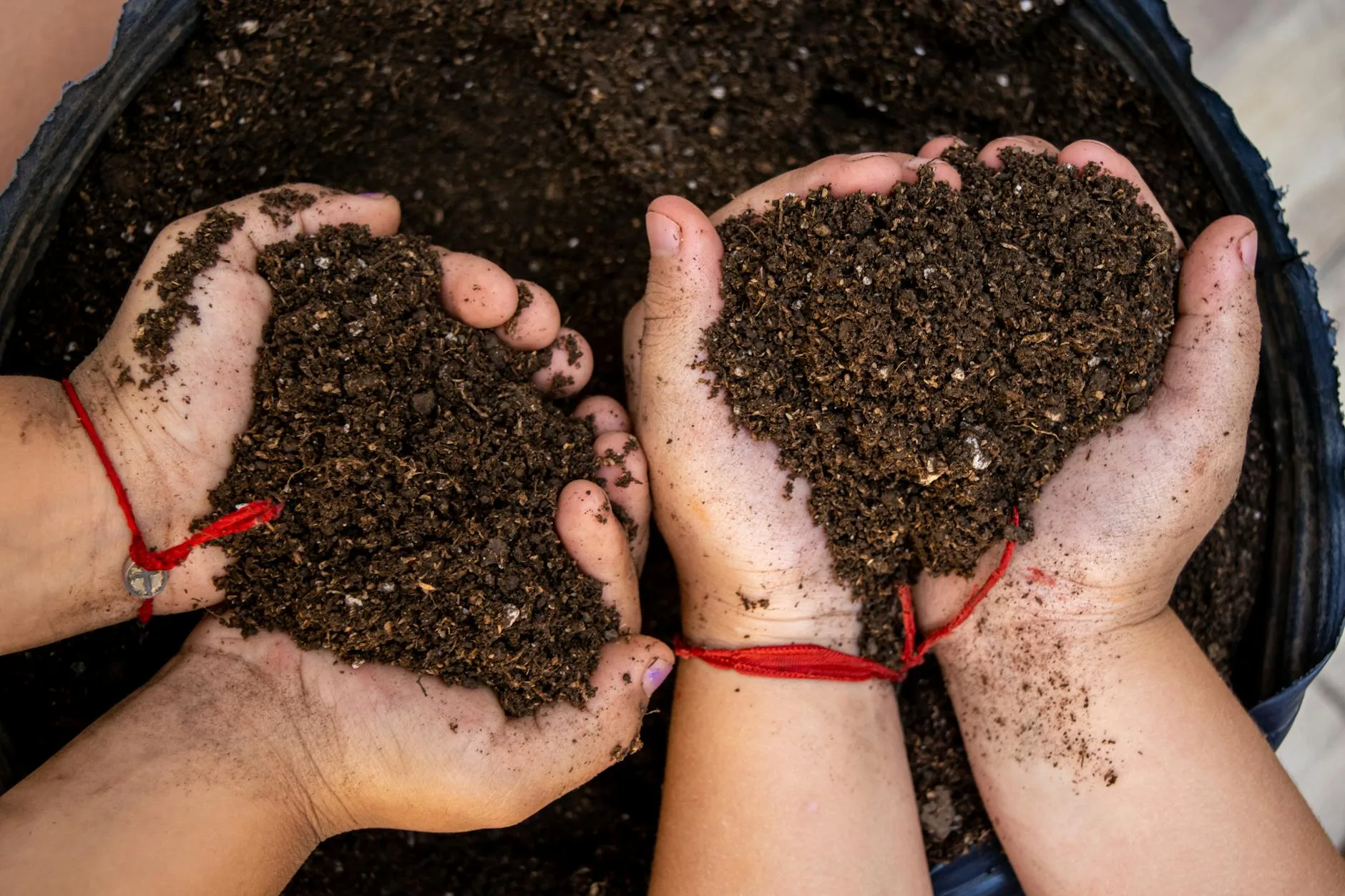
Bokashi uses inoculated bran and a closed, low-oxygen bucket to ferment scraps. The RHS bokashi guide is clear that the contents come out as pre-compost, not crumbly garden compost. After the sealed resting period, add them to an appropriate compost bin or bury them in suitable soil and allow further breakdown before planting there. If you have no access to either route, a bokashi bucket may simply postpone your food-waste problem.
What can go in?
Cooked leftovers, bread, vegetables, small amounts of meat and dairy can go through bokashi in ways that an ordinary open heap may not handle well. Keep out large volumes of oil, liquid and heavily rotten food; large bones are slow to break down. Chop bulky scraps, add bran according to the kit instructions, press down to reduce trapped air and close the lid each time. A sour, pickled smell when opened is different from the smell of a badly rotting bucket. Our compost-bin materials guide covers the conventional heap separately.

Choose one bin or two
Why two bins simplify the routine
The first bucket is not ready to empty as soon as it is full. The RHS advises leaving it closed for about two weeks while you start filling the second. This is why a twin kit is usually the easier first purchase for a household that wants to collect food scraps every day. A one-bin starter is still reasonable when you are testing the routine or already have a separate collection arrangement.
Match capacity to the household, not a promise
A 10L bucket is easier to place under a sink and to carry when full, but it fills sooner. Two 20L buckets reduce emptying frequency, but require floor space and can be heavy. No fixed “days per bin” figure will fit every household: cooking habits, the amount of liquid food and how well scraps are compressed all vary. Measure the cupboard opening, the route to the drain tap and the place where the resting bucket will sit. For an outdoor finishing option, compare a covered compost bin with the space you actually have.
Check the seal, tap and kitchen space
Airtight lid and usable drain matter most
A poor lid allows air in and makes the contents more likely to rot rather than ferment. The drain tray separates liquid from scraps, and a tap lets you remove it without tipping a full bucket. Before using a new kit, assemble and water-test the tap over a sink, confirm the lid closes evenly and see whether a cup fits under the tap in its intended position. Do not rely on a marketing claim of “odourless”: opening a working bin normally releases an acidic smell.
Check the real footprint
A two-bin system needs space for both the active and resting bucket, plus hand clearance to open lids. A tall bin under the sink may collide with pipework; a low tap may be impossible to reach if it sits flat on a shelf. If you are in a flat, solve the end point first: a garden compost bin, access to soil, or another appropriate arrangement. A balcony without soil or a composting destination does not become one just because the starter bucket fits there. Our small-space composting guide compares the broader options.
Bran, liquid and the second composting stage
Bran is a continuing supply
The inoculated bran is part of the process, not a one-off accessory. Check whether the exact kit includes it and what refills suit the method before comparing initial kit prices. The amount used depends on each addition and the maker’s instructions, so an annual cost based on one household would be misleading for another. Store bran dry and follow the kit guidance for each layer.
Drain the liquid; plan the final stage
Drain the liquid regularly so scraps are not sitting in a pool. The RHS discusses diluting fresh bokashi liquid for plants, but concentrations vary between kits and batches; follow the specific maker’s dilution instructions and avoid pouring it neat onto roots. It is a by-product, not a guaranteed substitute for a balanced plant feed. When the resting bucket is ready, mix or bury its acidic pre-compost where it can finish decomposing away from immediate plant contact. Biolan advises using a rodent-safe composter for fermented food that could attract pests. Our compost troubleshooting guide helps if the finishing stage smells or attracts visitors you did not invite.
How we chose
We compared kits by the decisions that change daily use: one bucket or two, capacity, included bran, drainage, lid design, storage footprint and where the fermented scraps go next. Maker instructions support the process advice; product information identifies the exact linked configurations. We have not used these kits for a long-term leak or odour test, so we do not claim that one tap never drips or one lid never smells. Customer ratings are a useful filter, not proof that a bin fits under your sink or that your garden can take the output.
The bottom line
Choose the two-bin natural starter kit if its current dimensions fit your kitchen and a second bucket covers your resting period. Choose Gardening Naturally’s 20L pair when food-waste volume is the limiting factor and you have space to handle full buckets. Biolan’s 10L set is the smaller one-bin trial; the Organko 2 white twin set gives a compact two-bin alternative.
Before buying any of them, identify the finishing stage. Bokashi is useful for moving food scraps into a controlled fermentation process; it is not a countertop shortcut to ready-to-use compost.
Frequently Asked Questions
Does a bokashi bin make finished compost?
No. It ferments food scraps into pre-compost. After the sealed resting period, the material still needs to break down in a suitable compost bin or soil before it is used around plants.
Why would I buy two bokashi bins?
One bin can collect scraps while a full bin rests sealed for about two weeks. A single bin works if you have another way to hold or manage new scraps during that interval.
What size bokashi bin is best for a small kitchen?
Start with the space you can actually give it. A 10L single bin is easier to place and carry, while two 9.6L bins let you alternate buckets but need storage space for both.
Can meat and cooked food go in a bokashi bin?
Bokashi can handle many cooked scraps, including small amounts of meat and dairy, when the kit is used correctly. Avoid excessive liquids, oil, heavily rotten food and large bones, and finish the fermented material in a suitable composting arrangement.
What should bokashi smell like?
A working bin can smell sour or pickled when opened. A strong rotting smell calls for checking the lid seal, bran use and liquid drainage; an airtight lid does not mean there is no smell while adding scraps.
How do I use the liquid from a bokashi bin?
Drain it regularly. If using it on plants, follow the kit maker’s dilution instructions rather than applying it neat; batch strength varies. The liquid is not a guaranteed replacement for a balanced feed.