Blueberries are one of the few fruits that often make more sense in pots than in open garden soil. If you can give them acidic compost, steady water and a sunny sheltered spot, you can grow blueberries in pots in the UK without owning a big fruit cage or an allotment.
In This Article
- Grow Blueberries in Pots UK: The Short Version
- Choose the Right Blueberry Variety and Pot
- Use Ericaceous Compost and Keep the Soil Acidic
- Planting Blueberries in Pots Step by Step
- Watering, Feeding and Mulching Through the Year
- Pruning and Repotting Container Blueberries
- Protecting Pots from Birds, Frost and Heat
- Common Blueberry Pot Problems and Fixes
- Frequently Asked Questions
Grow Blueberries in Pots UK: The Short Version
The simple version is this: buy a compact blueberry plant, put it in a 30-45cm pot of ericaceous compost, water it with rainwater where you can, and keep it netted once the berries start colouring. That covers most of the success or failure.
Blueberries are fussy about soil but not especially fussy about space. That is why pots work so well. Most UK garden soils are too alkaline, especially in chalky areas, but a container lets you create the acid root zone the plant wants. The RHS blueberry growing advice gives an ideal soil pH range of about 4.5-5.5, which is much lower than ordinary multipurpose compost.
For a first plant, I would budget roughly:
- Blueberry plant: about £8-£18 for a young plant from B&Q, Thompson & Morgan, Crocus, Suttons or a local garden centre.
- Large pot: about £12-£30 for a 30-45cm plastic, terracotta or glazed container.
- Ericaceous compost: about £6-£9 for a 40-litre bag from Wickes, B&Q, Homebase or Amazon UK.
- Ericaceous liquid feed: about £5-£8 a bottle, usually enough for a season or two.
- Bird netting: about £5-£15 for a small patio crop; more if you build a frame.
That is not the cheapest fruit crop to start, but the running costs are low once the plant is established. A good potted blueberry can crop for years if you do not let the compost dry out or drift alkaline.
This article is about pot-grown blueberries, not every possible soft fruit. If you want the broader view, the GrowPlotUK guide to growing fruit in containers covers strawberries, currants, figs and dwarf trees too.
What Makes Blueberries Different
Blueberries are acid-loving shrubs. Treat them like tomatoes or herbs and they sulk. The usual mistakes are ordinary compost, tap-water-only watering in hard-water areas, a small decorative pot that dries out by lunchtime, and no bird protection until the day after the blackbirds have noticed.
The good news is that the plant tells you quite quickly when the setup is wrong. Yellowing leaves, weak growth and berries that shrivel before ripening are all fixable if you catch them early.
Choose the Right Blueberry Variety and Pot
You do not need a specialist nursery to start, but variety choice matters more in a pot because the root space is limited. Look for compact or patio-friendly blueberries rather than the tallest, most vigorous varieties.
Good Varieties for Pots
For most UK patios, these are sensible starting points:
- Bluecrop: a reliable classic, usually about £10-£18 as a young plant. It can get large, so give it a bigger pot as it matures.
- Duke: early cropping and productive, often around £12-£20. Useful if you want berries before late summer.
- Patriot: hardy and forgiving, usually £10-£18. A good pick for colder gardens.
- Top Hat: compact and patio-friendly, often £8-£15. Lower yield, but tidy in a small space.
- Sunshine Blue: semi-evergreen in mild areas and neat in a pot, usually £12-£20. It still needs acid compost.
If I were buying one plant for a patio, I would choose a compact plant first rather than chase the biggest advertised crop. A huge variety in a tiny pot is just a thirsty shrub with ideas above its station.
Blueberries crop better with more than one variety nearby because cross-pollination improves yield. Many are partly self-fertile, so one plant can fruit, but two different varieties flowering at similar times usually give a better crop. If you have room for two 40cm pots, that is a better setup than one cramped plant in a pretty bowl.
Pot Size and Material
Start a young plant in a 30cm pot, then move up to 40-50cm once it fills the container. Do not put a tiny plant straight into a huge wet tub if your patio is shaded; wet compost around a small rootball can stay cold and airless.
Plastic pots are practical. They cost less, hold moisture better and are light enough to move into shelter. A decent 40cm plastic pot is usually £10-£18. Terracotta looks better but dries faster and can crack in frost unless it is good quality; expect £18-£35 for a large one. Glazed ceramic pots look smart on a patio but can be heavy once filled, so put them in the right place before adding compost.
The pot must have drainage holes. If it does not, leave it in the shop. Blueberries want moist compost, not a cold acidic swamp.
Use Ericaceous Compost and Keep the Soil Acidic
This is the non-negotiable part. Blueberries need acidic compost. Ordinary multipurpose compost is usually too neutral or alkaline, and garden soil can be worse. In a pot, use ericaceous compost from the start.
Most garden centres sell peat-free ericaceous compost for about £6-£9 per 40 litres. Peat-free mixes can dry unevenly, so soak the compost well before planting and check it with your fingers during the first few weeks. If it has pulled away from the edge of the pot, water can run down the sides and miss the rootball.
What to Put in the Pot
A sensible mix is:
- Fresh ericaceous compost as the main growing medium.
- A few handfuls of pine bark fines if you want extra structure; a small bag is usually £5-£8.
- No lime, mushroom compost or ordinary garden compost because these push the pH the wrong way.
- No gravel layer at the bottom as a magic drainage fix. It reduces root space and does not solve a poor compost mix.
Based on UK gardener reports, the people who struggle most with potted blueberries are often doing everything else right but watering with hard tap water for months. Rainwater is better if you have a water butt. A basic slimline water butt costs about £45-£80 from B&Q, Wickes or Screwfix, and it helps with more than blueberries.
If you only have tap water, do not panic. Use it rather than let the plant dry out. Dry roots are worse than imperfect water. Just refresh the top compost each spring and consider a liquid ericaceous feed during the growing season.
Planting Blueberries in Pots Step by Step
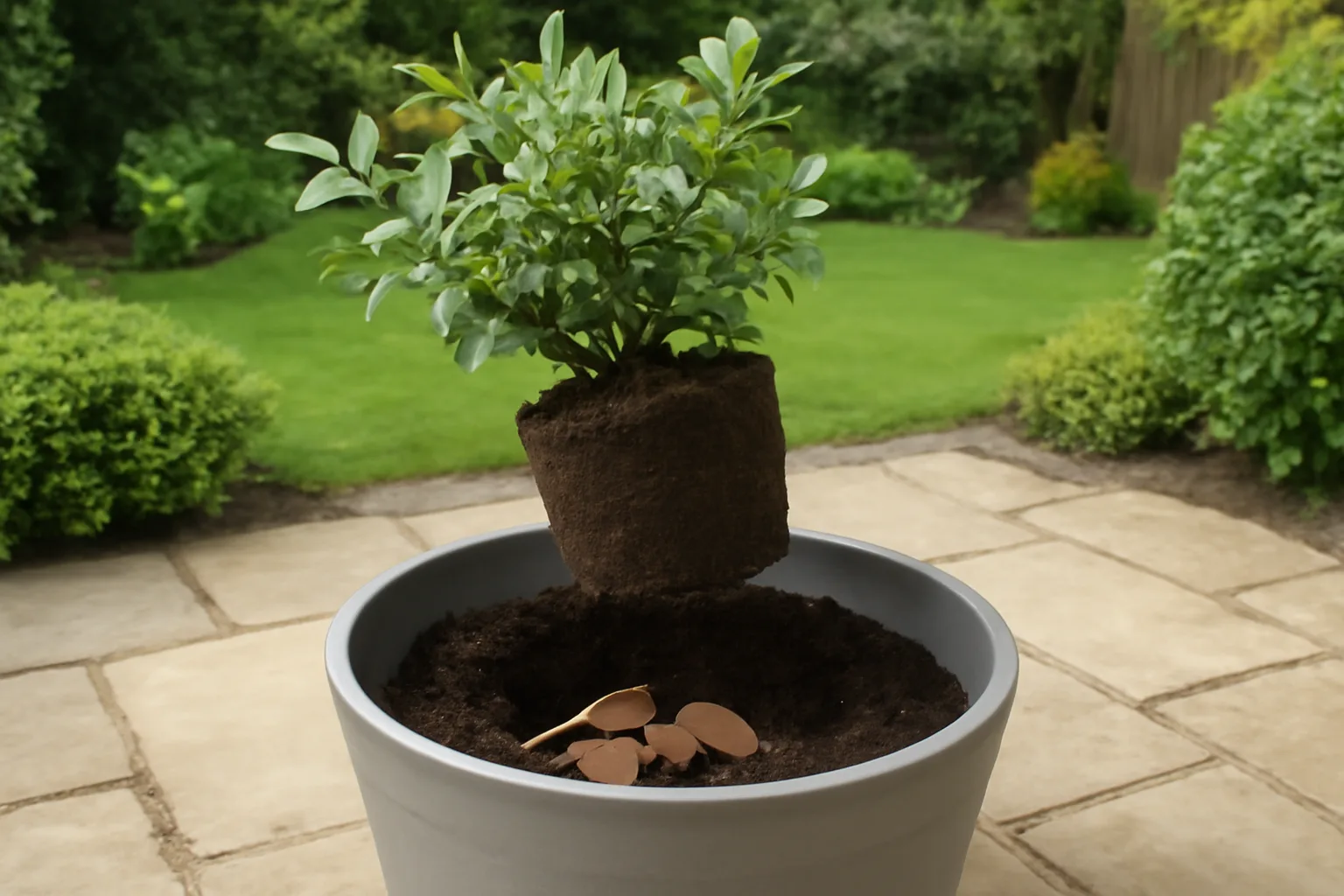
Plant in spring or autumn if you can. Spring gives the plant a full growing season to settle in; autumn works too if the pot will not sit exposed in freezing wind.
- Soak the plant first. Stand the nursery pot in water for 10-15 minutes if the rootball feels dry.
- Prepare the container. Check the drainage holes, then add fresh ericaceous compost. Use crocks only to stop compost washing out, not as a thick drainage layer.
- Set the height. The top of the rootball should sit level with the finished compost surface, not buried deep.
- Tease only tight roots. If the plant is pot-bound, loosen the outside gently. Do not rip the rootball apart.
- Backfill and firm lightly. Press enough to remove air pockets but do not compact the compost into a brick.
- Water slowly. Let water soak through the whole pot, then top up any sunken compost.
- Mulch the surface. Pine bark, leaf mould or composted bark helps hold moisture and keeps splashes off the leaves.
Place the pot somewhere sunny for the best fruit. Blueberries tolerate light shade, but heavy shade gives leafy growth and a mean little crop. A sheltered patio, south-facing wall or bright kitchen-garden corner is ideal. Avoid a windy balcony where the pot dries out every afternoon.
For tools, you only need a hand trowel, gloves, compost scoop and watering can. If you are building out a small fruit area, the GrowPlotUK guide to tools and equipment for beginners is a useful low-cost starting point.
Watering, Feeding and Mulching Through the Year
Potted blueberries fail from drying out more often than from winter cold. The roots are shallow, the compost volume is limited, and a black plastic pot in July can heat up fast.
Watering Routine
In spring, check the pot twice a week. In warm summer weather, check daily. The compost should feel damp below the surface, not wet and sour. Push a finger 3-4cm down rather than judging by the dry top crust.
Rainwater is best. If you have a water butt, use that first. If you are using tap water in a hard-water area, give a deep watering less often rather than little splashes every day. Little splashes encourage shallow roots and leave dry pockets inside the pot.
My rule with container fruit is boring but useful: water until it drains from the bottom, then leave it alone until the top few centimetres start to dry. That works better than anxious daily dribbles.
Feeding Without Overdoing It
Use an ericaceous liquid feed from spring to mid-summer. Products such as Miracle-Gro Azalea, Camellia & Rhododendron Plant Food or Westland Ericaceous High Performance Liquid Feed are usually £5-£8. Follow the label dose; more feed does not mean more berries.
Stop feeding by late summer so the plant can harden up for winter. Soft late growth is more vulnerable to cold weather.
Mulch once a year with bark, pine needles if you have them, or leaf mould. Keep mulch a couple of centimetres away from the main stems so the crown does not stay wet. If you make your own leaf mould, it is handy here; the GrowPlotUK guide to leaf mould bins and cages covers low-cost options.
Pruning and Repotting Container Blueberries
Blueberries do not need complicated pruning in the first couple of years. Let the plant build a framework. Remove dead, damaged or crossing stems, and take out weak twiggy growth that clutters the centre.
Once the plant is mature, aim for a mix of young and older stems. The best fruit comes on strong younger wood, so do not let the plant become a thicket of tired grey stems. In late winter, remove one or two of the oldest stems at the base if the plant is congested. That is enough for a pot-grown shrub.
If you already prune apples or currants, the instinct is similar: open the plant, keep healthy young growth, and avoid turning it into a nervous haircut. GrowPlotUK has a wider guide to pruning fruit trees for beginners, but blueberries need a lighter hand than most tree fruit.
When to Repot
Repot every two to three years, or sooner if the plant dries out ridiculously fast after watering. Move up one pot size at a time. A 30cm pot can become a 40cm pot; a 40cm pot can become a 50cm tub.
If the plant is already in its final container, scrape away the top 5-8cm of tired compost each spring and replace it with fresh ericaceous compost. This top-dressing is cheap, quick and often enough to perk up a plant that has been in the same pot for a while.
Protecting Pots from Birds, Frost and Heat
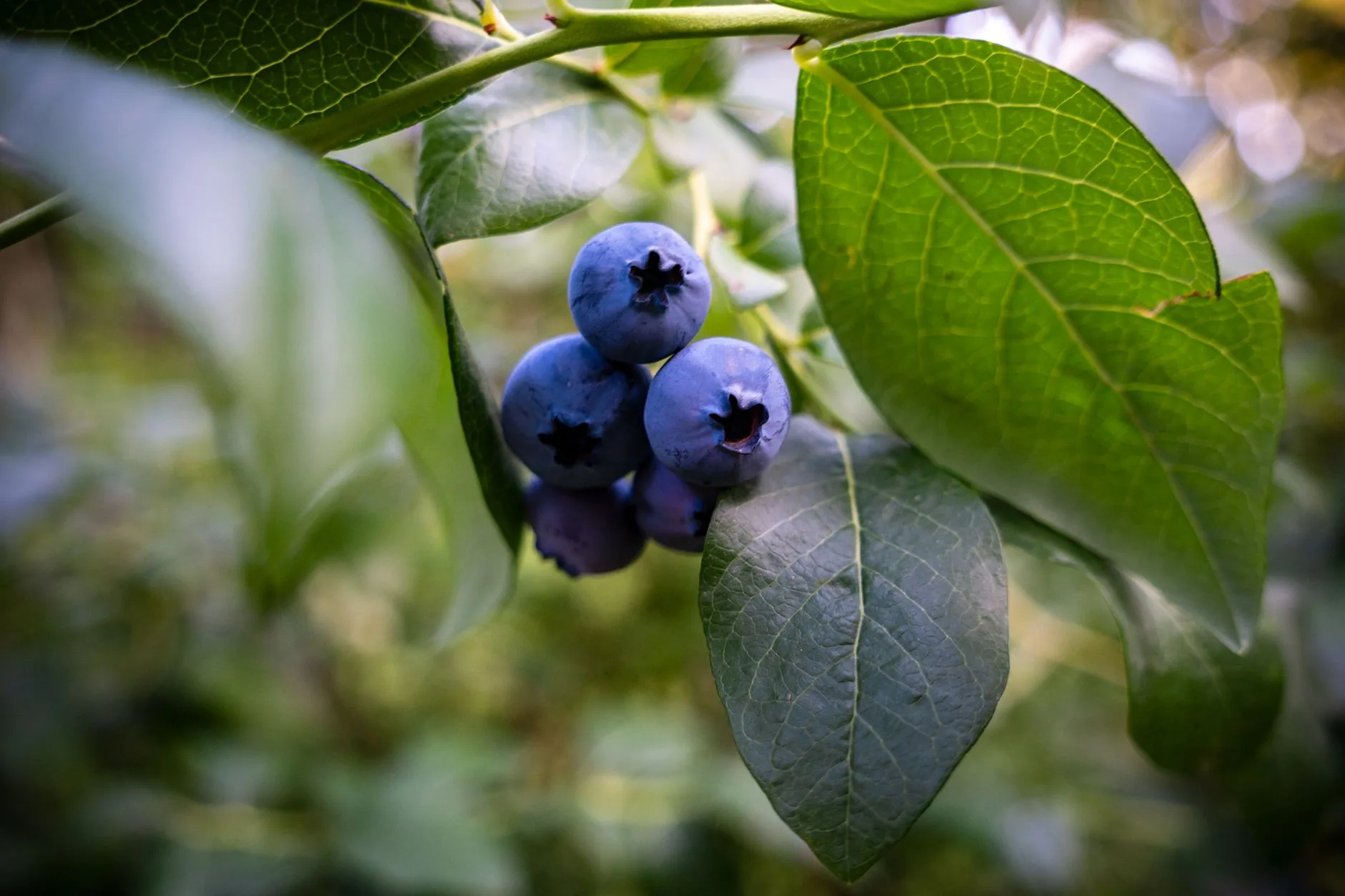
Birds are not impressed by your patience. Once blueberries turn blue, they can disappear quickly. Net early, before the crop looks ready to you.
Small pots are easy to protect. Push three or four bamboo canes into the pot, make a loose frame, then drape fine bird netting over the top. Peg or tie it so birds cannot get trapped underneath. A small roll of fruit netting costs about £5-£12. If you have several fruit pots, a walk-in fruit cage is neater but much more expensive; small kits usually start around £80-£150.
GrowPlotUK already has separate guides to fruit cages and netting fruit trees against birds. For one blueberry pot, though, keep it simple. A cane frame is usually enough.
Frost and Heat
Blueberry plants are hardy, but flowers can be damaged by late frost. If a cold night is forecast while the plant is in blossom, move the pot against a house wall or cover it with horticultural fleece. A small fleece roll is about £4-£8.
Heat is the bigger summer problem in pots. Dark containers on paving can cook the roots. In a heatwave, move the pot where it gets morning sun and afternoon shade, or stand it inside a larger decorative pot with an air gap. Do not leave it sitting in a saucer of hot water.
For longer dry spells, a simple drip kit or bottle spike can help, but check it before trusting it while you are away. The GrowPlotUK guide to watering systems for UK gardens gives the wider options if you are setting up several pots.
Common Blueberry Pot Problems and Fixes
Most blueberry problems are caused by compost, water or protection. Before blaming the variety, check the basics.
Yellow Leaves
Yellow leaves with green veins usually point to alkaline conditions or nutrient lock-up. The plant cannot access iron properly. Replace the top compost with fresh ericaceous compost, switch to rainwater where possible, and use an ericaceous feed during the growing season.
Do not add general fertiliser. It may make the problem worse.
Few Flowers or No Fruit
Young plants need time. A small £8 supermarket blueberry may not crop heavily in its first year. Poor fruiting can also come from shade, late frost, dry compost during flowering, or having only one variety.
If the plant grows well but crops lightly, add a second compatible blueberry variety nearby. Even patio plants often improve with company.
Berries Shrivel Before Ripening
This is usually inconsistent watering. Blueberries swell as they ripen, and a pot that swings from dry to soaked will struggle. Water deeply, mulch the surface, and move the pot out of fierce afternoon sun during hot spells.
Compost Dries Hard and Pulls Away
Peat-free ericaceous compost can become difficult to re-wet if neglected. Stand the pot in a tray or trug of water for 20-30 minutes, then let it drain fully. After that, mulch and check more often.
Ants in the Pot
Ants are usually a sign the compost has become too dry. They are not the main problem; the dry rootball is. Re-soak the pot, then keep moisture steadier. If the pot is badly hollowed out, repot after cropping.
The bottom line: blueberries in pots are not hard, but they are specific. Give them acid compost, a big enough container, rainwater where possible and a net before the birds arrive. Do those four things and the plant has a fair chance of paying you back for years.
Frequently Asked Questions
Can you grow blueberries in pots in the UK? Yes. Pots are often the easiest way to grow blueberries in the UK because you can control the acidic compost they need. Use ericaceous compost, a 30-45cm pot and a sunny sheltered position.
What size pot does a blueberry plant need? Start a young blueberry in a 30cm pot, then move it up to 40-50cm as it grows. A mature plant needs enough compost volume to stay moist through summer.
Do blueberries need ericaceous compost? Yes. Blueberries need acidic conditions, so use ericaceous compost rather than ordinary multipurpose compost. Refresh the top layer each spring if the plant stays in the same pot.
Should I water blueberries with rainwater? Rainwater is best, especially in hard-water areas. Tap water is better than letting the plant dry out, but long-term hard tap water can make the compost less suitable.
Do I need two blueberry plants for fruit? One self-fertile blueberry can fruit, but two different varieties usually crop better because cross-pollination improves yield. Choose varieties that flower at similar times.
How much does it cost to grow blueberries in pots? A first setup usually costs about £30-£70: £8-£18 for a plant, £12-£30 for a pot, £6-£9 for ericaceous compost, plus optional feed and netting.