You’ve just taken on an allotment that’s been neglected for two years. The soil is compacted, the weeds have roots that seem to go halfway to Australia, and the thought of turning it all over with a spade makes your back ache before you’ve even started. A garden tiller does in 20 minutes what would take you an entire weekend with a fork — but only if you use it properly.
In This Article
- What Is a Garden Tiller and When Do You Need One
- Types of Garden Tiller
- When to Till and When Not To
- Preparing the Ground Before Tilling
- How to Use a Petrol Tiller
- How to Use an Electric or Cordless Tiller
- Tilling Depth and Technique
- What to Do After Tilling
- Common Mistakes and How to Avoid Them
- Maintaining Your Tiller
- Hiring vs Buying a Tiller in the UK
- Frequently Asked Questions
What Is a Garden Tiller and When Do You Need One
A garden tiller (also called a rotavator or cultivator, depending on size) uses rotating blades or tines to break up soil. The tines spin at high speed, cutting through compacted earth, slicing weed roots, and mixing in organic matter as they go. The result is loose, aerated soil that’s ready for planting.
You’d use a tiller when:
- Breaking new ground — converting a lawn, clearing an overgrown plot, or starting a new vegetable bed
- Preparing beds at the start of the season — loosening soil that’s compacted over winter
- Mixing in amendments — working compost, manure, or lime into the top 15-20cm of soil
- Clearing a large area of weeds — though this needs careful timing, as tilling at the wrong moment can make weed problems worse
For small raised beds or well-maintained borders, a garden fork does the job fine. Tillers earn their keep on larger plots — anything from about 10 square metres upward — where hand digging becomes a serious time commitment.
Types of Garden Tiller
Mini Cultivators
These lightweight electric or cordless machines weigh 5-10kg and have narrow tilling widths of 20-30cm. They’re designed for working between existing plants, turning over small beds, and mixing compost into borders. Not powerful enough for breaking virgin ground or heavy clay. Expect to pay £60-120 for a decent corded electric model like the Bosch UniversalTiller.
Electric Tillers
Corded electric tillers offer more power than mini cultivators, with tilling widths of 30-40cm and depths up to 20cm. They’re quiet, relatively light (10-15kg), and need virtually no maintenance beyond keeping the tines sharp. The obvious limitation is the cable — you’re restricted to within about 30 metres of a power socket, which rules them out for most allotments unless you have a long extension lead and a tolerant neighbour. Available at Argos, B&Q, and Screwfix from about £80-200.
Cordless Tillers
Battery-powered tillers have improved massively in the last few years. Models from Einhell and Ryobi using 36V or 40V batteries deliver performance close to corded electrics, without the cable hassle. The trade-off is runtime — expect 20-30 minutes from a fully charged battery, which covers a surprisingly large area if the soil isn’t too heavy. Prices run from £120-250 for the unit, plus £50-80 for a battery if you don’t already have one in the same brand ecosystem.
Petrol Tillers / Rotavators
The serious option. Petrol tillers range from compact models with 4-stroke engines (around 140cc) up to walk-behind rotavators with counter-rotating tines that can chew through established turf and heavy clay. Tilling widths of 40-60cm, depths up to 30cm. They’re loud, heavy (25-50kg), and need regular maintenance — but they’ll turn over ground that would have an electric tiller bouncing off the surface. Prices start at about £200 for a basic model and go up to £800+ for a Honda or Hyundai machine. Available from specialist dealers, Screwfix, and online.
When to Till and When Not To
The Right Time
The best times to till in the UK are:
- Early spring (March-April) — once the soil has dried out enough that it doesn’t stick to your boots. Tilling wet soil creates compacted clods that set like concrete when they dry
- Autumn (September-October) — after clearing summer crops. Tilling in autumn lets frost break down the clods over winter, giving you a fine tilth by spring
- Before planting — allow 2-4 weeks between tilling and planting so the soil can settle and disturbed weed seeds can germinate (then hoe them off)
When to Leave the Soil Alone
- When it’s waterlogged — this is the single biggest mistake people make. If you can squeeze a handful of soil and water drips out, it’s too wet. Wait a few dry days
- When you have established no-dig beds — tilling destroys the soil structure, mycorrhizal networks, and worm channels that no-dig methods spend years building. Our guide to raised beds for beginners explains why some gardeners never till at all
- When perennial weeds are flowering or seeding — tilling bindweed, couch grass, or ground elder when they’re mature chops their roots into dozens of pieces, each of which grows into a new plant. You’ve just multiplied your problem
The Soil Squeeze Test
Before tilling, grab a handful of soil from about 10cm down. Squeeze it into a ball. If it holds its shape but crumbles when you poke it, the moisture level is right. If it stays in a solid lump, it’s too wet. If it won’t form a ball at all, it’s too dry and will turn to dust (water the area the day before and try again).
Preparing the Ground Before Tilling
Proper preparation makes the actual tilling faster, easier, and much less likely to damage your machine.
- Clear surface debris — remove large stones, sticks, bricks, plastic, and anything that could wrap around the tines or get flung out
- Cut tall vegetation — if the area has grass or weeds above ankle height, strim or mow them first. Long stems wrap around tiller tines and stall the machine
- Mark any buried hazards — irrigation pipes, electric cables, tree roots. If you’re tilling a new area and aren’t sure what’s underneath, keep the depth shallow (10cm) on the first pass
- Water the day before if bone dry — tilling powder-dry clay is miserable for you and the tiller. A light watering the previous evening brings the moisture level up without making it soggy
How to Use a Petrol Tiller
Starting Up
- Check the oil level — petrol tillers run 4-stroke engines that need sufficient oil to avoid seizing. The dipstick is usually on the side of the engine
- Check the fuel — use fresh unleaded petrol, not fuel that’s been sitting in a can for six months. Old petrol gums up carburettors
- Set the throttle to the start position (usually marked with a choke symbol)
- Pull the starter cord firmly — it might take 2-3 pulls on a cold morning
- Once running, let it warm up for 30 seconds before engaging the tines
The Technique
Hold the handlebars firmly but don’t death-grip them — let the machine do the work. Walk behind at a steady pace, keeping the tiller moving forward in straight lines. I tried to rush my first session with a hired rotavator and spent more time wrestling it back on course than actually tilling. The trick is patience: let the tines bite, walk slowly, and overlap each pass by about 5cm.
After using both counter-rotating and forward-rotating tines on different hire machines, the counter-rotating type handles hard ground noticeably better — the tines pull themselves into the soil rather than bouncing across the surface.
For the first pass on virgin ground, set the depth to about 10-15cm. Don’t try to go full depth straight away — the tiller will bounce, buck, and generally fight you. After the first pass, increase the depth and go over the same area again. Two shallow passes beat one deep struggle every time.
Safety
- Wear steel-toecap boots — the tines will go through a training shoe without noticing
- Hearing protection — petrol tillers are loud, typically 85-95 dB
- Gloves — the vibration from petrol models is significant over long sessions
- Safety glasses — stones and debris do get thrown up, especially on the first pass over rough ground
How to Use an Electric or Cordless Tiller
Electric tillers are simpler to operate than petrol models. There’s no oil to check, no pull cord, and they start with a button press. The technique is similar — straight lines, steady pace, overlap passes — but there are a few differences: For a related angle, see our What Can and Can’t Go in Your Compost Bin guide.
- Cable management (corded models) — drape the cable over your shoulder and keep it behind you at all times. Tilling over your own power lead is an experience you only need once
- Battery life (cordless) — start with the most difficult area while the battery is fully charged. Performance drops noticeably in the last 20% of charge, especially in heavy soil
- Don’t force it — electric models have less torque than petrol. If the tiller stalls or bogs down, you’re either going too deep or the soil is too wet. Reduce the depth setting and make another pass
Electric tillers work well on previously cultivated ground and light to medium soils. If you’re dealing with heavy clay or ground that hasn’t been worked in years, you might find an electric model struggles. Consider hiring a petrol rotavator for the initial break-in and then maintaining with an electric tiller in subsequent seasons.
Tilling Depth and Technique
How Deep to Go
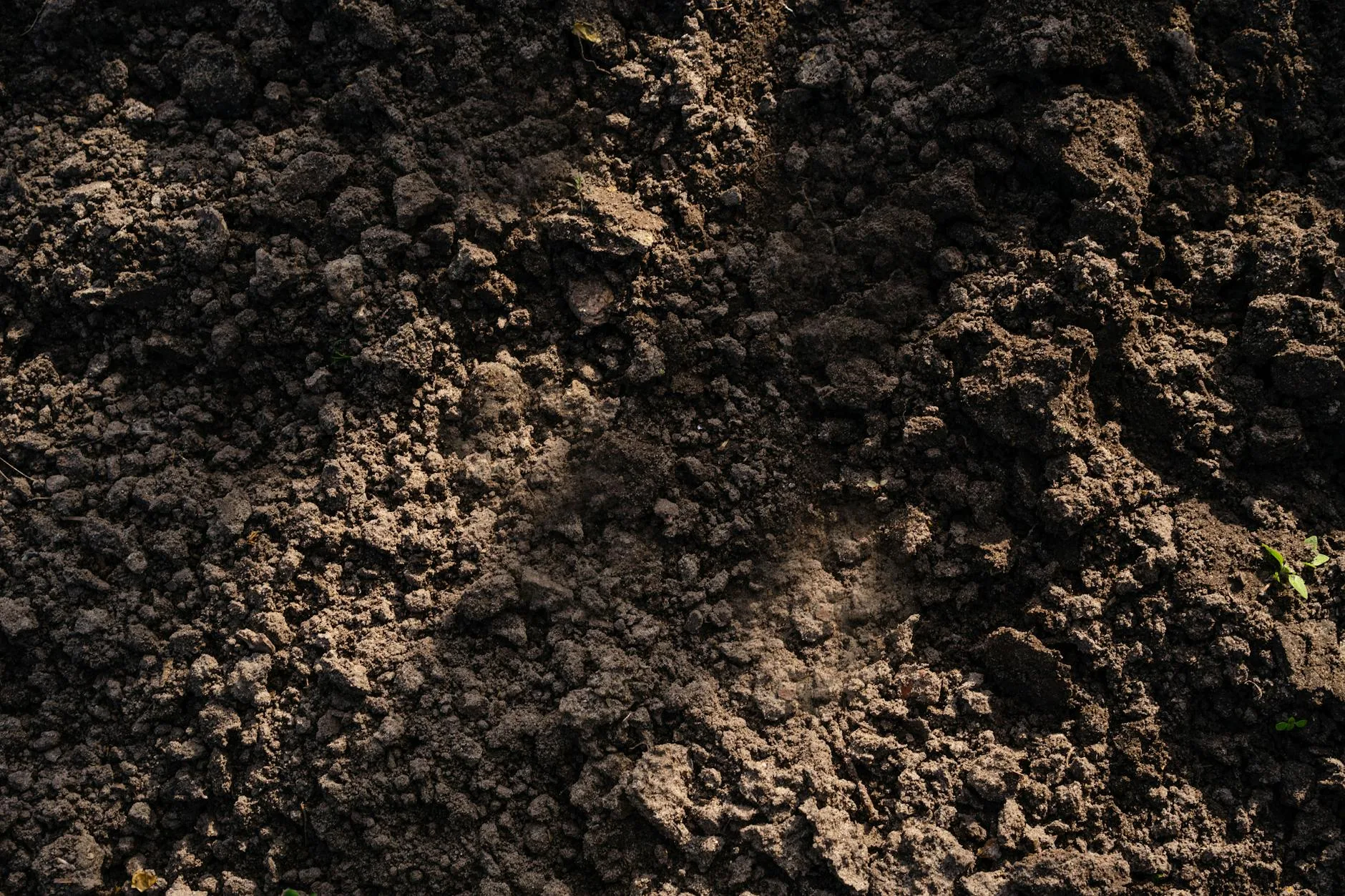
Most vegetable growing happens in the top 20-25cm of soil. For general bed preparation, 15-20cm is the target depth. Going deeper than you need disturbs soil biology unnecessarily and brings up subsoil that’s often less fertile than the topsoil above it.
Specific depth guidelines:
- Seed bed preparation — 10-15cm, then rake to a fine tilth
- Incorporating compost or manure — 15-20cm, so amendments mix through the root zone
- Breaking new ground — first pass at 10cm, second pass at full depth (20-25cm)
- Between established rows — 5-10cm maximum, to avoid disturbing crop roots
Pattern and Direction
Work in straight parallel lines across the plot. After completing the area in one direction, make a second pass at right angles. This cross-hatching breaks up any strips of untilled soil between passes and gives a much more even result than a single direction.
On slopes, always till across the slope (horizontally), not up and down it. Tilling downhill lets water channel straight through the furrows, carrying topsoil with it. The RHS guidance on soil management recommends minimising tillage on slopes wherever possible.
Working in Amendments
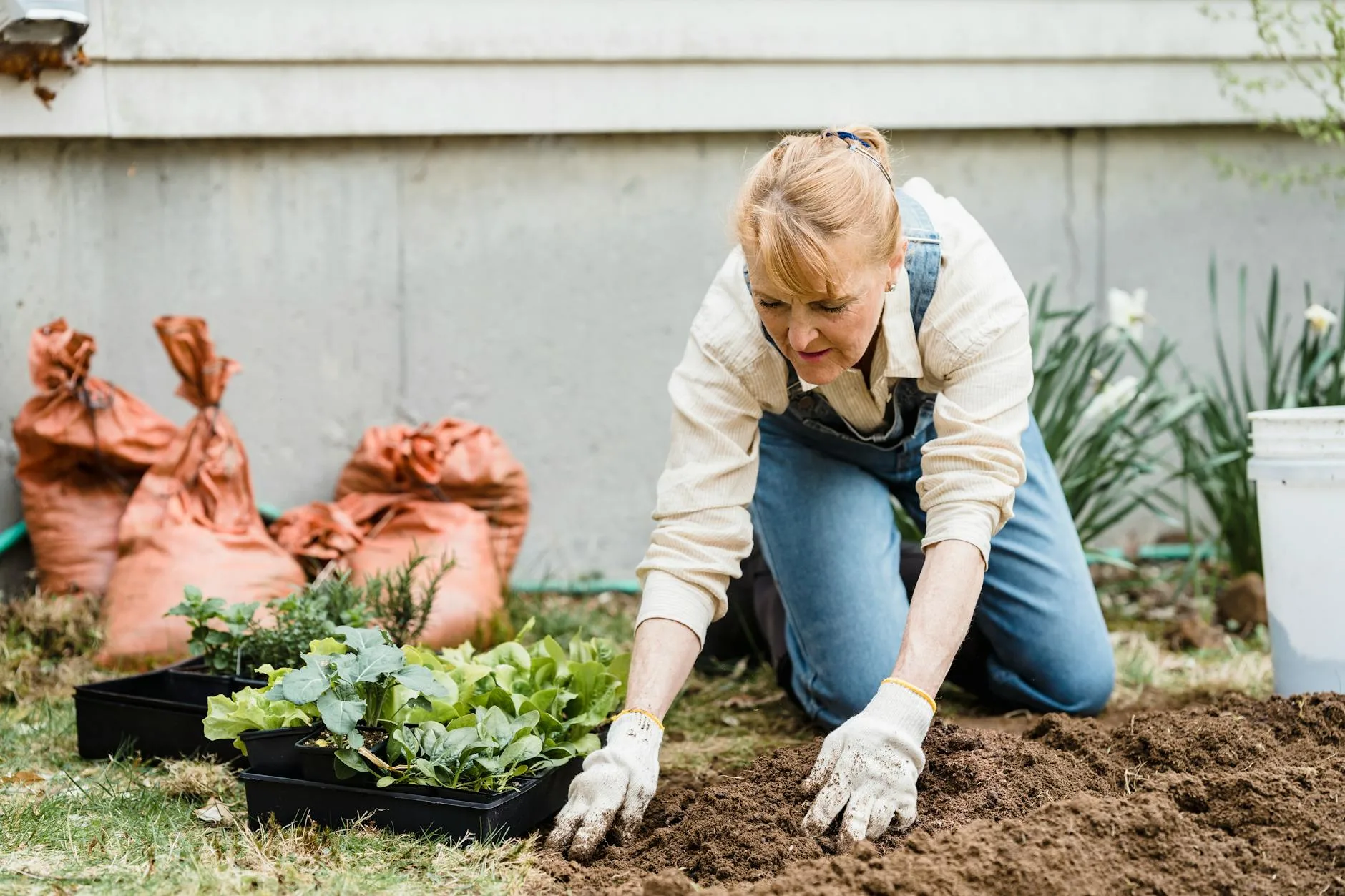
If you’re incorporating compost or well-rotted manure, spread it over the surface first at about 5-8cm depth, then till it in. The tines mix it through the soil far more evenly than you’d manage with a fork. This is particularly effective in autumn — the amendments start breaking down over winter and are fully integrated by spring planting time.
What to Do After Tilling
Tilling is step one, not the whole job. What you do in the days after tilling determines whether you get a productive growing bed or a fresh crop of weeds.
The Stale Seedbed Technique
After tilling, leave the soil for 10-14 days. During this time, weed seeds that were buried will germinate near the surface. When they’re about 2cm tall, hoe them off or flame-weed them. This removes a generation of weeds before you plant anything. It’s worth the wait — I skipped this step on my first allotment season and spent the entire summer pulling weeds from between my carrot rows.
Raking and Levelling
Once the weed flush is dealt with, rake the surface to break up any remaining clods and level the bed. For direct sowing, you want a fine, crumbly surface with no lumps bigger than a marble. For transplanting, a rougher finish is fine.
Adding Mulch
After planting, apply a 5-8cm layer of mulch (bark chips, straw, or leaf mould) around your plants. This suppresses the remaining weed seeds, retains moisture, and protects the soil structure you’ve just created from heavy rain compaction. Our Best Fleece and Cloches 2026 UK: Frost Protection guide is useful alongside this.
Common Mistakes and How to Avoid Them
Tilling Wet Soil
This deserves repeating because it’s the mistake that causes the most damage. I’ve seen allotment neighbours till waterlogged clay and spend the rest of the season trying to break apart the concrete-like clods it produced. Tilling waterlogged clay creates dense, airless lumps that take months to break down. The soil structure is worse than before you started. Always do the squeeze test (see above) and err on the side of waiting another day.
Over-tilling
More is not better. Running the tiller over the same area repeatedly destroys soil structure, kills earthworms, and creates a fine, dusty surface that crusts over after the first rain. Two passes is usually enough — three at most for very compacted ground.
Tilling Perennial Weeds
Bindweed, couch grass, ground elder, and Japanese knotweed all regenerate from root fragments. Tilling chops their root systems into hundreds of pieces and spreads them across your plot. Dig these out by hand first, removing every piece of root you can find, before tilling the area. It’s tedious but essential.
Ignoring Depth Settings
Starting at maximum depth on hard ground is a recipe for a stalled machine and a sore back. Build up gradually. Your tiller and your body will both thank you.
Not Checking for Buried Services
Gas pipes, water mains, and electric cables run through many gardens. Before tilling a new area, check with your utility providers or use a cable avoidance tool (CAT scanner). Allotment sites should have records of where services run — ask your site secretary.
Hiring vs Buying a Tiller in the UK
When Hiring Makes Sense
If you’re tilling a large area once a year (or less), hiring is almost always cheaper. A petrol rotavator costs £40-70 per day from Speedy Hire, HSS, or your local independent hire shop. A weekend hire (Friday to Monday) typically costs £80-120. That buys a lot of rentals before you’d break even on purchasing a £400+ machine.
Hiring also means you get a maintained, serviced machine without worrying about storage, winterising, or repairs. For a one-off allotment clearance or garden renovation, it’s the obvious choice.
When Buying Makes Sense
If you till regularly — spring bed prep, autumn incorporation, maintaining a large vegetable garden — owning makes sense. A good mid-range cordless tiller (£150-250) pays for itself after 3-4 hires and lives in the shed between uses.
What to Look For When Hiring
- Check the tilling width — wider is faster but harder to manoeuvre in tight spaces. For allotment beds, 40-50cm is the sweet spot
- Ask for a demonstration — any decent hire shop will show you how to start, operate, and stop the machine. Don’t be embarrassed to ask — they’d rather spend five minutes showing you than deal with a returned machine with bent tines
- Inspect the tines — they should be sharp and undamaged. Worn tines tear soil rather than cutting it, making the job harder and the result worse
- Book ahead for spring — March and April are peak tiller hire season. Booking a week ahead avoids a wasted trip
UK Hire Sources
- HSS Hire — nationwide, good range of petrol rotavators
- Speedy Hire — strong in urban areas
- Brandon Hire — good coverage in South West and Midlands
- Local independents — often cheaper than national chains and more willing to negotiate on multi-day rates
Maintaining Your Tiller
If you own a tiller, basic maintenance keeps it running well and extends its life by years.
After Every Use
- Clean the tines — knock off caked soil with a stiff brush or hose them down. Soil left on metal tines causes rust
- Check for damage — bent or cracked tines should be replaced before the next use
- Wipe down the body — especially the air filter area on petrol models
Seasonal Maintenance (Petrol Models)
- Change the oil — at the start of each season or every 25 hours of use
- Clean or replace the air filter — a clogged filter reduces power and increases fuel consumption
- Check the spark plug — replace annually or if starting becomes difficult
- Drain old fuel — if storing over winter, drain the fuel tank and run the engine dry. Old petrol leaves deposits that block the carburettor
Storage
Store tillers in a dry shed or garage. If you have to keep one outside, cover it with a proper machine cover — a tarpaulin held on with bungee cords works, but a fitted cover protects better. Keep the tines off the ground (hang the tiller on wall hooks or rest it on a shelf) to prevent moisture contact.
Frequently Asked Questions
Can I use a tiller on wet soil? No — tilling wet soil is the most common mistake gardeners make with these machines. Wet clay compacts into dense clods that set rock-hard when they dry, leaving your soil in worse condition than before. Do the squeeze test: grab a handful from 10cm down, form a ball, and poke it. If it crumbles, you’re good. If it holds solid, wait for a few dry days.
How deep should I till for a vegetable garden? For most vegetable growing, 15-20cm is the ideal depth. This covers the main root zone without disturbing the beneficial soil biology deeper down. For seed beds, 10-15cm is enough. Only go deeper (20-25cm) when breaking entirely new ground or incorporating large amounts of organic matter.
Is it better to hire or buy a garden tiller? If you till once or twice a year, hiring is almost always cheaper at £40-70 per day for a petrol rotavator. If you till regularly throughout the season — spring preparation, autumn incorporation, mid-season cultivation — a cordless model at £150-250 pays for itself after three or four hires.
Will a tiller remove weeds permanently? Not permanently, but used correctly with the stale seedbed technique (till, wait 10-14 days, hoe off germinated weeds, then plant), it removes a large proportion of weed seeds from the top layer. Perennial weeds like bindweed and couch grass must be dug out by hand before tilling — the machine chops their roots into fragments that each grow into new plants.
Do I need a petrol tiller or will electric work? For previously cultivated soil in a regular garden, a corded or cordless electric tiller handles the job well. For breaking new ground, heavy clay, or large allotment plots, petrol is the better choice — it has more torque and handles tough soil without stalling. Many gardeners hire a petrol rotavator for the initial clearance and then maintain with their own electric model. Based on UK gardening forum reviews, the Einhell GC-RT 7530 is one of the most popular budget electric options for maintained beds.