You’re standing over the compost bin with a handful of onion skins, wondering if they’ll make everything smell awful. Or maybe you’ve just scraped chicken bones off a plate and hesitated — surely those break down eventually? The truth is, composting has simpler rules than most people think, but getting them wrong can turn your bin into a slimy, stinking mess that attracts every fox and rat in the postcode. I’ve made most of these mistakes myself over the years — including the meat scraps incident that brought a family of rats into my allotment shed.
In This Article
- The Basic Rule: Greens and Browns
- What Can Go in Your Compost Bin
- What Should Never Go in Your Compost Bin
- The Grey Area: Items That Depend on Your Setup
- Common Mistakes That Ruin Compost
- How to Balance Your Compost for Faster Results
- Composting in Small Spaces
- What to Do with Things You Can’t Compost
- Seasonal Composting Tips for UK Gardens
- Frequently Asked Questions
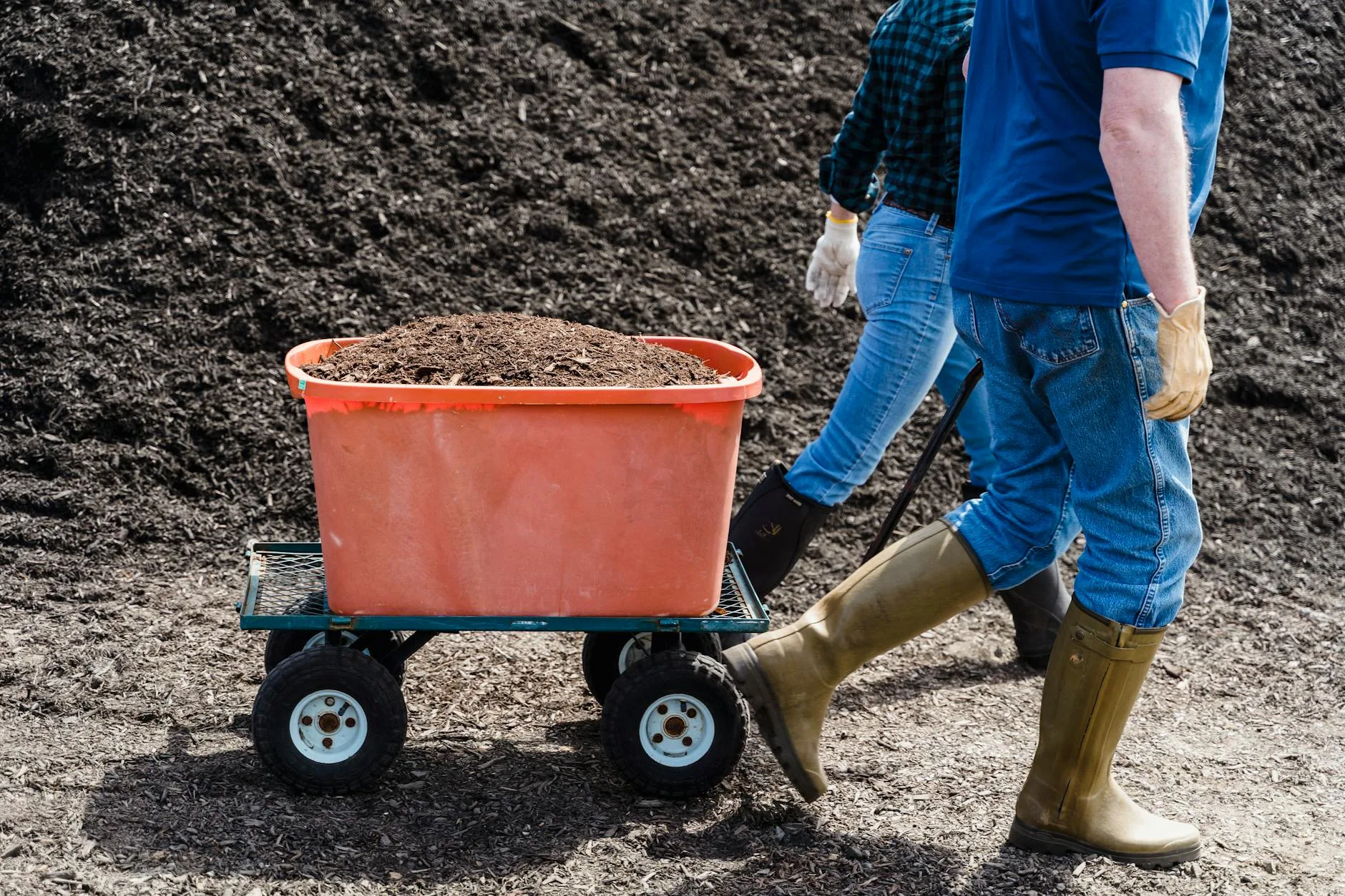
The Basic Rule: Greens and Browns
Every composting guide starts here because this is genuinely all you need to understand. Everything that goes into your compost bin falls into one of two categories.
Greens: Nitrogen-Rich Materials
“Greens” aren’t necessarily green — it’s about nitrogen content. These are fresh, wet, or recently living materials that provide the nitrogen microorganisms need to multiply and generate heat. Grass clippings, vegetable peelings, coffee grounds, and fresh plant trimmings are all greens. They decompose fast and, in excess, turn slimy and smelly.
Browns: Carbon-Rich Materials
“Browns” provide the carbon that gives compost its structure and feeds the slower-acting fungi that do much of the heavy lifting in decomposition. Dried leaves, cardboard, shredded paper, woody prunings, and straw are browns. They decompose slowly and, in excess, make your compost dry and inactive.
The Ideal Ratio
Aim for roughly 2-3 parts brown to 1 part green by volume. You don’t need to measure precisely — it’s more art than science. If your compost smells bad, add more browns. If it’s sitting there doing nothing, add more greens. After six months of trial and error with our allotment bin, eyeballing the ratio became second nature. The Royal Horticultural Society recommends a similar approach and has an excellent guide on getting the balance right.
What Can Go in Your Compost Bin
Kitchen Waste (Greens)
- Fruit and vegetable peelings — the backbone of kitchen composting. Everything from potato skins to banana peels.
- Tea bags and loose tea — check bags are plastic-free first. Most major UK brands (PG Tips, Yorkshire Tea) have switched to plant-based bags.
- Coffee grounds and paper filters — excellent nitrogen source. Worms love them too.
- Eggshells — crush them first for faster breakdown. They add calcium to the finished compost.
- Stale bread and pasta — in small quantities. Bury in the centre to avoid attracting rodents.
- Cut flowers — once they’ve died, straight in the bin.
Garden Waste (Mix of Greens and Browns)
- Grass clippings — powerful green, but add in thin layers. A thick mat of grass clippings goes anaerobic and stinks. Mix with browns or let them wilt for a day first.
- Hedge trimmings — shred or chop for faster decomposition. Thick woody stems take years if left whole.
- Annual weeds — before they’ve set seed. Pull them, shake off soil, and add to the bin.
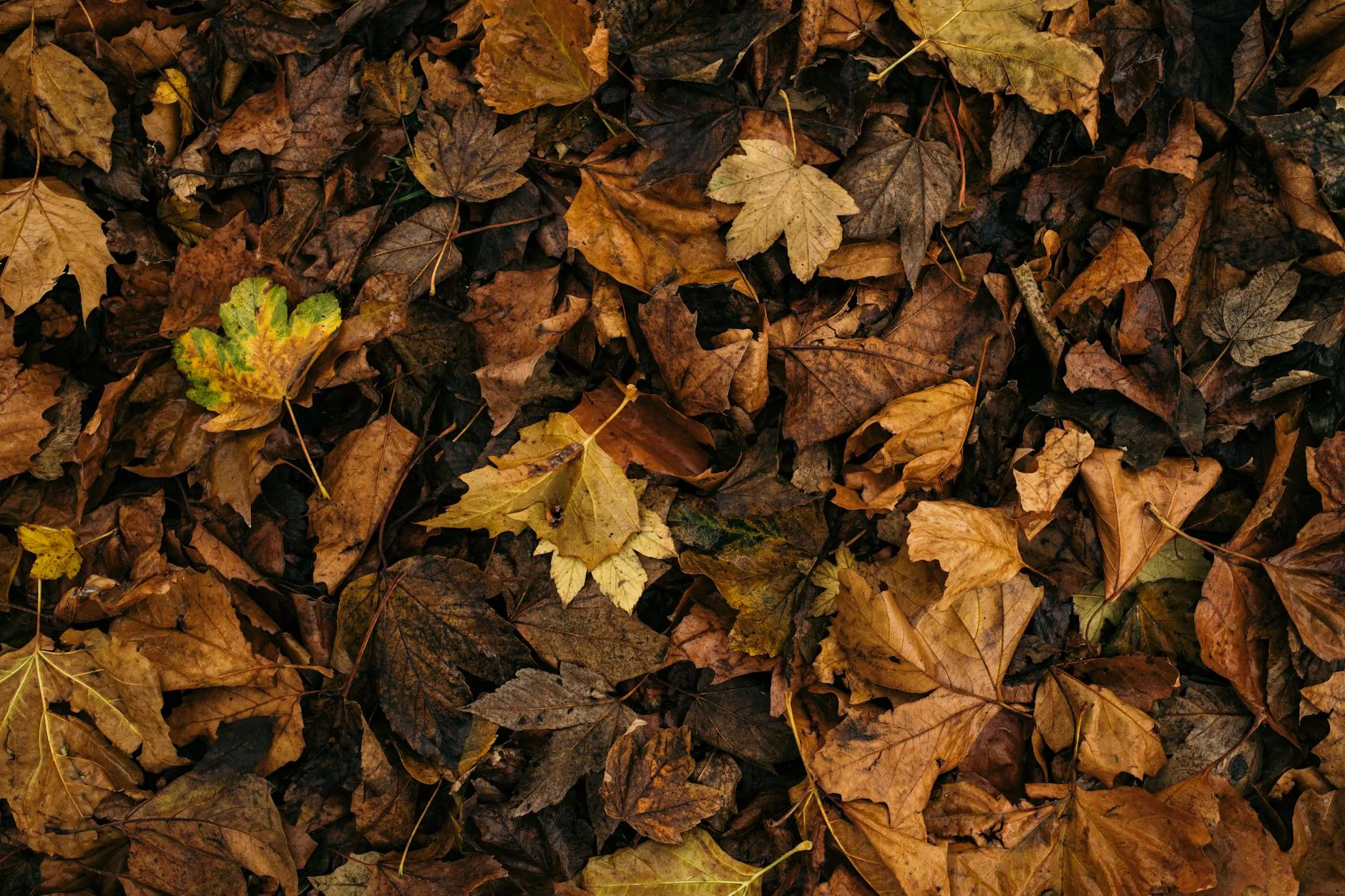
- Fallen leaves — technically a brown, though fresh ones still have some nitrogen. Shred them to prevent matting.
- Dead houseplants — including the root ball (shake out excess potting compost first).
- Spent bedding plants — end-of-season annuals, tomato plants (if disease-free), and herb trimmings.
Household Materials (Browns)
- Cardboard — tear into small pieces. Cereal boxes, toilet roll tubes, egg cartons, and delivery boxes all work. Remove tape and glossy printed sections.
- Newspaper — shred or scrunch. UK newspapers use soy-based inks that are safe for composting.
- Paper towels and tissues — provided they haven’t been used with cleaning chemicals.
- Natural fibre fabrics — 100% cotton, wool, or linen cut into small pieces. Check the label — blends with polyester won’t break down.
- Shredded paper — excellent brown material. Cross-cut shredder output is ideal.
- Sawdust and wood shavings — from untreated wood only. Very carbon-rich, use sparingly.
Other Compostable Items
- Hair and nail clippings — including pet fur from brushing. Surprisingly nitrogen-rich.
- Vacuum cleaner contents — if your household has mostly natural fibre carpets and no chemical treatments.
- Wine and beer dregs — a small amount adds moisture and nutrients.
- Fireplace ash — from untreated wood only. Use very sparingly — it’s alkaline and can throw off your compost pH.
What Should Never Go in Your Compost Bin
Meat, Fish, and Bones
These decompose eventually, but they attract rats, foxes, and flies before they do. The smell is horrific. Even in a sealed bin, meat creates anaerobic pockets that produce hydrogen sulphide — rotten egg gas. Standard home compost bins don’t reach temperatures high enough to safely break down meat.
Dairy Products
Cheese, milk, yogurt, and butter create the same problems as meat — smell, pests, and slow decomposition. A splash of milk on cereal remnants is fine; half a block of Cheddar is not.
Cooked Food (with Exceptions)
Cooked vegetables in small amounts are generally fine. But anything with oil, sauce, or seasoning is problematic — oils coat organic matter and slow decomposition, salt kills the microorganisms doing the work, and sauces attract pests. Plain cooked rice or pasta in tiny quantities is borderline acceptable; a plate of leftover curry is not.
Diseased Plants
Blight-affected tomato plants, club root brassicas, and anything with obvious fungal disease should go in the council green waste bin, not your home compost. Council facilities reach 60°C+ which kills pathogens; your bin probably maxes out at 40°C. Adding diseased plants to compost and then spreading that compost around your garden is a reliable way to infect next year’s crops.
Perennial Weeds and Seed Heads
Bindweed, couch grass, ground elder, and Japanese knotweed will survive composting and regrow wherever you spread the finished product. Seed heads from annual weeds that have already set seed will also survive — you’ll essentially be sowing weeds across your garden. Council green waste or burning are the only safe options.
Pet Waste
Dog and cat faeces can contain parasites (particularly Toxocara from dogs and Toxoplasma from cats) that survive home composting temperatures. This is a health risk, not just an aesthetic one. Never add pet waste to compost that will be used on food-growing areas. Herbivore manure (rabbit, guinea pig, hamster) is fine and actually an excellent compost activator. For a related angle, see our Best Compost Bins 2026 UK: Tumbler, Wooden & Hot Bins guide.
Treated or Painted Wood
Pressure-treated timber, MDF, chipboard, and painted wood contain chemicals that leach into compost and, ultimately, into your soil and food. Only untreated, unpainted wood should go in the bin.
Glossy or Coated Paper
Magazine pages, glossy flyers, and wax-coated packaging contain plastics and chemicals that don’t break down. Matte newspaper and plain cardboard are fine; anything shiny or coated isn’t.
The Grey Area: Items That Depend on Your Setup
Citrus Peels
The old advice was to avoid citrus because the acidity kills composting organisms. This is largely a myth — in small quantities, orange and lemon peels compost fine. The real issue is that they decompose slowly due to their oils. Chop them small and they break down in a few months. If your bin is small and you’re adding a kilo of orange peel a week, it might overwhelm things. For a normal household, it’s not a problem.
Onion and Garlic Skins
Perfectly compostable despite the persistent rumour that they “kill worms.” Worms may avoid fresh onion, but the skins break down quickly and the composting bacteria aren’t bothered. After years of throwing every onion skin into our compost, our worm population is thriving.
Compostable Packaging
Items marked “home compostable” (the seedling logo) should break down in your bin within 6-12 months. Items marked only “industrially compostable” need the higher temperatures of council facilities and will sit unchanged in your home bin. Check the certification carefully — many “eco” products only meet the industrial standard.
Avocado Skins and Stones
Both compost eventually, but slowly. Stones can take 1-2 years. If that doesn’t bother you, throw them in. If you want faster, tidier compost, put them in the council green waste.
Common Mistakes That Ruin Compost
Too Many Greens
The single most common problem. A bin full of grass clippings and vegetable peelings with no browns turns into a wet, smelly, anaerobic mess. Every time you add a bucket of kitchen waste, throw in a similar amount of torn cardboard or dried leaves. Keep a bag of shredded paper next to your bin as your go-to brown material. Our Best Garden Compost Thermometers 2026 guide is useful alongside this.
Adding Everything in Big Batches
Dumping a whole lawn’s worth of grass clippings in one go creates a dense, airless mat. The same applies to a bin bag of autumn leaves or a box of kitchen scraps saved over a week. Add materials in thin layers, mix them as you go, and alternate greens and browns.
Neglecting to Turn or Aerate
Composting needs oxygen. Without it, anaerobic bacteria take over and produce the sulphurous smell that makes your neighbours complain. Turn your compost with a fork every 2-4 weeks, or use an aerating tool if turning is awkward. Even just poking a few holes with a broom handle helps.
Wrong Location
Put your bin on bare soil (not concrete or paving) so worms and beneficial organisms can migrate in from below. A partly shaded spot works best in the UK — full sun dries it out in summer, full shade keeps it too cold in winter. Against a south-facing fence with some tree cover is ideal.
How to Balance Your Compost for Faster Results
The Quick Fixes
- Slimy and smelly? Add browns — shredded cardboard, dried leaves, or scrunched newspaper. Turn the pile to introduce air.
- Dry and inactive? Add greens — grass clippings or fresh kitchen waste. Water lightly if bone dry.
- Not heating up? Add a nitrogen activator — fresh grass, comfrey leaves, or a commercial compost accelerator from any garden centre (about £5-8 at B&Q or Wickes).
- Attracting flies? Bury fresh kitchen waste in the centre under a layer of browns. Cover exposed food waste immediately.
Size Matters
Chopping, shredding, and tearing materials into smaller pieces noticeably speeds decomposition. A whole cabbage stalk takes months; the same stalk chopped into 5cm pieces breaks down in weeks. This is the single most impactful thing you can do for faster compost without changing what you add. We cover a similar decision in Best Raised Bed Compost 2026: Ready-Mixed Bags Tested.
Composting in Small Spaces
Kitchen Caddies and Countertop Bins
Even without a garden, you can collect kitchen waste in a sealed caddy and take it to a community composting scheme or your council food waste bin. Joseph Joseph and Brabantia make kitchen caddies for £15-30 that seal odours in and look decent on a countertop.
Bokashi Bins
Bokashi uses fermentation rather than traditional composting. You can process meat and dairy (unlike traditional composting), it works indoors, and the fermented output gets buried in soil or added to a traditional compost bin to finish. A bokashi bin costs about £25-40 and the bran refills run £8-12. Ideal for flats and small kitchens.
Wormeries
A wormery is a compact composting system that uses tiger worms to process kitchen waste. They produce rich liquid feed and concentrated vermicompost. Can sit in a shed, garage, or sheltered balcony. Starting kits cost £40-80 from Amazon or specialist suppliers. The worms eat about half their body weight daily and produce virtually no smell when properly maintained.
What to Do with Things You Can’t Compost
Council Green Waste
Most UK councils accept garden waste and some food waste for industrial composting. Check your local council website — brown bin collections typically cost £30-60 per year. Industrial composting handles meat, dairy, and diseased plants that home bins can’t.
Food Waste Collection
An increasing number of councils offer separate food waste collection in small caddies. This handles cooked food, meat, dairy, and bones. If your council offers it, use it — it’s processed into biogas and fertiliser. You may also want to read Compost Troubleshooting: Smells, Pests & Slow Decomposition.
Specific Disposal Routes
- Cooking oil — let it cool and solidify, then put in general waste. Never pour down the drain.
- Japanese knotweed — legally controlled. Contact your council for disposal guidance.
- Treated wood — take to your local recycling centre’s dedicated skip.
- Pet waste — general waste bin, or dedicated pet waste composters if you want to process it separately (never for food-growing compost).
Seasonal Composting Tips for UK Gardens
Spring
Turn over your winter compost to aerate it. Add the first grass clippings of the year (mix well with browns — spring grass is very nitrogen-rich). Start adding kitchen waste from seasonal cooking.
Summer
Compost heats up and works fastest. Water it in dry spells — composting organisms need moisture. This is when you’ll produce the most finished compost. Spread it on beds and borders in late summer.
Autumn
The golden age of composting. Fallen leaves provide huge volumes of free brown material. Shred them with a mower and stockpile for adding throughout winter and spring. End-of-season plant clearance fills the bin with green material.
Winter
Decomposition slows considerably in cold weather. Keep adding materials — they’ll break down when temperatures rise in spring. Insulate your bin with old carpet or cardboard if it’s in an exposed spot. Don’t worry if nothing seems to be happening; it’s just resting.
Frequently Asked Questions
Can I put weeds in my compost bin? Annual weeds that haven’t set seed are fine. Perennial weeds like bindweed, couch grass, and ground elder should not go in home compost — they’ll survive and regrow. Drown them in a bucket of water for 4-6 weeks first, or send them to your council’s green waste collection which reaches temperatures high enough to kill them.
Why does my compost smell bad? Usually too many greens and not enough browns, causing anaerobic conditions. Add shredded cardboard or dried leaves, turn the pile to introduce oxygen, and the smell should clear within a week. If it smells like rotten eggs, it’s gone anaerobic — turning and adding browns is the fix.
Can I compost tea bags? Most major UK brands have switched to plant-based bags that compost fully. Check the packaging — if it says “plastic-free” or “home compostable” you’re fine. If in doubt, tear the bag open, compost the tea, and bin the bag separately.
How long does it take to make compost? In a well-managed bin with good green-brown balance and regular turning, you can have usable compost in 3-6 months during the warmer months. A neglected cold bin might take 12-18 months. Hot composting techniques with proper layering and turning can produce compost in as little as 8-12 weeks.
Is it OK to put cooked food in compost? Plain cooked vegetables and grains in small quantities are generally fine. Avoid anything with oil, meat, dairy, sauces, or heavy seasoning — these attract pests and create odour problems. For cooked food waste, a bokashi bin or council food waste collection is a better route.