You dig a hole for a new rose bush, and the spade hits what feels like wet concrete. Or maybe it slides through like sand and the water vanishes before you’ve finished pouring. Either way, nothing you’ve planted this year is looking happy, and the stuff that’s supposed to be foolproof — mint, courgettes, even weeds — is struggling. The problem almost never your gardening skills. It’s your soil.
In This Article
- Why Soil Type Matters More Than You Think
- How to Test Your Soil Type at Home
- Clay Soil
- Sandy Soil
- Loam Soil
- Chalk and Limestone Soil
- Silt Soil
- Peat Soil
- Soil pH and Why It Matters
- How to Improve Any Soil Type
- Choosing Plants for Your Soil Type
- Raised Beds: The Soil Shortcut
- Frequently Asked Questions
Why Soil Type Matters More Than You Think
Every plant you grow gets its water, nutrients, and physical support from the soil. Get the soil wrong and it doesn’t matter how much you water, feed, or fuss — the plant is fighting against its foundations.
Drainage, Nutrients, and Structure
The three things soil does for plants are simple in theory:
- Drainage — how quickly water moves through the soil. Too fast (sandy soil) and roots dry out. Too slow (heavy clay) and roots drown.
- Nutrient retention — the soil’s ability to hold onto minerals that plants need. Sandy soils lose nutrients with every rainfall. Clay soils hoard them but make them hard to access.
- Structure — whether roots can actually push through the soil. Compacted clay is like trying to grow in a car park. Loose sand offers no stability.
The UK Soil Map
The UK has an extraordinary variety of soil types packed into a relatively small area. The British Geological Survey’s soil map is a brilliant resource — you can look up exactly what type of soil sits under your postcode. London clay covers much of southeast England. Sandy soils dominate parts of Norfolk, Suffolk, and the Surrey heaths. Chalk runs through the Downs and the Chilterns. Peat covers the Scottish Highlands and parts of Lancashire.
Knowing your area’s geology gives you a head start, but your garden’s soil can differ from your neighbour’s by a surprising amount, especially if previous owners added topsoil or the garden sits on a different layer of subsoil.
How to Test Your Soil Type at Home
You don’t need a lab. Two simple tests will tell you most of what you need to know.
The Squeeze Test
- Take a handful of moist soil from about 15cm below the surface.
- Squeeze it in your fist and open your hand.
- If it holds its shape and feels sticky — clay soil.
- If it crumbles apart immediately — sandy soil.
- If it holds its shape briefly then crumbles gently — loam (congratulations, you’ve won the soil lottery).
- If it feels silky smooth — silt soil.
The Jar Test
This one’s more precise and oddly satisfying to watch.
- Fill a glass jar about one-third full with soil from your garden.
- Top up with water, leaving a gap at the top.
- Add a teaspoon of washing-up liquid (helps break up the particles).
- Shake vigorously for about two minutes, then leave the jar completely undisturbed for 24-48 hours.
- The soil will settle into layers: sand at the bottom (settles within minutes), silt in the middle (settles within hours), and clay on top (takes a day or more to fully settle).
- Measure each layer. The proportions tell you your soil type.
I did the jar test on our garden soil last spring and was surprised to find it was about 60% clay, 30% silt, and 10% sand. That explained a lot about why the lawn turned into a swamp every winter.
The pH Test
Buy a soil pH testing kit from any garden centre (about £5-8 from B&Q or Wickes) or use an electronic meter (about £15-25 from Amazon UK). Take samples from at least three spots in the garden for accuracy.
- pH below 6 — acidic soil (heathland plants love this)
- pH 6-7.5 — neutral to slightly alkaline (most vegetables and flowers thrive here)
- pH above 7.5 — alkaline soil (common over chalk and limestone)
Clay Soil
Clay soil is made up of extremely fine particles — less than 0.002mm across — that pack tightly together. It’s the most common soil complaint among UK gardeners, and it’s both a blessing and a curse.
Characteristics
- Heavy and dense — a spadeful weighs noticeably more than other soil types
- Slow draining — holds water, often waterlogged in winter
- Difficult to dig when wet (sticky) or dry (rock-hard)
- Rich in nutrients — those tiny particles have a huge surface area that holds onto minerals
- Warms up slowly in spring — delays planting by 2-3 weeks compared to lighter soils
- Cracks in summer — the surface develops deep fissures during dry spells
What Grows Well in Clay
The good news is that many garden favourites actually thrive in clay. The Royal Horticultural Society recommends:
- Roses — most varieties love clay soil’s moisture retention and nutrient density
- Asters — autumn colour that performs brilliantly in heavier soils
- Geraniums — the hardy varieties (not pelargoniums) are clay champions
- Fruit trees — apple and pear trees do particularly well
- Hawthorn, viburnum, and dogwood — structural shrubs that don’t mind heavy ground
How to Improve Clay Soil
The goal is to open up the structure so water drains better and roots can breathe.
- Add organic matter — lots of it. Garden compost, well-rotted farmyard manure, leaf mould, or mushroom compost all work. Spread a 5-10cm layer on top each autumn and let the worms work it in.
- Never dig clay when it’s wet. You’ll compact it further and create slabs that take months to break down.
- Add horticultural grit — sharp sand or fine gravel mixed into the top 20-30cm improves drainage permanently.
- Use a garden fork rather than a spade to break up the soil without turning it into bricks.
- Plant green manures in autumn (field beans, winter tares) — their roots break up the subsoil naturally, and you dig them in come spring.
After three years of annual composting, our clay plot went from boot-sticking mud to something approaching workable. It takes patience, but it does improve. For making your own compost to feed the soil, our guide on how to start composting covers everything from bins to hot heaps.
Sandy Soil
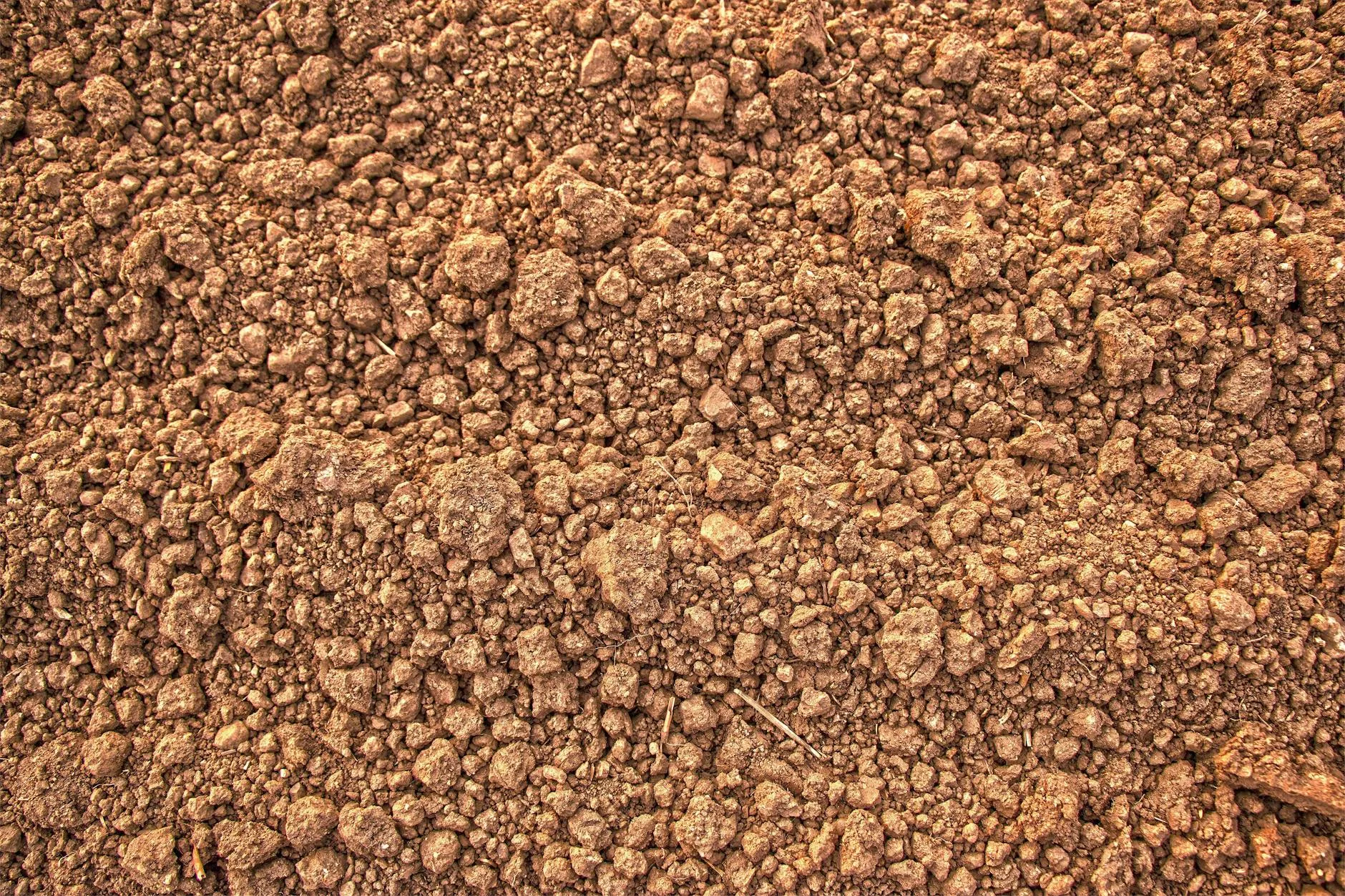
Sandy soils are the opposite of clay — large, gritty particles with big air gaps between them.
Characteristics
- Light and easy to dig — you can work it in almost any weather
- Free-draining — water passes through quickly, almost too quickly
- Warms up fast in spring — great for early sowings
- Low nutrient retention — minerals wash out with every rainfall
- Feels gritty when rubbed between your fingers
- Doesn’t hold shape when squeezed wet
What Grows Well in Sand
Plants that hate sitting in water thrive in sandy conditions:
- Lavender — Mediterranean herbs love the drainage
- Carrots and parsnips — root veg grow straight and long without obstruction
- Asparagus — needs excellent drainage and rewards you for years
- Seaside plants — sea holly, thrift, valerian, tamarisk
- Herbs — rosemary, thyme, sage, oregano — all prefer lean, well-drained soil
How to Improve Sandy Soil
The challenge is holding onto water and nutrients long enough for plants to use them.
- Add organic matter — the same remedy as clay, but for different reasons. Compost acts like a sponge, holding moisture and nutrients in the root zone.
- Mulch heavily — a 5-8cm layer of bark chips, straw, or compost on top reduces evaporation.
- Water little and often rather than drowning the soil in one go — the water just runs straight through anyway.
- Use slow-release fertilisers instead of liquid feeds, which wash out within days.
- Consider a drip irrigation system for vegetable beds — delivers water directly to roots where it’s needed.
Loam Soil
If there’s a perfect soil, loam is it. A balanced mix of sand, silt, and clay particles with plenty of organic matter, loam drains well but holds enough moisture, retains nutrients, and is easy to work. For a related angle, see our Garden Netting Guide: Protecting Crops from Pests and Birds guide.
Characteristics
- Dark, crumbly texture — holds shape when squeezed but breaks apart easily
- Good drainage without being too fast — the sweet spot
- Rich in nutrients and organic matter
- Easy to dig in most conditions
- Warms up reasonably quickly in spring
What Grows Well in Loam
Almost everything. Loam is the soil that garden centres assume you have when they write care labels. If you’ve got it, count yourself lucky — most UK gardeners are managing something less ideal.
- Vegetables — all types perform well, from root veg to brassicas to salads
- Fruit — strawberries, raspberries, blackcurrants, gooseberries
- Perennials — the full range of border plants
- Lawn grass — establishes quickly and recovers well from wear
Maintaining Loam
Even perfect soil needs feeding.
- Annual mulching — 3-5cm of compost maintains organic matter levels
- Avoid over-cultivation — excessive digging breaks down soil structure faster than nature rebuilds it
- Rotate crops — prevents nutrient depletion and disease build-up in vegetable beds
- Test pH every 2-3 years — loam can drift acidic or alkaline over time
Chalk and Limestone Soil
Chalky soil overlies chalk or limestone bedrock and is common across the Downs, the Wolds, the Chilterns, and parts of the Cotswolds.
Characteristics
- Alkaline — pH typically 7.5-8.5
- Often shallow — you may hit solid chalk within 30-50cm of the surface
- Free-draining — water passes through chalk quickly
- Can be stony — white chalk fragments throughout the soil
- Low in organic matter unless actively maintained
- Iron and manganese lock-up — these essential minerals become unavailable to plants in highly alkaline conditions, causing yellowing leaves (chlorosis)
What Grows Well in Chalk
Many beautiful plants are naturally adapted to alkaline conditions:
- Clematis — thrives with its roots shaded and tops in sun
- Buddleia — the butterfly bush loves chalk
- Box hedging — classic chalk-loving formal plant
- Beech trees — natural on chalk downs across southern England
- Scabious, campanula, wild marjoram — native chalk grassland flowers
What Won’t Grow in Chalk
Acid-loving (ericaceous) plants will struggle or die:
- Rhododendrons and azaleas — need acid soil, chlorosis is immediate on chalk
- Camellias — same problem, leaves go yellow within weeks
- Heathers — native to acid heathland, chalky soil is toxic to them
- Blueberries — need pH 4.5-5.5, impossibly acidic for chalky ground
- Pieris — another acid-lover that turns yellow and sad on chalk
How to Manage Chalk Soil
You can’t change your underlying geology, but you can work with it:
- Add organic matter annually — builds up the topsoil layer above the chalk.
- Grow acid-loving plants in containers or raised beds filled with ericaceous compost.
- Use chelated iron feeds (like Sequestrene) for plants showing signs of chlorosis.
- Avoid adding lime — your soil already has too much calcium.
- Choose plants suited to alkaline conditions rather than fighting the pH.
Silt Soil
Silt particles are mid-sized — smaller than sand but larger than clay. Silty soils are fertile but can be tricky to manage.
Characteristics
- Smooth and silky — feels like flour when dry
- Fertile — holds nutrients well
- Retains moisture — but drains better than clay
- Prone to compaction — especially when walked on or worked when wet
- Can cap — forms a hard crust on the surface after rain, preventing seedlings from emerging
Where You’ll Find It
Silty soils are common in river valleys and flood plains across the UK — the Fens, the Severn Valley, and parts of the Thames Valley have significant silt deposits. Some of the UK’s most productive agricultural land sits on silt because of its natural fertility.
How to Improve Silt Soil
- Add organic matter to improve structure and reduce compaction risk.
- Avoid walking on wet silt — it compacts easily and stays compacted.
- Mulch the surface to prevent capping after heavy rain.
- Use raised beds if drainage is an issue — keeps the growing zone above the water table.
Peat Soil
Peat forms from partially decomposed organic matter in waterlogged, acidic conditions. It’s become a significant environmental topic in recent years.
Characteristics
- Dark brown to black — very high organic matter content
- Acidic — typically pH 3.5-5.5
- Spongy and moisture-retentive — holds many times its own weight in water
- Nutrient-rich — though the acidity can lock out some minerals
- Slow to warm in spring
The Environmental Concern
UK peatlands store approximately 3.2 billion tonnes of carbon — more than all the forests in the UK, France, and Germany combined. When peat is drained or extracted, that carbon is released as CO2. The UK government has committed to restoring 35,000 hectares of peatland by 2025 and has phased out peat sales for amateur gardening.
If your garden sits on natural peat, you’re gardening on an important habitat. Most UK gardeners won’t encounter true peat soil unless they’re in the Highlands, parts of Lancashire, or specific lowland areas like the Somerset Levels.
Gardening on Peat
If you do have peaty soil:
- Acid-loving plants thrive — rhododendrons, azaleas, heathers, blueberries, cranberries
- Drainage is the main challenge — peat holds so much water that roots can rot
- Add lime cautiously to raise pH for vegetable growing — but test thoroughly first
- Raised beds work brilliantly over waterlogged peat, letting you control the growing medium
Soil pH and Why It Matters
pH determines which nutrients are available to your plants. Even if the soil is packed with iron, manganese, and phosphorus, the wrong pH locks them away.
The pH Sweet Spot
Most vegetables and flowers prefer pH 6.0-7.0 — slightly acidic to neutral. At this range, all essential nutrients are available. Move outside this window and problems appear:
- Below pH 5.5 — aluminium and manganese become toxic. Calcium and magnesium become deficient.
- Above pH 7.5 — iron, manganese, zinc, and boron become unavailable. Chlorosis (yellowing between leaf veins) is the most visible symptom.
Adjusting pH
- To raise pH (make less acidic): Add garden lime (calcium carbonate). A typical application is 200-400g per square metre, depending on current pH and soil type. Heavy clay needs more lime than light sandy soil.
- To lower pH (make less alkaline): Add flowers of sulphur. This takes 6-12 months to work as soil bacteria need to convert it. Alternatively, add ericaceous compost or acidic organic matter like pine needles.
Testing every 2-3 years is sufficient for most gardens. We’ve been testing annually for the past four seasons and barely seen any movement — once your pH is in the right range, it tends to stay there with normal composting.
How to Improve Any Soil Type
The universal answer to almost every soil problem is the same: add organic matter. It loosens clay, bulks up sand, feeds the soil biology, and improves structure over time.
Best Organic Amendments
- Garden compost — free if you make your own, packed with beneficial microbes
- Well-rotted farmyard manure — available from garden centres (about £5-7 per bag from B&Q or Wickes) or local farms. Must be well-rotted — fresh manure burns plants.
- Leaf mould — made from autumn leaves, takes 1-2 years but produces beautiful, crumbly material. The best mulch for woodland plants.
- Mushroom compost — spent compost from mushroom farms. Slightly alkaline, so avoid on chalk soils or around acid-loving plants. About £4-6 per bag.
- Green manures — crops grown specifically to be dug back into the soil. Crimson clover, phacelia, and field beans all add organic matter and fix nitrogen.
How Much and How Often
Aim for a 5-8cm layer of organic matter spread across beds every autumn. For new gardens or heavily degraded soil, do this twice a year (spring and autumn) for the first 2-3 years. After that, annual maintenance is enough. Our How to Grow Salad Leaves Year-Round in the UK guide is useful alongside this.
The key is consistency. One massive application won’t fix years of neglect, but steady annual additions transform even the worst soil over 3-5 years. I’ve watched a patch of builder’s rubble and subsoil turn into productive vegetable beds over four years of committed composting.
Choosing Plants for Your Soil Type
Rather than fighting your soil, choose plants that thrive in what you’ve already got.
Plants for Every Soil Type
- Heavy clay: roses, asters, daylilies, hellebores, Japanese anemones, hornbeam hedging
- Sandy soil: lavender, cistus, rock roses, New Zealand flax, sea holly, ceanothus
- Chalk/limestone: clematis, buddleia, scabious, box, beech, yew
- Acid/peat: rhododendrons, camellias, pieris, heathers, blueberries, Japanese maples
- Wet/silt: astilbe, candelabra primulas, ligularia, gunnera, willows, cornus
The Raised Bed Option
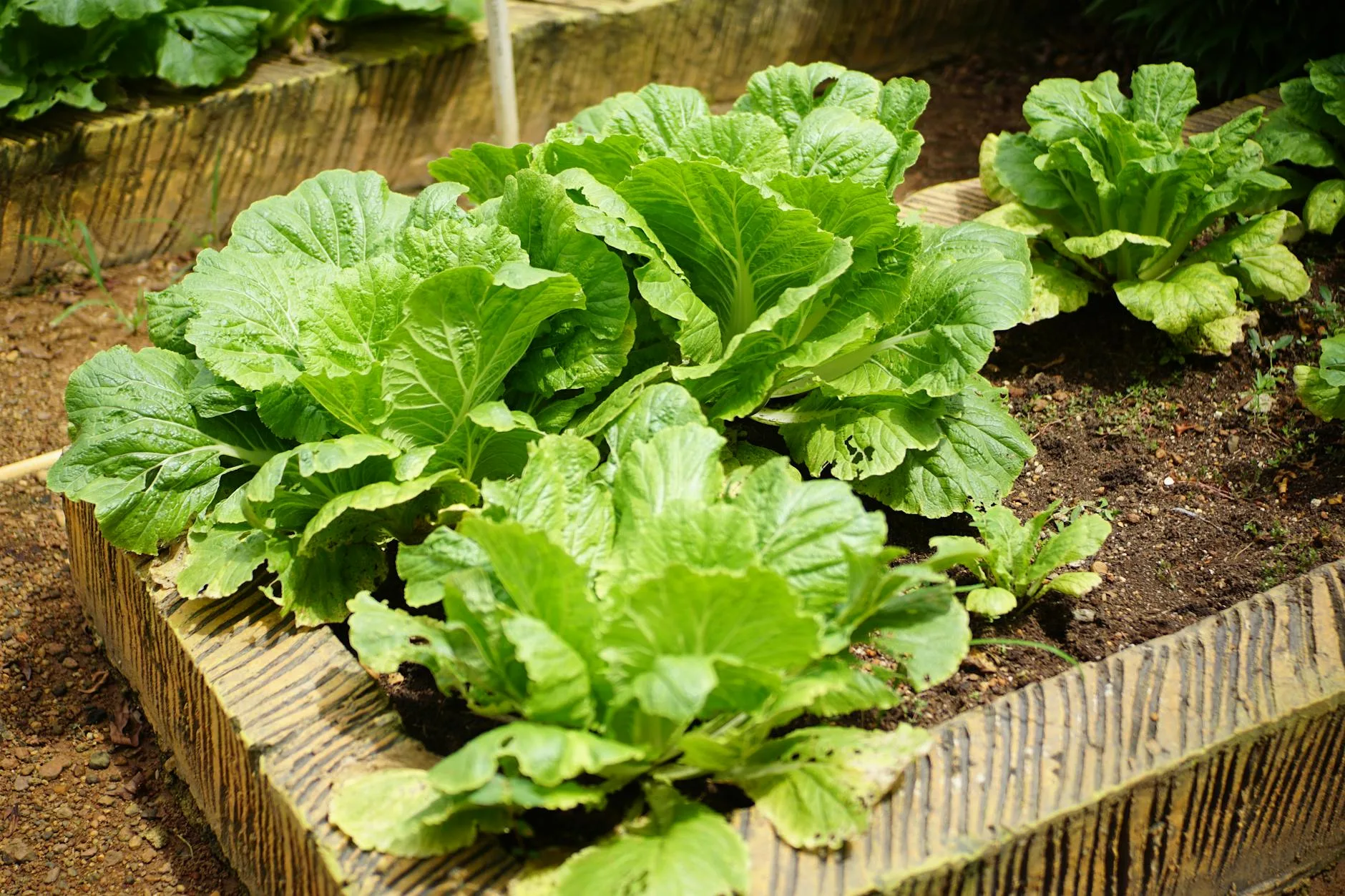
If your native soil is truly difficult — solid clay, shallow chalk, waterlogged peat — raised beds give you complete control over the growing medium. Fill them with a quality topsoil and compost mix and grow whatever you want, regardless of what’s underneath. Our guide to raised beds for beginners covers materials, sizes, and filling options.
For vegetable growers on challenging soil, raised beds are transformational. You’ll also find our list of best vegetables for beginners useful for choosing what to grow first.
Raised Beds: The Soil Shortcut
When your native soil makes gardening a battle, raised beds bypass the problem entirely.
Why Raised Beds Work
- Custom soil mix — fill with the perfect blend for your crops
- Better drainage — elevated beds drain faster than flat ground
- Warmer soil — exposed sides warm up quicker in spring
- No compaction — you never step on the growing area
- Easier access — less bending, kinder on knees and backs
What to Fill Them With
The classic mix is roughly 60% topsoil, 30% compost, and 10% perlite or grit. For a standard raised bed (1.2m × 2.4m × 30cm), you’ll need about 0.85 cubic metres of fill — that’s approximately 20 standard bags from B&Q or a bulk bag from a landscape supplier (about £50-80 delivered).
Don’t use pure compost — it compacts and shrinks as it decomposes. And don’t use the soil you dug out of the ground, because that defeats the purpose. Start with quality topsoil and amend it with compost for the best results.
Cost vs Benefit
A basic timber raised bed (2.4m × 1.2m) costs about £40-80 for materials, plus £50-80 for fill. Under £160 total for a growing space that produces vegetables year after year with virtually no soil problems. Compared to years of battling heavy clay or sandy soil, it’s money well spent.
Frequently Asked Questions
Can I change my soil type completely? Not really — your underlying geology determines the base soil type. But you can massively improve its growing conditions by adding organic matter, adjusting pH, and improving drainage. Most experienced gardeners don’t try to change their soil type — they choose plants that suit it and improve the structure gradually.
How long does it take to improve soil? With consistent annual additions of organic matter, you’ll see noticeable improvements within 1-2 growing seasons. Significant transformation takes 3-5 years. Clay soils respond faster to grit addition; sandy soils improve quickly with regular composting.
Is there a best soil for growing vegetables? Loam is ideal, but you can grow excellent vegetables in any improved soil. Clay that’s been opened up with organic matter is actually superb for brassicas and beans. Sandy soil suits root vegetables. Raised beds with a custom mix give the best results regardless of native soil.
Should I test my soil before planting anything? Yes — at minimum, do the squeeze test and a pH test. They take five minutes and save you from expensive mistakes. Planting acid-loving camellias in chalk soil, for example, is money wasted. A basic pH test kit costs under £8 from any garden centre.
What’s the best thing to add to any soil type? Well-rotted garden compost. It improves clay by opening up the structure, improves sand by retaining moisture, feeds soil biology in all soil types, and costs nothing if you make your own. It’s the single most effective thing you can do for any garden soil.