Every autumn you rake up bin bags full of leaves, stuff them into the garden waste bin, and watch them disappear into council collection. Meanwhile, the same leaves — left to rot for a year or two — would turn into the finest soil conditioner money can’t buy. Leaf mould is dark, crumbly, moisture-retentive, and completely free if you have trees. All you need is somewhere to contain the leaves while nature does its work. A dedicated leaf mould bin or cage takes up a small corner of the garden and produces something that would cost you £8-12 a bag from a garden centre.
Quick Answer: The best leaf mould bin for most UK gardens is a simple wire leaf cage of 300-600 litres. Wire cages give leaves the airflow they need, cost less than sealed plastic composters and are easy to empty when the leaf mould is ready. Choose a plastic leaf composter only if you need something tidier for a small garden.
In This Article
- Best Overall Leaf Mould Bin
- What Is Leaf Mould and Why Bother?
- Leaf Mould Bins vs Compost Bins: What’s the Difference?
- How to Choose a Leaf Mould Bin
- Best Leaf Mould Bins and Cages 2026 UK
- DIY Leaf Mould Cages: The Budget Option
- How to Make Leaf Mould Step by Step
- Which Leaves Work Best?
- Troubleshooting Common Problems
- Frequently Asked Questions
Best Overall Leaf Mould Bin
Gardman Wire Leaf Composter — about £25-35 from Amazon UK, Wilko, or garden centres. This is the simplest, most effective leaf mould container you can buy. Four wire mesh panels pop together without tools to create a 600-litre bin that holds a serious quantity of leaves. The open mesh design provides the airflow that leaf mould needs (unlike sealed compost bins), and the wire is coated to resist rust. The design is basic, but that is the point: lots of airflow, plenty of capacity and very little to go wrong.
It’s not pretty — it looks like a wire cage, because it is one — but leaf mould bins live in back corners and do their job quietly. Function over form, every time.
What Is Leaf Mould and Why Bother?
The Basics
Leaf mould is decomposed leaves. Unlike compost, which is broken down by bacteria in a hot, active process, leaf mould is decomposed primarily by fungi in a slow, cool process. The result is different from compost — less nutrient-rich but far superior as a soil conditioner. It improves soil structure, retains moisture, and creates the kind of dark, crumbly growing medium that plants thrive in.
Why It’s Better Than Buying
A 50-litre bag of leaf mould or soil conditioner costs £8-12 at garden centres. A mature tree drops enough leaves each autumn to produce 200-400 litres of leaf mould — that’s £30-80 worth from a single season’s free material. Over a few years, a dedicated leaf mould bin pays for itself many times over. The Royal Horticultural Society recommends leaf mould as one of the best soil improvers available to gardeners.
What It’s Used For
- Soil conditioner — dig it into beds to improve structure, drainage, and water retention
- Mulch — spread 5-10cm around plants to suppress weeds and retain moisture
- Seed compost — well-rotted (2+ years), sieved leaf mould makes excellent seed-starting mix
- Potting mix ingredient — blend with compost and sharp sand for containers
- Top dressing for lawns — sieved leaf mould improves lawn soil without smothering grass
Leaf Mould Bins vs Compost Bins: What’s the Difference?
Process
Composting is hot and fast — bacteria break down a mix of green and brown materials, generating heat that speeds decomposition. A well-managed compost bin can produce usable compost in 3-6 months. Leaf mould is cold and slow — fungi break down leaves without significant heat, taking 12-24 months.
Structure
Compost bins need to be enclosed to retain heat. Leaf mould bins need airflow — the fungi that break down leaves need oxygen, and wet, compacted leaves without air turn anaerobic and slimy. This is why wire cages and mesh containers work better for leaf mould than sealed plastic bins.
Materials
Compost bins need a balanced mix of greens (nitrogen-rich) and browns (carbon-rich). Leaf mould bins need only one thing: leaves. No grass clippings, no kitchen scraps, no balancing ratios. Just leaves. This simplicity is part of the appeal. In practice, leaf mould is the lower-maintenance system: fill the cage, keep it damp, then leave fungi and time to do most of the work.
Do You Need Both?
Yes, ideally. Compost handles kitchen waste, garden cuttings, and general organic material. Leaf mould handles the autumn leaf fall separately, producing a different and complementary product. Most productive gardens run both — a compost system for everyday waste and a leaf cage for the annual leaf harvest.
How to Choose a Leaf Mould Bin
Size
Leaves are bulky. A wheelbarrow load of dry leaves compresses hugely as it decomposes — expect leaves to reduce to about a quarter of their original volume over 12 months. For a small garden with one or two trees, a 300-litre bin is sufficient. For larger gardens or allotments, 600 litres or more is better. You can always build a second cage if you outgrow the first.
Material
- Wire mesh — the standard choice. Good airflow, cheap, easy to assemble. Coated wire resists rust but will eventually degrade after 5-8 years
- Wooden pallets — free if you can source them, good airflow through the gaps, look more natural. Untreated pallets last 3-5 years before rotting themselves. A pallet cage can last several seasons if the timber is sound and the corners are wired firmly
- Plastic mesh — lighter than wire, won’t rust, but can become brittle in UV exposure. Some commercial leaf composters use this
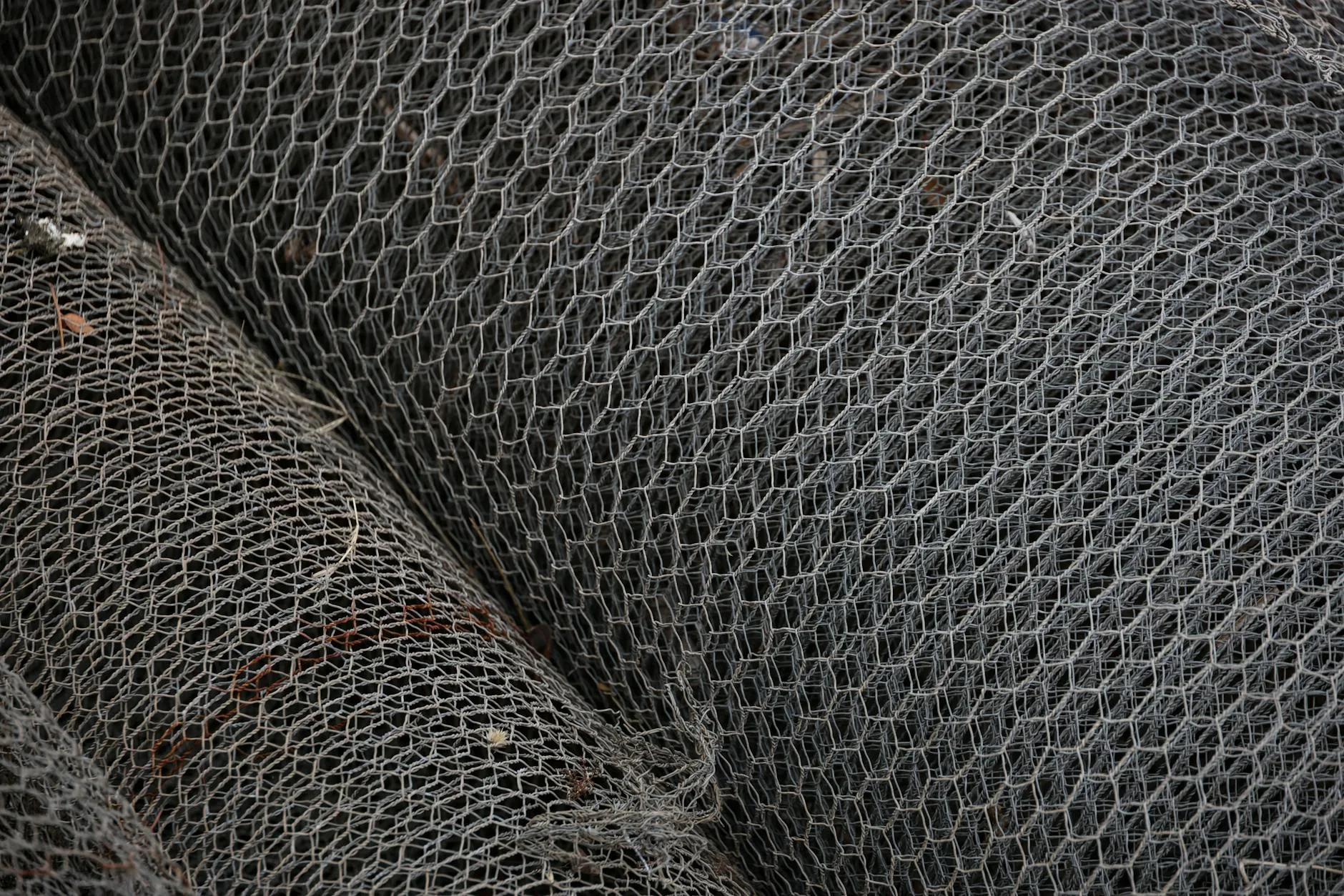
- Chicken wire — cheap and flexible but floppy without a frame. Best used over stakes or a wooden frame
Location
Place your leaf mould bin in a shady, sheltered spot. Fungi work better in shade than full sun (sun dries the leaves too quickly), and shelter prevents wind from scattering dry leaves out of open-topped bins. The back corner of the garden, behind the shed, or alongside the compost bins — anywhere out of the way where it can quietly do its job for a year. For a related angle, see our Best Bokashi Bins 2026 UK: Kitchen Composting Made Easy guide.
Access
You need to get leaves in easily (top-loading or removable panels) and finished leaf mould out (removable front panel or lift-off design). Wire panel bins that disassemble completely are the easiest to empty — you remove one side and fork out the contents.
Best Leaf Mould Bins and Cages 2026 UK
Gardman Wire Leaf Composter — Best Overall
Four interlocking galvanised wire mesh panels that create a 600-litre open-topped bin. No tools needed for assembly — the panels hook together at the corners. The coated wire resists corrosion and the open mesh provides excellent airflow. Simple, effective, and cheap.
- Capacity: 600 litres
- Material: Coated wire mesh
- Dimensions: ~80 x 80 x 95cm
- Assembly: Tool-free, interlocking panels
- Price: ~£25-35
- Where to buy: Amazon UK, Wilko, garden centres
Bosmere Wire Leaf Mould Cage — Best Large
Larger than the Gardman at roughly 800 litres, the Bosmere cage uses heavier gauge wire for better rigidity. The extra volume is useful if you have multiple trees or collect leaves from a larger area. It’s still tool-free assembly and the same basic wire panel design.
- Capacity: ~800 litres
- Material: Heavy gauge coated wire mesh
- Dimensions: ~90 x 90 x 100cm
- Assembly: Tool-free, clip-together panels
- Price: ~£35-45
- Where to buy: Amazon UK, Bosmere direct, garden retailers
Haxnicks Pop-Up Leaf Collector — Best Portable
A collapsible mesh bag with a rigid rim that pops open for filling and folds flat for storage. At 150 litres it’s smaller than wire cages, making it better suited to small gardens or as a collecting tool rather than a permanent decomposition bin. Fill it, tie it closed, leave it in a corner. The mesh breathes well enough for leaf mould to form.
- Capacity: 150 litres
- Material: Woven polypropylene mesh
- Dimensions: ~55 x 55 x 70cm (pops open), folds to ~5cm flat
- Assembly: Pop-open, no tools
- Price: ~£12-18
- Where to buy: Amazon UK, Haxnicks direct, garden centres
Blackwall Leaf Composter — Best Plastic
A dedicated plastic leaf composter with ventilation holes drilled throughout. It sits between a traditional compost bin and a leaf cage — enclosed enough to retain moisture but ventilated enough for aerobic decomposition. The dark plastic absorbs heat, which can speed up the process slightly. Useful if you want something tidier-looking than a wire cage.
- Capacity: 400 litres
- Material: Recycled plastic with ventilation holes
- Dimensions: ~75 x 75 x 70cm
- Assembly: Clip-together panels, no tools
- Price: ~£35-50
- Where to buy: Amazon UK, The Recycle Works, Blackwall direct
Burgon & Ball Leaf Tidy Bag — Best Budget
A simple garden tidy bag made from heavy-duty polypropylene with mesh ventilation panels. Fill it with leaves, leave it in a corner, and wait. At under £10, it’s the cheapest route to leaf mould. The bag holds about 100 litres and lasts 2-3 seasons before the handles give way. Buy two and rotate them annually.
- Capacity: ~100 litres
- Material: Polypropylene with mesh panels
- Price: ~£8-12
- Where to buy: Amazon UK, garden centres, hardware shops
DIY Leaf Mould Cages: The Budget Option
Wooden Pallet Cage
Four pallets stood on end, wired together at the corners. Free if you can source the pallets (ask at local businesses, industrial estates, or check Freecycle/Gumtree). Line the inside with chicken wire to stop leaves poking through the slats. This is the classic allotment approach — functional, free, and surprisingly effective. Our Best Fruit Cages 2026 UK: Protect Your Crop guide is useful alongside this.
Chicken Wire and Stakes
Four sturdy stakes driven into the ground in a square, with chicken wire wrapped around them. Total cost: about £10-15 for the wire and stakes. The result is a lightweight, large-capacity leaf cage that you can make any size. The downside is flimsiness — chicken wire sags under wet leaf weight, so use heavier gauge (19mm) wire.
Black Bin Bags
The zero-cost option. Stuff leaves into black bin bags, punch a few holes for air circulation, tie loosely, and stack behind the shed. The bags retain moisture well and produce usable leaf mould in 12-18 months. Not elegant, but it works. Use the thicker rubble sacks rather than thin bin liners — they’ll split less.
How to Make Leaf Mould Step by Step
- Collect leaves in autumn — rake, leaf blower, or simply gather from the lawn
- Shred large leaves if possible — running a mower over them speeds decomposition noticeably
- Dampen dry leaves with a watering can — fungi need moisture to work
- Fill your bin or cage, pressing down firmly to compact the leaves
- Water thoroughly — the leaves should be damp like a wrung-out sponge, not dripping
- Leave uncovered (wire cages) or loosely covered (bags) — the fungi need air
- After 6 months, turn the pile if you can — fork the contents out and back in. This introduces air and redistributes moisture
- At 12 months, you’ll have partially decomposed leaf mould — usable as mulch
- At 18-24 months, you’ll have fully decomposed leaf mould — dark, crumbly, ready for soil improvement or seed compost
Speed Tips
- Shredding halves the decomposition time — run a mower over dry leaves before adding them
- Urea (a nitrogen source) speeds fungal activity — a handful dissolved in water, applied when filling
- Turning every 3-4 months introduces air and prevents compaction
- Moisture is critical — check monthly and water if the leaves feel dry
Which Leaves Work Best?
Fast Decomposers (12-18 months)
- Oak — the gold standard. Produces the finest, most crumbly leaf mould
- Beech — excellent leaf mould, breaks down reliably
- Hornbeam — similar to beech, consistent results
- Apple and pear — readily available in gardens, decompose quickly
- Birch — light leaves that break down fast
Slow Decomposers (18-24+ months)
- Sycamore and maple — thicker leaves take longer but produce good results
- Horse chestnut — large leaves, slow to break down. Shredding helps a lot
- Plane — very slow. Best shredded and mixed with faster-decomposing leaves
- Evergreen leaves (holly, laurel, bay) — waxy coatings resist fungi. Shred and mix sparingly with deciduous leaves, or bin them separately
Leaves to Avoid
- Walnut — contains juglone, which inhibits plant growth. Use walnut leaf mould only on paths, not beds
- Diseased leaves — if leaves show signs of fungal disease (coral spot, tar spot), the cold leaf mould process may not kill the spores. Compost these in a hot bin instead, or send them to council green waste
Troubleshooting Common Problems
Leaves Won’t Break Down
Usually a moisture problem. Dry leaves sit unchanged for years. Check moisture — the pile should feel damp throughout, like a wrung-out cloth. If it’s dry, water thoroughly and cover with a sheet of cardboard to retain moisture. Knowing what should go in which bin helps avoid mixing the wrong materials.
Slimy, Smelly Mess
Too wet, too compacted, not enough air. The leaves have gone anaerobic. Fork the pile out completely, spread it to dry for a day, then refill loosely. Ensure your bin has adequate ventilation — sealed bins without air holes cause this consistently.
Mice and Rats
Leaf mould bins occasionally attract rodents looking for nesting material. This is less common than with compost bins (no food scraps) but it happens. Lining the base with wire mesh deters burrowing. If you see nesting, disturb the pile — rodents leave when their home gets turned upside down.
Weeds Growing Through
Weed seeds blow into open-topped leaf bins and germinate in the moist environment. Pull them before they seed. If weeds are persistent, top the bin with a sheet of old carpet or thick cardboard — this suppresses growth while allowing moisture through.
Frequently Asked Questions
How long does leaf mould take to make?
Partially decomposed leaf mould suitable for mulching takes about 12 months. Fully decomposed leaf mould for soil conditioning takes 18-24 months. Shredding leaves can speed this up.
Can I make leaf mould in a normal compost bin?
You can, but a wire cage or mesh container works better because leaves need airflow. If you only have a compost bin, leave the lid off and avoid mixing in kitchen waste.
Is leaf mould the same as compost?
No. Compost is made from mixed organic material and is more nutrient-rich. Leaf mould is made from leaves and is better as a soil conditioner and moisture retainer.
Can I add pine needles to a leaf mould bin?
Yes, but keep them to a minority of the pile because they decompose slowly and can make the finished leaf mould more acidic.
Do I need to add anything to leaves to make leaf mould?
No. Moisture and time are enough. Shredding leaves before adding them usually helps more than adding activators.