Garlic is one of the easiest crops to grow in the UK if you get three things right: plant proper seed garlic, give it a cold spell, and lift it before the bulbs split. This grow garlic UK guide keeps the job simple, with autumn and spring options for beds, raised beds and large containers.
In This Article
- Grow Garlic in the UK: The Quick Plan
- Choose Garlic That Suits UK Weather
- Plant at the Right Time for Bigger Bulbs
- Prepare the Bed and Plant the Cloves Properly
- Care for Garlic Through Winter and Spring
- Harvest, Cure and Store Garlic Without Spoiling It
- Troubleshoot Small Bulbs, Rust and White Rot
- Frequently Asked Questions
Grow Garlic in the UK: The Quick Plan
For most UK gardens, the best route is autumn planting. Buy certified seed garlic in September or October, split the bulb into cloves on planting day, then plant each clove pointed end up, about 2.5cm below the surface and 15cm apart. Keep the bed weed-free through spring, water during dry spells from April to June, then harvest when the lower leaves yellow and the upper leaves are still partly green.
If I had room for one reliable variety, I would plant a softneck such as Solent Wight in October or November. It stores well, copes with typical southern UK winters, and suits ordinary kitchen use. If you want bigger cloves and a stronger flavour, add a hardneck variety such as Extra Early Wight or Kingsland Wight, but expect shorter storage life.
Here is the practical version:
- Best planting window: October to December for autumn planting, or February to March for spring planting.
- Best position: full sun, open airflow, soil that drains after rain.
- Best spacing: 15cm between cloves, 30cm between rows.
- Typical cost: seed garlic is usually about £8-£12 for two bulbs from UK seed suppliers; a small bed often needs two or three bulbs.
- Harvest window: usually June to July for autumn-planted garlic, later for spring-planted crops.
The RHS garlic growing guidance also makes the key harvest point clear: lift garlic when the leaves have turned yellow and do not leave it too late, because over-mature bulbs open up and store badly. That is the bit many beginners miss. They wait for the whole plant to collapse, then wonder why the bulbs fall apart in the shed.
Choose Garlic That Suits UK Weather
Garlic choice matters more than most new growers expect. A supermarket bulb might sprout, but it may be treated to slow sprouting, it may not suit UK conditions, and it can bring disease into the soil. Seed garlic is not expensive enough to justify that risk.
I would buy from UK seed suppliers rather than the vegetable aisle. DT Brown lists Wight garlic bulbs at about £8.55 for two bulbs, Suttons and Marshalls commonly sell two-bulb packs around the £8-£12 mark, and The Garlic Farm sells specialist varieties if you want more choice. Prices shift through the season, but that gives you the right order of magnitude: garlic is a low-cost crop, not a £50 project.
Softneck Garlic
Softneck garlic is the sensible starting point for most UK gardens. It usually stores longer than hardneck garlic and tends to produce more smaller cloves per bulb. If you cook a lot and want plaits or long cupboard storage, softneck is the one I would prioritise.
Good choices include:
- Solent Wight: a reliable UK favourite with good storage life.
- Picardy Wight: useful for spring planting if you missed the autumn window.
- Provence Wight: mild, large-cloved and good for everyday cooking.
Softneck garlic is also kinder if your garden is not in a frost pocket. It still wants cold weather, but it is less fussy than some hardneck types.
Hardneck Garlic
Hardneck garlic suits colder gardens and gives you fewer, larger cloves. It also produces scapes, the curly flower stems that you cut off in early summer and cook like a mild garlic-flavoured green. Nice bonus.
The trade-off is storage. Hardneck garlic often stores for a shorter period, so use it first and save softneck bulbs for later. If you grow both, label them properly at planting. Once the leaves die back, every row looks like a row of muddy disappointment until you remember what you planted.
Elephant Garlic
Elephant garlic is not true garlic. It is closer to a leek, with huge mild cloves. It can be worth growing if you like roasted garlic flavour without the punch, but I would not make it your only crop. The bulbs cost more, often around £4-£6 each, and the flavour is gentle rather than proper garlic.
Plant at the Right Time for Bigger Bulbs
Garlic needs a cold period to split into cloves. That is why autumn planting normally gives better bulbs than spring planting in the UK. The plant gets roots down before winter, sits through cold weather, then moves fast once light levels improve.
Autumn Planting
October to December is the main UK planting window. In mild southern gardens, November is often ideal. In colder northern or exposed gardens, October gives the cloves more time to root before the ground gets wet and cold.
Autumn planting suits:
- Raised beds: especially if they drain well and are not shaded by fences.
- Allotments: where a late-season crop can occupy ground that would otherwise sit empty.
- Clay soils with grit or compost worked in: only if the bed does not sit waterlogged.
If your plot floods in winter, do not force it. Garlic hates sitting in wet soil. Use a container or wait until late winter.
Spring Planting
Spring planting is useful if you missed autumn or garden on heavy clay. Plant in February or March as soon as the soil is workable. You may get smaller bulbs, but you can still get a worthwhile crop if you use spring-suitable varieties and keep them watered in dry spells.
Spring garlic is not a failure. It just has less time to bulk up. Treat it as a practical crop rather than a show bench entry.
Containers
Garlic grows well in containers if the pot is deep enough and drains freely. Use a container at least 20cm deep, with drainage holes, and fill it with peat-free multipurpose compost mixed with some grit or John Innes No. 2-style loam-based compost. A 40cm trough can take about six cloves.
Budget-wise, a 50-litre bag of peat-free compost from B&Q or Wickes is usually about £6-£9, and a simple plastic trough is often £8-£15. That is fine for a small patio crop, but beds are better value if you want a full year of garlic.
Prepare the Bed and Plant the Cloves Properly
Choose the sunniest open spot you have. Garlic will tolerate cold, but it sulks in shade. It also dislikes compacted, hungry soil, so spend ten minutes preparing the bed properly rather than poking cloves into tired ground and hoping.
If you are already planning vegetable space, link garlic into your rotation. It sits well after legumes or leafy crops, but avoid planting it where onions, leeks or garlic grew recently. Our crop rotation guide explains the broader rotation pattern if your beds are starting to blur into one big vegetable spreadsheet.
Bed Preparation
Clear weeds first. Garlic leaves are narrow and do not shade the soil, so weeds can outcompete it quickly in spring. Fork the bed lightly, break up lumps, and add well-rotted compost if the soil is poor. Do not add fresh manure. It can push soft growth and make disease more likely.
For feeding, keep it modest:
- Compost: homemade compost is ideal; bought peat-free compost is usually £6-£9 for 50 litres.
- Fish, blood and bone: Westland 1.5kg is about £4 at B&Q, while an 8kg tub is about £14.99 at Screwfix.
- Grit for clay: horticultural grit is often £5-£8 for a small bag from garden centres.
You do not need fancy fertiliser. Garlic wants fertile, free-draining soil, not a weekly spa treatment.
Planting Steps
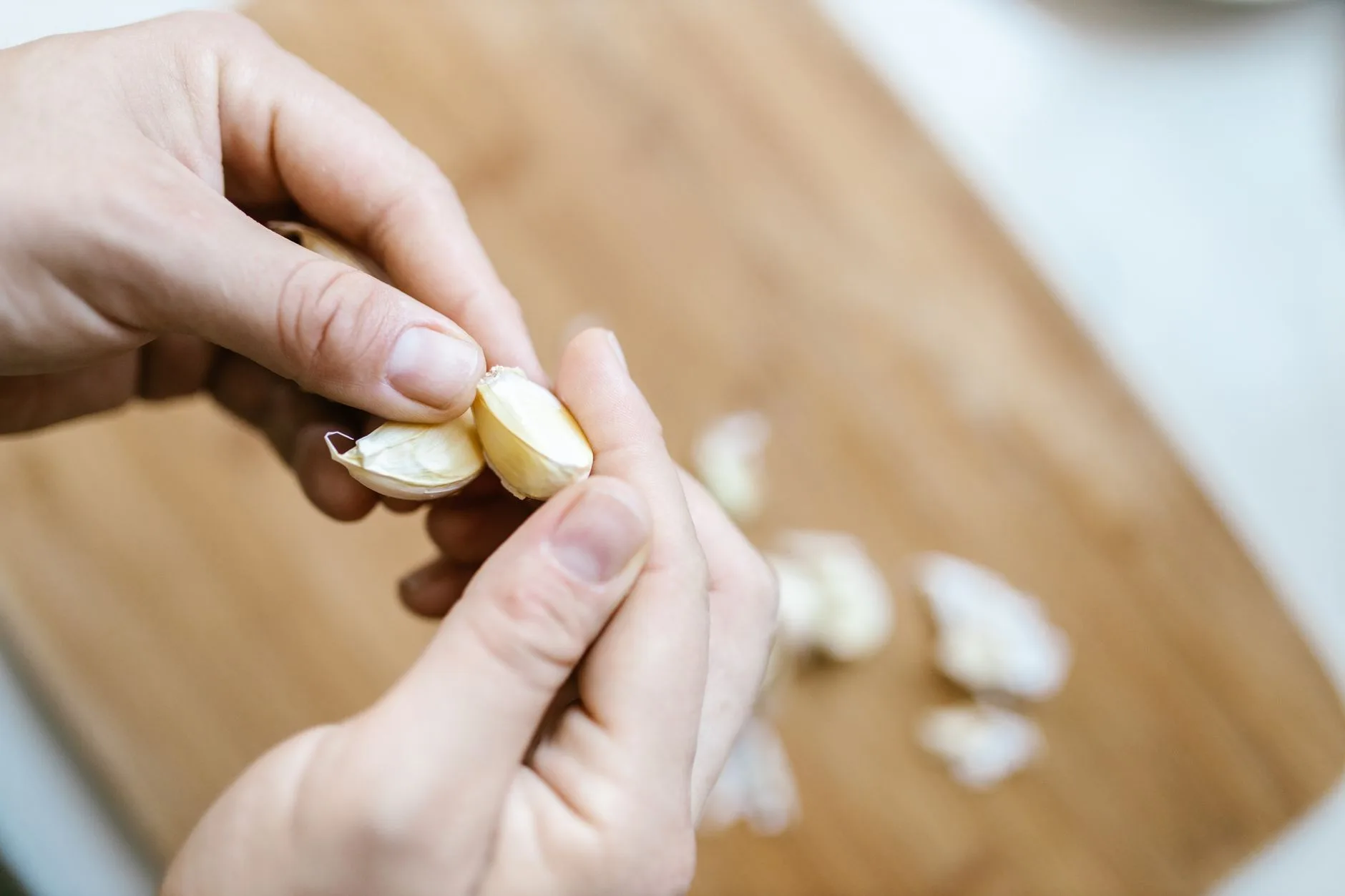
Split the bulb into individual cloves just before planting. Keep the papery skin on each clove. Choose the largest, firmest cloves for planting and use any tiny or damaged ones in the kitchen.
- Mark the rows: leave about 30cm between rows so you can hoe and harvest without stabbing bulbs.
- Set the spacing: place cloves 15cm apart, pointed end up.
- Plant at the right depth: cover the tip with about 2.5cm of soil in ordinary ground, or a little deeper in loose compost.
- Firm gently: press the soil back around the clove without compacting the whole bed.
- Label the row: variety and planting date, because confidence fades by March.
- Protect if birds are a nuisance: lay mesh or twigs over the bed until shoots root firmly.
If you are starting a new vegetable bed from scratch, use the same basic bed-prep logic as our beginner vegetable garden guide: clear perennial weeds properly, improve the soil once, then keep the crop plan simple.
Raised Beds and No-Dig Beds
Raised beds suit garlic because drainage is usually better. Plant the same way, but check moisture more often in late spring because raised beds dry quickly. In no-dig beds, plant through the compost mulch into the soil below. Keep the cloves in contact with firm soil, not floating in a loose 10cm layer of compost.
If your raised bed layout is still being planned, garlic is a good edge crop. It has upright leaves, leaves room for lower-growing salads, and finishes early enough to free space for summer sowings. Our raised bed layout plan covers that kind of spacing decision.
Care for Garlic Through Winter and Spring
Garlic is low-maintenance, not no-maintenance. Most of the work is weeding, watching moisture, and knowing when to stop fussing.
Winter Care
Autumn-planted cloves should root before top growth gets going. Shoots may appear in winter, then sit there looking unimpressed until spring. That is normal. Do not feed heavily in winter, and do not water unless the crop is under cover and the compost is dry.
Birds sometimes pull newly planted cloves out of the ground. They are usually investigating rather than eating the garlic. A piece of mesh is enough. Agralan Enviromesh starts at about £14.99 for a 1.83m x 3m pack and about £19.99 for a 2.1m x 4.5m pack, so buy it if you will use it for carrots, brassicas or salad crops too. For one small garlic row, twiggy prunings are cheaper and work surprisingly well.
Spring Feeding and Watering
Once growth starts in spring, keep weeds down and water during dry spells. Garlic needs moisture while bulbs are forming, roughly April to June. Do not leave it bone dry for weeks, then flood it once and expect forgiveness.
Feed once in early spring if the soil is poor. A light dressing of fish, blood and bone is enough. If the leaves look pale in April, a liquid seaweed feed can help, but do not keep feeding late into summer. You want bulbs to mature, not endless soft leaf.
Scapes on Hardneck Garlic
Hardneck garlic sends up scapes in early summer. Cut them once they curl, before they straighten and toughen. This sends more energy into the bulb and gives you a bonus harvest. Chop them into stir-fries, omelettes or pasta. They are too good for the compost heap.
Softneck garlic usually does not produce proper scapes, so do not panic if nothing appears.
Companion Crops
Garlic fits well around crops that do not need frequent lifting. Avoid burying it under courgettes, potatoes or sprawling squash. It needs light and airflow. If you like companion planting, garlic can sit near carrots, beetroot and salad leaves, but do not treat it as pest-control magic. It is a crop first, not a spell.
For broader plant pairings, our companion planting guide is a better place to plan the whole bed.
Harvest, Cure and Store Garlic Without Spoiling It
Harvest timing is where good crops are often wasted. Lift too early and the bulbs are small. Lift too late and the skins split, which shortens storage life.
The usual sign is yellowing lower leaves while some upper leaves are still green. In many UK gardens that means June or July for autumn-planted garlic. Spring-planted garlic can run later. Do not wait for every leaf to die.
How to Lift Garlic
Use a fork, not brute force. Push it into the soil away from the bulb, lever gently, then lift the plant by the stem. If a bulb is stuck, loosen it again rather than yanking. Bruised garlic stores badly.
Brush off loose soil, but do not wash the bulbs if you plan to store them. Wet skins slow curing and invite mould.
This is also where a decent garden fork helps. You do not need a premium stainless model, but a flimsy fork bends in clay. Our garden fork and spade guide covers what is worth paying for if your current fork already looks tired.
Curing
Curing dries the skins so the bulbs store properly. Lay garlic in a single layer somewhere dry, airy and out of direct sun. A greenhouse can get too hot; a shed, garage shelf, covered porch or airy spare greenhouse staging is usually better.
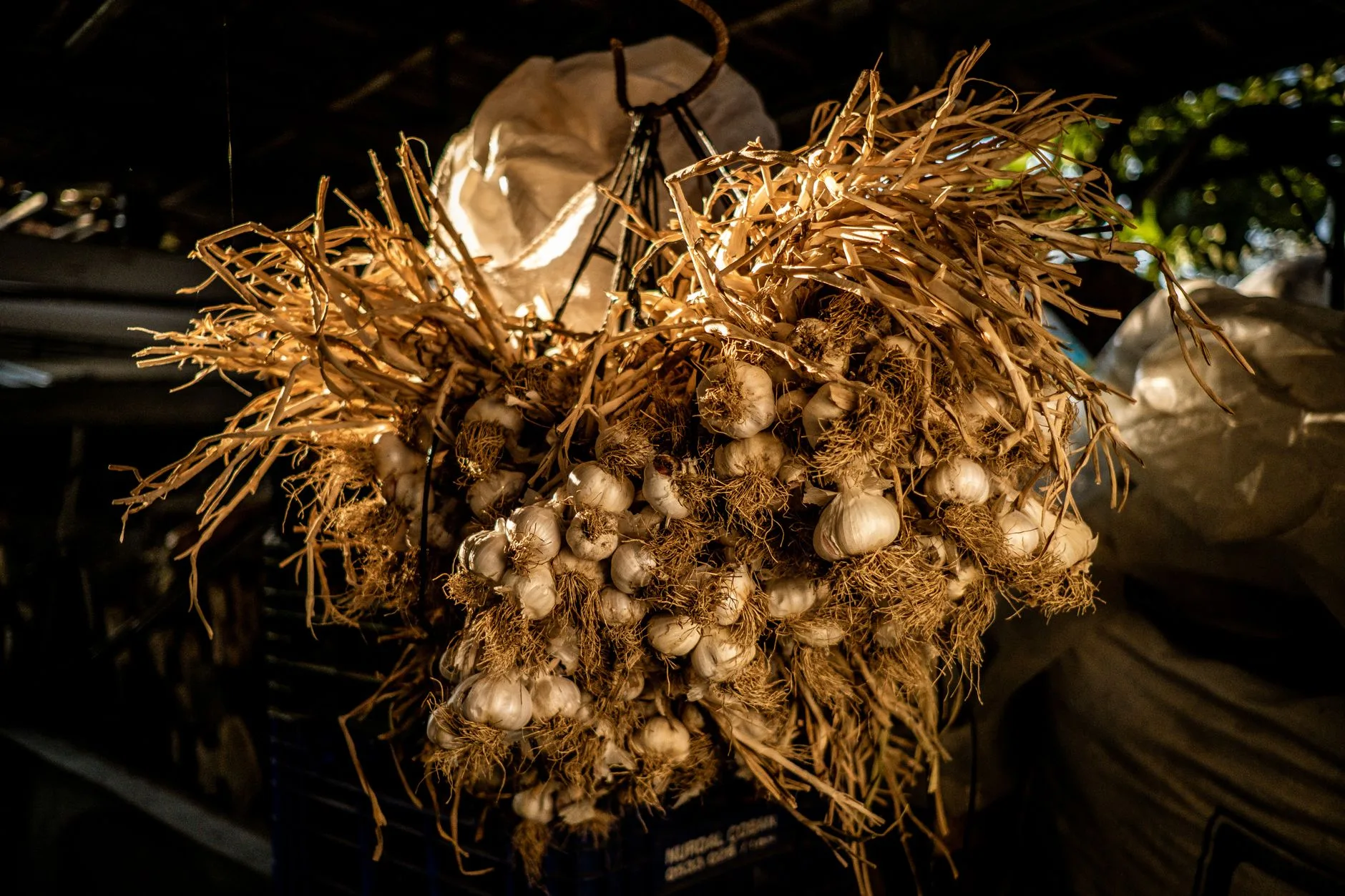
Give it two to four weeks. The outer skins should feel papery, roots should be dry, and the neck should tighten. Then trim roots, cut stems back on hardneck garlic, or plait softneck garlic if you enjoy looking like you live in a country kitchen catalogue. No judgement. It does look good.
Storage
Store cured garlic somewhere cool, dry and ventilated. A mesh bag, crate or plait works better than a sealed plastic box. Check the crop every few weeks and use any soft or damaged bulbs first.
Softneck varieties can store for many months in good conditions. Hardneck types usually need using earlier. Save the biggest healthy bulbs for replanting only if the crop was clean and disease-free. If you saw white rot, do not replant from that stock.
Troubleshoot Small Bulbs, Rust and White Rot
Most garlic problems come down to timing, drainage, spacing or disease. The crop is simple, but it is not bulletproof.
Small Bulbs
Small bulbs usually mean one of four things:
- Planted too late: spring garlic had less cold and less time to bulk up.
- Too much shade: garlic wants sun, not the gloomy strip behind a shed.
- Competition: weeds stole light, water and nutrients in spring.
- Dry weather: missed watering during bulb formation reduced size.
The fix is boring but reliable: plant earlier, use bigger seed cloves, keep the bed clean, and water in dry spells. Bigger cloves usually make stronger plants.
Rust
Garlic rust shows as orange spots on the leaves. It is common in warm, damp, crowded conditions. Mild rust late in the season is not a disaster; severe rust early can weaken bulbs.
Improve spacing and airflow next time. Remove badly affected leaves if there are only a few, but do not strip the plant bare. Avoid overhead watering in the evening. If rust arrives every year, rotate garlic to a more open bed and avoid cramming onions and leeks nearby.
White Rot
White rot is the serious one. It causes yellowing, rotting roots and white fluffy fungal growth around the bulb base. Once it is in the soil, it can persist for years, so prevention matters.
Buy clean seed garlic, avoid supermarket bulbs, and rotate allium crops. If you suspect white rot, do not compost infected plants. Bag them and remove them from the site. The Garlic Farm’s growing advice also stresses autumn planting, spring planting windows and using proper planting stock, which is sensible because diseased or unsuitable cloves are a poor shortcut.
Split Bulbs
Split bulbs usually mean late harvesting or irregular watering. They are still edible, but they will not store well. Use them first. If most of the crop split, make a note to check earlier next year, when the lower leaves first yellow rather than when the whole row looks finished.
That is the real trick with garlic: write down what happened. Planting date, variety, harvest date, bulb size. It takes 30 seconds and saves you repeating the same mistake next season.
Frequently Asked Questions
What month do you plant garlic in the UK? October to December is best for most UK gardens, with February to March as a useful spring backup. Autumn planting usually gives bigger bulbs because the cloves get a cold period before spring growth.
Can I grow garlic from supermarket garlic? You can, but I would not. Supermarket garlic may be treated to stop sprouting, may not suit UK growing conditions, and can introduce disease. Certified seed garlic is usually about £8-£12 for two bulbs, which is cheap insurance.
Does garlic need full sun? Yes, garlic crops best in full sun. It will grow in light shade, but bulbs are often smaller. If space is tight, prioritise the sunniest, best-drained bed or use a container in a bright spot.
How deep should garlic cloves be planted? Plant each clove pointed end up with roughly 2.5cm of soil over the tip. In loose compost you can go slightly deeper, but do not bury cloves so deep that shoots struggle to emerge.
When is garlic ready to harvest? Harvest when the lower leaves turn yellow and some upper leaves are still green. In the UK, that is often June or July for autumn-planted garlic. Lift with a fork rather than pulling hard by the stem.
Can garlic grow in pots? Yes, use a pot at least 20cm deep with drainage holes, free-draining compost and 15cm spacing between cloves. Containers dry faster in spring, so check watering more often than you would in open ground.