In the polytunnel vs greenhouse choice, choose a tunnel if your main aim is to cover a generous growing area for vegetables and you have space to anchor it well. Choose a greenhouse if you want a more permanent, easily managed structure for seed trays, pots and a smaller mix of crops. Neither unheated structure is a winter guarantee: the better choice is the one whose footprint, ventilation and daily access fit your site and growing plan.
In This Article
- Polytunnel vs greenhouse: the quick answer
- Usable growing space and crop layout
- Site, exposure, base and anchoring
- Light, ventilation and summer heat
- Seasonal protection without a heating promise
- Cover life, maintenance and daily access
- Which structure fits your growing plan
- The biggest purchasing mistake and final verdict
- Frequently Asked Questions
Polytunnel vs greenhouse: the quick answer
A polytunnel is a framed tunnel covered with flexible plastic film. A greenhouse usually has a rigid frame and glass or polycarbonate glazing. Both trap solar warmth, shelter crops from wind and rain, and extend some growing opportunities. The differences become obvious once you stand inside: floor area, working height, ventilation, foundations and upkeep affect what you can actually grow.
My recommendation
For an allotment-sized plot where summer tomatoes, peppers or tender vegetables need room, I would start with a well-anchored polytunnel if local site rules permit it. It gives space for ground beds and access along a central path. For a smaller home garden where I expect to raise seedlings, manage pots and use the structure every week for years, I would choose a properly ventilated greenhouse. That recommendation assumes each has a suitable site; a tunnel exposed to strong wind without sound anchors is no bargain.
There is a size trap in comparing labels. A long tunnel can have ample floor area yet limited standing height near its curved sides. A compact greenhouse may have useful staging but little space for planted beds. Measure the crop layout you want, including paths and the door swing, before comparing outside dimensions. Our greenhouse buying roundup compares specific products; this guide stays with the structural decision rather than ranking models.
Start with the crop plan
- Mostly beds and tall summer crops: a generous tunnel may use the available ground efficiently if its shoulders allow plant growth and you can ventilate it.
- Mostly modules, cuttings and containers: a greenhouse with staging, vents and a dependable door may be easier to organise.
- Little garden space: first ask whether a small cold frame or seasonal fleece would meet the need with less footprint.
Think about who will water, open vents and inspect plants on an ordinary weekday. A structure that looks ideal in a catalogue but is awkward to enter or difficult to ventilate will make daily growing harder. This is a working space, not simply a cover over crops.
Usable growing space and crop layout
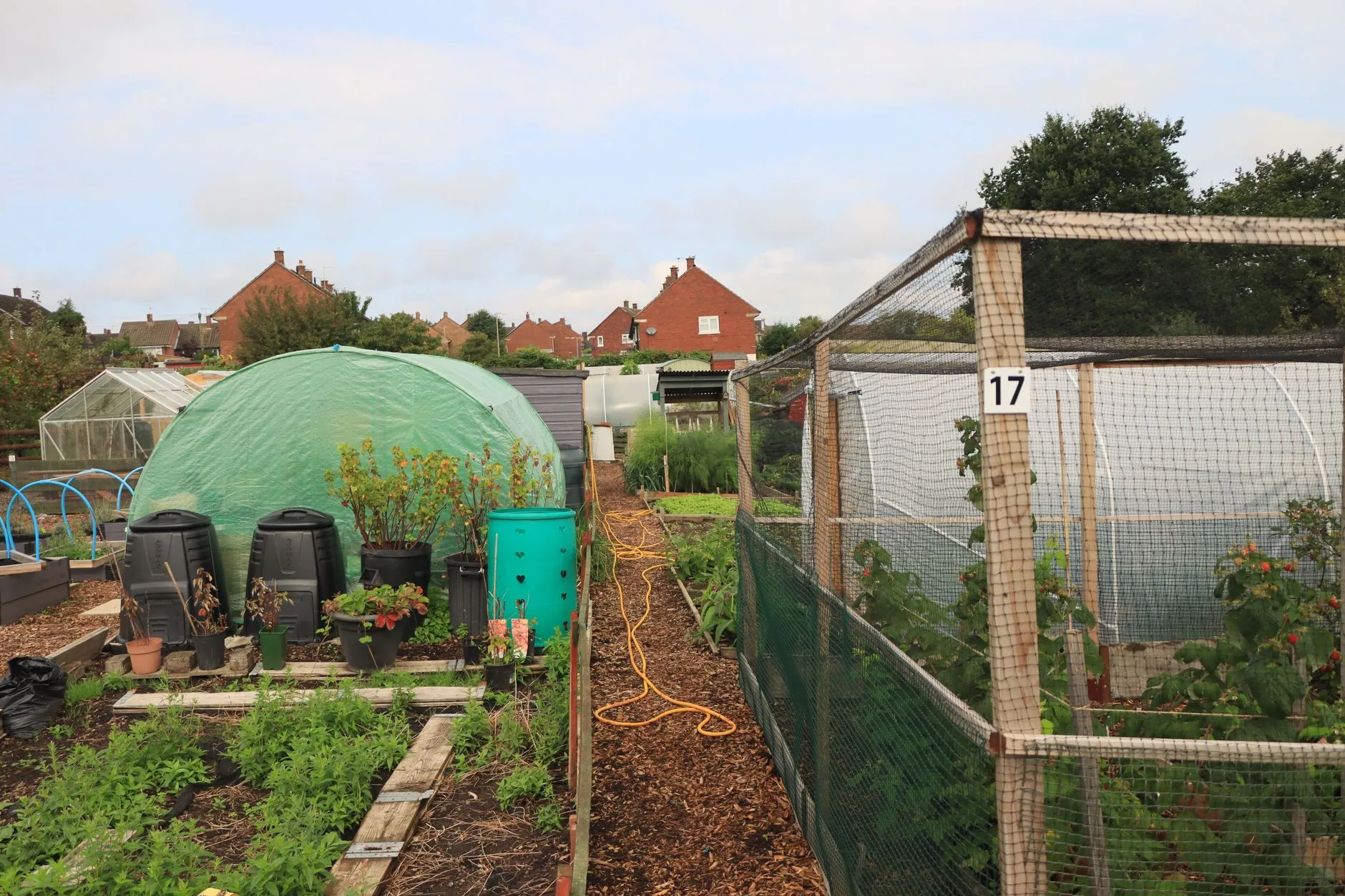
The strongest argument for a polytunnel is covered bed area. A tunnel can span several rows, leaving a path between them, and it is easy to plant directly into soil where the frame and ground allow it. That suits crops that need height and root space for a long summer season. Yet the outer strip beneath curved shoulders may be too low for tall tomatoes or comfortable standing. Count usable standing and crop height, not just square metres on the box.
A greenhouse can also contain soil beds, but many small models work better with staging on one side and a narrow floor path. Shelves turn height into productive space for seed trays and pots. They also cast shade on whatever sits below. If you want full-height tomatoes, leave a clear growing zone rather than filling every wall with shelves. The RHS notes that greenhouse shape and eaves height affect light and usable growing range in its guide to choosing a greenhouse.
Draw the layout before buying
Make a simple plan showing the base footprint, an open door, the central path and the crops at their mature size. Give yourself room to carry a watering can without brushing foliage at every step. A narrow door that admits a person but blocks a wheelbarrow can matter on an allotment. In a home garden, the path from tap to door may decide whether watering feels easy or tiresome.
For tall crops, note where the frame curves or roof begins. Put lower crops such as salads near tunnel edges and reserve the high centre for climbing plants where support is appropriate. In a greenhouse, check that vents can open even after staging and plant supports are installed. These decisions have more effect on harvest convenience than a few extra centimetres of nominal length.
Match area to real demand
A large protected area is valuable only when you can fill and maintain it. Extra floor space brings extra watering, ventilation and soil management. If you mainly want to start seedlings before outdoor planting, a compact greenhouse or cold frame made from recycled materials may suit better. If you already cultivate several beds of summer crops, a small greenhouse full of trays can feel crowded by May. Let the number of plants you genuinely intend to grow set the size.
Site, exposure, base and anchoring
Both structures need a sensible site with good light and workable access. A sheltered position helps in exposed gardens, but avoid deep shade or a spot where runoff collects. The RHS recommends generous sun for greenhouses and considers shelter from cold winds. Observe your garden on a bright morning and afternoon, then check where winter shade falls. A sunny drawing on a sales page tells you nothing about the fence or tree beside your own plot.
Wind changes the answer
A polytunnel cover is a large sail if its frame and edges are poorly secured. The anchoring method must suit the ground, local exposure and manufacturer’s instructions. Some designs use buried skirts; others use ground anchors or a perimeter base. A greenhouse also needs a level, square foundation and secure fixing, particularly where glazing could become hazardous if the frame shifts. The word “heavy” is not an anchoring plan.
On a windy allotment, ask the site manager about rules for tunnels, dimensions, positions and anchors before buying. Home gardeners should check relevant local requirements for their particular structure and property rather than relying on a universal planning-permission claim. Conservation constraints, boundaries and unusual sites can change the answer. The useful pre-purchase question is: can this exact structure be safely placed and secured here?
Base and drainage
A tunnel over growing soil needs a level enough site for its frame and sound drainage for beds. A greenhouse may sit on a solid perimeter base with soil beds, paving or another suitable floor. Follow the manufacturer’s base specification; a frame installed out of square can make doors stick and panels fit badly. Leave drainage routes and access for cleaning. A beautiful greenhouse on an uneven improvised base may become an expensive repair project.
Site preparation also affects crops. If water pools inside the proposed footprint in winter, neither cover fixes the soil below. If the space receives too little light, heating will not restore sunlight. Resolve site problems before shopping for glazing material. In a small garden, measure clearance around the outside as well: you may need room to clean panels, replace a cover, manage gutters or walk past the structure.
Light, ventilation and summer heat
Protection creates a second job: releasing excess heat. A sunny UK spring day can make an enclosed tunnel or greenhouse surprisingly hot while the air outside still feels cool. The RHS ventilation and shading guidance applies to glasshouses and polytunnels alike. Air movement and shade help reduce damaging temperatures; neither structure manages itself simply because it has a transparent cover.
Greenhouse airflow
Look for roof vents, side vents or louvres, and an accessible door. High vents help hot air escape; lower openings support replacement airflow. The precise configuration depends on size and design. Automatic vent openers can help when you are away during the day, but they need correct installation and occasional checking. A greenhouse with generous glazing but one tiny opening can become a poor summer environment.
Glass usually gives high light transmission, while polycarbonate can diffuse light and add resilience, depending on the panel. Glazing choice also changes cleaning and repair. Do not treat “greenhouse” as one single material. The right question is how the chosen building will admit light, shed heat and hold up at your site. Our tomato growing guide covers crop care once you have the growing space.
Tunnel airflow
Tunnel designs may use doors at one or both ends and roll-up sides. Large openings can move air well, but you need a routine for opening and securing them against changing weather. Fine mesh can reduce insect entry while restricting airflow somewhat. A fully closed tunnel on a bright day can overheat; a permanently open one may lose some shelter from wind and rain. Ventilation is an operating choice, not just a specification.
Shading may be needed during hot spells in either structure. Watering becomes more important as crops transpire faster in heat. Check soil moisture rather than assuming a protected bed stays damp because the plastic blocks rain. In a tunnel, rain may run off outside the beds; inside crops depend on your irrigation. In a greenhouse, pots can dry much faster than planted soil. Plan both water supply and ventilation together.
Seasonal protection without a heating promise
An unheated tunnel or greenhouse can give useful shelter and a longer working season, yet neither is frost-proof. Their internal temperature can fall close to outdoor conditions on a cold night. A tender crop may still need fleece, heat or moving indoors depending on the plant and weather. Buying a structure as a substitute for checking local frost risk is a recipe for disappointment.
Spring starts
A greenhouse can be convenient for trays of seedlings, especially if you have staging and a method to ventilate on sunny days. A tunnel can also hold trays, but its broad floor area is often best used for later crops unless you plan benches. Starting seeds too early is no advantage when low light, cold nights or a lack of outdoor planting space leaves plants weak and crowded. Our seed-starting equipment guide helps keep the setup proportional to the job.
Autumn and winter use
A covered space can shelter hardy salads, protect soil from heavy rain and offer somewhere to work. The amount of useful winter growth is constrained by daylight as well as temperature. A tunnel may cover more winter bed area, while a greenhouse may offer more convenient staging for overwintering suitable potted plants. Species and local conditions determine what survives. Neither structure guarantees harvests all winter without supplementary measures.
Fleece, cloches and cold frames can be sensible alternatives or additions for a particular crop. The spring fleece and cloches guide explains smaller-scale protection. A structure is worth its footprint when it solves repeated growing needs, rather than a single frosty week. If you expect to heat it, treat energy use, safety, insulation and monitoring as a separate decision rather than assuming unheated comparisons still apply.
Cover life, maintenance and daily access
A polytunnel’s flexible cover is a replaceable component. Sun, weather, abrasion and poor tension can shorten its useful life; the expected interval depends on material, exposure and care. Before buying a frame, check whether replacement covers and fixing parts are available for that exact size. A cheap frame with no practical replacement route can be poor value after damage. Keep vegetation away from the film and inspect contact points that rub in wind.
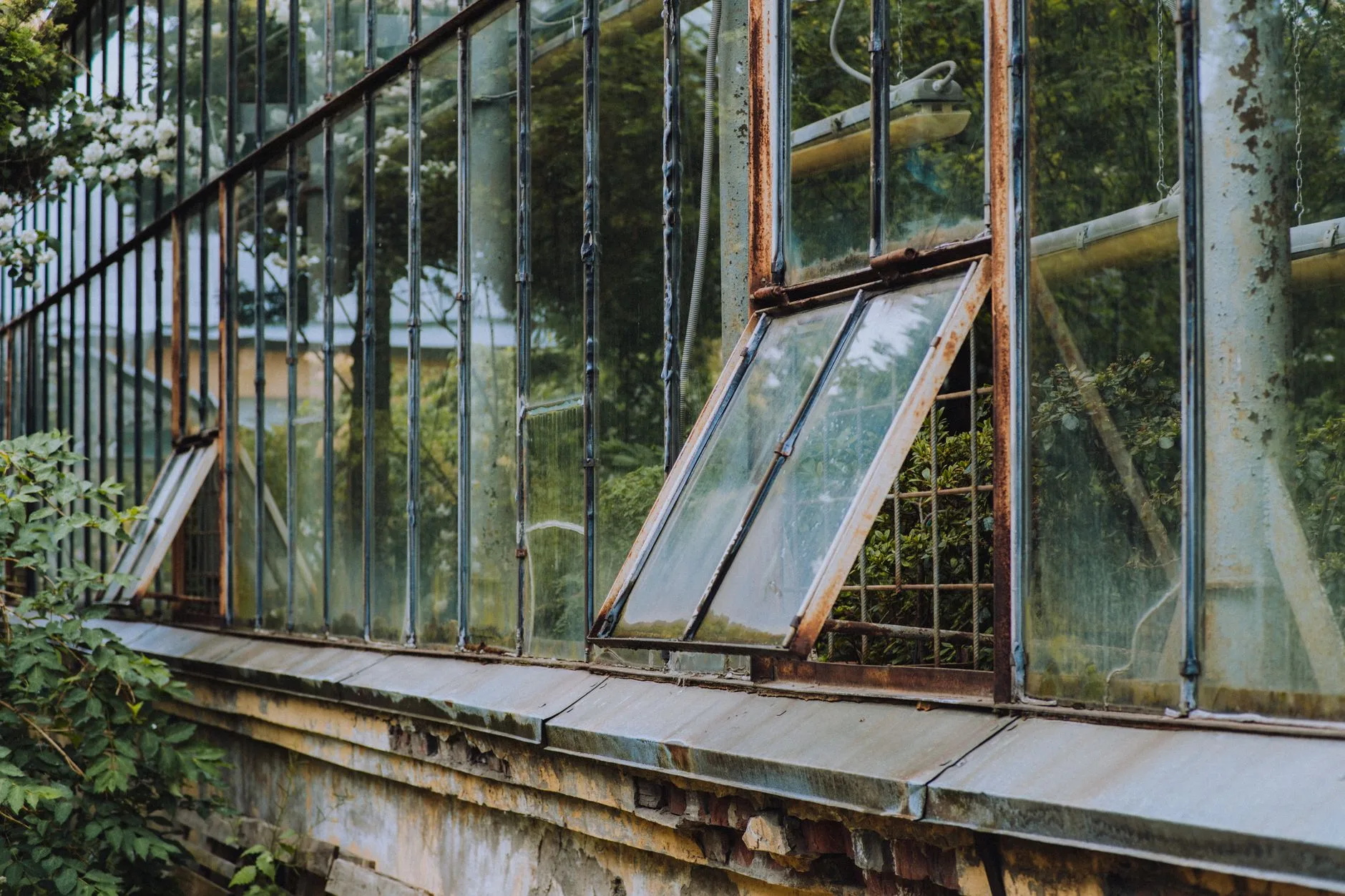
Greenhouse glazing can last well, but panes or panels can break, loosen or need cleaning. Frames, seals, door rollers and vents also need attention. Glass asks for careful handling; polycarbonate may scratch or discolour over time depending on material and exposure. A permanent structure reduces cover replacement but does not remove maintenance. Compare the likely work you are willing to do, not an imagined maintenance-free version of either option.
Working comfort matters
Step inside mentally with a watering can, tray and bucket. Can you turn around? Can you reach the far beds without stepping on soil? Can the door stay open safely on a breezy day? Will you be able to repair the cover or clean the roof without climbing unsafely? A little more headroom or a better doorway may be worth more than nominal floor area.
Access matters particularly when several people share the plot or when mobility is limited. A raised threshold can obstruct a trolley; a narrow path can make harvesting awkward. For a greenhouse, staging at a comfortable height helps with seedlings but should leave room for tall crops if those are a goal. For a tunnel, a generous centre path consumes some area but makes the remaining beds easier to care for. Usable space includes the gardener.
Budget beyond the shell
Compare complete installed setups rather than catalogue shells. Allow for base materials, anchors, staging, ventilation options, water supply and future cover or glazing repairs. Costs vary widely by size, material and site, so a fixed headline price would mislead. The less expensive structure on paper may need more work to make it secure, while a durable greenhouse may exceed the space or budget you can justify. Spend first on a sound site and safe installation.
Which structure fits your growing plan
For a vegetable-focused allotment with room for paths, beds and reliable anchoring, I lean towards a polytunnel. It is especially attractive when the main goal is to shelter a larger planted area during the growing season. Check site rules and wind exposure first. If those answers are poor, the theoretical extra space is irrelevant.
For a compact home garden where trays, pots and a handful of seasonal crops are the main jobs, I lean towards a greenhouse. A stable base, reliable vents and useful staging make it a manageable daily workspace. If the available footprint is extremely small, a cold frame, fleece or compact growhouse may do more for less disruption than either full walk-in option.
Three realistic scenarios
- Several rows of summer crops: favour a tunnel with workable headroom, access and irrigation, assuming strong anchoring is feasible.
- Seed trays plus a few tomatoes: favour a greenhouse with staging you can remove or rearrange and enough ventilation for summer.
- Exposed or shaded site: solve wind and light constraints first; neither cover turns a poor location into a good growing space.
A greenhouse can support ground beds; a tunnel can support staging. These are tendencies rather than strict categories. Decide by the specific layout and daily routine, then compare products within the chosen structure type. The greenhouse roundup includes a tunnel among its options, but this article’s job is the structural choice rather than a repeat product ranking.
The biggest purchasing mistake and final verdict
The biggest mistake is buying the largest covered footprint you can afford without proving that it fits, can be anchored and can be ventilated. A generous tunnel with slack film in an exposed corner is a liability. A smart greenhouse with cramped access and inadequate vents is a difficult growing room. Draw the layout, assess wind and light, decide where water comes from, and check the full installation before ordering.
My final verdict is conditional but clear. Choose a polytunnel for broad, bed-based vegetable growing where the site allows secure anchoring and you accept cover upkeep. Choose a greenhouse for a more permanent, compact working space built around trays, pots and mixed crops, provided it has a proper base and ventilation. Neither replaces heat for tender plants in a hard frost. The winner is the structure you can use comfortably and maintain through real UK weather.
Frequently Asked Questions
Is a polytunnel warmer than a greenhouse? Either can warm rapidly in sunshine, and performance varies with size, cover, glazing and ventilation. An unheated structure of either type can become cold overnight, so compare the actual design and crop needs.
Do I need permission for a polytunnel or greenhouse? Rules depend on the property, size, siting and local circumstances. Ask an allotment manager for site rules and check the relevant local authority guidance for your specific home site before buying.
Which is better for tomatoes? Both can grow tomatoes with enough height, light, ventilation, water and support. A larger tunnel suits several bed-grown plants; a greenhouse can work well for a smaller number and mixed trays or pots.
Will an unheated greenhouse or tunnel protect plants from frost? They provide shelter and may moderate conditions, but neither guarantees frost protection. Watch forecasts and use suitable extra protection or move tender plants when needed.
Is a polytunnel cheaper in the long run? A tunnel may offer more covered area for an initial spend, but allow for anchoring and eventual cover replacement. A greenhouse has different base, glazing and repair costs. Compare the complete installed and maintained setup.
Which needs more ventilation? Both need active summer ventilation. The opening area and layout matter more than the name of the structure. Plan how air will move and who will open vents or doors on warm days.