Bare-root vs potted fruit trees is mainly a timing decision. If you can plant during dormancy, buy bare-root: you usually get a wider nursery choice for less money, and the tree can establish in cool, moist soil. Choose a potted tree when you need to plant outside that window, want to inspect a leafy specimen, or need a tree that can wait briefly before planting. The important distinction is timing and root condition, rather than a promise that one format always grows better.
In This Article
- Bare-root vs potted fruit trees: the quick decision
- When each form is available and ready to plant
- What the roots reveal before you buy
- Space, handling and delivery constraints
- Planting and first-season aftercare
- Which form suits your garden and timing
- The biggest buying mistake and final verdict
- Frequently Asked Questions
Bare-root vs potted fruit trees: the quick decision
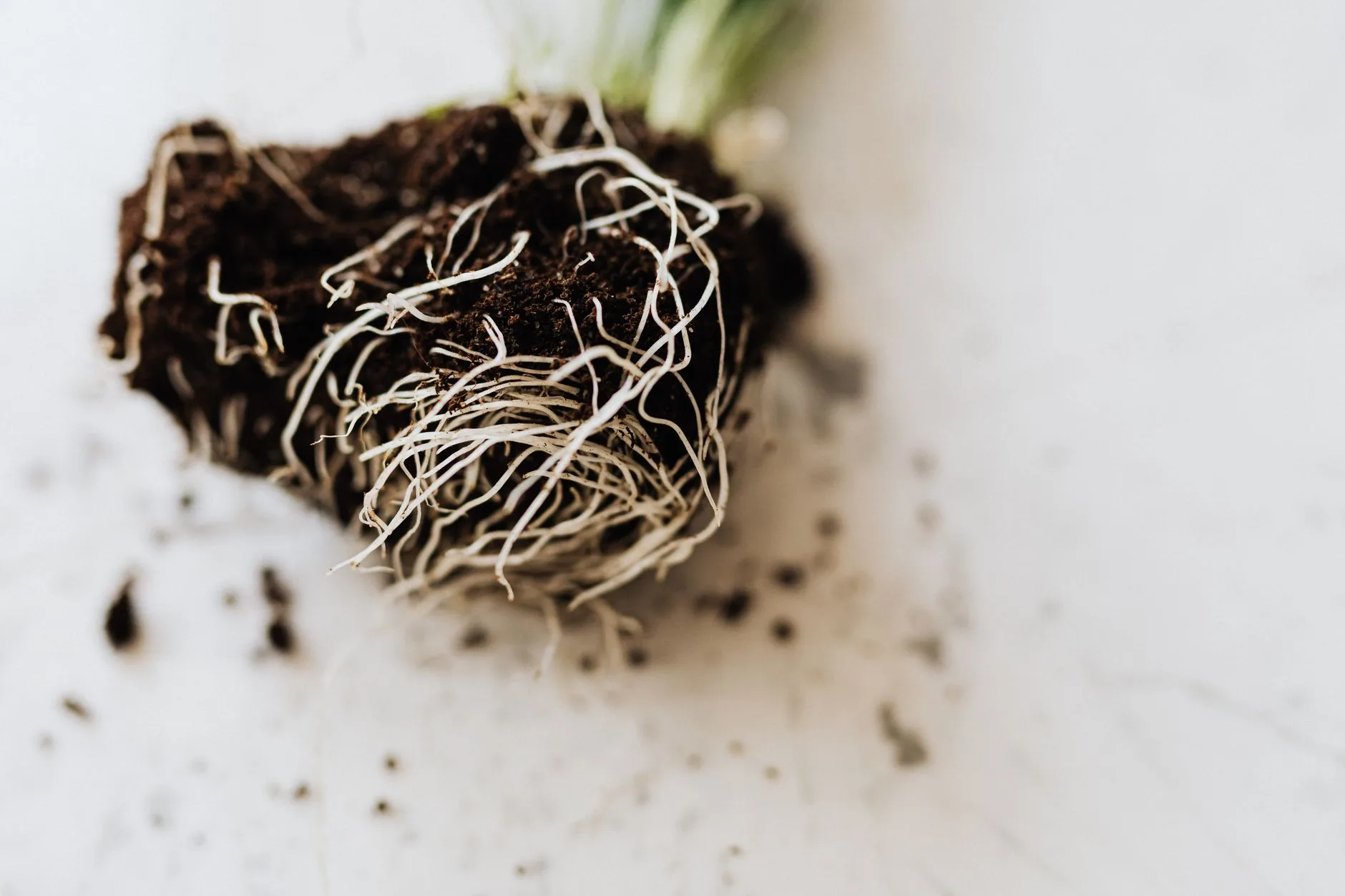
Bare-root trees arrive without a pot of compost around the roots. Nurseries lift them after leaf fall, while they are dormant, and sell them for planting in the cooler months. A potted or container-grown tree has spent time growing in its container and comes with a root ball of compost. Both can become healthy, productive trees when the plant, rootstock, site and aftercare are suitable.
Which would I choose?
For a prepared garden bed in autumn or winter, I would start with a good bare-root nursery tree. The choice can be broader, the parcel lighter and the purchase often cheaper. The trade-off is urgency: exposed roots need protection from drying and prompt planting. If the planting site will be ready only in late spring or summer, I would buy a healthy container-grown tree instead and budget extra attention for watering.
That answer assumes the same fruit species, cultivar and rootstock. A bare-root apple on the wrong vigorous rootstock is a poor fit for a small plot even if the format is convenient. Our guide to fruit trees for small UK gardens deals with the size decision; this page deals with how the chosen tree reaches your garden. A more expensive pot cannot correct a rootstock that will outgrow the space. For a trained apple in a pot, the separate apple cordon care guide shows the ongoing work after purchase.
A nursery’s label may say “pot-grown”, “container-grown” or “containerised”. Those terms merit a question. A genuinely container-grown tree has developed roots in the pot; a recently potted bare-root tree may still need the same careful establishment as its original form. Ask how long it has been in the container and inspect the roots if the nursery permits. The label alone is weaker evidence than a firm, healthy root ball.
The decision in three questions
- Dormant-season planting: A bare-root tree is a strong first choice if the ground is workable and a suitable nursery has the tree you want.
- A delayed planting project: A sound potted tree gives you more flexibility, provided you keep its compost moist and avoid leaving it in an undersized pot for months.
- Permanent bed or large container: For a patio plan, choose the right compact rootstock and container arrangement first; the nursery format is secondary.
When each form is available and ready to plant
The UK bare-root season follows dormancy, broadly from late autumn into early spring. Exact dispatch depends on weather and the nursery. A tree lifted while dormant has no active canopy demanding large amounts of water, but its exposed roots can dry quickly. A parcel arriving on a Friday should have a clear planting plan, rather than spending a week beside a radiator.
The RHS planting advice says bare-root trees should be planted immediately where possible, or temporarily heeled into soil if planting must wait. It also advises avoiding frozen or waterlogged soil. Those two limits matter more than an exact calendar date: a mild February day with workable soil can be good planting weather, while a saturated November bed needs patience.
Potted trees offer calendar flexibility
Container-grown trees can be planted throughout the year if conditions allow, but autumn and winter generally reduce the watering burden. Summer planting asks more of the gardener. Leaves lose water while a newly planted root system is still establishing beyond its old pot shape. A heatwave, holiday or exposed patio can turn a convenient purchase into a thirsty one.
If the ground is frozen or saturated, a potted tree can wait outside in a sheltered position while you care for it. Check moisture below the compost surface: a pot tucked under eaves may miss winter rain. Protect the pot from severe cold according to the plant and local conditions. Treat this as temporary holding and plan a suitable permanent home.
Order for the site you have
Before choosing delivery, check the planting area. Can you dig without smearing wet clay? Will roots sit above standing water? Is the support or stake ready? Does the chosen site get the light the fruit needs? Planting into waterlogged soil because a bare-root delivery has arrived is worse than postponing the purchase or safely heeling the tree in. A potted tree gives more calendar freedom, yet it cannot make a poor site suitable.
Nurseries often show different ranges in each format. Some cultivars and rootstocks are offered only during the dormant season; others are available in containers later. Check the exact grafted combination rather than substituting a different tree merely to get immediate delivery. If you are still deciding between apples, pears and other fruit, use the separate apple varieties guide for cultivar choice, then return to the format decision.
What the roots reveal before you buy
Roots are the working end of the purchase. The RHS places root health, weather, soil condition and aftercare at the centre of tree establishment. A neat crown in a photograph says little about what is happening below the pot rim. Examine the tree or ask a reputable nursery for a condition description before paying.
Bare-root inspection
Look for a network of sound, pliable roots with fine roots as well as thicker structural roots. Minor pruning during lifting is normal. A mass of brittle, shrivelled roots or obvious rot is a different matter. Keep roots wrapped and shaded between unpacking and planting; wind can dry them while you prepare the hole. If delivery packaging is damaged or roots arrive dry, photograph the condition and contact the nursery promptly.
The top growth should suit a dormant tree: bare branches in winter are expected. Check for intact graft union, sound bark and clearly labelled cultivar and rootstock. Avoid judging a dormant tree by leafiness. A tree sold bare-root with an impressive crown may still be poorly balanced if the roots are scant. Our beginner’s fruit-tree pruning guide explains later framework management; buying a healthy root system comes first.
Potted inspection
A container tree should sit firmly in its pot and have a coherent root ball without a dense mat of circling woody roots. Gently lifting the tree from the pot, with the seller’s permission, can reveal whether roots occupy the compost naturally. A very loose root ball can mean recent potting; roots packed into thick circles suggest it has stayed too long. Neither finding is a guaranteed failure, but both change the work needed at planting.
Check the compost too. Bone-dry, shrunken compost can be hard to rewet, while persistent sogginess can damage roots. Leaves may help reveal stress during the growing season, though a few blemishes are less important than a sound graft, healthy roots and the right rootstock. The RHS tree-planting guide describes teasing or trimming pot-bound roots where appropriate. Ask for a different specimen if a pot is severely congested rather than assuming planting will solve every problem.
Space, handling and delivery constraints
Bare-root trees are generally lighter and less bulky to move because they travel without a heavy pot of compost. That is useful when the planting site is down a narrow path or when buying several trees for an orchard. It also means fewer pots to deal with afterwards. The saving is practical as well as financial, although actual prices vary by nursery, tree size and variety.
A potted specimen is easier to display as a gift and may give a recipient time to decide exactly where it belongs. That flexibility has limits: someone must keep it watered, lift it safely and plan a permanent home. A large wet pot can be awkward to transport in a small car. For a winter gift where the recipient has already prepared a planting spot, a bare-root tree may make sense; for a surprise gift with uncertain timing, a healthy potted tree or nursery voucher is kinder than exposed roots left waiting.
Delivery-day checklist
- For bare-root: confirm someone can receive the parcel, protect the roots, and plant or heel in the tree promptly.
- For potted: check the pot is stable, compost has moisture, and the tree can stand outdoors safely until planting.
- For either: verify the cultivar, rootstock, tree form and graft label against the order before removing packaging.
Consider access beyond the front door. A tree destined for a raised terrace may need carrying upstairs; a tree for a remote allotment needs transport from the gate. If access is awkward, the lighter bare-root form is helpful during its season. If your site is unavailable for weeks, pot flexibility may outweigh that convenience. Avoid leaving either form indoors in a warm room: a dormant outdoor tree is meant for outdoor conditions.
There is also a difference between temporary storage and a permanent container plan. A potted nursery tree can be planted into the ground or transferred to a suitably large long-term pot, but the supplied nursery pot is rarely its forever home. Our guide to growing fruit in containers covers container size, compost, feeding and ongoing watering. Choose that plan deliberately rather than mistaking the sales pot for a finished patio setup.
Planting and first-season aftercare
Good planting is broadly similar for both forms: choose suitable ground, make room for roots, keep the graft union above soil level, firm soil carefully, water according to conditions and support the tree where its form or rootstock requires it. The differences lie in root preparation and the first months of moisture management.
Bare-root planting sequence
- Prepare the site first. Clear weeds and loosen a broad area so new roots can move into the surrounding soil. Pause if the ground is frozen or saturated.
- Unpack at planting time. Keep roots wrapped and shaded while you prepare. If they have dried slightly, follow the nursery’s rehydration guidance without leaving them submerged for an extended period.
- Spread roots naturally. Dig a hole wide enough to accommodate them without sharp bends. Set the tree at the nursery soil mark, keeping the graft union clear of the soil.
- Backfill and settle. Use the excavated soil, firm gently to remove large air pockets, and water to settle soil around roots. Mulch the surface while leaving a clear ring around the trunk.
A planting hole packed with rich compost can hold roots in a small improved pocket. The RHS instead emphasises suitable surrounding soil, drainage and correct depth. Follow site-specific advice if your soil has unusual constraints. Stakes and ties should be appropriate to tree form and checked as the trunk grows; a loose, rubbing tie can undo careful planting.
Potted planting sequence
Water the pot before planting if its compost is dry. Remove the container, inspect the outer roots, and deal with circling or congested roots as the nursery or RHS advises. Set the root ball at the correct height and firm the surrounding soil without burying the graft. The old compost can dry at a different rate from garden soil, so check moisture close to the original root ball during the first growing season.
Watering is a decision based on weather, soil and root establishment, rather than a fixed daily ritual. Spring and summer planted potted trees often need more frequent checks. Bare-root trees planted in winter also need water during subsequent dry spells once growth starts. Both benefit from a weed-free, mulched area that reduces competition, with mulch kept away from bark. A tree that looks fine in April can still struggle through a dry June if its roots have barely moved beyond the planting hole.
Which form suits your garden and timing
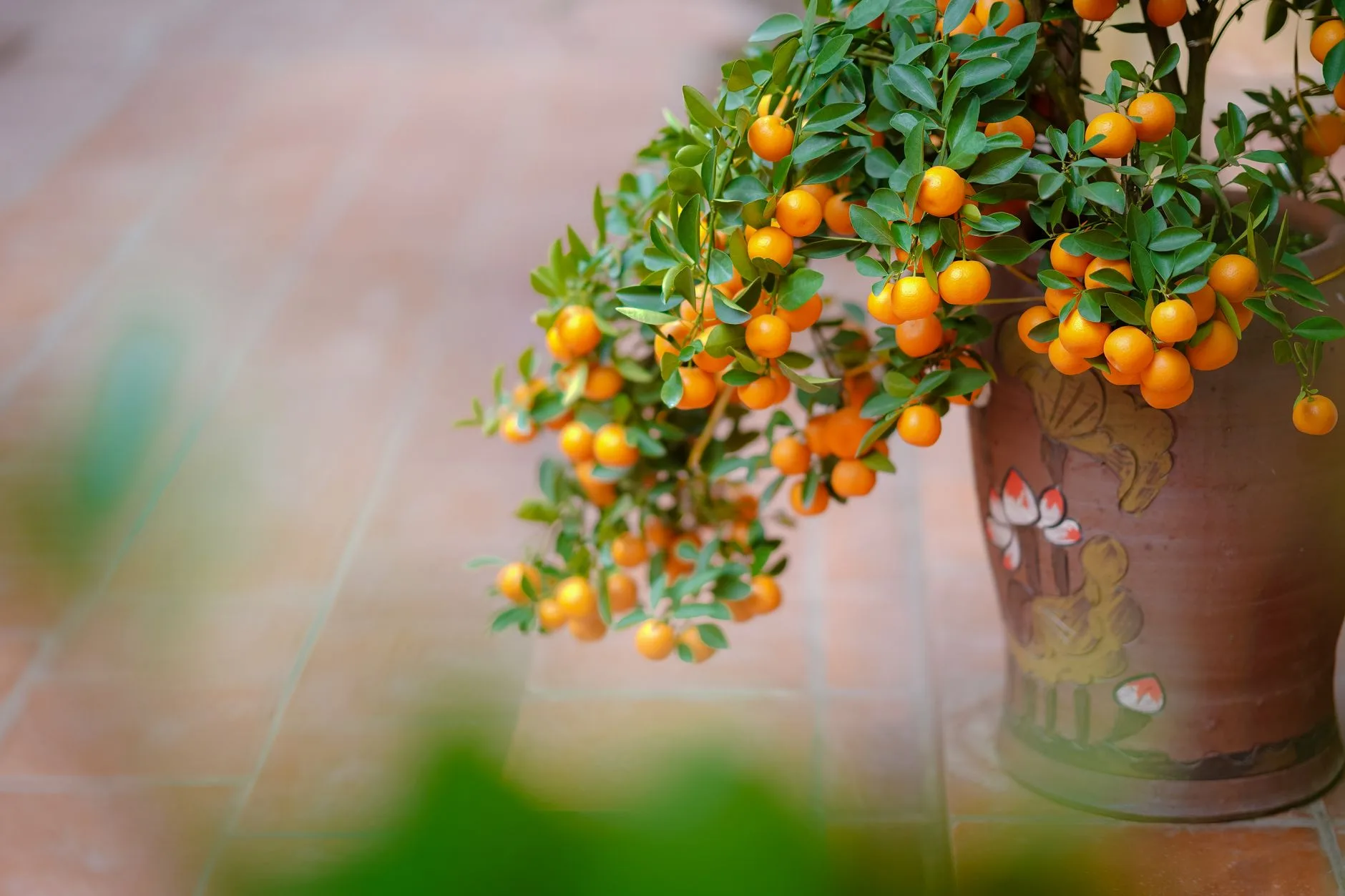
Imagine a workable garden border in November and a known apple cultivar on the right rootstock. Bare-root is the sensible default: the tree is dormant, the planting window is open and you can act on delivery. Shift the same plan to July, with no tree reserved and an established watering routine, and a sound container-grown specimen becomes the practical option. The format follows the calendar and your ability to care for the tree.
A wet or heavy-soil garden
If winter soil is routinely waterlogged, forcing a bare-root tree into the ground on arrival is risky. You might heel it in at a better-drained temporary spot, wait until workable conditions return, or plan a suitable raised planting area. A potted tree can wait outdoors with careful watering, though moving the calendar alone does not fix the drainage problem. Diagnose the site before choosing either nursery form.
A patio or rented garden
A container-grown tree may feel like the obvious purchase for a patio, but bare-root trees can also be planted into an adequately sized long-term container during dormancy. Rootstock, pot volume, watering and support matter far more than the form on the delivery day. If you want to move house with the tree, build the long-term container plan around that. The nursery pot merely keeps it saleable until then.
A gift or uncertain planting date
A potted tree is easier to hand over in leaf or flower and allows a short decision period. It still needs outdoor care and eventual planting or repotting. Bare-root makes a better planned gift when the recipient knows the tree is coming and can plant promptly. If you cannot control delivery or planting timing, a voucher avoids transferring an urgent horticultural job to someone on holiday.
For a small garden, keep this format choice separate from plant choice. The small-garden fruit-tree guide explains why mature size and rootstock determine fit. For a tree already chosen for a pot, the container-fruit guide picks up the longer-term care. These are related decisions, yet solving one does not solve the other.
The biggest buying mistake and final verdict
The biggest mistake is buying by appearance or immediate availability while ignoring the planting date and roots. A bare-root bargain is poor value if it sits unprotected for days. A leafy potted tree is also poor value if its roots are tightly circling, its compost is dry and nobody can water it through summer. The healthy tree that fits your site is the better purchase, regardless of which format looks more impressive at checkout.
My final choice: buy bare-root for a planned autumn-to-early-spring planting in workable UK soil, provided the nursery has the exact tree and you can plant promptly. Buy a healthy potted tree for a later planting date, a short unavoidable delay, or a gift whose recipient can care for it. In either case, verify the cultivar and rootstock, inspect roots as far as practical, and plan the first growing season before the tree arrives.
Frequently Asked Questions
Are bare-root fruit trees cheaper than potted trees? They are generally cheaper because the nursery does not supply a container and compost, but compare the same tree size, cultivar and rootstock. Delivery and support costs can change the total.
Can I plant a bare-root fruit tree in summer? Bare-root fruit trees are normally supplied while dormant in the cooler months. For summer planting, choose a healthy container-grown tree and plan careful watering, especially in dry weather.
Can I keep a bare-root tree in its delivery wrapping for a week? Prompt planting is best. If the ground is unsuitable, heel the roots into suitable soil temporarily and follow the nursery’s instructions; avoid leaving exposed roots to dry in packaging.
Do potted fruit trees establish faster? The nursery form alone cannot promise faster establishment. Root quality, correct planting, soil, weather and aftercare matter. A badly pot-bound tree may need more attention than a healthy bare-root one.
Can a bare-root fruit tree go straight into a large pot? Yes, during its planting season, if the cultivar and rootstock suit long-term container growing. Use a suitable container, compost, support and watering plan rather than relying on the nursery format.
Which is better for a gift? A potted tree is easier when planting timing is uncertain, provided the recipient can look after it outdoors. Bare-root is a good planned gift when the recipient has a prepared site and can plant promptly.