An allotment is one of the most rewarding things you can take on — but also one of the most overwhelming when you’re staring at a bare plot wondering where to start. The key to a productive allotment isn’t working harder; it’s timing your planting right. Sow the wrong thing at the wrong time and you’ll get poor germination, leggy seedlings, or crops that bolt before you harvest them. Get the timing right and the plants practically grow themselves. From our experience managing allotment plots over multiple seasons, the calendar is your most powerful tool. This month-by-month guide covers what to sow, plant, and harvest throughout the UK growing year, with practical advice tailored to our climate and conditions.
Before You Start: Understanding Your Plot
Before diving into the calendar, a few factors that affect your specific timing. The UK spans several climate zones — the Met Office seasonal guidance shows just how much spring timing varies between regions — and what works in Cornwall in February might not work in Aberdeenshire until April. As a general rule, gardeners in the south of England can start outdoor sowing 2-3 weeks earlier than those in Scotland and northern England. If you’re unsure, err on the side of later rather than earlier — soil temperature matters more than the calendar date.
Soil type also matters. Heavy clay soils stay cold and wet longer in spring, so you’ll often need to wait a bit later before direct sowing. Sandy soils warm up faster but dry out quicker in summer. Most allotment soils are somewhere in between, and improving yours with compost each year makes everything easier. If you’re just starting out, raised beds can be a great way to bypass poor allotment soil entirely. If you haven’t already, invest in a soil thermometer — they cost about £5 and take all the guesswork out of knowing when conditions are right for sowing.
January: Planning and Preparation
January is too cold for most outdoor activity on the plot, but it’s the perfect time for the work that happens at the kitchen table. The decisions you make now determine how productive your year will be.
- Order seeds early — popular varieties sell out fast; companies like Real Seeds, Sea Spring Seeds, and Marshalls are reliable UK suppliers with excellent selections
- Plan your crop rotation — divide your plot into sections and rotate crop families each year to prevent disease buildup and manage soil fertility
- Clean and sharpen tools — a sharp spade and hoe make every job easier; oil wooden handles to prevent cracking
- Start chitting seed potatoes — place them in egg boxes, eyes upward, in a cool, light room; this gives them a head start before planting in March or April
- Check stored produce — any overwintered squash, onions, or potatoes should be checked for rot and used up promptly
If you have a greenhouse or polytunnel, you can sow a few early crops under cover: broad beans (Aquadulce Claudia is the classic early variety), early peas, and onion seeds in modules. On the plot itself, you can force rhubarb by covering crowns with a forcing pot or upturned bucket, which produces delicate, sweet pink stems weeks earlier than normal.
February: The First Sowings
February feels like winter but the days are noticeably lengthening, and you can start sowing under cover in earnest. On milder days, get outdoors to prepare beds.
- Sow under cover: tomatoes (late Feb for greenhouse growing), chillies and peppers (they need a long growing season), aubergines, early lettuces, and celery
- Sow outdoors (if mild): broad beans directly into the soil, and parsnips if your ground isn’t frozen — parsnips are famously slow to germinate, so early sowing is fine
- Prepare beds: spread compost or well-rotted manure on beds that weren’t covered over winter; cover prepared beds with black polythene to warm the soil before sowing
- Plant: shallot sets and garlic (if you didn’t plant in autumn — autumn planting usually gives better results, but spring planting works too)
A heated propagator is genuinely useful for February sowings. Chillies and peppers need consistent warmth (around 20-25°C) to germinate, which your windowsill probably can’t provide reliably. A basic heated propagator from Garland or Stewart costs around £20-35 and makes a real difference to germination rates and speed.
March: The Season Begins
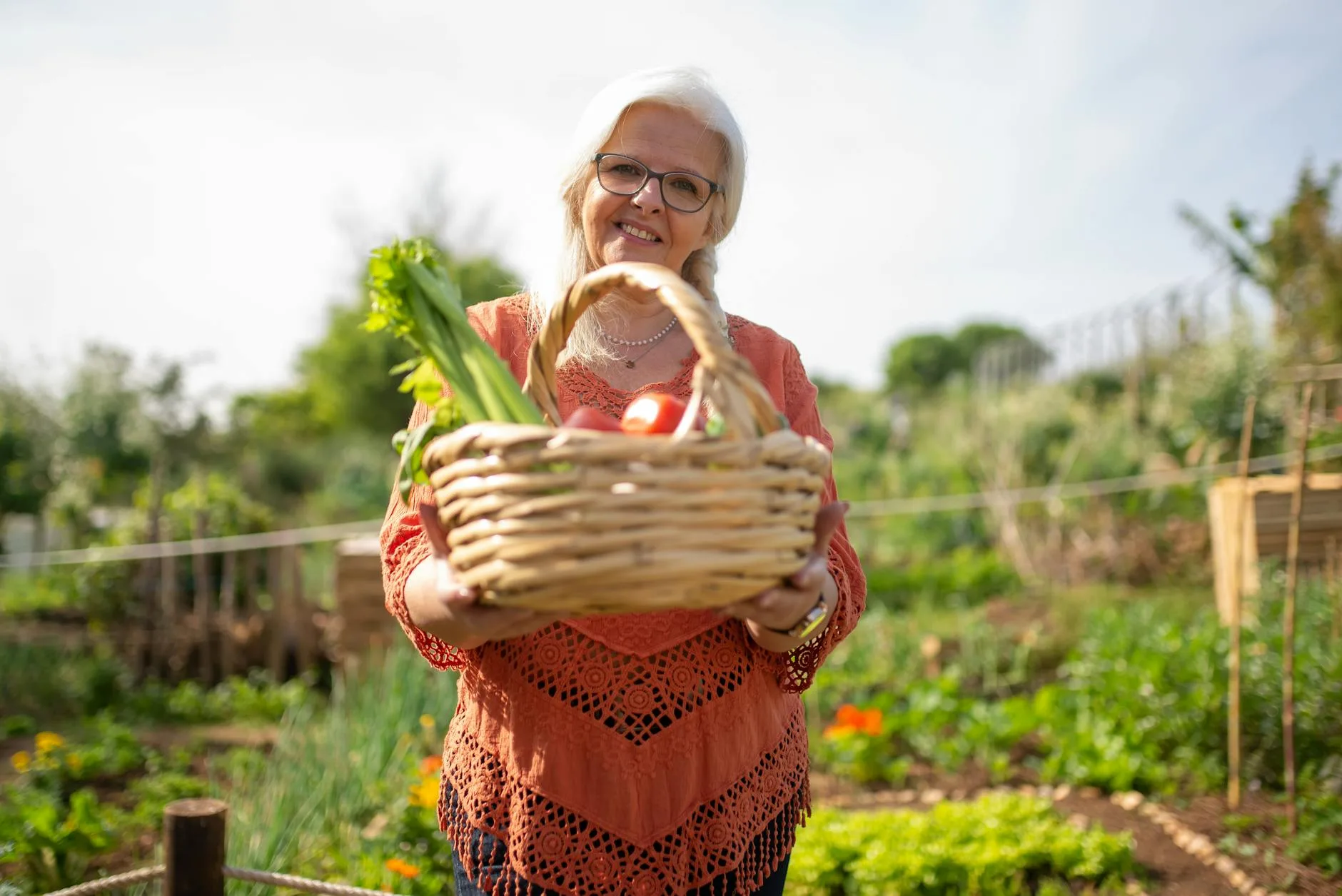
March is when the allotment year really kicks off. Depending on your location and the weather, you can start a wide range of sowings both indoors and out.
- Sow under cover: tomatoes, cucumbers, courgettes (late March), sweetcorn, leeks, brassicas (cabbage, calabrese, cauliflower), and more lettuces
- Sow outdoors: beetroot, carrots (under fleece), spring onions, radishes, spinach, peas, and Swiss chard
- Plant outdoors: first early potatoes (from mid-March in the south), onion sets, and bare-root fruit bushes (last chance for these)
- Jobs: build bean supports ready for May planting, set up water butts if you haven’t already, hoe early weeds before they establish
The old gardener’s advice “don’t sow until you can sit on the soil with a bare backside and feel comfortable” contains genuine wisdom. Cold, waterlogged soil leads to poor germination and rotting seeds. If the soil sticks to your boots in clumps, it’s too wet to work. Wait for it to dry out enough to crumble when handled. For a related angle, see our Companion Planting Guide: What Grows Well Together guide.
April: Full Speed Ahead
April is arguably the busiest month on the allotment. There’s an enormous amount to sow and plant, and the improving weather makes outdoor work really enjoyable again.
- Sow outdoors: French beans and runner beans (late April, or start in pots), courgettes (direct sow under cloches in the south), more beetroot, carrots, lettuce, radishes, turnips, and kale
- Sow under cover: sweetcorn in deep pots (they hate root disturbance), squash and pumpkins, basil, and any successional sowings of crops started earlier
- Plant outdoors: second early and maincrop potatoes, onion sets (if not done in March), asparagus crowns
- Harvest: spring greens, overwintered leeks (last of them), purple sprouting broccoli, rhubarb, and early spring onions
Start successional sowing this month — rather than sowing a whole packet of lettuce or radish at once and having a glut followed by nothing, sow a short row every 2-3 weeks. This gives you a continuous supply rather than feast-or-famine harvesting. It’s a simple technique that transforms your allotment from “everything at once” to “something always ready.”
May: Frost Watch and Planting Out
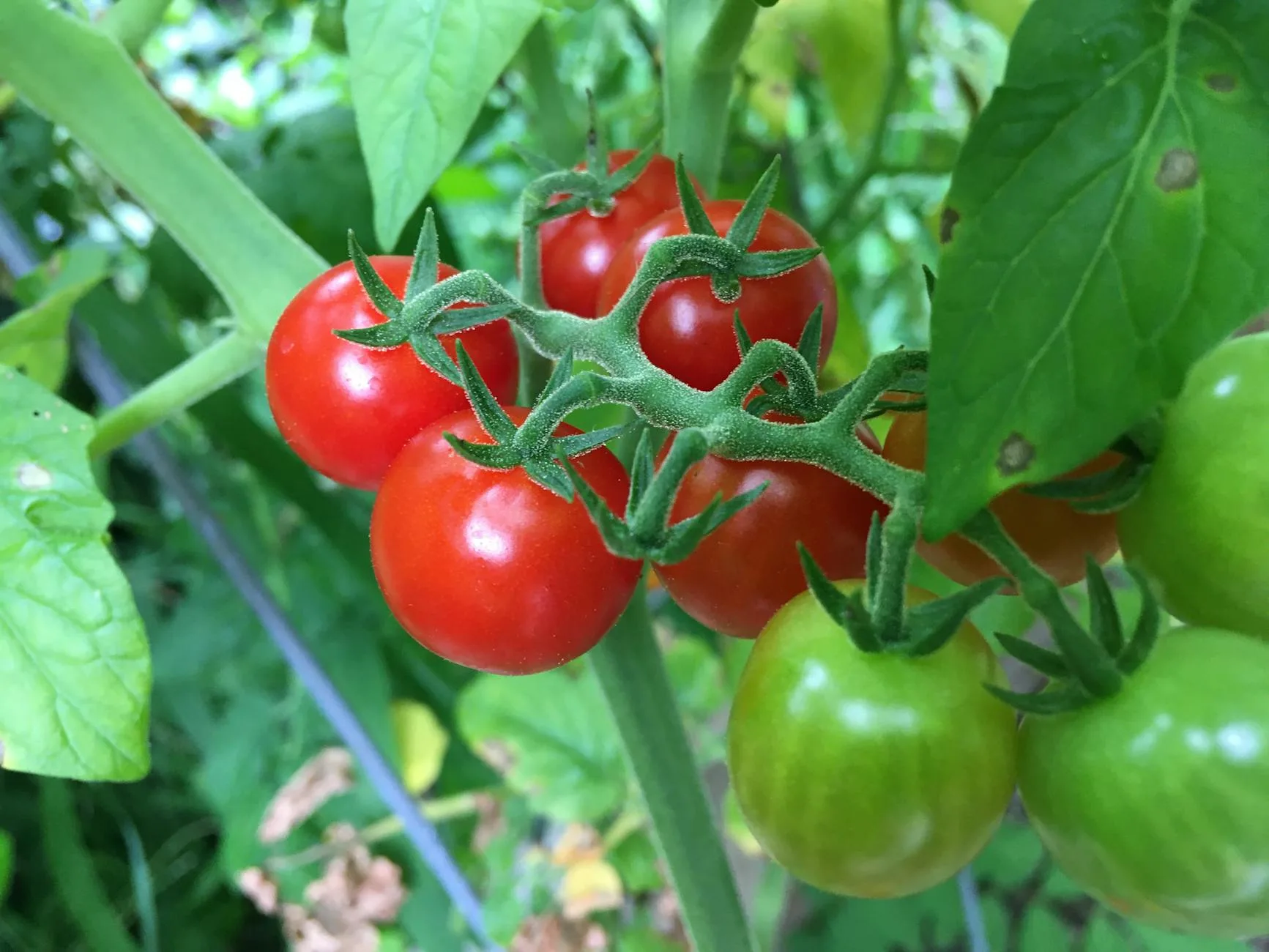
May is the month of transition. The last frosts typically occur in early to mid-May across most of the UK (later in Scotland and northern England), and after that, tender crops can finally go outside. But don’t rush — a late frost can destroy weeks of careful nurturing in a single night.
- Plant out (after last frost): tomatoes (outdoor varieties), courgettes, squash, pumpkins, sweetcorn, runner beans, and French beans
- Sow outdoors: more beans (French, runner, and borlotti), more carrots and beetroot, Florence fennel, and swede
- Harden off all indoor-raised seedlings before planting out — move them outside during the day and back in at night for a week before permanent planting
- Harvest: asparagus (stop cutting by mid-June to let plants recover), salad leaves, radishes, and spring onions
Keep fleece handy until at least mid-May. Even after the “average last frost date” for your area, a cold snap can arrive unexpectedly. Having fleece ready to throw over tender plants at short notice is cheap insurance against disaster. Horticultural fleece from companies like Enviromesh is reusable for several seasons if you look after it. Our Best Fleece and Cloches 2026 UK: Frost Protection guide is useful alongside this.
June: Growth Explodes
June is when the allotment really starts to look productive. Plants grow visibly from week to week, and the first significant harvests of the year arrive. It’s also when weeds grow fastest, so staying on top of hoeing is crucial.
- Sow: more French beans, carrots (for autumn harvest), beetroot, lettuce, chicory, and autumn/winter brassicas (kale, sprouting broccoli, winter cabbage) in a seedbed or modules for transplanting later
- Plant out: leeks (into dibber holes, don’t firm the soil — just water in), brassica transplants with collars to prevent cabbage root fly
- Harvest: broad beans, peas, new potatoes (first earlies), strawberries, gooseberries, salads, herbs, and the first courgettes
- Maintenance: train and tie in tomatoes (pinch out side shoots on cordon varieties), earth up potatoes, and water newly planted crops deeply but less frequently — this encourages deeper root growth
July: Peak Harvest Season Begins
July marks the beginning of the main harvest season. If you planned well in spring, you should now be harvesting more than you can eat — which is exactly the problem you want to have.
- Harvest: courgettes (pick them small — they’re much better), French beans, runner beans, tomatoes (greenhouse ones first), onions and garlic (when the foliage falls over and yellows), shallots, beetroot, carrots, potatoes, and soft fruit
- Sow: spring cabbage (for next spring), turnips, more lettuce and salad leaves, and autumn-sowing Japanese onion sets (like Senshyu Yellow)
- Jobs: keep watering consistently (irregular watering causes tomatoes to split and root veg to crack), feed tomatoes weekly with a high-potash feed, and net brassicas against pigeons and cabbage white butterflies
Courgettes are notorious for going from “just right” to “enormous marrow” in about 48 hours during warm weather. Visit your plot every other day if possible, and pick courgettes at 15-20cm for the best flavour and texture. Regular picking also encourages the plant to keep producing — a well-picked courgette plant can produce 20+ fruits over the season. We cover a similar decision in Best Leaf Mould Bins and Cages 2026 UK.
August: Abundance and Preservation
August is peak abundance. The allotment is at its most productive, and keeping up with the harvest is the main challenge. This is also the time to start thinking about preserving the surplus — freezing, pickling, chutney-making, and drying all help you enjoy your harvest well into winter.
- Harvest: everything from July, plus sweetcorn (test by peeling back a husk — the kernels should be plump and release milky liquid when pressed), squash and pumpkins (leave on the vine as long as possible for storage), and the last of the summer fruit
- Sow: winter salads (lamb’s lettuce, winter lettuce, rocket), spring cabbage, and green manures on any cleared beds
- Plant: strawberry runners for next year’s crop, and transplant brassicas to their final positions
- Preserve: make chutney, freeze beans and courgettes, dry herbs, and store onions and garlic in a cool, dry, well-ventilated space
September: The Transition Month
September straddles summer and autumn. There’s still plenty to harvest, but the pace shifts towards tidying, storing, and preparing for winter.
- Harvest: maincrop potatoes (choose a dry day and let them dry on the surface for a few hours before storing), squash and pumpkins (cure in sunshine for 10 days to harden the skin for storage), apples, pears, runner beans, and the last tomatoes
- Sow: overwintering onion sets, garlic (autumn planting gives the best results), and green manures (field beans, phacelia, or grazing rye) on cleared beds
- Plant: spring bulbs in any ornamental areas, and new strawberry plants
- Jobs: clear spent crops, add them to the compost heap, and cover bare soil with cardboard or mulch to suppress winter weeds
October: Putting the Plot to Bed
October is about harvesting the last of the season’s crops, tidying the plot, and setting things up for winter and the following spring.
- Harvest: the last carrots, beetroot, parsnips (they taste better after the first frost), leeks, celeriac, and any remaining squash
- Plant: more garlic, overwintering broad beans (Aquadulce Claudia again), and fruit trees and bushes (bare-root planting season begins — see our guide to pruning fruit trees for getting them into shape)
- Jobs: collect and store stakes and canes, repair any raised beds or structures, spread manure or compost on empty beds, and cover with black polythene or cardboard for winter
Don’t rush to clear everything. Some crops — parsnips, leeks, Jerusalem artichokes, Brussels sprouts — are perfectly happy staying in the ground through winter and can be harvested as needed. This saves storage space and keeps the produce fresh.
November and December: Winter Work
The allotment slows down but doesn’t stop entirely. These months are for the unglamorous work that makes next year’s growing season easier.
- Harvest: winter crops as needed — leeks, parsnips, Brussels sprouts, kale, and winter cabbages; celeriac stores well left in the ground with a mulch over the top
- Dig heavy clay soils roughly, leaving large clods exposed to frost — the freezing and thawing breaks them down naturally into a fine tilth by spring (this is called “frost tillage”)
- Maintain: clean and oil tools, organise the shed, fix fences, and plan next year’s growing based on what worked and what didn’t
- Build: construct raised beds, compost bins, or cold frames — these jobs are much easier when the ground is quiet
- Order: seed catalogues arrive in November; start planning and ordering for next year while varieties are still available
Crop Rotation: A Simple System That Works
Crop rotation — growing different plant families in different beds each year — prevents the buildup of soil-borne diseases and pests, and helps manage soil fertility naturally. A simple four-bed rotation works brilliantly for most allotments:
- Bed 1 — Legumes (peas and beans): these fix nitrogen in the soil, enriching it for the next crop
- Bed 2 — Brassicas (cabbage family): follow the legumes to benefit from the nitrogen they’ve added; lime this bed if your soil is acidic, as brassicas prefer alkaline conditions
- Bed 3 — Roots (carrots, parsnips, beetroot): these don’t want freshly manured soil (it causes forking), so they follow brassicas
- Bed 4 — Potatoes and everything else: manure this bed heavily; potatoes, squash, courgettes, and sweetcorn all thrive in rich soil
Permanent crops like rhubarb, asparagus, herbs, and fruit bushes sit outside the rotation in their own dedicated areas. Don’t stress about getting rotation perfect — the main thing is to avoid growing the same family in the same spot two years running.
The Bottom Line
A productive UK allotment is fundamentally about timing. Sow the right things at the right time and you’ll have something to harvest in almost every month of the year. The calendar above gives you a framework, but pay attention to your specific conditions — your soil, your local climate, and what actually grows well on your plot. Every allotment is different, and the best growers are the ones who observe, adapt, and learn from each season. Keep a notebook, record what works, and don’t be discouraged by failures — every experienced allotment holder has a compost heap full of lessons learned. The plot rewards patience, consistency, and showing up regularly more than any amount of expertise. Get the basics right, and the growing takes care of itself.
Frequently Asked Questions
What should beginners grow first? Choose reliable crops such as salad leaves, herbs, courgettes, potatoes and tomatoes. They give visible progress without specialist kit.
How much sun do vegetables need? Most fruiting vegetables need 6-8 hours of sun. Leafy crops tolerate some shade, especially in hot spells.
Is an allotment expensive to start? It can be cheap if you reuse materials and buy only essential tools. Soil improvement and time matter more than expensive kit.
What should I check first with What to Grow in a Allotment: Month-by-Month Planting Guide? Start with the real use case, then check size, compatibility, running costs and maintenance. A product that looks good on paper can still be the wrong fit if it does not suit the room, routine or budget.
How do I avoid wasting money on What to Grow in a Allotment: Month-by-Month Planting Guide? Avoid buying on one headline feature alone. Compare the practical details, read the warranty or returns terms, and choose the option that solves your main problem rather than the one with the longest specification list.