You’ve got a patch of lawn that gets reasonable sun, a vague ambition to grow your own food, and no idea where to start. The gardening internet is full of people with immaculate raised beds, heritage tomato collections, and Instagram-worthy polytunnels — but nobody seems to explain how they got from “bare patch of grass” to “actual vegetables.” Starting a vegetable garden from scratch in the UK means dealing with British soil (clay, probably), British weather (unreliable, definitely), and the British tendency to plant everything in May and give up by July.
In This Article
- Choosing Where to Put Your Vegetable Garden
- Preparing the Ground
- Raised Beds vs In-Ground
- What to Grow First
- Understanding Your Soil
- Tools You Actually Need
- A First-Year Planting Plan
- Watering, Feeding, and Maintenance
- Common First-Year Mistakes
- Building Soil for the Long Term
- Frequently Asked Questions
Choosing Where to Put Your Vegetable Garden
Sunlight Is Everything
Vegetables need a minimum of 6 hours of direct sunlight per day. Most fruiting crops (tomatoes, courgettes, beans) want 8+ hours. Leafy greens (lettuce, spinach, chard) tolerate 4-6 hours but produce more with more sun.
Before you dig anything, spend a day watching where the sun falls in your garden. Morning sun is gentler; afternoon sun is stronger. A south-facing patch that gets sun from mid-morning to late afternoon is ideal. North-facing gardens can still grow vegetables — you’ll just focus on leafy crops rather than tomatoes.
Access to Water
You’ll water your vegetable garden more than any other part of the garden, especially in summer. Place it within easy reach of a tap or hose. Carrying watering cans across a large garden gets old fast — I lasted about two weeks before running a hose permanently to the veg patch.
Shelter from Wind
Wind dries soil, damages plants, and cools the temperature around your crops. A sheltered spot — against a fence, beside a wall, or behind a hedge — gives your vegetables a warmer, calmer microclimate. Avoid fully exposed positions, especially on hillsides or in coastal areas.
Size: Start Small
A 2m × 3m plot is enough to grow meaningful amounts of food for a family. A 1m × 2m raised bed is enough to learn the basics and get your first harvest. Don’t be tempted to dig up half the garden in year one — start small, learn what works, and expand next year. The Royal Horticultural Society recommends starting with just a few easy crops rather than trying everything at once.
Preparing the Ground
Removing Grass
If you’re converting lawn to vegetable garden, you need to remove or suppress the grass:
- Dig it out — the quick method. Use a spade to skim off the turf in strips, shake out the soil, and compost the turf upside-down in a pile (it makes excellent loam in 6-12 months)
- Sheet mulch (no-dig method) — lay thick cardboard over the grass, cover with 15-20cm of compost, and plant into the compost. The grass dies underneath over 3-6 months. Slower to establish but less back-breaking than digging
- Black plastic — cover the area with black polythene for 2-3 months. The grass dies from light deprivation. Then remove the plastic and dig in compost
Breaking New Ground
If you’re digging, work the soil to one spade’s depth (about 25cm). Remove any large stones, roots, and debris. Don’t dig when the soil is waterlogged — you’ll compact it and create problems for years. Wait until the soil is damp but crumbly.
Adding Organic Matter
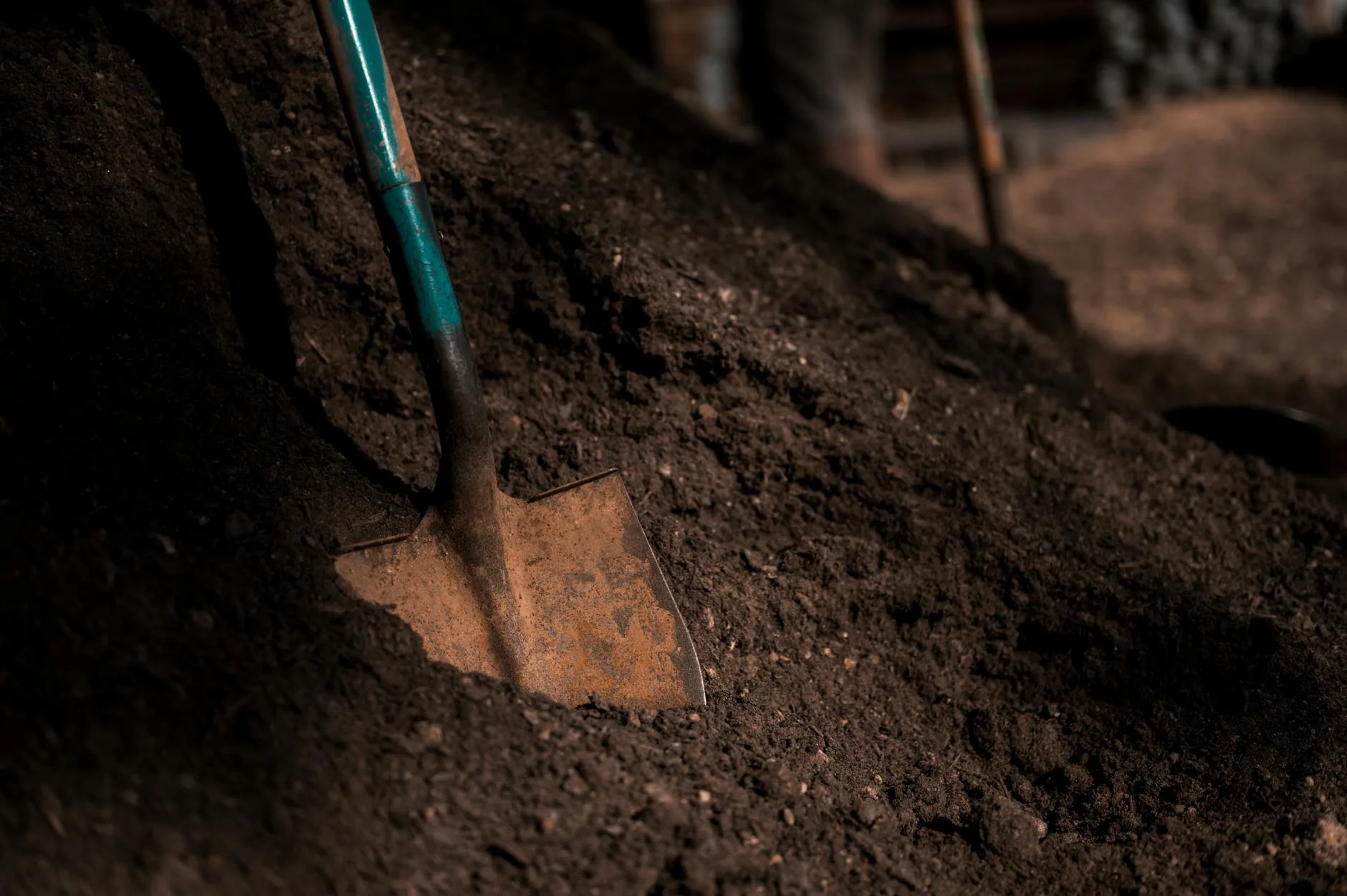
Whatever your soil type, adding compost improves it. Dig in 5-10cm of well-rotted garden compost, manure, or municipal green waste across the whole area. This feeds the soil biology that feeds your plants. In the UK, bags of multipurpose compost cost about £4-6 for 50 litres from garden centres, or free from your own compost heap if you have one.
Our guide to starting composting covers how to make your own — it’s the single most valuable long-term investment for a vegetable garden.
Raised Beds vs In-Ground
Raised Beds
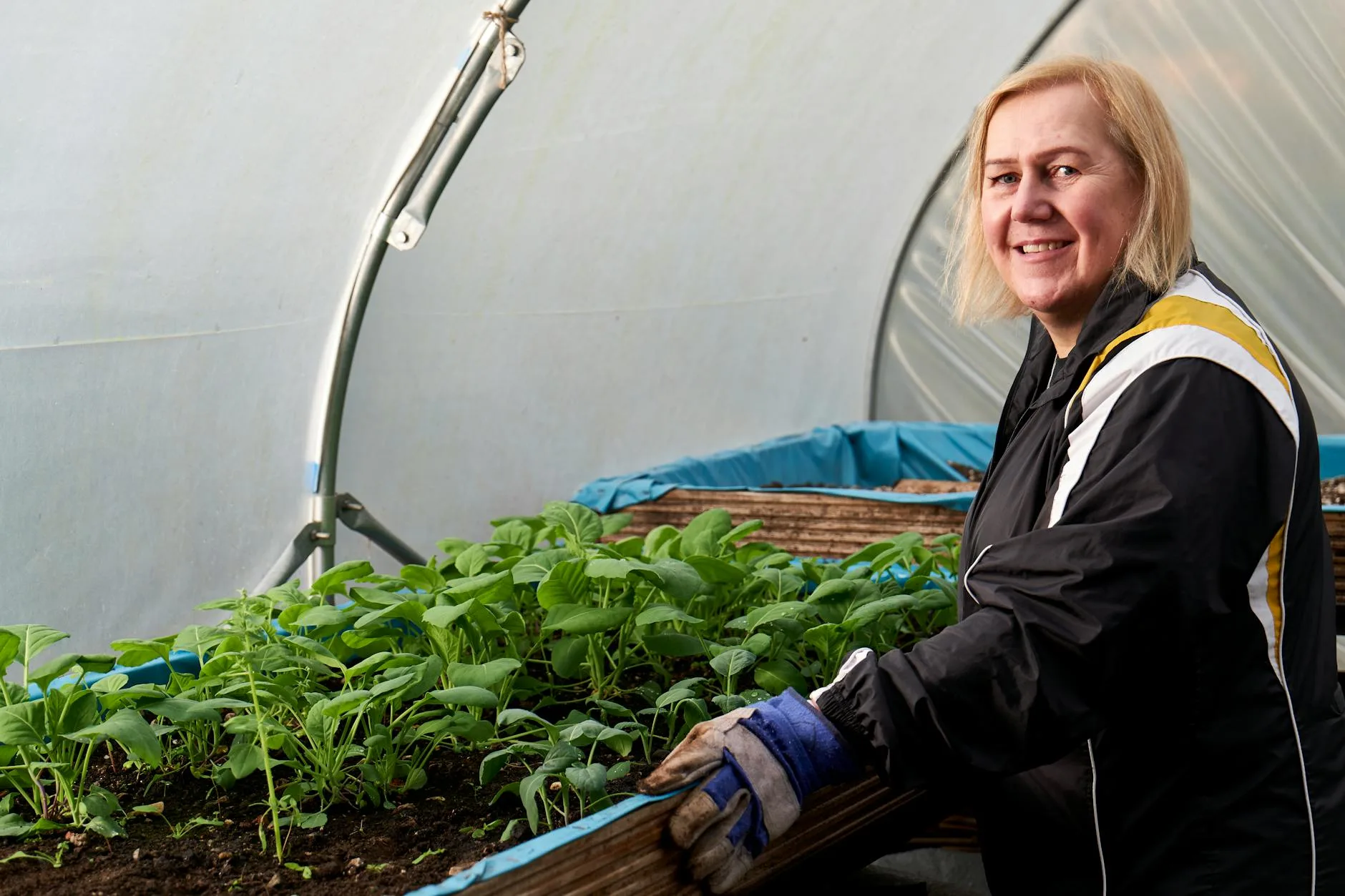
Wooden, metal, or recycled plastic frames filled with imported soil and compost, raised above ground level.
Pros:
- Better drainage — essential on heavy clay soil that waterloogs in winter
- Warmer soil — raised beds warm up faster in spring, giving your crops a head start
- Easier to manage — defined edges, no grass encroachment, easier to weed
- Better for bad backs — less bending, especially at 30cm+ height
- Start with perfect soil — fill with a compost/topsoil mix regardless of what’s underneath
Cons:
- Cost — timber raised bed kits start at about £30-50 for a 1.2m × 0.6m bed. Filling them with compost adds £20-40
- Dry out faster — the exposed sides lose moisture. More watering needed in summer
- Limited depth — unless you also dig the ground underneath, root vegetables in shallow beds may struggle
Best for: clay soils, small gardens, beginners who want a defined growing space, and anyone who likes things neat.
For a full comparison, our guide to raised beds for beginners covers kit options and building tips.
In-Ground Growing
Dig straight into the existing soil. The traditional allotment approach.
Pros:
- Free — no materials needed beyond compost and tools
- Unlimited root depth — deep-rooted vegetables like parsnips and carrots aren’t restricted
- Retains moisture better — the surrounding earth acts as a reservoir
- Scales easily — expanding means digging more, not buying more frames
Cons:
- Dependent on your existing soil — heavy clay or thin chalky soil needs years of improvement
- More weeding — no barriers to grass and weed encroachment
- Slower to warm in spring — ground-level soil takes longer to reach growing temperature
Best for: larger plots, allotments, sandy or loamy soils that drain well naturally.
What to Grow First
The Beginner’s Six
These crops are reliable in UK conditions, forgiving of beginner mistakes, and produce enough to make you feel like a real gardener:
- Courgettes — one plant produces 15-20 courgettes over summer. Plant out after the last frost (late May). Almost impossible to fail. The problem is usually having too many
- Salad leaves — sow directly in the ground every 3 weeks from April to September for continuous supply. Cut-and-come-again varieties regrow after harvesting
- Runner beans — sow in May, watch them climb, pick from July to September. Beautiful flowers and productive plants. Kids love watching them grow because they’re fast
- Radishes — the instant-gratification vegetable. Ready to eat 4-5 weeks after sowing. Sow every 2 weeks for a continuous supply
- Potatoes — plant seed potatoes in March-April, harvest in June-August. Even in poor soil, potatoes produce. They also break up heavy clay as a bonus
- Herbs (parsley, chives, mint) — plant once, harvest all summer. Mint is invasive, so grow it in a pot. Parsley and chives grow well in the ground or in pots beside the kitchen door
What Not to Grow First
- Sweetcorn — needs heat that British summers can’t reliably provide. Disappointing for beginners
- Cauliflower — fussy, slow, pest-prone, and unforgiving of drought or temperature swings
- Asparagus — takes 3 years before your first harvest. Not a first-year crop
- Melons or aubergines — need greenhouse heat in the UK. Save them for when you’ve got more experience and infrastructure
Understanding Your Soil
The Squeeze Test
Grab a handful of damp soil and squeeze:
- If it forms a sticky, shiny ball that holds its shape — you have clay soil. Heavy, fertile but poorly drained. Common in most of England
- If it crumbles immediately and runs through your fingers — you have sandy soil. Light, well-drained but loses nutrients quickly
- If it forms a ball that crumbles when prodded — you have loam. Lucky you — this is ideal growing soil
- If it feels gritty with white chunks — you have chalky soil. Alkaline, free-draining, low in organic matter
Improving Clay Soil
Most UK gardens have clay soil. It’s fertile but compacts when wet, bakes hard when dry, and drains poorly. Improve it by:
- Adding organic matter every year — compost, manure, leaf mould. This breaks up the clay structure over time
- Adding horticultural grit — coarse grit (not builder’s sand) improves drainage in clay. Spread 5cm and dig in
- Never walking on wet clay — compaction is clay’s biggest enemy. Use raised beds or permanent paths to keep feet off growing areas
Our guide to garden soil types goes deeper into identification and improvement.
Tools You Actually Need
Essential (Buy These)
- Spade — for digging and turning soil. A stainless steel blade slides through clay better than carbon steel
- Fork — for breaking up clumps, harvesting root vegetables, and turning compost
- Hand trowel — for planting seedlings and weeding
- Watering can or hose — you’ll use this daily in summer
- Secateurs — for harvesting and pruning
Useful (Buy Later)
- Wheelbarrow — essential once your garden grows beyond a single bed
- Hoe — the fastest weeding tool for open ground between rows
- Soil thermometer — tells you when the soil is warm enough to sow (about £5)
- Seed trays and modules — for starting seeds indoors
Don’t Need (Yet)
- Rotavator — overkill for a small garden. Manual digging is fine
- Greenhouse — a future investment, not a first-year necessity
- Expensive power tools — a spade and fork do everything a small vegetable garden needs
For tool recommendations, our guide to garden forks and spades covers the best options at every price.
A First-Year Planting Plan
March
- Plant seed potatoes in the ground or in large pots. Cover with 10cm of soil and earth up as they grow
- Sow radishes directly in the ground — they’ll be ready by late April
April
- Sow salad leaves directly where they’ll grow. Repeat every 3 weeks
- Sow runner beans in modules indoors for planting out in May
- Prepare beds — weed, add compost, rake level
May (After Last Frost)
- Plant out courgettes — one plant per square metre is plenty
- Plant out runner beans with cane supports (2m bamboo canes in a wigwam or row)
- Sow more radishes and salad leaves
- Plant herbs — either from seed (slow) or as plug plants from a garden centre (instant)
June-August
- Harvest radishes, salad, and herbs regularly
- Start picking runner beans from July when they’re 15-20cm long. Pick regularly to encourage more
- Harvest courgettes when they’re 15-20cm. Don’t leave them — they become marrows overnight
- Harvest potatoes — when the foliage starts yellowing, dig up a plant and check. If the potatoes are fist-sized, they’re ready
September-October
- Clear spent crops and add them to the compost bin
- Sow green manure (clover, field beans) on empty beds — this protects and improves the soil over winter
- Plan next year based on what worked and what didn’t
Watering, Feeding, and Maintenance
Watering
- Morning is best — less evaporation, and plants have water available for the hot part of the day
- Water the soil, not the leaves — wet foliage encourages fungal diseases. Aim at the base of the plant
- Deep and less often beats shallow and frequent — deep watering encourages roots to grow down, making plants more drought-resilient. A good soak every 2-3 days beats a light sprinkle daily
Feeding
- Compost is your main feed — a 5cm layer of compost spread in spring provides most nutrients for the season
- Liquid feed for hungry crops — tomatoes, courgettes, and beans benefit from weekly liquid feed (Tomorite or comfrey tea) once they start flowering
- Don’t overfeed — too much nitrogen makes leafy growth at the expense of fruit. Follow the bottle instructions
Weeding
Weed little and often. Five minutes of weeding every other day is easier and more effective than two hours of emergency weeding once a month. Pull weeds when they’re small — before they set seed. A sharp hoe makes short work of weeds in open ground between rows.
Mulching
A 5cm layer of compost, straw, or bark mulch around plants suppresses weeds, retains moisture, and feeds the soil as it breaks down. Apply after the soil has warmed in late spring. Don’t mulch against stems — leave a gap to prevent rot.
Common First-Year Mistakes
Planting Too Much
The enthusiasm is admirable, the results are overwhelming. Six courgette plants produce enough courgettes to alienate your neighbours. Start with the beginner’s six in small quantities and expand what works.
Planting Too Close Together
Seed packets tell you the spacing. Follow it. Overcrowded plants compete for light, water, and nutrients, producing less than properly spaced ones. A single well-spaced courgette plant produces more than three crammed together.
Forgetting to Water
The single biggest cause of crop failure. UK summers include dry spells where rain doesn’t fall for 2-3 weeks. Your vegetables can’t survive this without watering. Set a phone reminder if needed — 10 minutes of watering saves a week of growth.
Ignoring Pests
Slugs, pigeons, cabbage white butterflies, and aphids are the big four UK vegetable garden pests. Slugs eat seedlings overnight. Pigeons strip brassicas to skeletons. Netting (about £5-10 from garden centres) over vulnerable crops prevents most problems. Slug pellets or beer traps handle the ground-level raiders.
Not Harvesting Regularly
Many vegetables produce more when picked frequently. Runner beans stop flowering if mature pods are left on the plant. Courgettes divert energy to the marrow-sized ones instead of producing new fruit. Pick early, pick often.
Building Soil for the Long Term
Your first year’s harvest depends on compost you bought. Future years depend on the soil you build. Every year, add organic matter:
- Autumn — spread well-rotted manure or compost over empty beds. Let the worms work it in over winter
- Spring — top up with fresh compost before planting
- Year-round — keep composting your kitchen and garden waste. A compost bin pays for itself within a year
After 3-4 years of annual organic matter additions, even heavy clay soil transforms into productive, workable growing ground. The soil biome — worms, bacteria, fungi — builds with each year, creating a self-improving cycle that makes gardening easier and more productive.
For more on building a composting system, our guide to what goes in a compost bin covers the full list of materials.
Frequently Asked Questions
How much does it cost to start a vegetable garden? As little as £20-30 for seeds, a bag of compost, and basic tools if you grow in-ground. A raised bed setup costs £50-100 including the bed, soil, and seeds. The ongoing cost is minimal — seeds for a full season cost about £15-25, and homemade compost is free.
When is the best time to start a vegetable garden in the UK? March is ideal — early enough to prepare the ground and sow the first crops (potatoes, radishes, salad). But you can start at any time. Summer plantings of salad, beans, and herbs still produce well. Autumn is perfect for preparing beds for the following spring.
Can I grow vegetables in a small garden? A 1m × 2m raised bed or a collection of large pots on a patio is enough to grow salad, herbs, tomatoes, and runner beans. Vertical growing (beans on a wigwam, tomatoes against a wall) makes the most of limited space. Container growing works on balconies and patios with 6+ hours of sun.
Do I need to test my soil? A basic pH test (about £5 from garden centres) is useful — most vegetables prefer pH 6.0-7.0. Beyond that, adding compost annually solves most nutrient deficiencies. Professional soil tests (about £25-30 from the RHS) are worth doing if you have persistent problems after a year or two of growing.
How much time does a vegetable garden take? A small plot (2m × 3m) needs about 20-30 minutes per day in the growing season — mostly watering, with occasional weeding and harvesting. In winter, it needs almost nothing. The time investment scales with size, but a well-maintained small garden is less work than a poorly maintained large one.