You built the raised beds last spring, filled them with expensive compost, planted your vegetables, and then watched in disbelief as chickweed, hairy bittercress, and something that looked like it belonged in a jungle appeared faster than your lettuce. Raised beds are supposed to be the controlled, manageable version of gardening — so why are they full of weeds? The short answer: weeds are opportunists, and a raised bed full of rich, loose compost is prime real estate. The better answer: you can prevent most of them with five practical techniques that take an afternoon to set up and save hours of weeding all season.
In This Article
- Why Raised Beds Still Get Weeds
- Mulching: The Single Best Prevention
- Landscape Fabric and Membrane
- Close Planting and Ground Cover
- Cardboard and Newspaper Layers
- The No-Dig Approach
- Dealing with Perennial Weeds
- Seasonal Weed Prevention Calendar
- Common Mistakes That Make Weeds Worse
- Frequently Asked Questions
Why Raised Beds Still Get Weeds
Three Ways Weeds Arrive
Understanding how weeds get into raised beds helps you block each pathway:
- Wind-blown seeds — annual weeds like groundsel, willowherb, and dandelions travel on wind. If there’s a weed flowering within 100 metres, its seeds can reach your beds. This is the hardest pathway to block completely, but mulching prevents most wind-blown seeds from germinating
- Soil contamination — the compost, topsoil, or manure you filled the beds with may contain weed seeds. Municipal green waste compost is the most common culprit — if the composting process didn’t reach high enough temperatures, weed seeds survive. After filling two new beds with cheap bagged topsoil, the resulting weed carpet was worse than the surrounding lawn
- Creeping roots — perennial weeds like couch grass, bindweed, and ground elder spread through underground runners. They can grow under raised bed walls and emerge inside the bed from below
Why Rich Soil Makes It Worse
The same conditions that make your vegetables thrive — loose, nutrient-rich, well-drained soil — are exactly what weed seeds want. A raised bed is effectively a perfect germination tray for any seed that lands on it. This isn’t a design flaw; it just means prevention is essential rather than optional.
Mulching: The Single Best Prevention
If you do one thing to prevent weeds in raised beds, mulch. A proper mulch layer blocks light from reaching the soil surface, preventing most weed seeds from germinating. Seeds need light and warmth to sprout — deny them light and the vast majority never emerge.
What to Use
- Compost mulch (5-8cm deep) — well-rotted garden compost or municipal green waste. Feeds the soil as it breaks down. Needs topping up annually. The best all-round choice for vegetable beds
- Straw (8-10cm deep) — excellent around established plants like tomatoes, courgettes, and strawberries. Cheap, effective, and eventually breaks down into the soil. Buy from equestrian suppliers or garden centres for about £5-8 per bale
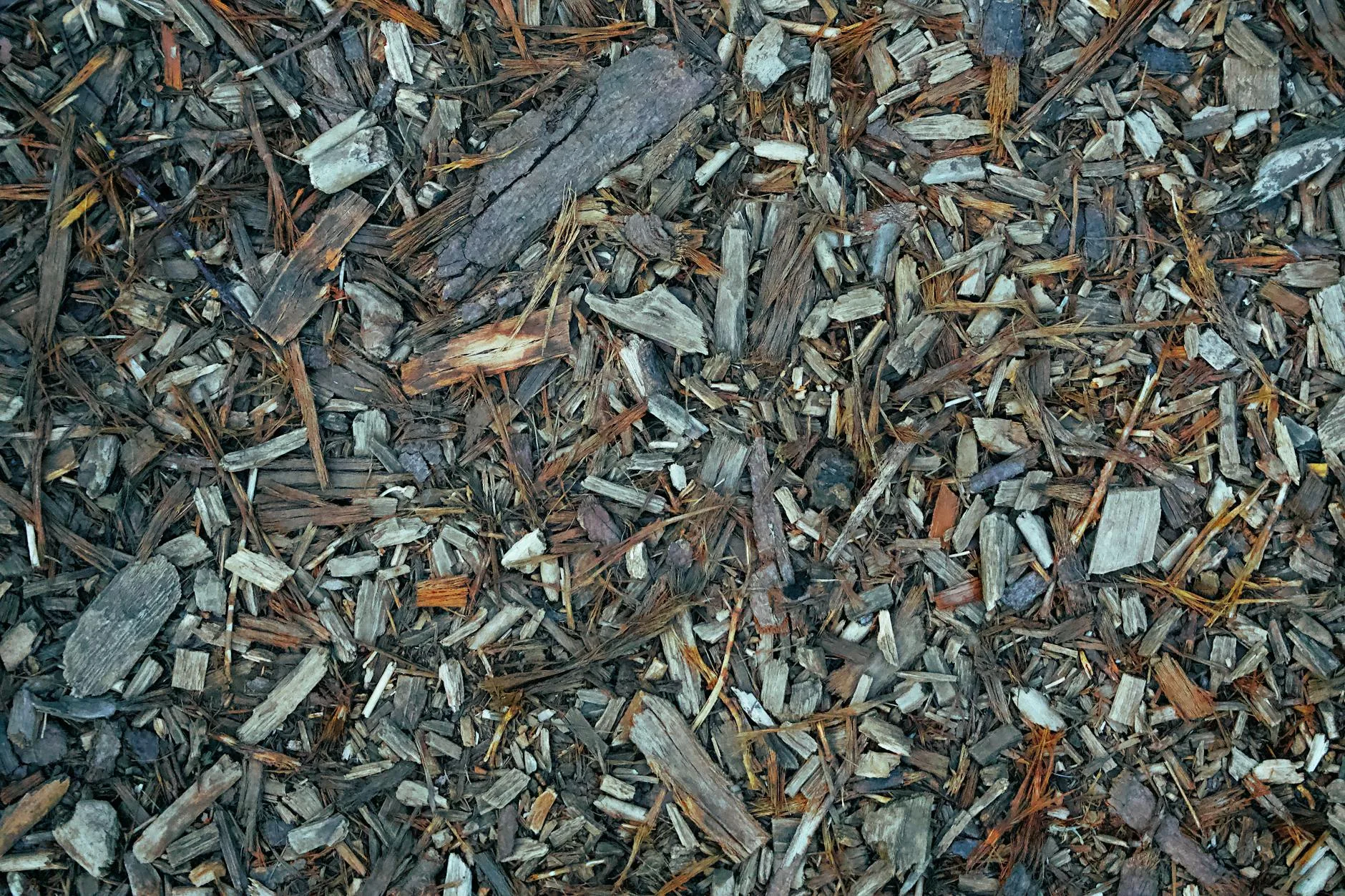
- Wood chip or bark (5-8cm deep) — longer lasting than compost but ties up nitrogen as it decomposes. Best around perennial plants, fruit bushes, and ornamental raised beds. Not ideal for annual vegetable beds where you replant frequently
- Leaf mould (5cm deep) — free if you collect autumn leaves. Excellent soil conditioner and weed suppressant. Takes 12-18 months to make but worth the wait
How to Apply
- Water the bed thoroughly first — mulch applied to dry soil locks the dryness in
- Spread the mulch evenly, 5-8cm deep, around existing plants
- Keep mulch 2-3cm away from plant stems — mulch touching stems can cause rot
- Top up whenever the layer thins below 3cm
The Timing
Apply mulch in spring after the soil has warmed (March-April) and again in autumn after clearing summer crops. For our full guide on compost as mulch, see how to start composting.
Landscape Fabric and Membrane
When It Works
Landscape fabric (also called weed membrane) is a permeable sheet that blocks light while allowing water through. It works well for:
- Paths between raised beds — lay fabric, cover with gravel or bark. Extremely effective and long-lasting
- Perennial plantings — fruit bushes, strawberries, and permanent herbs planted through holes cut in the fabric
- Under the raised bed — laid before filling the bed with soil, it blocks perennial weeds from creeping up from below
When It Doesn’t Work
Landscape fabric is poor for annual vegetable beds where you replant every season. Cutting holes for new crops, lifting it to amend the soil, and dealing with it tangling around roots is more hassle than the weeding it prevents. After one season of trying fabric in a courgette bed, the amount of time spent managing the fabric exceeded the time saved weeding.
Types of Fabric
- Woven polypropylene — the standard choice. Allows water through, blocks light, lasts 5-10 years. About £15-25 for a 10m × 1m roll from B&Q or Wickes
- Non-woven geotextile — more permeable and softer, but less durable. Better for temporary use
- Heavy-duty membrane — thicker, UV-stabilised, for permanent installations under paths and patios. The Royal Horticultural Society (RHS) provides guidance on choosing between mulch and membrane for different garden situations
Close Planting and Ground Cover
The Living Mulch Concept
Plants that cover the soil surface suppress weeds by competing for the same light. Dense planting leaves no bare soil for weed seeds to colonise. This is how nature prevents bare ground — something is always growing.
Techniques
- Reduce spacing — plant vegetables 10-20% closer than packet recommendations suggest. The slight competition between your crops is less damaging than the competition from weeds. Lettuce, spinach, and salad leaves work particularly well planted closely
- Interplanting — grow fast-maturing crops (radishes, baby leaves) between slower ones (tomatoes, brassicas). The fast crops cover the soil while the slow crops establish
- Living mulch — sow white clover between widely spaced crops like sweetcorn or brassicas. Clover fixes nitrogen, suppresses weeds, and can be cut back without removing it. Our crop rotation guide covers how to plan plantings for maximum soil coverage
- Trailing crops — squash, courgettes, and nasturtiums spread outward and shade large areas. A single squash plant can cover 2-3 square metres by midsummer
Winter Ground Cover
Don’t leave beds bare over winter. Bare soil is an invitation for weeds to establish before your growing season starts:
- Green manures (field beans, crimson clover, phacelia) — sow in September/October after clearing summer crops. They suppress weeds, prevent soil erosion, fix nitrogen, and improve structure. Cut and dig in (or mulch over for no-dig) in spring before planting
- Cardboard and mulch — see below
Cardboard and Newspaper Layers
The Sheet Mulch Method
A layer of cardboard or thick newspaper under organic mulch creates a double barrier against weeds. The cardboard blocks light completely for 3-6 months while it decomposes, and the mulch on top continues the suppression after the cardboard breaks down.
How to Do It
- Wet the cardboard or newspaper thoroughly — dry cardboard repels water and can blow away
- Lay sheets overlapping by at least 10cm — weeds will find any gap
- Cover with 5-8cm of compost, straw, or bark
- Plant through the layers by cutting X-shaped holes where needed
Best Uses
- New raised beds — lay cardboard over grass or weeds before filling with compost. The cardboard kills the existing vegetation underneath while the compost provides growing depth on top
- Between-season cleanup — cover cleared beds with cardboard and mulch in autumn. By spring, the soil is weed-free, enriched, and ready to plant
- Pathways — cardboard under wood chips creates a long-lasting weed-free path
What to Use
- Corrugated cardboard — best option. Thick enough to suppress tough weeds. Remove tape and staples first
- Newspaper — use 6-10 sheets thick. Avoid glossy inserts (they decompose slowly)
- Avoid — waxed cardboard, glossy packaging, anything with heavy printing
The No-Dig Approach
How No-Dig Prevents Weeds
The no-dig method, championed by Charles Dowding in the UK, prevents weeds by never disturbing the soil surface. Digging brings buried weed seeds to the surface where they germinate. No-dig leaves them buried, where they remain dormant. For a related angle, see our Raised Beds for Beginners: Where to Start guide.
The Method
- Clear surface weeds (pull or hoe without disturbing the soil deeply)
- Apply a thick layer of compost (8-10cm) directly on top of the existing soil surface
- Plant directly into the compost
- Each year, add another 3-5cm of compost on top
Why It Works for Weed Prevention
After two years of no-dig in the vegetable raised beds, weed pressure dropped by roughly 80% compared to the traditionally dug beds running alongside them. The undisturbed soil surface keeps weed seeds buried below germination depth. The annual compost layer on top is largely weed-seed-free (if using quality compost), so the growing surface stays clean.
The remaining 20% of weeds are wind-blown annuals and the occasional perennial runner — both easily managed with a quick hoe or hand pull. For choosing the right compost for raised beds, our soil types guide covers what works best.
Dealing with Perennial Weeds
Why They’re Different
Annual weeds (chickweed, groundsel, bittercress) live fast, seed, and die. Pull them before they flower and they’re gone. Perennial weeds (bindweed, couch grass, ground elder, horsetail) regenerate from root fragments. Pull the top off and they grow back from the roots within days.
The Nuclear Option: Complete Root Removal
For established perennial weeds in raised beds:
- Remove all plants you want to keep (temporarily pot them)
- Empty the bed completely — every bit of soil
- Pick through the soil for root fragments (white or pale runners)
- Re-lay the bed with fresh cardboard on the base
- Refill with clean compost
- Replant
This is drastic but effective. For beds overrun with couch grass or bindweed, it’s often faster than years of pulling and re-pulling.
Ongoing Management
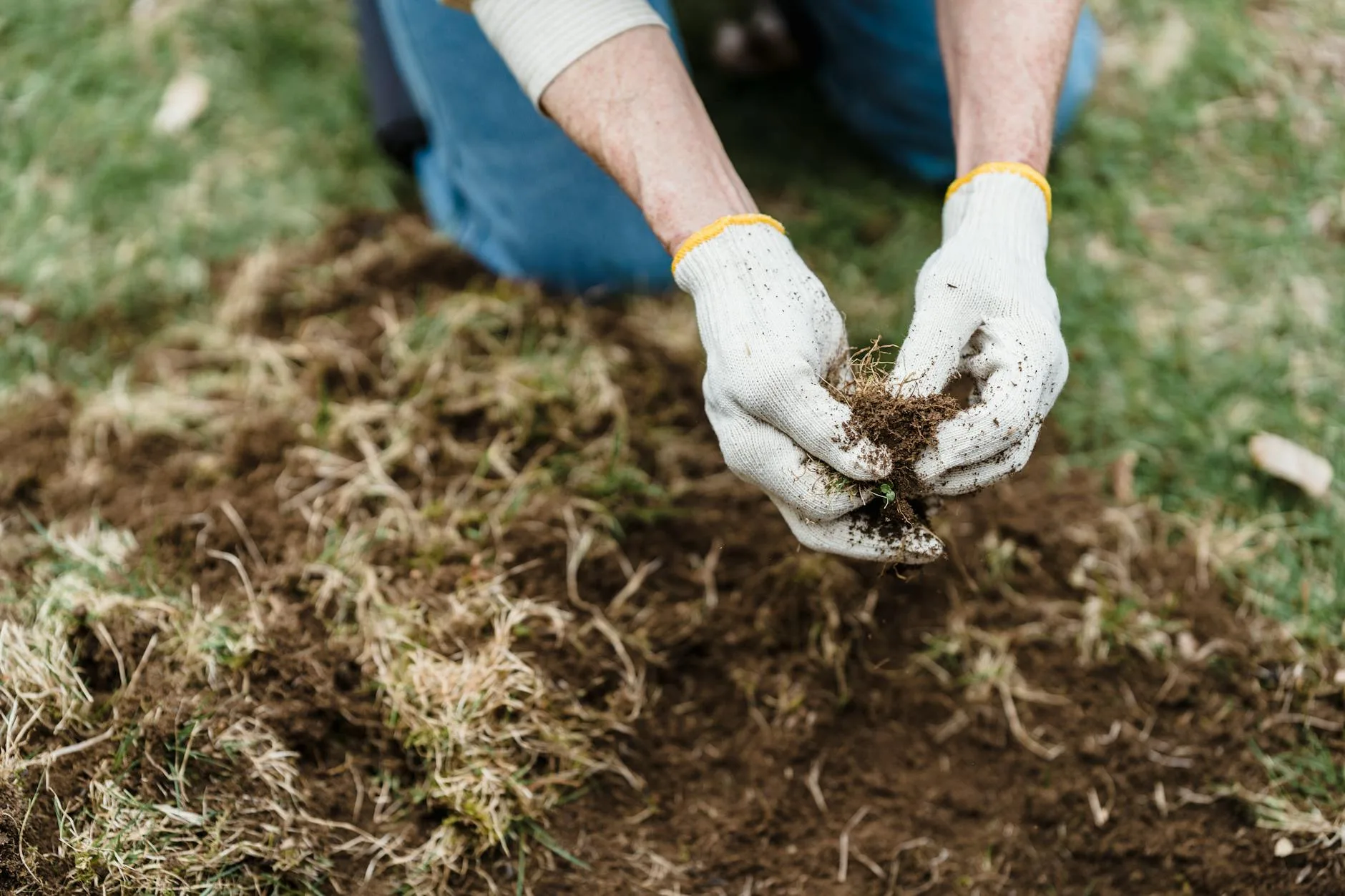
- Hoe weekly in growing season — a sharp hoe just below the surface severs new weed shoots before they establish. Ten minutes with a hoe saves an hour of hand-weeding later
- Never let weeds flower — one dandelion flower produces 200+ seeds. One willowherb plant can produce 80,000. Removing weeds before they set seed is the single most impactful thing you can do
- Edge maintenance — keep the area around raised beds trimmed. Grass and weeds creeping over the edges drop seeds directly into the beds
Seasonal Weed Prevention Calendar
Early Spring (March)
- Top up mulch on all beds to 5-8cm before weeds start growing
- Hoe any early weed seedlings while they’re small
- Apply fresh compost to no-dig beds
- Check landscape fabric for damage and repair gaps
Late Spring / Summer (April-August)
- Hoe weekly between plants — little and often beats occasional marathon sessions
- Maintain mulch depth — top up where it’s thinned
- Pull flowering weeds immediately — preventing seed-set is the priority
- Water at plant bases, not broadcast — watering bare soil encourages weed germination
Autumn (September-October)
- Clear summer crops and cover beds immediately — don’t leave bare soil over winter
- Sow green manures or apply cardboard and mulch
- Remove perennial weeds completely before they go dormant
- Collect leaves for leaf mould production
Winter (November-February)
- Minimal weeding needed if beds are covered
- Plan next year’s planting to maximise soil coverage
- Source mulch materials (check local tree surgeons for free wood chip)
- Compost heap maintenance — turning and covering to ensure hot composting kills weed seeds
Common Mistakes That Make Weeds Worse
Leaving Soil Bare
Bare soil between plants is an open invitation. Mulch, plant closely, or cover with cardboard. Every square centimetre of bare soil is a potential weed nursery.
Using Contaminated Compost
Cheap bagged topsoil and uncomposted manure are common sources of weed seeds. Municipal green waste compost varies in quality — some councils maintain high enough temperatures to kill seeds, others don’t. If in doubt, buy from reputable suppliers (Carbon Gold, Dalefoot, Melcourt) or make your own compost in a hot composting system. Our guide to what can go in a compost bin covers how to avoid common composting mistakes.
Shallow Hoeing Too Infrequently
Hoeing works best when weeds are tiny seedlings — one or two days old. A weekly 10-minute hoe session is vastly more effective than a monthly hour-long weeding session. By the time weeds have established root systems, hoeing becomes pulling, which takes ten times longer.
Rotavating or Deep Digging
Turning soil brings buried weed seeds to the surface. A single rotavation can produce a carpet of weeds within weeks by exposing seeds that were dormant 20cm down. If you need to break up compacted soil, use a fork to loosen without inverting.
Ignoring the Edges
Weeds at the base of raised beds and in surrounding paths seed directly into the beds. Maintaining a clean perimeter — strimming, edging, or mulching around the outside of beds — prevents this constant re-invasion.
Frequently Asked Questions
What is the best mulch for raised vegetable beds? Well-rotted garden compost is the best all-round mulch for vegetable raised beds. It suppresses weeds, feeds the soil, retains moisture, and breaks down into useful organic matter. Apply 5-8cm deep in spring and top up in autumn. Straw is an excellent alternative around established plants like tomatoes and strawberries.
Should I put landscape fabric in the bottom of a raised bed? It depends on your weed situation. If building on grass or soil with known perennial weeds (couch grass, bindweed), a layer of fabric or thick cardboard on the base prevents weeds growing up into the bed. If building on clean ground or a patio, it’s unnecessary. Cardboard is preferred over fabric because it decomposes naturally and doesn’t interfere with soil biology long-term.
Why do weeds keep coming back in my raised beds? Weeds return through three pathways: wind-blown seeds landing on bare soil, contaminated compost or soil containing weed seeds, and perennial weed roots growing up from below. Mulching blocks wind-blown germination, quality compost reduces contamination, and base-layer cardboard blocks root invasion.
Does the no-dig method really reduce weeds? Yes. Not disturbing soil keeps buried weed seeds below germination depth. Most gardeners using no-dig report 70-80% fewer weeds after the first two years compared to traditionally dug beds. The remaining weeds are mostly wind-blown annuals, which are easy to manage with a quick hoe.
How do I stop grass from growing into raised beds? Maintain a clean edge around the bed — either a mown strip, a gravel path, or landscape fabric covered with bark. The bed walls should sit tightly on the ground or on a cardboard base. Grass runners can creep under walls if gaps exist, so seal the base or line with cardboard before filling.