It’s February, you’ve just paid £2.50 for a bag of rocket that’s already going limp in the fridge, and you’re thinking there has to be a better way. There is. Salad leaves are some of the easiest, fastest, and most rewarding crops you can grow in the UK — and with a bit of planning, you can pick fresh leaves from your garden or windowsill every single month of the year. No heated greenhouse required. No massive plot needed. Just a few square metres, some seeds, and a system.
In This Article
- Why Salad Leaves Are the Perfect Year-Round Crop
- The Year-Round Salad Strategy
- Spring Sowing: March to May
- Summer Growing: June to August
- Autumn Harvesting: September to November
- Winter Growing: December to February
- Best Salad Varieties for UK Year-Round Growing
- Growing Methods That Work
- Common Problems and How to Fix Them
- Harvesting for Continuous Supply
- Frequently Asked Questions
Why Salad Leaves Are the Perfect Year-Round Crop
Most vegetables have a defined season — you plant, you wait months, you harvest once. Salad leaves break that pattern completely.
Speed
Lettuce and rocket go from seed to plate in 3-6 weeks. That’s faster than almost any other edible crop. Microgreens are even quicker at 7-14 days. When you’re used to waiting four months for carrots, picking salad three weeks after sowing feels like cheating.
Cut-and-Come-Again
Most salad leaves regrow after cutting. Harvest the outer leaves, leave the growing point intact, and the plant keeps producing for weeks or even months. A single sowing can give you five or six harvests before the plant bolts or exhausts itself.
Minimal Space
A 60cm window box produces enough salad for two people. A single raised bed can supply a family of four. You don’t need an allotment — a balcony, patio, or even a bright kitchen windowsill works. If you’re working with raised beds, salad leaves are the ideal first crop.
Low Cost
A packet of mixed salad seeds costs about £2-3 from Thompson & Morgan or your local garden centre, and contains hundreds of seeds. Compare that to £2.50 per bag from the supermarket — which goes slimy in three days. The maths is absurd.
The Year-Round Salad Strategy
The trick to 12-month salad isn’t one magic variety — it’s succession sowing with different varieties for different seasons.
The Basic Principle
Sow a small batch of seeds every 2-3 weeks throughout the year. As one batch finishes, the next is ready to harvest. Overlap your sowings so there’s never a gap. Think of it as a conveyor belt, not a single planting.
Season Planning
- Spring (March-May) — standard lettuces, rocket, spinach outdoors from mid-March under fleece
- Summer (June-August) — bolt-resistant varieties, shaded positions, frequent watering
- Autumn (September-November) — cold-hardy varieties under cloches or cold frames
- Winter (December-February) — winter-specific varieties under cover, plus indoor microgreens and windowsill herbs
The Equipment You Need
You don’t need much. A cold frame or some garden fleece and cloches extends your season by months. A south-facing windowsill handles winter microgreens. If you have a greenhouse — even an unheated one — that’s a bonus, not a requirement.
Spring Sowing: March to May
Spring is the easiest season to get started. Temperatures are rising, daylight is increasing, and most salad varieties are in their element.
March: Getting Started Under Cover
Sow indoors on a windowsill or in an unheated greenhouse from early March. Direct sowing outdoors works from mid-March in the south of England, late March or early April further north. Cover outdoor sowings with fleece to protect against late frosts.
What to Sow
- Lettuce — ‘Little Gem’, ‘Lollo Rosso’, ‘Salad Bowl’ are all reliable spring starters
- Rocket — fast-growing, peppery, and virtually indestructible. Sow direct
- Spinach — baby spinach leaves are ready in about 4 weeks. Sow thickly for cut-and-come-again
- Lamb’s lettuce (corn salad) — tolerates cool temperatures, mild flavour, works raw or wilted
- Radish leaves — sow radishes for the roots, eat the thinnings as peppery salad leaves
Spacing and Depth
Scatter seeds thinly across the surface and cover with about 1cm of compost. For cut-and-come-again harvesting, sow more densely than you would for heading lettuces — aim for seeds roughly 2cm apart. Thin to 5cm apart once seedlings establish if you want larger individual plants.
April and May: Building Momentum
By April, sow every 2 weeks to build your conveyor belt. Start adding more varieties: mizuna, mustard greens, and pak choi for Asian-style salads. These all germinate quickly in spring temperatures and add interesting textures and flavours to your bowl.
Summer Growing: June to August
Summer should be peak salad season, but it’s actually the trickiest. Heat makes lettuce bolt (flower and turn bitter), slugs are at their worst, and dry spells stress plants.
The Bolting Problem
When temperatures consistently exceed 20-25°C, most lettuce varieties decide it’s time to reproduce instead of producing leaves. The stem elongates, the leaves turn bitter, and the plant flowers. Once it bolts, it’s done.
Beat the Bolt
- Choose bolt-resistant varieties — ‘Batavia’, ‘Catalogna’, and ‘Salanova’ types are bred for summer
- Sow in shade — afternoon shade from a fence, wall, or taller crops cuts bolting rates sharply
- Water consistently — drought stress triggers bolting. Water in the evening, not midday
- Sow more frequently — every 10-14 days instead of every 3 weeks, so you always have young plants coming through before older ones bolt
Summer Alternatives
When lettuce struggles, lean into leaves that love the heat:
- Chard — ‘Bright Lights’ or ‘Rainbow Chard’ handles heat brilliantly. Pick young leaves for salads
- Perpetual spinach — not true spinach, more of a chard relative. Doesn’t bolt the way spinach does
- Sorrel — lemony, tangy leaves that thrive in summer. Perennial, so it comes back year after year
- Basil — technically a herb, but toss a few torn leaves into any summer salad and it transforms it
Autumn Harvesting: September to November
Autumn is underrated for salad growing. Temperatures cool, bolting stops being an issue, and many varieties actually prefer the shorter days.
What to Sow in September
- Winter lettuce — ‘Winter Density’, ‘Arctic King’, and ‘Valdor’ are bred for autumn/winter cropping
- Rocket — sow again in September for autumn harvests. It actually tastes better in cooler weather, less peppery and more nuanced
- Land cress — similar to watercress but grows on dry land. Peppery, nutritious, and completely unbothered by cold
- Lamb’s lettuce — sow September to October for winter harvests. Hardy to at least -15°C
Using Protection
From October onwards, cover outdoor sowings with cloches, cold frames, or fleece tunnels. The goal isn’t to heat the plants — it’s to shield them from wind, frost, and heavy rain that damages delicate leaves. Even a simple fleece cover raises the temperature around the plants by 2-3°C, which makes a big difference.
The October Sowing Window
Mid-October is roughly your last window for outdoor sowing of most salad varieties before growth slows right down. Plants sown in October won’t grow much through December and January (there simply isn’t enough light), but they’ll survive under cover and burst back into growth in February as the days lengthen.
Winter Growing: December to February
This is where most people give up on home-grown salad. Don’t. You have more options than you think.
Cold Frames and Unheated Greenhouses
Salad sown in September and October keeps producing through winter under cover. Growth slows to almost nothing in December and January, but the plants stay alive. From mid-February, lengthening days trigger new growth and you’re harvesting again weeks before any new spring sowings are ready.
Windowsill Microgreens
The easiest winter salad of all. Grow microgreens on your kitchen windowsill — pea shoots, sunflower shoots, radish, mustard, and broccoli are all brilliant. Sow thickly on damp compost or kitchen paper, harvest at 7-14 days. A rotation of three or four trays keeps you in fresh greens all winter. Cost per tray: about 20p in seeds.
Hardy Varieties That Survive Outside
Some leaves genuinely don’t care about British winter:
- Lamb’s lettuce — hardy to -15°C or colder. Doesn’t grow fast but stays alive and harvestable
- Winter purslane (claytonia) — mild, succulent leaves. Sow in autumn, harvest through winter
- Land cress — keeps producing even in cold, wet conditions
- Kale (young leaves) — technically a brassica, but pick young leaves small and they work perfectly as salad greens. Cavolo nero is particularly good raw when young
Best Salad Varieties for UK Year-Round Growing
The Essential Five
If you only grow five varieties, make them these:
- ‘Little Gem’ lettuce — compact, reliable, bolt-resistant, good flavour. The backbone of British salad
- Rocket — fast, peppery, cut-and-come-again for months. Sow spring through autumn
- Baby spinach — nutrient-dense, mild, works raw or cooked. Quick to harvest
- Lamb’s lettuce — the winter workhorse. Utterly hardy, mild flavour
- Mizuna — Japanese mustard green, adds texture and mild spice. Fast-growing, cold-tolerant
Where to Buy Seeds
- Thompson & Morgan — wide range, reliable germination
- Marshalls — good for classic varieties
- Kings Seeds — excellent value mixed salad packs
- Real Seeds — open-pollinated, heritage varieties. Worth exploring once you’re confident
- Your local garden centre — often has regional mixes suited to your climate
Some of the best UK seed companies offer specific year-round salad collections that take the guesswork out of variety selection.
Growing Methods That Work
Direct Sowing in Beds
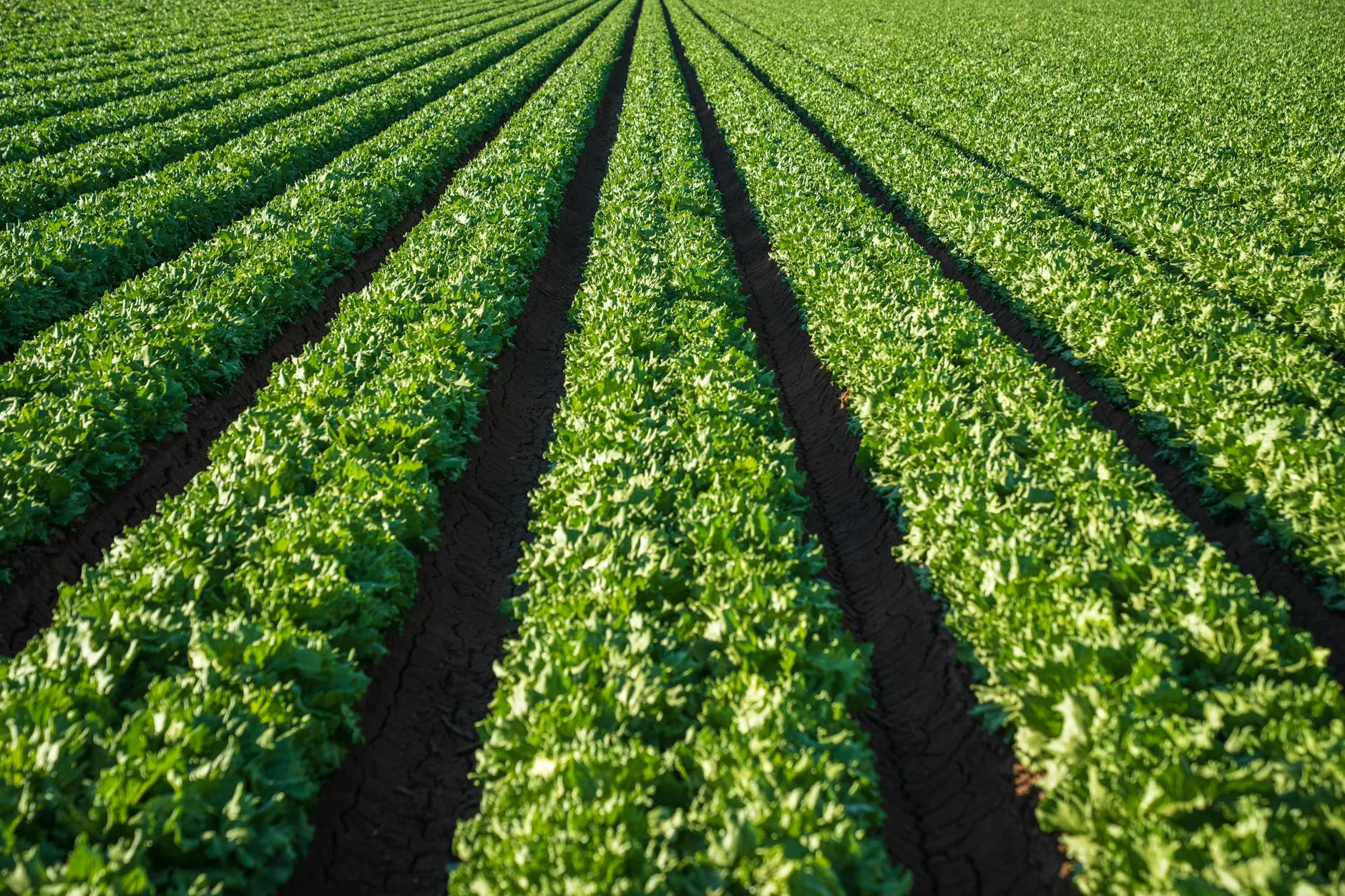
The simplest method. Scatter seeds thinly across prepared soil, rake in lightly, water gently. Works from March to October outdoors. Use a good quality compost if your soil is heavy clay.
Container Growing
Salad leaves have shallow roots and thrive in containers. Window boxes, troughs, grow bags, even old colanders work. Use multi-purpose compost, water daily in summer, feed fortnightly with liquid seaweed. Containers on a patio or balcony make succession sowing easy — just start a new pot every two weeks.
Raised Beds
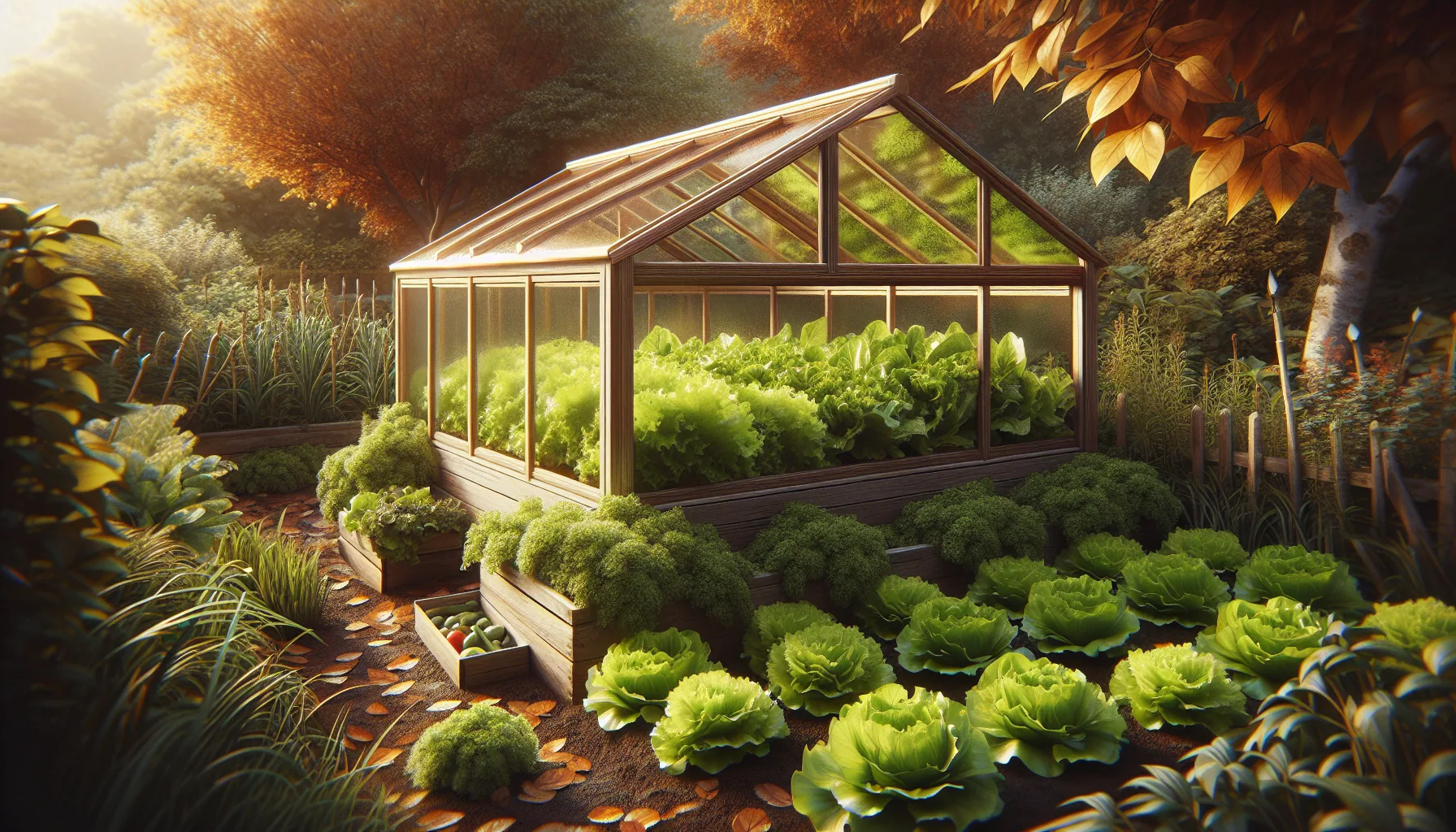
The ideal setup for serious year-round salad. Good drainage, easy to cover with cloches or fleece, no bending. A single 1.2m × 2.4m raised bed dedicated to salad leaves can keep a family of four supplied most of the year. Our raised bed layout guide shows how to organise plantings.
Indoor Growing
Windowsill growing works year-round for microgreens and small lettuces. South or west-facing windows give the best light. In winter, growth is slower but still viable. LED grow lights (about £20-30 for a basic panel from Amazon UK) extend your options if natural light is limited.
Common Problems and How to Fix Them
Slugs and Snails
The number one killer of salad leaves. They love the tender growth and moist conditions that salad plants need.
- Beer traps work but need emptying regularly
- Copper tape around raised beds or containers provides a barrier
- Nematode treatments (Nemaslug) are effective and organic
- Evening patrols with a torch and a bucket — the most reliable method of all
- Grow above ground — containers on tables or hanging baskets avoid ground-level slug access
Bolting
Covered in the summer section, but it’s worth repeating: choose bolt-resistant varieties, provide shade in summer, water consistently, and don’t let plants sit in the same position for too long.
Poor Germination
Usually caused by sowing too deep (salad seeds need light to germinate — barely cover them), letting the surface dry out before germination, or sowing in soil that’s too cold (below 5°C for most varieties).
Aphids
Greenfly love lettuce. Blast them off with a hose, introduce ladybird larvae, or spray with diluted washing-up liquid (a teaspoon per litre of water). Don’t use systemic pesticides on food crops — the RHS covers pest prevention methods for edible gardens.
Bitter Leaves
Bitterness in lettuce usually means the plant is bolting, stressed by heat, or too old. Harvest younger, water more, and replace bolted plants promptly. Some varieties (endive, chicory, radicchio) are naturally bitter — blanch them under a pot for a few days before harvest to reduce this.
Harvesting for Continuous Supply
The Cut-and-Come-Again Technique
This is the single most important skill for year-round salad.
- Let the plant grow to about 10-15cm tall
- Cut the outer leaves about 2-3cm above the base, using clean scissors
- Leave the central growing point untouched
- Water and feed after cutting
- New leaves appear within a week or two
- Repeat up to five or six times per plant
When to Harvest
Morning is ideal — leaves are turgid and crisp from overnight moisture. Afternoon leaves wilt faster. If you can’t harvest in the morning, water the plants an hour before cutting and they’ll firm up.
How to Store Home-Grown Salad
Freshly cut leaves last much longer than supermarket bags because they haven’t been through cold chain transport, gas flushing, and days on a shelf.
- Rinse gently in cold water to remove any soil or insects
- Spin dry in a salad spinner or shake in a clean tea towel
- Store in a container lined with kitchen paper — absorbs excess moisture
- Refrigerate — keeps for 5-7 days easily, often longer
- Don’t wash until ready to use if you want maximum shelf life
Frequently Asked Questions
Can I grow salad on a north-facing balcony? Yes, but your options narrow. Lettuces that tolerate partial shade — lamb’s lettuce, mizuna, and land cress — work best. Avoid sun-loving varieties like basil. Growth will be slower, so extend your succession sowing intervals. In winter, a north-facing spot gets very little light, so switch to indoor microgreens from November to February.
How often should I sow for continuous supply? Every 2-3 weeks from March to September. In practice, sowing a small pinch of seeds into a fresh pot or section of bed fortnightly keeps a steady supply. In winter, you won’t be sowing — you’ll be harvesting from autumn sowings and growing microgreens indoors.
Do I need to buy compost or can I use garden soil? For containers, use multi-purpose compost — garden soil compacts in pots, drains poorly, and may contain weed seeds or pests. For raised beds and open ground, your existing soil is usually fine if you add some homemade compost or well-rotted manure. Our starting composting guide covers making your own.
What’s the cheapest way to start? A packet of mixed salad seeds (about £2.50), an old washing-up bowl with drainage holes, and multi-purpose compost (about £4 for 40 litres). Total cost: under £7. That gives you months of salad from a single container on your doorstep.
Will salad leaves survive a hard frost? Most standard lettuce varieties die at around -3 to -5°C. But lamb’s lettuce, land cress, and winter purslane survive hard frosts down to -10°C or colder. Under a cloche or cold frame, even regular lettuces survive mild frosts. The biggest winter threat isn’t cold — it’s waterlogging and rot from sitting in wet soil.