One chilly November evening, the basil on a kitchen windowsill can go from useful to limp almost overnight. The supermarket pot that looked full on Friday is bare by Sunday, and fresh herbs suddenly feel like a summer luxury. Learning how to grow herbs indoors year round is really about controlling light, watering and harvesting so the plants keep producing through dark UK months.
If indoor herbs go well, the next easy steps are growing microgreens at home and choosing decent seed trays and propagators so small-space growing stays tidy.
In This Article
- Choosing the Right Herbs for Indoor Growing
- Setting Up Your Indoor Herb Space
- Lighting, Heating and Humidity Control
- Watering and Feeding Herbs Indoors
- Indoor Herb Maintenance and Pruning
- Common Problems and How to Prevent Them
- Harvesting and Using Your Herbs All Year
- Fine-Tuning Moisture and Feeding
- Sustaining Year-Round Indoor Growth
- Frequently Asked Questions
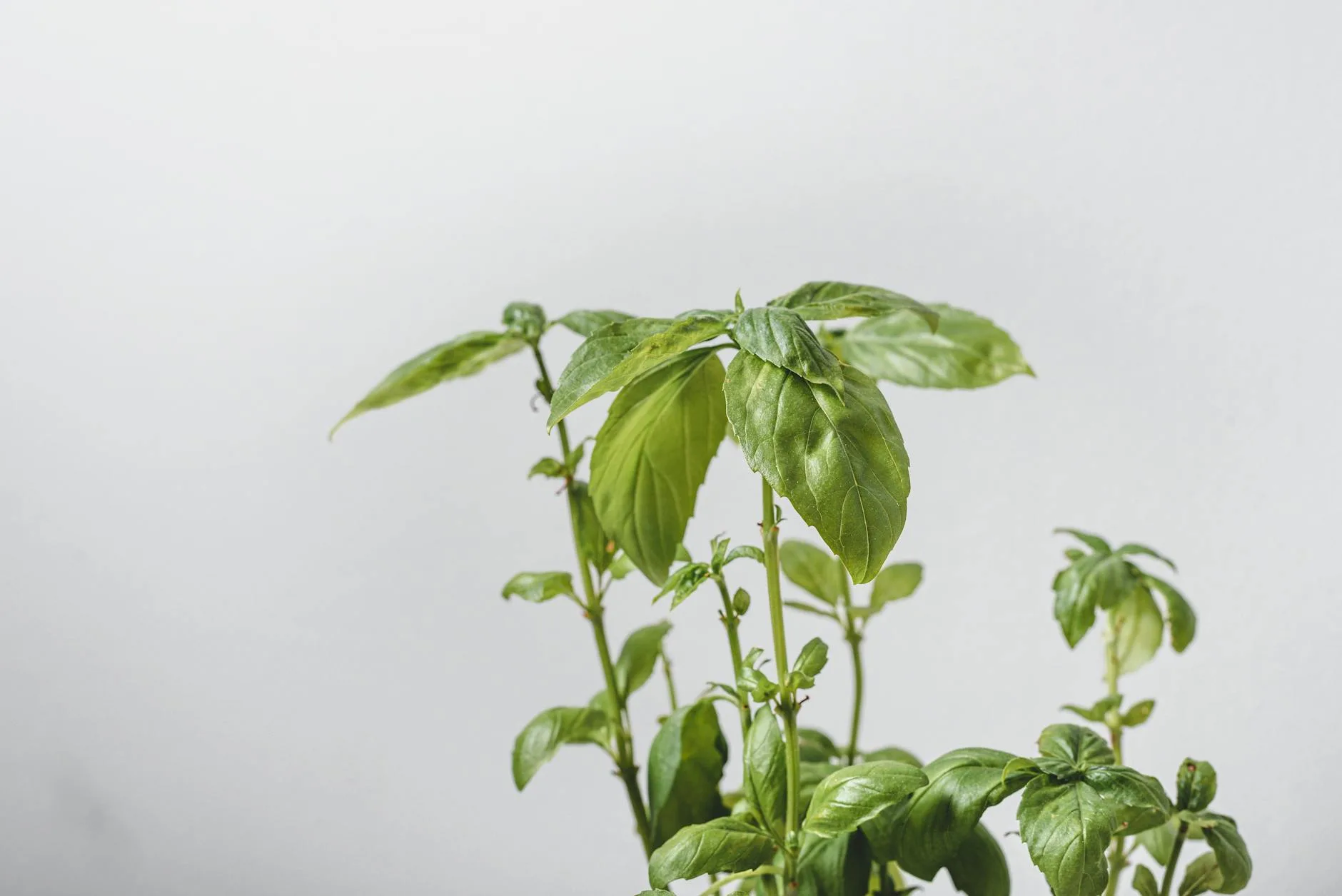
Choosing the Right Herbs for Indoor Growing
For a reliable starting shortlist, cross-check your choices against the RHS herb growing advice. It is especially useful on herbs that behave differently in UK winters, such as basil needing warmth while mint, thyme, chives and parsley are more forgiving if light and watering are right.
Not every herb will thrive indoors, but many will adapt if conditions are pleasant. Soft-stemmed herbs with quick regrowth, such as basil, chives, coriander, parsley, thyme and mint, tend to do especially well indoors. Slower woody herbs such as rosemary and sage prefer stronger light and good airflow, yet can still succeed if placed close to a bright, unshaded window or under artificial growing lights.
Consider frequency of use. If you often reach for mint for tea or parsley for cooking, those are worth giving good spots. Grow what you’ll actually cut regularly, since steady harvesting encourages healthy regrowth.
Some pairings that seem to get along well include:
- Basil and parsley near the same light source—they share moisture needs.
- Rosemary and thyme in a drier potting mix on a higher shelf.
- Mint kept isolated, either on a separate rack or in an individual pot, as it quickly sends out runners.
The RHS herb growing advice is an excellent reference if you’re uncertain about individual plant needs.
Setting Up Your Indoor Herb Space
Think of indoor herbs as a mini ecosystem. Consistency in light, temperature and airflow matters. You don’t need a dedicated greenhouse—good placement and tools will do.
Choosing Containers
Pots with drainage holes are non-negotiable. Ceramic or plastic retain water evenly, while terracotta dries faster and helps aerate mix for drought-loving plants. Larger pots (12–15 cm diameter) give basil and parsley space to develop full root systems, while smaller ones (8–10 cm) restrain herbs like thyme that prefer tighter quarters.
Before potting up:
- Add crocks or gravel at the bottom for drainage.
- Fill with a peat-free, multi-purpose compost mixed with perlite for aeration.
- Leave about 2cm below the rim to avoid spillage when watering.
Repot herbs twice yearly if roots circle the base. Compost amendments like worm castings available at UK garden centres such as B&Q or Wilko improve texture without synthetic additives.
Positioning Matters
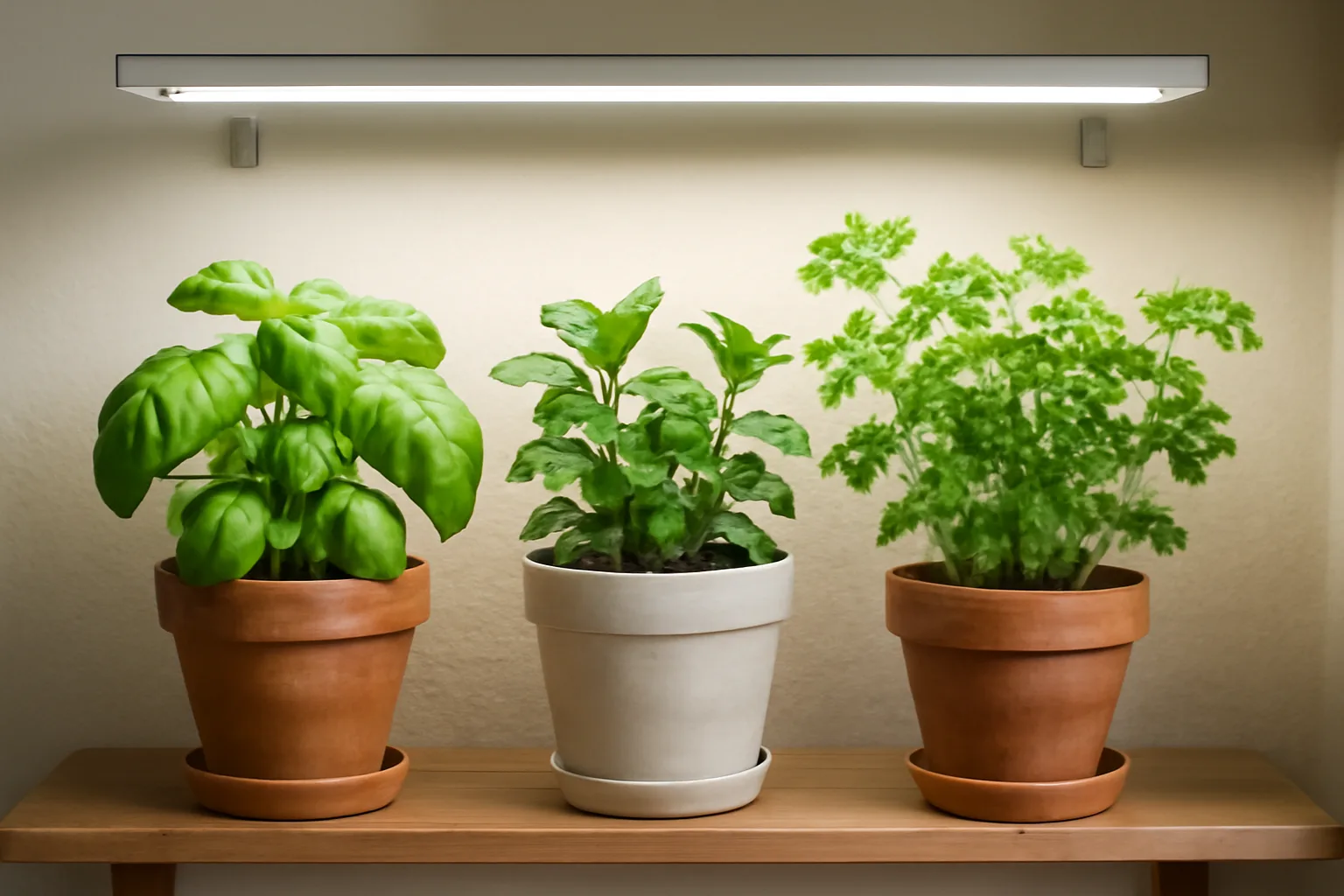
The best indoor herb setups usually start on wide south- or west-facing windowsills. If natural light is limited, a shelf fitted with LED grow lights on a timer solves the issue. Keep them switched on for roughly 12–14 hours a day during short winter days.
Keep herbs off direct radiators and away from cold drafts. Even in the UK’s variable winter, stable room temperature of 18–21°C keeps foliage lush.
If you already follow projects such as Growing Fruit in Containers: What Works Best, you’ll recognise the importance of microclimates—small positioning tweaks can make noticeable improvements.
Lighting, Heating and Humidity Control
Light may be the limiting factor during darker months. Full-spectrum LED lights help when winter daylight is weak. Clip-on fittings are useful because you can move the light as the plants grow. Full-spectrum lamps balanced at 4000–6500K mimic midday sunlight. When setting up in older UK properties with smaller sash windows, use reflective surfaces (like a white tile placed behind pots) to bounce additional light.
For herbs like basil, warmer conditions (around 22°C) and consistent humidity keep foliage tender. Rosemary prefers nearer 18°C with some airflow. A small oscillating fan on a timer encourages stem strength and deters mildew. In cold northern regions, low-cost thermostatic heat mats can stabilise root warmth, which can keep basil and coriander moving even in January.
To manage humidity:
- Group pots to create a mild microclimate.
- Keep a tray with water and pebbles nearby.
- Mist gently every few days if indoor air is dry.
Checking the plants regularly makes the difference—if leaves yellow or drop prematurely, light or moisture imbalance is usually at fault.
Watering and Feeding Herbs Indoors
Watering Practices
The golden rule: water when the top 2 cm of soil feels dry. Fixed schedules risk waterlogging, so rely on touch. Some British growers use moisture meters to track this precisely—these simple probes are inexpensive and prevent guesswork.
Numbered method that works:
- Check topsoil with a finger or meter.
- Water thoroughly until liquid drains from the base holes.
- Empty saucers after 20 minutes to deter rot.
Filtered water helps where tap supply is extremely hard, as in Essex or Kent. Avoid water standing in saucers—especially parsley and coriander, which dislike waterlogging. In drier homes with underfloor heating, adding plastic pot liners reduces excessive evaporation.
Feeding for Vigorous Growth
A mild liquid fertiliser every two weeks in spring and summer works wonders. During darker months, reduce to once a month. Overfeeding produces lush but weak tissue, inviting aphids.
Use organic feeds such as seaweed extract or compost tea. In Midlands garden centres, concentrated seaweed formulations are often stocked in refillable pouches, avoiding plastic waste. These not only add nutrients but support steady leaf growth.
If you rely on hydroponic kits, add nutrient solution at manufacturer-specified doses—UK standards list EC level around 1.2–1.6 for herbs like basil.
Indoor Herb Maintenance and Pruning
Regular pruning keeps indoor herbs compact and healthy. Trim above leaf nodes. Never hack halfway down.
- For basil: pinch off top pairs once it reaches 20 cm tall.
- For mint: cut back older stems to promote new ones.
- For thyme and oregano: trim lightly to prevent woody stems.
Discard or compost tired leaves to avoid decay and pests. Weekly checks reveal spider mites early—tiny speckles often seen on undersides.
Check plant responses weekly, not every few hours. Too much fiddling does more harm than good. Once you recognise the patterns, pruning feels much easier. If you also grow indoor edibles, our salad leaves year-round guide uses similar light and watering checks, so the routine is easier to remember. If you are choosing packets for small indoor pots, our guide to the best UK seed companies is a useful next stop.
Common Problems and How to Prevent Them
Every indoor grower deals with setbacks. Catch problems early. Slight droop or discoloured leaves usually tell you something is off before the plant collapses.
Yellow Leaves
Typically overwatering or poor drainage. Replace soggy compost, elevate pots for airflow, and clear blocked drainage.
Pale, Leggy Growth
Caused by dim light or excessive nitrogen. Raise lamps or rotate regularly. With less feeding, colour returns.
Pests and Mould
Aphids, spider mites, and whitefly appear mostly in centrally heated homes. Wiping leaves with mild soapy water or applying organic sprays resolves outbreaks. Maintaining airflow and spacing reduces mildew formation. Some gardeners note companion planting basil near parsley can deter aphids naturally.
Small setup changes often solve repeated problems. A pot moved 10cm closer to the window, or away from a radiator, can be enough.
Harvesting and Using Your Herbs All Year
Harvest regularly once plants are well rooted. Snipping encourages constant regrowth. Avoid taking more than a third at a time.
Consecutive Harvest Routine
- Choose fresh shoots with growth points.
- Cut with clean scissors; avoid tearing stems.
- Rinse gently, pat dry, store wrapped in damp tissue.
Freeze surplus herbs in ice trays with oil or butter. Dry woody herbs like rosemary by hanging them upside down in warm ventilation. Label containers with harvest dates—older dried herbs lose oils after six months.
Throughout the year, keep sowing anew. Coriander and basil germinate quickly in heated propagators. In cooler Scottish flats, pre-germinating on damp kitchen towel before planting boosts success. Regular reseeding ensures rotation and avoids pest build-up. Kitchen bouquet aside, indoor herbs lift flavour—mint for Moroccan teas, parsley for stews, and thyme for roasts—all grown a few steps from the stove.
Within the UK’s unpredictable climate, learning to grow herbs indoors year round means you are not relying on overpriced supermarket bunches. It brings greenery and fragrance into your living space, and turns a small corner of the kitchen into something useful.
Fine-Tuning Moisture and Feeding
Keeping consistent moisture levels is key if you want to grow herbs indoors year round. Many people either drown or dehydrate their plants, so careful observation beats routine schedules.
Understanding Water Needs
Each herb evolved from different environments, and those origins influence how you should water them. Basil, for instance, prefers evenly moist compost but hates standing water. Water from the base until you see moisture appearing at the surface, then let it drain. In contrast, thyme, sage and rosemary thrive with slightly drier conditions. Let the top centimetre of compost dry out before watering again.
In a UK household, central heating often dries the air in winter. This means the top layer of soil can feel dry while the deeper layer is damp. Slip a finger into the compost; if it feels cool and only slightly moist, hold back a day or two. For those with a lot of herbs, moisture meters available from UK garden suppliers like Dobbies or Homebase can help provide consistency.
A simple trick: lift the pot before watering. A light pot signals it’s time for hydration; a heavy one can wait. Always empty saucers after watering to prevent root rot.
Feeding for Ongoing Growth
Indoor herbs grown in containers rely entirely on the nutrients you provide. Their limited soil supply means that, after around six weeks, most composts start losing fertility. A liquid seaweed feed or organic fertiliser rich in nitrogen supports leaf growth. Dilute to half strength every two to three weeks during active growth phases (March to October). During darker winter months, reduce feeding frequency because growth naturally slows.
If using supermarket herb pots, repot them soon after purchase. The original compost is typically packed for short-term sale, not sustained growth. Transfer to fresh peat-free compost mixed with perlite, then feed after two weeks of adjustment.
A cautionary tip: avoid overfeeding. Too much nitrogen produces floppy, flavour-light herbs. Balanced regimes sustain aroma and sturdy growth.
Avoiding Water-Related Problems
Brittle leaves often mean dehydration, while blackened roots signal overwatering. Drainage holes remain the best defence, but you can also elevate pots slightly using cork coasters or mesh trays to encourage air circulation beneath containers. If fungal gnats appear, let the surface dry more frequently and add a thin layer of fine grit on top of the compost. A handheld vacuum used carefully near the soil can remove adult fungus gnats before they breed.
Sustaining Year-Round Indoor Growth
To maintain production throughout the seasons, consistency and observation matter most. The British climate shifts humidity and temperature even indoors, so adapt methods month by month.
Adapting to Seasonal Changes
During long summer days, herbs positioned on bright windowsills may suffer from intense midday sun, especially behind double-glazed glass. Move them slightly back from the window or diffuse light with a sheer curtain. Come November, extend artificial lighting hours and adjust positions to catch limited sunshine angles.
In typical UK homes, unheated conservatories can dip below 10°C overnight in winter. This might cause frost damage or leaf drop. Relocate cold-sensitive herbs such as basil and coriander into the warmer kitchen or living room. Meanwhile, hardy thyme, parsley and chervil can tolerate cooler corners or porch windowsills.
For holiday periods or absences, consider using capillary matting or a self-watering insert system, both available from UK online garden outlets. These low-cost aids maintain steady moisture for up to a week.
Maximising Airflow and Preventing Pests
Poor airflow encourages mildew, aphids or whitefly. Make use of a small desktop fan to move air gently for a couple of hours daily. Alternatively, open a vent window briefly even in colder weather to refresh air. Keep foliage clean using a soft cloth dampened with water—dust can block light absorption over time.
Occasional pest appearances are normal when you grow herbs indoors year round. Inspect leaf undersides weekly, especially if you introduce new plants from garden centres. Isolate newcomers for a fortnight. For small infestations, wipe leaves with mild, soapy water; for larger outbreaks, use a homemade spray of water mixed with a few drops of neem oil or insecticidal soap approved for kitchen edibles. Avoid harsh chemicals indoors where you handle food crops.
Extending Growth and Propagation
To keep your indoor collection productive, renew plants periodically. Woody herbs like rosemary or thyme lose vigour after two years. Take cuttings in spring: trim 8–10 cm stems, strip the lower leaves, and root them in small pots filled with moist, sandy compost. Cover loosely with a clear food bag to hold humidity until new roots form.
Soft herbs such as basil and mint respond well to regular pinching. Cut stems just above a leaf pair every couple of weeks, encouraging side shoots and compact shape. Never remove more than a third of growth at one time or plants may stall.
For winter sowings, a heated propagator placed under LED light can accelerate germination even in short daylight. In the UK, plug-in propagator mats available at garden retailers like Thompson & Morgan or Suttons Seeds are useful for early-year seedlings before daylight extends.
Practical Example of Year-Round Supply
Imagine you’re maintaining three small windowsill trays across the year:
- Tray One: Basil, coriander, and parsley for quick kitchen access. Each receives daily morning light under a clip-on LED and watering every few days.
- Tray Two: Thyme and rosemary near a west-facing window, watered sparingly, fed every month.
- Tray Three: Mint isolated on its own, trimmed weekly for tea or desserts, and repotted each spring.
By rotating or replacing individual varieties every few months, there’s always something fresh available. Even in the shorter British winter, a small, healthy selection is enough to keep cooking with fresh herbs while it is miserable outside.
Common Mistakes to Avoid
One frequent error is giving up when herbs appear leggy during winter. This rarely means failure—simply cut back to stimulate new growth and increase light exposure. Another misstep is assuming all herbs enjoy the same conditions. Grouping them incorrectly often leads to frustration; match plants with similar moisture and light needs instead.
Patience pays off. Over time you’ll recognise the subtle signs—fragrance, texture, growth rate—that tell you conditions are correct. With practice, it becomes second nature to adjust watering, feeding and light for the changing UK seasons.
The reward is continuous, scented greenery for the kitchen, with small adjustments across the year keeping indoor herbs productive from January through December.
Frequently Asked Questions
How can I ensure enough light for herbs in midwinter? Use full-spectrum LED grow lights on timers for 12–14 hours daily if windowsills are shaded.
Why are my herbs turning yellow? Usually overwatering or poor drainage is to blame. Let soil dry slightly and ensure adequate airflow.
Which herbs cope best indoors during winter? Chives, parsley, basil, mint and thyme adapt most readily to indoor conditions with stable warmth and humidity.
Can I use garden soil for indoor herbs? Avoid heavy garden soil. Use peat-free compost mixed with perlite for balance between drainage and moisture.
How long do indoor herbs last? Annuals like basil last a season; perennials such as thyme or rosemary can live years with pruning and fresh repotting.
Should I supplement with fertiliser all year? Yes, but lightly. Reduce feeding frequency in darker months to avoid leggy growth.