Succession planting is how you stop a vegetable bed giving you twelve lettuces in one week and nothing useful for the next month. The idea is simple: sow small amounts often, replace finished crops quickly, and match each gap to the next crop that still has enough season left. A good succession planting guide UK growers can use has to deal with frost, short summers, slug pressure and the awkward bit where every seed packet makes it sound easier than it is.
In This Article
- Start With a Succession Planting Guide UK Gardeners Can Actually Use
- Choose Crops That Suit Succession Sowing
- Build a Simple Sowing Calendar
- Use Space Without Exhausting the Soil
- Keep Seedlings Ready Before Gaps Open
- Extend the Harvest Into Autumn and Winter
- What I Would Buy for Succession Planting
- Frequently Asked Questions
Start With a Succession Planting Guide UK Gardeners Can Actually Use
Succession planting is not about cramming every bare patch with random seeds. It is planned turnover. You sow a crop, harvest it, clear it, feed the soil if needed, then plant the next crop at the right stage.
The best version feels calm. A row of radishes comes out and a tray of lettuce plugs goes in. Early potatoes lift in July and dwarf French beans take the space. Spring spinach bolts, so you clear it before it sulks and replace it with beetroot or salad leaves. That is succession planting working properly.
The three types of succession
There are three useful patterns:
- Staggered sowing: sowing the same crop every two or three weeks so harvests arrive in waves.
- Follow-on cropping: replacing a finished crop with a different one that suits the remaining season.
- Interplanting: growing a quick crop between slower crops while there is still space and light.
Most UK gardens use all three. You might sow carrots in two batches, follow early peas with kale, and tuck spring onions between young cabbages. The trick is not doing everything at once because enthusiasm in April can become compost-bin regret in June.
The RHS guide to successional sowing backs the same principle: repeat sowing and planned replacement help spread harvests rather than creating one big glut. In a small garden, that matters more than chasing maximum yield on paper.
Why UK timing is different
British weather makes succession planting both useful and slightly annoying. Spring soil warms slowly. July can be bone dry or oddly grey. Autumn crops need enough growth before light levels drop. A plan that works in a long, hot climate will not transfer neatly to a raised bed in Oxfordshire, Yorkshire or Glasgow.
That is why dates should be treated as windows, not orders. Soil temperature, daylight and local frost risk matter. If a bed is cold and claggy in March, wait. If September is mild, you may squeeze in spinach, rocket or winter lettuce under fleece.
Choose Crops That Suit Succession Sowing
Some crops are made for succession planting. Others are better grown as one or two planned batches. Start with crops that mature quickly, tolerate repeat sowing, and give you enough value for the space.
Easy repeat-sowing crops
The easiest crops for beginners are:
- Radishes: fast, cheap seed, usually ready in four to six weeks.
- Salad leaves: cut-and-come-again mixes, rocket, lettuce and mustard leaves.
- Spring onions: slow to bulk up, but useful when sown in small repeat batches.
- Beetroot: good from spring into summer, with baby roots harvested earlier.
- Carrots: better in two or three careful sowings than one giant row.
- Coriander and dill: prone to bolting, so small repeat sowings beat one hopeful pot.
Seed packets are usually £2-£4 each from Suttons, Thompson & Morgan, Mr Fothergill’s, Sarah Raven, garden centres or supermarkets. For succession sowing, choose one or two reliable varieties first. Ten half-used packets are not a plan. They are a drawer with marketing on it.
If you are new to veg growing, pair this article with our guide to best vegetables for beginners. The most useful succession crops are often the same crops beginners can grow without needing a greenhouse, heated propagator or monk-like patience.
Crops to treat more carefully
Courgettes, tomatoes, potatoes, onions, garlic and maincrop brassicas do not usually need repeat sowing every fortnight. They take longer, use more space, or have a fixed seasonal slot. You can still plan follow-on crops around them, but do not expect them to behave like radishes.
Courgettes are a good example. One healthy plant can produce more than enough for a small household, so repeat sowing is usually pointless. Instead, use the space before or after the courgette season. Our courgette growing guide covers the crop itself; the succession decision is what goes around it.
The crops I would prioritise
For a small UK raised bed, I would focus on salad leaves, beetroot, spring onions, dwarf French beans, spinach, radish and kale. They give different harvest windows and do not all demand the same soil or support.
For an allotment, add early potatoes, peas, leeks, winter brassicas and overwintering onions. You have more room to hold crops for longer, but the same rule applies: sow what you can harvest, not what looks heroic on a spreadsheet.
Build a Simple Sowing Calendar
Succession planting works best when you keep the calendar rough but visible. A notebook is fine. A wall planner is fine. A spreadsheet is fine if you are that person. No judgement, as long as it stops you sowing three months of lettuce in one afternoon.
Spring
From March to May, the job is to get early crops going without pretending it is summer. Start hardy crops under cover or in modules if your soil is cold. Salad leaves, spinach, radish, spring onions, beetroot and early peas are good candidates.
Useful spring buys include seed trays at about £3-£8, a bag of peat-free seed compost at about £6-£10, and plant labels at about £3-£6. A windowsill propagator is often £8-£20. Heated propagators cost more, usually £35-£80, and are helpful for chillies and tomatoes but not necessary for basic succession planting.
Early summer
June is where the system starts paying you back. Early radishes and salads clear. Peas may finish. Spring spinach may bolt. These gaps are ideal for beetroot, dwarf beans, lettuce, chard, carrots or a second wave of herbs.
Do not wait until the bed is empty before sowing the next crop. Have modules ready. If you lift early potatoes and then start thinking about beans, you have lost two or three useful weeks.
Late summer
July and August are for second chances, but not fantasy ones. Sow salad leaves, beetroot for baby roots, spring onions, spinach, pak choi, turnips and quick carrots where conditions allow. Watering matters more now because dry compost and hot soil can ruin germination.
The RHS has a useful wider vegetable growing advice hub if you want crop-specific timing alongside your own local notes. I would still write down what worked in your garden because one sheltered town garden can be two weeks ahead of an exposed allotment.
Autumn
By September and October, think protection and hardiness. Sow winter lettuce, spinach and hardy salad leaves under fleece or cloches. Plant overwintering onions and garlic if they fit your rotation. Move away from quick summer crops and towards crops that can sit through cold weather.
This is where our month-by-month allotment planting guide is useful as a companion. Succession planting gives you the method; a month-by-month guide helps sanity-check the timing.
Use Space Without Exhausting the Soil
Continuous harvest does not mean asking the same square metre of soil to perform miracles from March to November. Crops remove nutrients, roots disturb structure, and watering patterns change through the year. If the soil gets tired, the second and third crops will tell you.
Feed between hungry crops
Leafy crops and quick roots do not need the same feeding as squash, potatoes or brassicas. After a light salad crop, you may only need to rake level and replant. After potatoes, courgettes or heavy-feeding brassicas, add compost before the next crop.
Budget about £6-£10 for a 40-litre bag of peat-free multi-purpose compost, or £8-£14 for a richer soil improver from B&Q, Wickes, garden centres or local compost suppliers. Homemade compost is cheaper if you have it, though it is rarely enough on its own for a whole season of intensive planting.
Our guide to how to start composting is worth reading if you want succession planting to cost less over time. Bought compost gets expensive when every gap in the bed needs a refresh.
Do not ignore rotation
Rotation still matters. If you pull summer beetroot, avoid putting more beetroot or chard in the same spot every time. If a brassica bed had kale, do not keep following it with pak choi and cabbage because the bed happens to be free.
You do not need a complicated chart for a small garden, but avoid repeating the same crop family in the same spot again and again. Our simple four-year crop rotation plan gives the bigger structure. Succession planting sits inside that structure.
Use realistic spacing
Interplanting can be brilliant, but only while there is light and airflow. A few radishes between young cabbages makes sense. A full row of lettuce under mature courgettes does not. The leaves will sulk, slugs will hold a conference, and you will pretend not to see it for a week.
For raised beds, link succession planning to layout. Paths, bed width and access decide how easy it is to clear and replant quickly. If your bed setup is still flexible, our raised bed vegetable garden layout guide will save you a lot of awkward reaching.

Keep Seedlings Ready Before Gaps Open
The smoothest succession planting happens away from the main bed. You raise seedlings in modules while another crop finishes, then transplant them as soon as the space opens.
Modules beat panic sowing
Module trays cost about £4-£12 each, depending on cell count and quality. Cheap thin trays work for a season or two. Sturdier Charles Dowding-style trays cost more, often £12-£25, but last longer and make transplanting easier.
For lettuce, beetroot, spring onions, chard, kale and many brassicas, modules are excellent. You can keep a small nursery area on a bench, windowsill, cold frame or greenhouse shelf. That gives you options when a row suddenly clears.
Our seed trays and propagators guide covers the buying side in more detail. For succession planting, I would rather have three sturdy module trays than one gadget that promises perfect germination but takes up half the shed.
Label properly
Labels sound trivial until you have six trays of green seedlings and no memory of what optimism did three weeks ago. Use pencil on plastic labels, wooden labels, masking tape, or a waterproof marker. A pack of labels is about £3-£6.
Write the crop and sowing date. Variety is useful too, but the date matters most for succession planning. It tells you whether a tray is ready, late, or a lost cause.
Harden off without drama
Seedlings raised under cover need hardening off before they go outside full time. Put them outside in the day, bring them back in at night, and build up exposure over about a week. In spring, fleece is useful if nights turn cold.
Garden fleece costs roughly £5-£15 depending on size and thickness. It is not glamorous kit, but it rescues more succession plans than most tools. Buy pegs or hoops too, otherwise the first windy night will relocate it to next door.
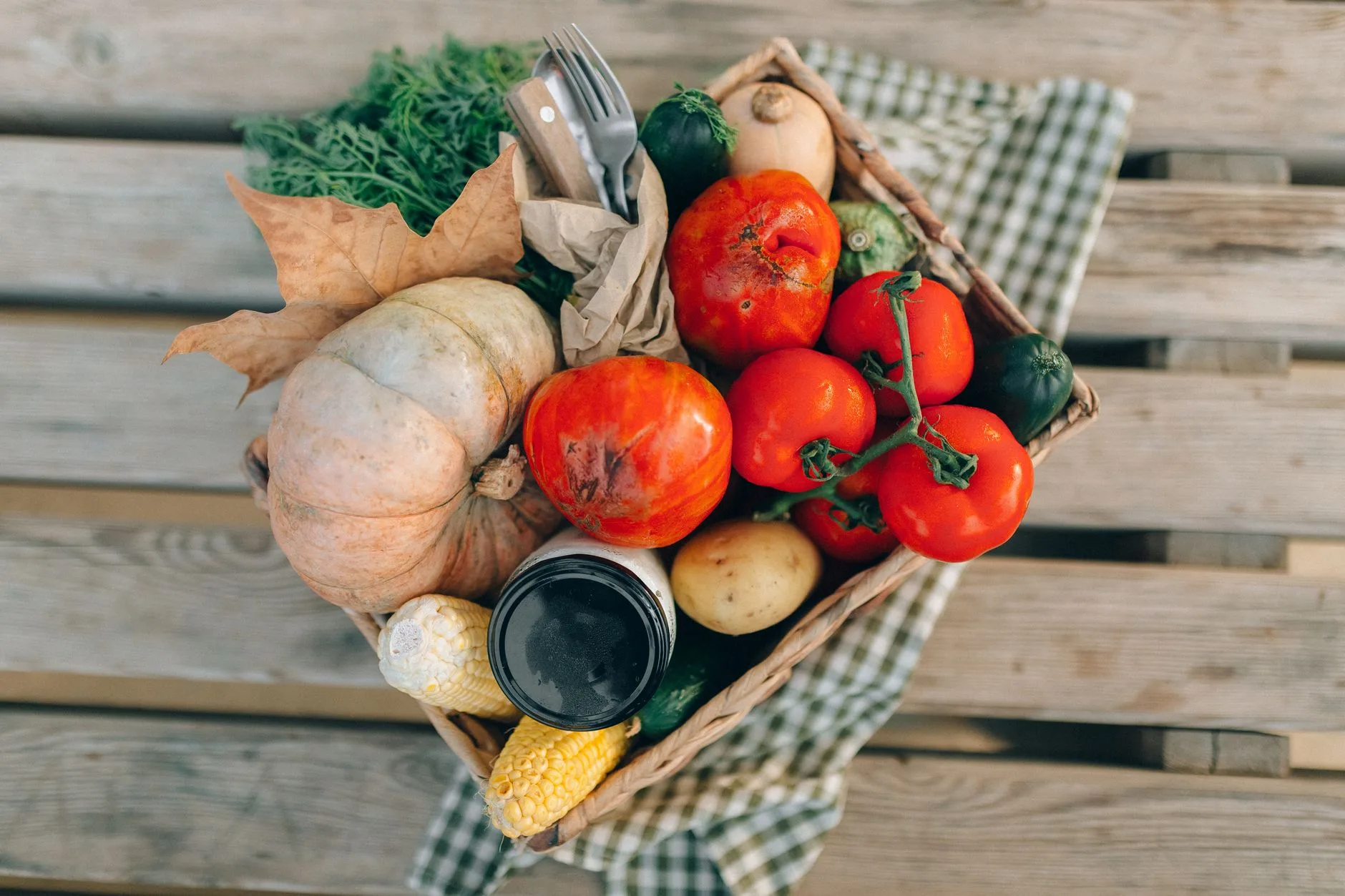
Extend the Harvest Into Autumn and Winter
Harvesting all season long does not mean picking tomatoes at Christmas. It means using hardy crops and protection so the garden still gives you useful food after the obvious summer crops fade.
Hardy crops worth growing
Good late-season options include kale, spinach, chard, winter lettuce, rocket, corn salad, spring onions, leeks, garlic and overwintering onions. Some are sown in late summer, some planted in autumn, and some simply stand in the ground until needed.
If you want year-round leaves, our guide to growing salad leaves year-round gives more detail. Salad is where succession planting feels most rewarding because you can harvest small amounts often instead of dealing with one giant lettuce avalanche.
Protection that earns its keep
Fleece, cloches and low tunnels make the biggest difference for autumn and winter cropping. Fleece is cheapest, usually £5-£15. Plastic cloches are often £8-£25. A small low tunnel kit can be £25-£60, depending on hoops and cover material.
Use protection to keep crops growing a little longer, reduce weather damage and shield seedlings from pests. Do not expect it to turn January into June. It buys margin, which is exactly what succession planting needs.
For spring and autumn protection options, our garden fleece and cloches guide is the better buying guide. Here, the main point is to protect the crops that are already timed well.
Accept the hungry gap
The UK hungry gap, usually around April and May, is real. Winter stores are running down and new spring crops are not quite ready. Succession planting can soften it with overwintered chard, kale, spring onions and salads under cover, but it will not erase it completely in a small garden.
That is fine. The goal is a steadier harvest, not perfection. A garden that gives you useful handfuls most weeks is better than one huge harvest photo followed by three empty beds.
What I Would Buy for Succession Planting
You can start succession planting with seeds, compost and a notebook. The kit should make timing easier, not turn the shed into a garden centre clearance shelf.
Budget setup: about £35-£60
Buy:
- Six to eight seed packets: £12-£28 total if you choose salad leaves, radish, beetroot, spring onions, spinach and herbs.
- Two module trays: £8-£20.
- Peat-free seed compost: £6-£10.
- Labels and pencil: £3-£6.
- Garden fleece: £5-£15.
That is enough for most small beds. You do not need a greenhouse before you understand your sowing rhythm.
Best-value setup: about £80-£140
Add better module trays, a cold frame or mini greenhouse, a watering can with a fine rose, and a roll of insect mesh if pigeons, flea beetle or cabbage white butterflies are a problem. A basic mini greenhouse is about £30-£70. Insect mesh is often £10-£25 for a small roll.
This is the setup I would choose for a serious small garden. It keeps seedlings moving and gives you enough protection to stretch the season without overspending.
Premium setup: about £180-£350
Spend more if you already know succession planting is part of your routine. A solid cold frame, durable trays, proper low tunnel hoops, quality fleece, insect mesh and a composting setup can justify the money. A timber cold frame can cost £80-£200, while metal hoops and covers vary from £30 to £100+ depending on size.
I would still avoid buying too much at once. Run one season with a notebook, labels and module trays. Your own failures will tell you what to buy next, which is annoying but cheaper than guessing.
Frequently Asked Questions
What is succession planting? Succession planting means sowing or planting crops in planned waves so one harvest follows another. In a UK garden, that usually means repeat sowing quick crops and replacing finished crops with something suited to the remaining season.
What are the best crops for succession planting in the UK? Salad leaves, radish, beetroot, spring onions, spinach, dwarf French beans, carrots, coriander, dill, kale and winter lettuce are strong choices. They either mature quickly, transplant well, or help extend the season.
How often should I sow for succession planting? For quick crops, sow every two to three weeks in small amounts. In hot or dry weather, slow down and check germination. For follow-on crops, raise seedlings in modules before the previous crop finishes.
Can I use succession planting in raised beds? Yes. Raised beds are ideal because they are easy to clear, refresh and replant. Keep the plan realistic, use compost between hungry crops, and avoid repeating the same crop family in the same spot too often.
Do I need a greenhouse for succession planting? No. A greenhouse helps, but module trays, a windowsill, fleece and a small cold frame can do plenty. Start with about £35-£60 of basic kit before spending on bigger structures.
Can succession planting give harvests all year? It can extend harvests across much of the year, especially with hardy crops and protection, but a small UK garden may still have a hungry gap in spring. Aim for steadier harvests rather than perfect year-round abundance.