You’re in B&Q on a Saturday morning, staring at a wall of forks and spades that all look roughly the same. Some cost £12, some cost £80, and the only visible difference is the colour of the handle. The cheap ones feel light in your hands — maybe too light. The expensive ones feel solid, but is that £80 actually buying you anything beyond a nicer label? And do you even need both, or can you get away with just one?
These two tools do more work than anything else in your shed — Which? tests garden spades and forks extensively for this reason, but most gardeners grab whatever’s cheapest and regret it within a season. A garden fork spade guide doesn’t need to be complicated — it comes down to what you’re digging, how often, and how much punishment your back can take. I’ve worn through budget spades in a single allotment season and I’ve used forged steel tools that are still going strong after years of clay soil abuse. The difference is real, and it shows up fast.
Why These Two Tools Matter More Than Any Others
Before you buy a single seed or bag of compost, you need something to turn the ground with. A fork and spade are the foundation of every garden task — from breaking new ground and mixing in organic matter to digging planting holes and edging beds. You can bodge most other jobs with improvised tools, but there’s no substitute for a decent fork and a reliable spade.
- A spade cuts, slices, and shifts soil. It’s your primary tool for digging holes, edging lawns, and transplanting
- A fork loosens, lifts, and breaks apart. It handles compacted ground, root vegetables, compost turning, and working organic matter into beds
- Together they cover roughly 80% of the physical work in any garden or allotment plot
If you’re working an allotment or maintaining borders in heavy clay — which covers most of England — you’ll use both weekly from March through to November. Buying well once saves you replacing cheap tools every couple of years.
Digging Fork vs Border Fork — What’s the Difference?
This trips people up because shops rarely explain it. There are two main fork types and they’re built for different jobs.
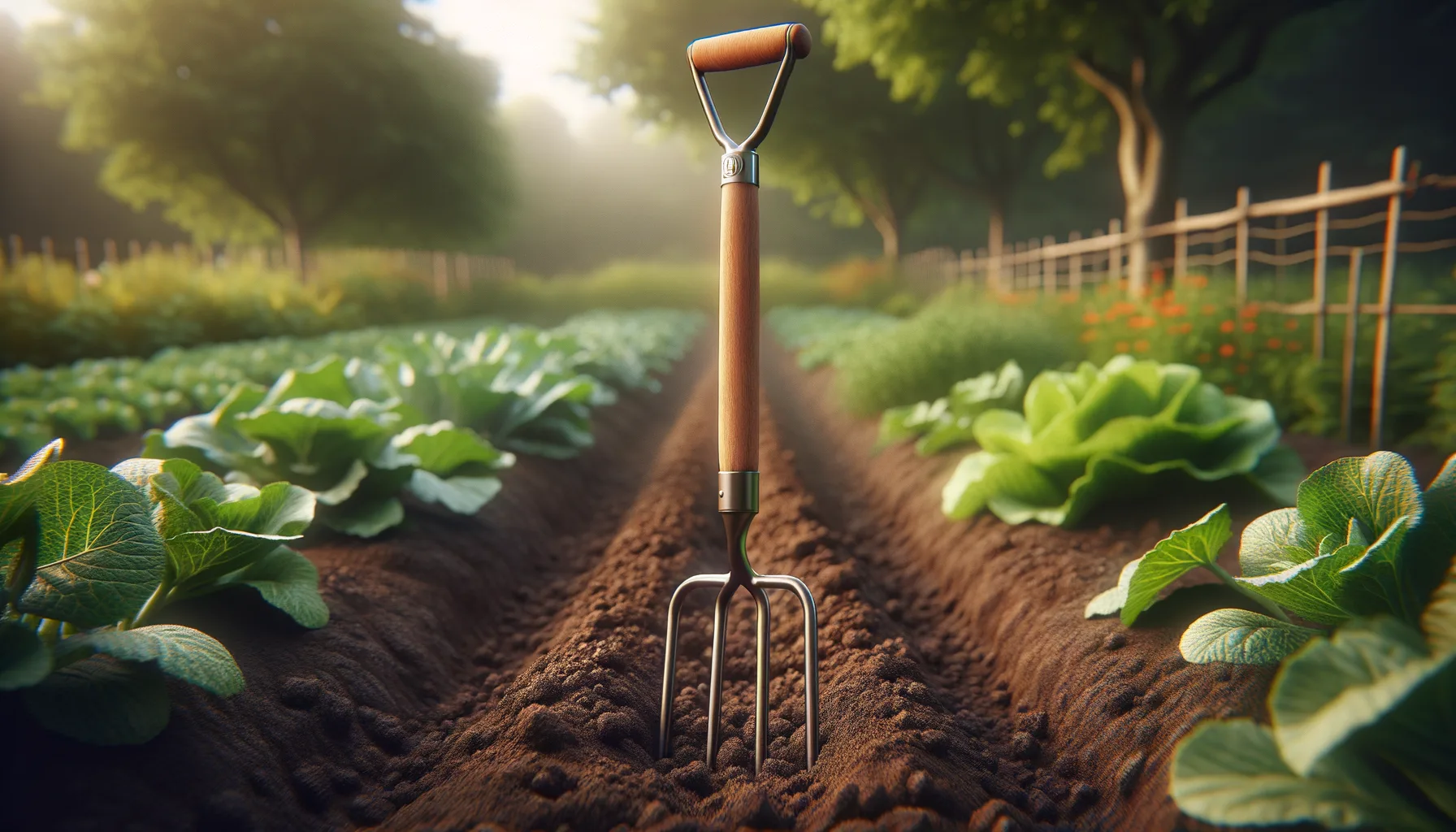
A digging fork has four flat or square-section tines, a full-size head (roughly 30cm long), and a standard-length shaft. This is the workhorse. It breaks up compacted soil, loosens clay, turns compost heaps, and lifts root crops like potatoes and parsnips without slicing through them the way a spade would. If you buy only one fork, this is the one.
A border fork is a scaled-down version — shorter tines, narrower head, lighter overall. It’s designed for working between established plants in tight spaces, like packed herbaceous borders or raised beds. Handy if you’ve got a lot of close planting, but it won’t handle heavy digging or a neglected allotment plot. Think of it as the precision version.
My advice: start with a digging fork. Add a border fork later if you find yourself constantly working around delicate plants. Most gardeners manage fine with just the full-size version. If you’re working raised beds, a border fork becomes more useful since the smaller head fits the confined space better.
Spade Types — Digging Spade, Border Spade, and Pointed Spades
Same logic applies here. A digging spade has a flat, rectangular blade about 28cm long and 19cm wide. This is your all-rounder — digging, edging, transplanting, cutting through turf. The flat edge gives clean lines when you’re creating or tidying bed edges.
A border spade is narrower and shorter in the blade, lighter to handle, and easier to manoeuvre in tight spots. Good for planting in established borders. Less effective for heavy digging because the smaller blade moves less soil per cut.
Pointed spades (sometimes called Irish or West Country patterns) have a slightly tapered blade. They cut into hard or stony ground more easily than flat blades. If your plot has particularly rocky soil or heavy clay, a pointed blade is worth considering — it needs less force to push in. For a related angle, see our Fleece and Cloches: Protecting Young Plants in Spring guide.
For most UK gardens, a standard digging spade is the right starting point. Border spades are a luxury, not a necessity, unless your entire garden is densely planted beds.
Head Materials — Carbon Steel, Stainless Steel, or Cheap Pressed Metal
The head material determines how long the tool lasts, how easily it cuts through soil, and how much maintenance it needs. This is where the price difference between a £12 spade and an £80 spade actually lives.
- Pressed/stamped steel — the budget option. Found on tools under £15. The metal is thin, bends under pressure, and the edges dull quickly. Fine for light work in sandy soil, but a season of clay will warp the blade or snap a tine. If you only garden occasionally in soft ground, you might get away with it
- Carbon steel (forged) — the professional standard. Thicker, harder, holds an edge well. Heavier than pressed steel, but the weight actually helps drive the tool into tough ground. Needs occasional oiling to prevent rust. Most tools in the £30-60 range use forged carbon steel, and it’s the sweet spot for serious gardeners
- Stainless steel — doesn’t rust, sheds clay soil easily (clay slides off the polished surface rather than sticking), and looks good for years. The trade-off is that stainless is softer than carbon steel, so edges dull faster and tines can bend under extreme force. Premium tools from Burgon & Ball or Spear & Jackson’s stainless range run £50-80 per tool
For allotment holders and anyone working clay, forged carbon steel wins on durability. Stainless steel wins on convenience — if you’re the type to leave tools out in the rain (no judgement, we’ve all been there), stainless forgives that treatment better.
Handle Materials and Shaft Design
The handle is the part you’ll actually hold for hours, and it’s responsible for most of the comfort — or discomfort — in use.
Hardwood (ash) is the traditional choice and still excellent. Ash absorbs shock well, which matters when you’re hitting stones or compacted clay. It flexes slightly under load rather than transmitting every impact straight into your wrists. A good ash handle lasts decades if you keep it dry and occasionally rub in linseed oil. Expect to find ash handles on tools from £25 upward.
Fibreglass (polypropylene-coated) shafts are lighter, won’t rot if left out, and are essentially maintenance-free. They transmit more vibration than wood, which you’ll notice after an hour of digging in stony soil. Mid-range tools from Wilkinson Sword and some Spear & Jackson models use fibreglass. Perfectly serviceable for weekend gardeners. Our How to Use a Garden Tiller guide is useful alongside this.
Steel shafts appear on some budget tools. They’re strong but heavy, cold in winter, and conduct every vibration straight into your hands. Avoid unless it’s a tool you’ll use rarely.
Shaft length matters more than most people realise. Standard length is about 72cm (shaft only, around 100cm total with head). If you’re over 180cm tall, a longer shaft saves your back — some manufacturers offer long-handled versions. Alternatively, tools with a T-grip or YD-grip let you apply downward force more comfortably than a simple stick end.
- T-grip — compact, good for control and precise work. Most common on spades
- D-grip — more comfortable for sustained digging, gives better leverage. Common on both forks and spades
- YD-grip — the most ergonomic option, feels natural in either hand. Found on premium tools from Burgon & Ball and similar makers
Try before you buy if possible. B&Q and garden centres let you pick tools up — hold the grip, mime a digging motion, check the balance feels right. Your hands will tell you which grip suits you.
The Socket vs Strapped Connection
This is the detail most buyers overlook, and it’s one of the biggest predictors of whether a tool survives heavy use.
The socket is the metal piece connecting the head to the shaft. On quality tools, the socket is forged as one piece with the head (solid socket construction). The shaft slides into the socket and is riveted or pinned in place. This design handles enormous lateral stress — the kind you apply when levering out roots or prying up stones.
Strapped construction uses a thinner metal strap that wraps partially up the shaft and is riveted on. Cheaper to manufacture, but weaker at the joint. The strap can bend away from the shaft under heavy levering. For independent guidance, check RHS gardening advice.
Tang construction (the cheapest) has a thin metal spike pushed into a hole in the shaft. These fail the fastest. You’ll feel the head wobble within months.
For any tool you plan to use regularly, insist on solid socket or long-strapped construction. It’s the difference between a tool that lasts three seasons and one that lasts thirty.
What to Spend — Budget, Mid-Range, and Premium Picks
Here’s where the opinions come in. I’ve used tools across every price range and the performance gap between budget and mid-range is massive, while the gap between mid-range and premium is mostly about longevity and finish.
Budget (under £20 per tool) — Spear & Jackson’s Neverbend range sits around £15-18 from Amazon UK or B&Q. Carbon steel heads with fibreglass handles. Perfectly adequate for a small garden with light soil. They won’t win any awards, but they do the job and they’re better than anything unbranded at that price. Avoid anything under £10 — the tang connections won’t survive real digging.
Mid-range (£25-45 per tool) — This is where I’d point most gardeners. The Spear & Jackson Traditional range (forged carbon steel, ash handles) runs about £25-35 per tool. Wilkinson Sword’s forged range is similar. Solid socket construction, proper hardwood shafts, tools that feel balanced in the hand. If you’re starting an allotment or doing a full garden overhaul, this tier gives you the best return on every pound spent.
Premium (£50-80+ per tool) — Burgon & Ball’s RHS-endorsed range is around £55-70 per tool from John Lewis or direct. Beautiful stainless steel heads, FSC ash handles, outstanding balance. Sneeboer tools from the Netherlands are the Rolls-Royce at £80-120 per tool, stocked by specialist garden retailers. These are buy-it-for-life territory — your grandchildren will inherit them. Lovely if the budget stretches, but the mid-range tools do the same work.
My pick for most people: the Spear & Jackson Traditional digging fork and spade set. About £55-65 for the pair from most UK retailers. Solid, forged, well-balanced, and they sharpen up nicely.
Ergonomics and Looking After Your Back
This isn’t a small thing. Back injuries from digging are common enough that the NHS has guidance on safe gardening posture. A few practical considerations:
- Use your legs, not your back. Drive the spade in with your foot, then bend your knees to lift — same technique as lifting a heavy box
- Don’t overload the blade. Half-full is fine. The temptation is to pile as much soil as possible per lift, but your spine pays for it
- Switch sides occasionally. Most people always dig with the same foot forward. Alternating reduces asymmetric strain
- Shorter sessions beat marathon digs. Forty-five minutes of digging followed by a break is more productive (and less painful) than two hours straight
Tool weight plays into this. A heavier forged fork takes more effort per lift, but cuts through ground with less force — so you’re pushing less with your arms and shoulders. A lighter tool needs more push to penetrate but less effort to lift each load. Neither is universally “better” — it depends on your soil and your body. If you’re dealing with heavy clay on your allotment, the heavier forged tool actually reduces total effort because you’re not fighting the ground on every push.
Maintaining Your Fork and Spade
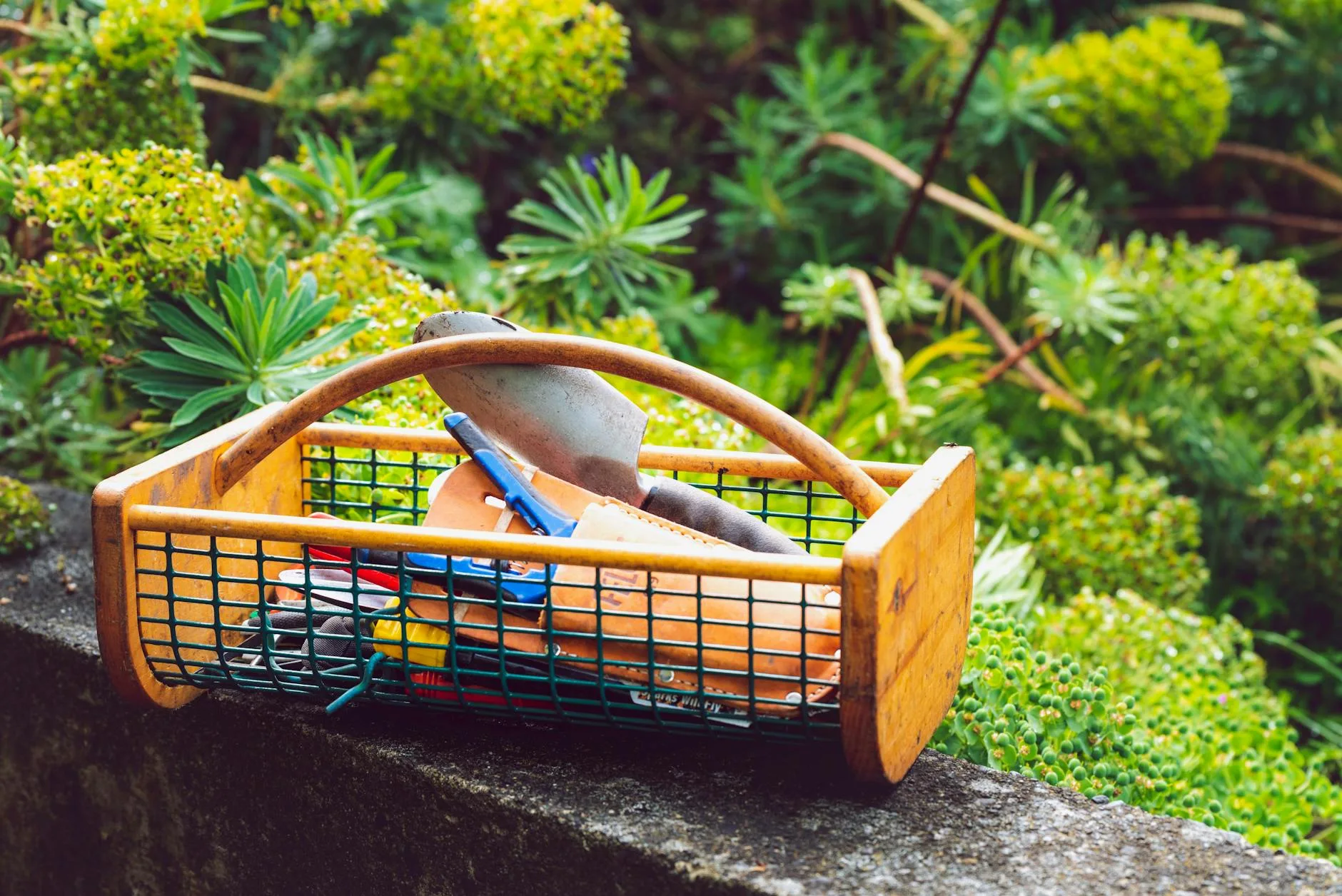
Good tools reward basic maintenance with decades of service. This takes five minutes per session and it’s worth every second.
- Clean after every use. Knock off soil, brush the head clean. Dried clay is much harder to remove tomorrow
- Oil carbon steel heads. A rag with linseed oil or WD-40 wiped over the metal prevents rust. Once a month during the growing season is plenty
- Sharpen the spade edge. A flat file drawn along the cutting edge a few times per season keeps it slicing through turf and roots cleanly. You don’t need a razor edge — just enough to bite into turf without brute force
- Sand and oil wooden handles. If the handle feels rough or dry, a quick sand with 120-grit paper and a coat of linseed oil restores the surface. This prevents splinters and stops moisture getting into the grain
- Store indoors. A shed or garage is fine. Leaving tools outside — even leaning against a fence — is how ash handles rot and carbon steel rusts. If storage space is tight, a simple wall rack with hooks costs under £10 from Screwfix
Stainless steel tools need less fuss — a wipe-down and occasional handle oil is enough. That low-maintenance appeal is half the reason people pay the premium.
Common Mistakes When Buying Garden Forks and Spades
A few things I wish someone had told me before my first trip to the garden centre:
- Buying a set when you only need one tool. Fork and spade sets look like better value, but if you only dig occasionally, a single good digging fork does most jobs. A fork breaks ground, lifts plants, turns compost, and loosens soil. A spade is essential for edging and hole-digging, but if budget is tight, the fork is more versatile as a standalone tool
- Ignoring the weight. Pick it up in the shop. If it feels heavy just holding it, imagine lifting it 200 times in an afternoon. Some forged tools are beautifully made but weigh over 2.5kg — that adds up
- Choosing looks over construction. Painted heads hide the steel quality. Bright-coloured handles don’t indicate better grip. Focus on the socket joint and head material first, everything else second
- Forgetting about replacement handles. Good quality tools often have replaceable handles. If a handle snaps (it happens eventually with heavy use), you buy a new handle for £8-12 rather than replacing the whole tool. Check that the handle is a standard fitting before you buy — proprietary handle shapes from budget brands often aren’t replaceable
If you’re just starting out growing vegetables, a decent digging fork and spade from the mid-range tier is all the tools you need for the first season. Everything else — hoes, rakes, trowels — can wait until you know what your plot actually demands.
The Bottom Line
A garden fork and spade are the two tools you’ll reach for most often, and decent ones last for years. Spend £25-40 per tool on forged carbon steel with ash handles, check for solid socket construction, pick a grip that feels comfortable, and maintain them with five minutes of care per session. That’s it. Skip the budget end if you can afford to — the frustration of a bent tine or snapped handle mid-dig isn’t worth saving £15. And skip the ultra-premium end unless you actively enjoy owning beautiful tools (which is a perfectly valid reason, for the record).
Your fork and spade will outlast every other tool in your shed if you buy well and look after them. That’s the best investment in gardening there is.
Forks and spades do the digging, but wet beds and heavy soil are much easier with the right footwear. Our Muck Boot vs Hunter vs Dunlop comparison covers garden boot choices.
Frequently Asked Questions
What gardening tools do beginners really need? Start with gloves, hand trowel, fork, watering can, secateurs and one good spade. Add specialist tools only when a repeated job demands them.
How do I make gardening easier to keep up? Grow fewer crops well, mulch to reduce weeds, group pots near water, and choose plants that suit your soil and light.
What matters most for a productive UK garden? Healthy soil, correct timing, regular watering and realistic crop choices. Expensive kit helps less than consistent small jobs.
What should I check first with How to Choose a Garden Fork and Spade? Start with the real use case, then check size, compatibility, running costs and maintenance. A product that looks good on paper can still be the wrong fit if it does not suit the room, routine or budget.
How do I avoid wasting money on How to Choose a Garden Fork and Spade? Avoid buying on one headline feature alone. Compare the practical details, read the warranty or returns terms, and choose the option that solves your main problem rather than the one with the longest specification list.