There’s a particular kind of satisfaction that comes from eating fruit you grew yourself — and it’s not the money you saved (let’s be honest, once you factor in the netting, the compost, and the hours spent chasing pigeons off your blueberry bushes, supermarket fruit is cheaper). It’s the taste. A sun-warmed strawberry picked straight from the plant at ten in the morning doesn’t taste like the ones from Tesco. It tastes like an entirely different fruit. And once you’ve had that experience, there’s no going back.
The UK might not seem like an obvious place for fruit growing, but the truth is we’ve got ideal conditions for a surprising range of crops. Our mild, damp climate suits soft fruits brilliantly — raspberries, blackcurrants, gooseberries, and strawberries all thrive here with minimal fuss. Even tree fruits like apples, pears, plums, and cherries do well with the right varieties and a bit of attention. This collection of growing stories from UK gardeners shows what’s possible, what goes wrong, and what’s been learned along the way.
The Allotment Apple Orchard: Grafted Trees in Limited Space
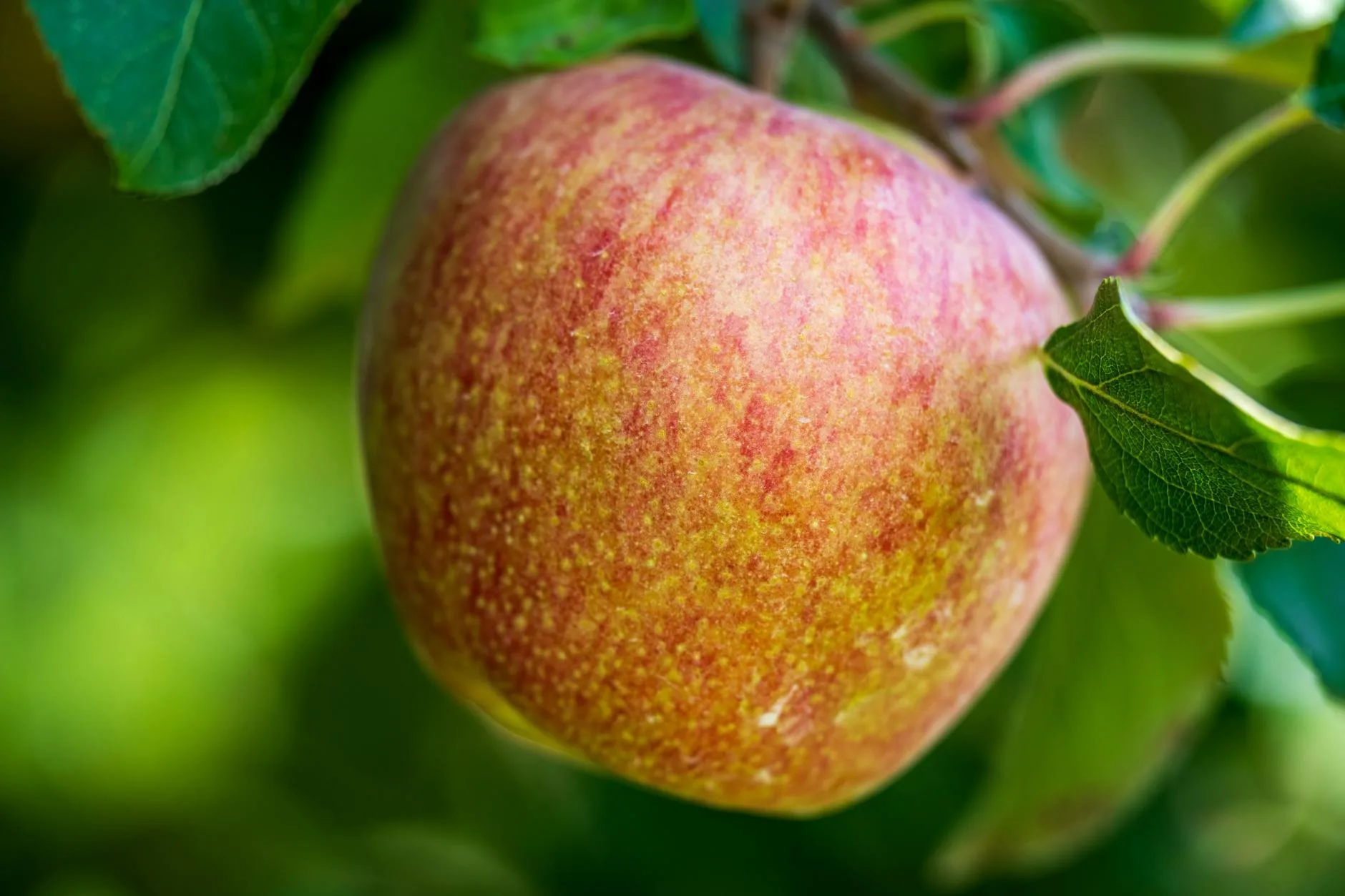
One of the most inspiring approaches to fruit growing in small spaces comes from gardeners who’ve discovered dwarfing rootstocks. Instead of planting full-size apple trees that take 15 years to produce and eventually dominate half the allotment, you can grow trees grafted onto M26 or M9 rootstocks that reach just 2-3 metres tall and fruit within 2-3 years.
A typical allotment success story involves planting 3-4 varieties in a row along the north edge of the plot (so they don’t shade the vegetables), trained as cordons — single-stemmed trees tied to a wire framework at about 45 degrees. Each cordon takes up just 60-90cm of horizontal space, meaning you can fit 4 trees in a 3-metre stretch.
The key lessons from experienced allotment growers:
- Choose self-fertile varieties or ensure cross-pollination — apple trees need a compatible pollination partner flowering at the same time. The RHS pollination group guide is the definitive UK resource. Popular combinations include James Grieve (Group 3) with Cox’s Orange Pippin (Group 3) or Discovery (Group 3).
- M9 rootstock for the smallest trees — about 1.5-2m tall. Needs staking permanently because the root system is weak. Best for pots and very small spaces.
- M26 for slightly larger trees — about 2.5-3m tall. More stable, good for cordons and small gardens.
- MM106 for open ground — about 3-4m tall. The standard for allotments and medium gardens.
- Prune in winter for shape, in summer for fruit — winter pruning encourages growth; summer pruning (August) encourages fruit bud formation. Most beginners only do winter pruning and wonder why they get lots of leaves but no fruit.
The first year is always disappointing — you should actually remove any fruit that forms in year one to let the tree establish its root system. By year three, even a cordon apple tree should be producing 5-10kg of fruit per season. That’s real abundance from a strip of ground less than a metre wide.
Raspberry Rows: The UK’s Easiest Soft Fruit
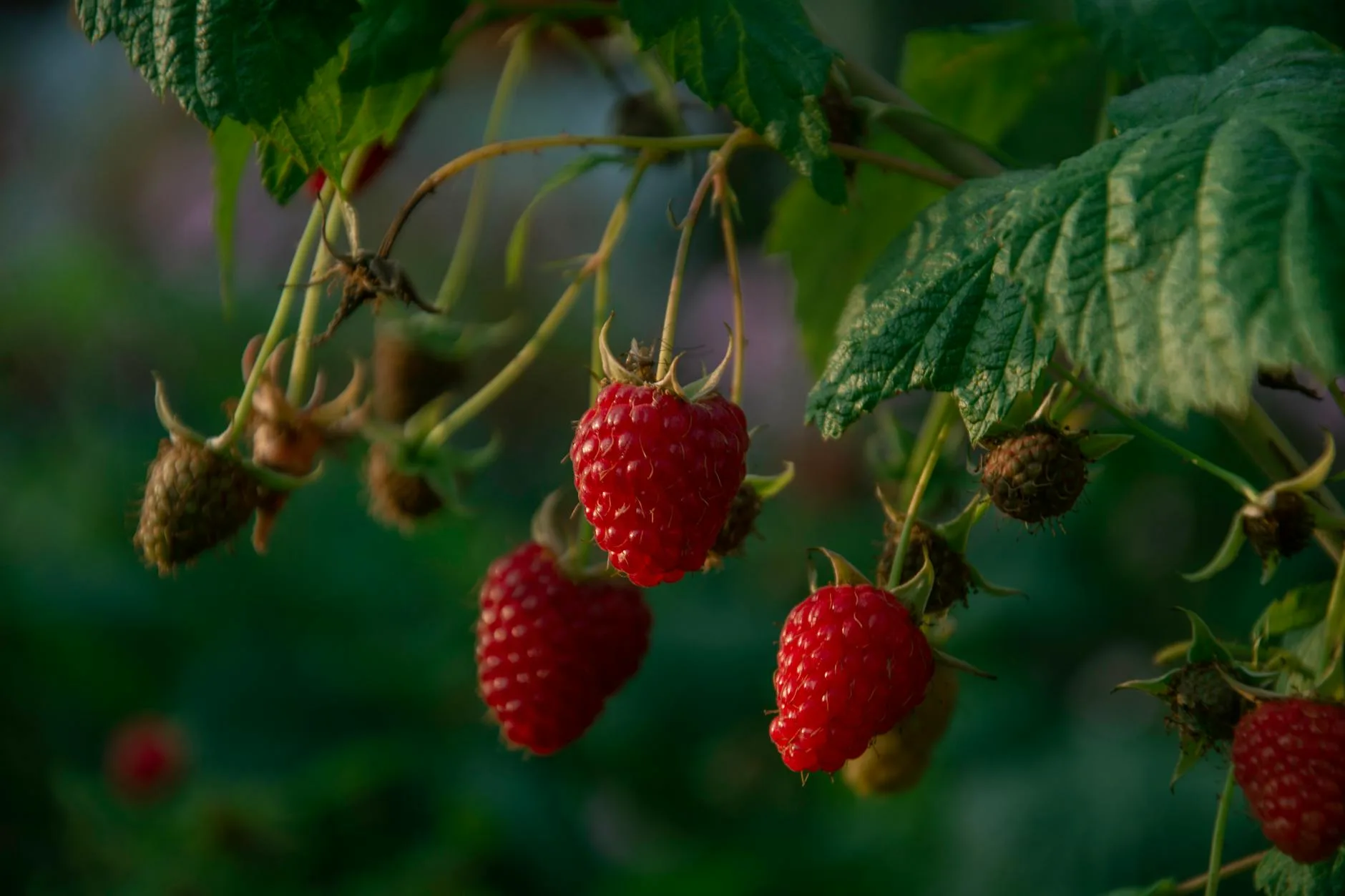
If there’s one fruit that practically grows itself in the UK climate, it’s raspberries. They’re so well-suited to our cool, moist conditions that they’re essentially native — wild raspberry canes grow in hedgerows and woodland edges across Britain.
The two types to understand are summer-fruiting and autumn-fruiting varieties:
- Summer-fruiting (e.g., Glen Ample, Glen Moy, Tulameen) — produce fruit on last year’s canes, typically in June-July. Need a post-and-wire support system. Prune by cutting out the old fruited canes after harvest and tying in the new growth.
- Autumn-fruiting (e.g., Autumn Bliss, Polka, Joan J) — produce fruit on the current year’s growth, typically August-October. The simplest fruit to manage: just cut everything to ground level in February and wait. No support system needed.
For beginners, autumn-fruiting varieties are the clear winner. You can’t get the pruning wrong because there’s only one rule: chop everything down in late winter. New canes shoot up in spring, flower in summer, and fruit in autumn. No complicated support wires, no figuring out which canes are old and which are new.
A 3-metre row of autumn raspberries, planted 40cm apart, will produce 3-5kg of fruit in the first full year and 8-12kg by year three. That’s more raspberries than most families can eat fresh — which is when you discover the joy of raspberry jam, crumbles, and freezer bags.
Common mistakes with raspberries:
- Planting too deep — the crown should be just 5cm below the soil surface. Deeper planting rots the crown.
- Waterlogging — raspberries like moisture but not standing water. Raised beds (even just 15cm above surrounding soil) solve drainage problems.
- Ignoring runners — raspberry canes spread underground via suckers. They’ll colonise neighbouring beds if you don’t pull up the runners yearly. Some gardeners install root barriers (corrugated plastic sheeting buried vertically 30cm deep) to contain them.
- Forgetting bird netting — you’re not the only one who likes raspberries. Net them from the moment the fruit starts colouring or you’ll share your entire crop with the local blackbirds.
Strawberries in Containers: Proving You Don’t Need a Garden
You don’t need an allotment, a garden, or even a raised bed to grow fruit. Strawberries are spectacularly successful in containers, which makes them the gateway fruit for anyone with a balcony, patio, or even a sunny windowsill.
Container strawberry growing has exploded in popularity, and the results can be remarkable. A single strawberry plant in a 3-litre pot on a south-facing balcony can produce 200-400g of fruit over the season. Stack up 10 plants across a few pots or a tiered planter and you’re looking at 2-4kg — enough for daily strawberries throughout June and July.
What makes container strawberries work:
- Everbearing varieties like Mara des Bois, Albion, or Flamenco produce fruit from June to October instead of one big flush. Less overwhelming, more sustainable enjoyment.
- Good drainage is non-negotiable — pots must have drainage holes. Use multipurpose compost mixed with about 20% perlite for aeration.
- Feed fortnightly once flowering starts — tomato feed (high potash) is perfect. About £3-5 for a bottle from any garden centre that lasts the whole season.
- Water consistently — containers dry out fast in summer. Daily watering during hot spells, ideally in the morning. Inconsistent watering causes misshapen fruit and bitter flavour.
- Straw mulch or coir around the plants keeps fruit clean and reduces disease. In containers, a layer of clean straw also helps retain moisture.
The most common failure with container strawberries is year two. Many people treat them as annuals and bin them after the first season. Strawberries are perennials — they come back stronger in year two and three. Reduce watering after fruiting, remove old leaves in late autumn, and protect from hard frost by moving pots against a house wall or into a cold greenhouse. Year two plants produce earlier, more heavily, and with better-flavoured fruit. For a related angle, see our Best Fruit Cages 2026 UK: Protect Your Crop guide.
After three years, production drops and plants should be replaced. The good news: strawberries produce runners (baby plants on long stems) freely, so you can propagate new plants for free. Root the runners into small pots of compost in July-August, sever from the parent in September, and you’ve got fresh plants for next year at zero cost.
Blueberries: The Ericaceous Challenge
Blueberries are the fruit that separates the casual grower from the committed. They’re not difficult exactly, but they’re fussy — and the fussiness is all about soil pH.
Blueberries need acidic soil (pH 4.0-5.5). Most UK garden soil is neutral to alkaline (pH 6.5-8.0), which means you either grow blueberries in ericaceous compost in containers or you don’t grow them at all. Don’t bother trying to acidify ground soil — it’s temporary and expensive. Containers are the answer.
Successful blueberry growers in the UK share a few common practices:
- Use rainwater, not tap water — tap water in most of England is alkaline (hard) and gradually raises the soil pH. If you’re on a water meter and rainwater isn’t an option, let tap water stand for 24 hours and add a teaspoon of vinegar per 4 litres.
- Ericaceous compost only — available from any garden centre (about £6-8 for 40 litres). Mix with 20% composted bark for improved drainage and long-term acidity.
- Grow at least two different varieties — blueberries are technically self-fertile but produce far more fruit with cross-pollination. Bluecrop + Patriot is a popular UK combination. Duke + Spartan works well for earlier fruit.
- Patience is required — blueberry bushes take 3-4 years to produce meaningful harvests. Remove flowers in years one and two to encourage root establishment. By year five, a healthy bush in a 40-litre pot should produce 2-3kg of fruit.
- Feed with ericaceous fertiliser — standard tomato feed is too alkaline. Use a specialist feed like Vitax Ericaceous Plant Feed (about £5-7 from garden centres).
The reward for this effort is extraordinary. Home-grown blueberries are firmer, sweeter, and more intensely flavoured than anything from the supermarket. They freeze perfectly too — spread on a tray, freeze, then bag them. Home-frozen blueberries are genuinely a luxury ingredient.
Plum Trees: Set and Forget (Mostly)
If apples require attention and blueberries require precision, plums are the laid-back option. Once established, a plum tree on a suitable rootstock is remarkably low-maintenance and can produce enormous quantities of fruit.
The best plum variety for UK gardens — and this isn’t even controversial — is Victoria. It’s self-fertile (no pollination partner needed), reliably productive, and produces dual-purpose fruit that’s good for eating fresh and excellent for cooking, jam, and crumbles. A mature Victoria plum on St. Julien A rootstock produces 15-25kg of fruit per year. In a good year, you’ll be giving bags of plums to every neighbour on the street.
Other solid UK choices:
- Opal — earlier than Victoria, sweet and juicy, partially self-fertile
- Czar — a reliable cooker, extremely hardy, self-fertile. Good for northern gardens.
- Greengage (Cambridge or Old Greengage) — sublime flavour, less reliable cropping. Worth the gamble if you have a warm, sheltered spot.
The main enemy of plum trees in the UK is silver leaf disease, a fungal infection that enters through pruning wounds. The golden rule: never prune plums in winter. Prune only in June-July when the sap is flowing and wounds heal quickly. This single piece of knowledge, applied consistently, is the difference between a healthy tree and a diseased one.
Brown rot is the other frustration — fruit turns brown and mouldy on the tree, typically in wet summers. Remove affected fruit immediately (don’t leave it on the ground) and ensure good air circulation through the canopy by thinning branches. For independent guidance, check RHS gardening advice.
Currants and Gooseberries: The Unsung Heroes
Blackcurrants, redcurrants, and gooseberries are massively underrated by home growers, probably because they’re not glamorous. Nobody gets excited about gooseberries on Instagram. But these are among the most productive, reliable, and pest-resistant fruits you can grow in the UK — and the composting waste from pruning makes great material for the bin.
A single blackcurrant bush (Ben Sarek or Ben Lomond for compact growth, Ben Connan for heavy crops) produces 3-5kg of fruit per year with almost no maintenance beyond annual pruning. The fruit is absurdly high in vitamin C — about four times more per gram than oranges — and makes the best jam of any fruit grown in the UK. Period.
Gooseberries are even more neglected, which is a shame because:
- They fruit reliably even in partial shade
- They crop in June, filling the gap between the last of the rhubarb and the first strawberries
- Dessert varieties (Hinnonmäki Red, Invicta, Leveller) can be eaten raw when fully ripe
- They require almost no watering once established
- A single bush produces 3-5kg per year for 15-20 years
Redcurrants are the decorative option — strings of jewel-like fruit that look stunning and taste sharp-sweet. They’re self-fertile, compact, and can be trained as fans against a wall or fence, taking up barely any ground space. The fruit makes excellent jelly (the classic accompaniment to roast lamb) and adds beautiful colour to summer puddings.
Getting Started With Your Own Fruit
If these stories have inspired you, the best time to start is now — well, the best time was five years ago, but the second-best time is now. Here’s a practical starting order based on what gives you the quickest results with the least risk:
- Year one: strawberries in pots — buy 6-10 plants (about £1-2 each from garden centres in spring), plant in containers of multipurpose compost, and enjoy fruit within 8-12 weeks of planting. Zero experience required.
- Year one: autumn raspberries — buy 5-10 canes (about £1 each from online suppliers or garden centres). Plant November-March. Fruit the following autumn.
- Year two: currants and gooseberries — buy 2-3 bushes. Plant November-March. Light crop in year two, full production by year three.
- Year two: a plum or apple tree — choose the right rootstock for your space. First meaningful crop in year three.
- Year three: blueberries — if you’re willing to commit to the ericaceous care regime. Worth the wait.
For all bare-root fruit (trees, canes, bushes), November-March is planting season. Order in autumn for the best variety selection — popular varieties from suppliers like Ken Muir, Pomona Fruits, and Blackmoor Nurseries sell out by January.
The cost is remarkably low. Five raspberry canes (£5-8), a strawberry collection (£10-15), and a couple of gooseberry bushes (£8-12 each) sets you up for years of fruit production for under £40. Compare that to a weekly punnet of raspberries at £2.50 and the investment pays for itself within a single season.
Frequently Asked Questions
What is the easiest fruit to grow in the UK? Autumn-fruiting raspberries are the easiest UK fruit crop. Plant the canes, cut everything to the ground in February, and harvest from August to October. They need no support system, tolerate poor soil, and produce heavily from year one.
Can you grow fruit in pots in the UK? Yes — strawberries, blueberries, dwarf fruit trees (on M9 rootstock), and figs all grow well in containers. Use appropriate compost (ericaceous for blueberries), ensure good drainage, and feed regularly during the growing season.
When should you plant fruit trees in the UK? Bare-root fruit trees should be planted between November and March, while the tree is dormant. Container-grown trees can be planted year-round but establish best in autumn. Avoid planting in frozen or waterlogged soil.
How long before fruit trees produce fruit? It depends on the rootstock. Dwarf apple trees on M9 rootstock can fruit in year two. Standard-size trees on MM106 may take 3-4 years. Plum trees on St. Julien A typically fruit in year three. Remove flowers in year one to help the tree establish roots.
Do you need two fruit trees for pollination? It depends on the variety. Victoria plums, most morello cherries, and many modern apple varieties are self-fertile. However, most apples and pears crop much better with a compatible pollination partner. Check the RHS pollination group before buying.