It’s late May, you’ve planted your first tomato seedlings in the garden, and by July you’re standing over a plant that’s two metres tall, covered in green fruit that stubbornly refuses to ripen. The British summer has done what it always does — started late, peaked for a week, and then settled into grey drizzle. Growing tomatoes in the UK is a test of patience, timing, and knowing when to stop trusting the weather.
In This Article
- Greenhouse vs Outdoor: Which Is Better in the UK?
- Choosing the Right Tomato Variety
- When to Sow and Plant Out
- Soil and Feeding
- Watering: The Most Common Mistake
- Training and Pruning
- Common Tomato Problems in the UK
- Ripening Tips for the British Climate
- Companion Planting for Tomatoes
- Harvesting and Storing
- Frequently Asked Questions
Greenhouse vs Outdoor: Which Is Better in the UK?
The honest answer: a greenhouse gives you a noticeably better crop in the UK. Outdoor tomatoes work, but the British climate introduces risks that a greenhouse eliminates.
Why Greenhouses Win
- Temperature control — tomatoes want consistent warmth (18-25°C during the day). UK summer nights regularly drop below 10°C, which slows growth and delays ripening. A greenhouse stays 3-5°C warmer overnight
- Rain protection — blight, the biggest tomato killer in the UK, spreads through rain splash. A greenhouse keeps foliage dry
- Extended season — you can plant earlier (late April vs late May) and harvest later (into October vs September)
- Higher yields — greenhouse tomatoes typically produce 2-3 times more fruit per plant than outdoor equivalents in a UK climate
Making Outdoor Work
Outdoor growing is perfectly viable if you choose the right varieties and take precautions:
- Choose blight-resistant varieties — this is non-negotiable outdoors
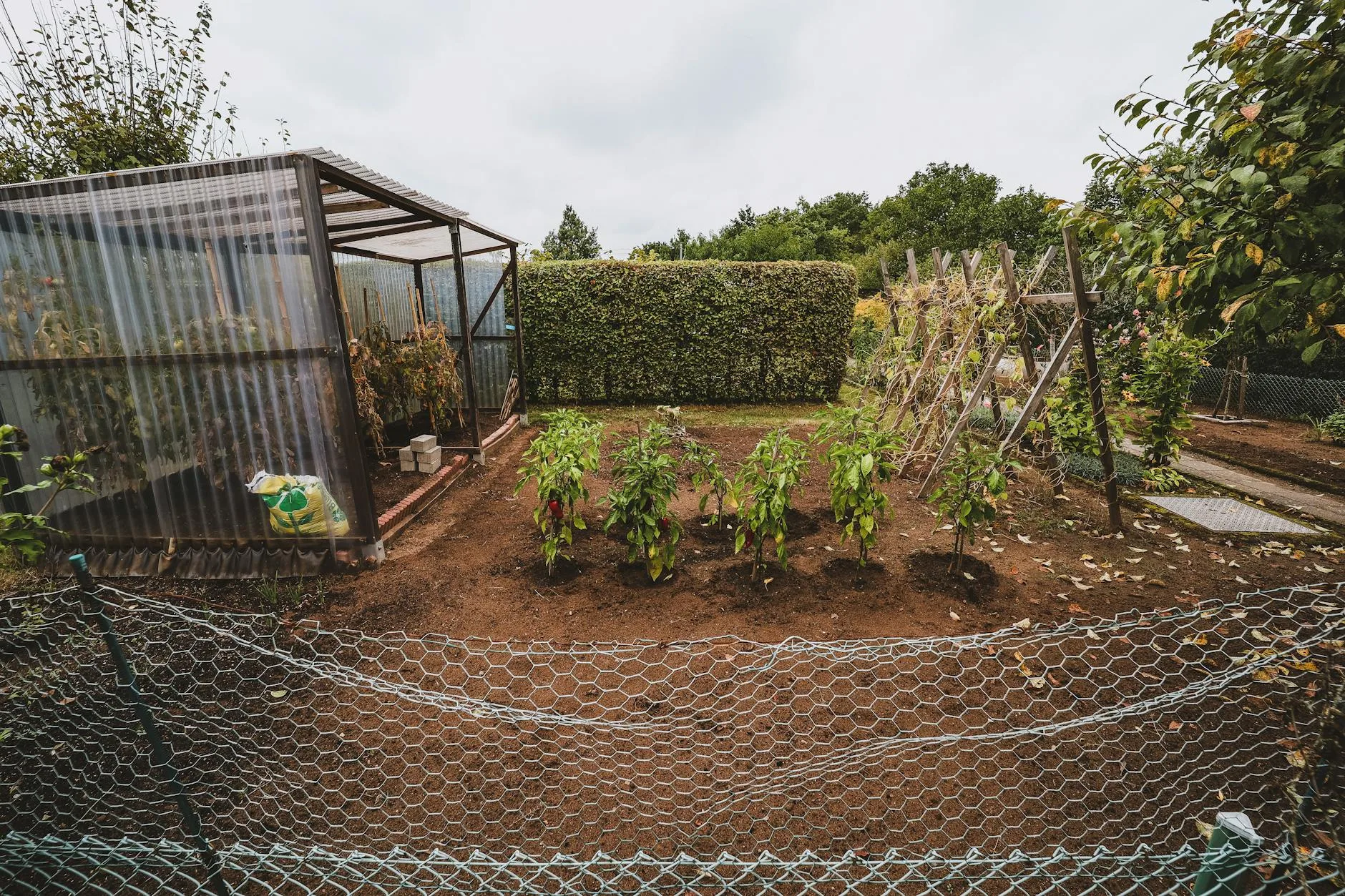
- Use a sheltered, south-facing position — against a wall is ideal, the radiated heat makes a real difference
- Consider rain covers — a simple lean-to frame with clear plastic sheeting over the plants keeps rain off the foliage without blocking light
- Accept a shorter season — outdoor plants go out later and finish earlier
The Container Compromise
Growing tomatoes in pots on a patio or balcony gives you the flexibility to move plants under cover when rain threatens. Use at least 20-litre pots (5-gallon) for indeterminate varieties — anything smaller dries out too fast and restricts root growth. I’ve grown excellent crops on a south-facing patio in 30-litre grow bags, bringing them inside the porch when blight alerts flare up.
Choosing the Right Tomato Variety
This is where most UK beginners go wrong — they pick varieties bred for Mediterranean climates, then wonder why the fruit won’t ripen.
Best Outdoor Varieties for the UK
- Gardener’s Delight — the classic cherry tomato. Reliable, prolific, sweet. Produces masses of small fruit that ripens even in poor summers. My go-to recommendation for first-time growers
- Ferline — blight-resistant medium-sized tomato. One of the best outdoor performers in UK trials. Good flavour, reliable cropper
- Losetto — genuinely blight-resistant cherry tom with a tumbling habit. Brilliant in hanging baskets and window boxes. The RHS recommends it as one of the most reliable UK outdoor varieties
- Mountain Magic — another strong blight-resistant variety. Medium-sized fruit, vigorous growth, consistent even in rubbish summers
- Tumbling Tom — compact, cascading cherry variety. Perfect for pots and hanging baskets. No pinching out required
Best Greenhouse Varieties
Under glass you’ve got more options because blight resistance matters less:
- Sungold — legendary cherry tomato. Intensely sweet, orange fruit, outrageously prolific. Possibly the best-tasting cherry tomato available
- Moneymaker — traditional English greenhouse variety. Medium red fruit, reliable and consistent. Your grandparents probably grew this
- Shirley — bred specifically for UK greenhouses. Consistent, disease-resistant, produces medium trusses of red fruit
- San Marzano — plum tomato, perfect for sauces and cooking. Needs a long season, so greenhouse only in the UK
- Brandywine — beefsteak heirloom. Stunning flavour but needs warmth and patience. Greenhouse essential
Determinate vs Indeterminate
- Determinate (bush) — grows to a set height, produces all fruit at roughly the same time, then stops. No staking or pinching out needed. Good for pots and outdoor growing
- Indeterminate (cordon) — keeps growing upward all season, producing fruit on trusses along the main stem. Needs staking and pinching out of side shoots. Higher total yield over a longer period
For beginners outdoors: start with determinate varieties. For greenhouse: indeterminate gives more fruit per square metre.
When to Sow and Plant Out
Timing is everything with UK tomatoes. Too early and frost kills them. Too late and the fruit doesn’t ripen before autumn.
Sowing Schedule
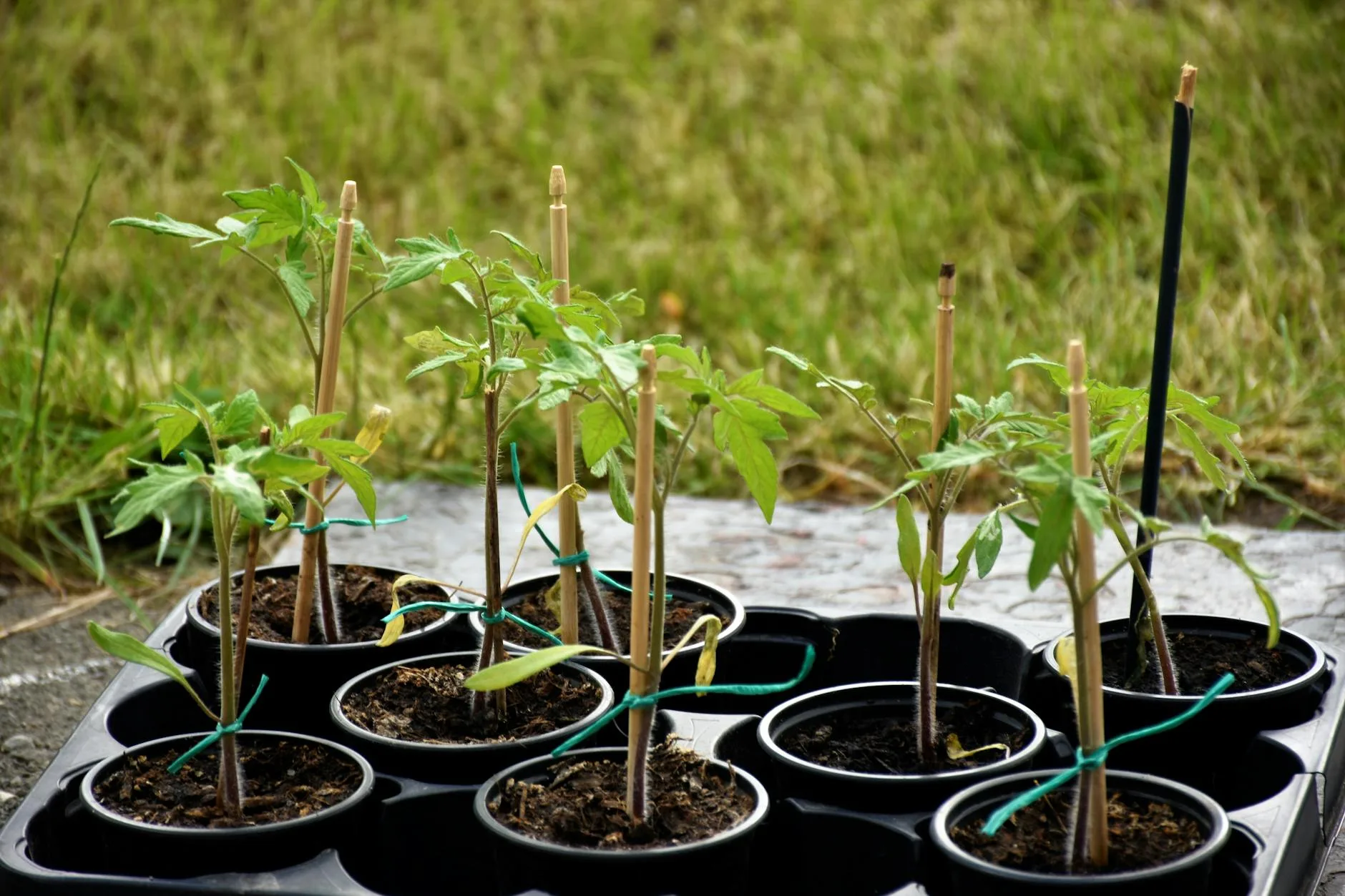
- Late February to mid-March: sow seeds indoors in small pots or module trays. Use a heated propagator or warm windowsill (18-21°C). Seeds germinate in 7-14 days
- March to April: pot on seedlings into 9cm pots when they have two true leaves. Keep on a bright windowsill or in a heated greenhouse
- Late April (greenhouse): plant into final positions — grow bags, large pots, or greenhouse borders. Night temperatures should be reliably above 10°C
- Late May to early June (outdoor): plant out after the last frost date for your area. Harden off plants first by putting them outside during the day for a week
Don’t Rush It
The most common beginner mistake is planting out too early. A tomato seedling planted in May in warm soil will overtake one planted in cold April soil within weeks. Cold soil stunts root growth and stressed plants never fully recover. Wait for the soil to feel warm to the touch — or use a soil thermometer (about £5 from garden centres) and wait for 15°C+.
Our guide to seed trays and propagators covers the equipment you need for starting tomatoes from seed.
Soil and Feeding
Tomatoes are heavy feeders. They need rich, well-drained soil with consistent nutrition throughout the growing season.
Soil Preparation
- In the ground: dig in plenty of well-rotted compost or manure before planting. Tomatoes like a slightly acidic to neutral pH (6.0-7.0). If your soil is heavy clay, add grit and compost to improve drainage
- In grow bags: standard tomato grow bags from garden centres work fine for a season. The compost is formulated for tomatoes with the right nutrient balance
- In pots: use multipurpose compost mixed with perlite for drainage. Fill the pot to 5cm below the rim to allow for watering
Feeding Schedule
- Weeks 1-4 after planting: no feeding needed if the soil/compost is fresh. The plant is establishing roots
- From first flowers: start feeding with a high-potassium tomato feed (Tomorite, Chempak No.4, or similar) every watering — typically twice a week. Potassium drives flower and fruit production
- When fruit is swelling: continue the same feed. Some growers add a seaweed tonic (about £5 from garden centres) fortnightly for trace minerals
The Grow Bag Hack
Standard grow bags are too shallow for deep root development. Cut the bag open, place it inside a larger container (an old recycling box works perfectly), and fill around the edges with extra compost. This doubles the root volume and massively improves water retention. I started doing this three years ago and the difference in fruit quality was immediate.
Watering: The Most Common Mistake
Inconsistent watering is the single biggest cause of tomato problems — blossom end rot, split fruit, and poor flavour all trace back to erratic water supply.
The Golden Rule
Water consistently. The same amount, at the same time, every day (or twice daily in hot weather). Tomatoes hate going from dry to saturated and back again. That cycle causes the cell walls in developing fruit to expand and crack.
How Much Water
- In grow bags or pots: 1-2 litres per plant per day in normal weather. Up to 3-4 litres per plant in hot spells
- In the ground: deep watering every 2-3 days is better than light daily watering. Soak the root zone thoroughly
- In the greenhouse: morning watering is best. This gives plants time to absorb water before the heat of the day. Evening watering can leave foliage damp overnight, encouraging fungal problems
Automatic Watering
If you’re away regularly or just forgetful, invest in an automatic watering system. Drip irrigation kits from B&Q or Amazon UK cost about £15-25 and connect to an outdoor tap with a timer. Set and forget — your plants get consistent water even when you’re on holiday. For a related angle, see our Best Wormeries 2026 UK: Indoor & Outdoor Vermicomposting guide.
Mulching
A 5cm layer of straw, bark mulch, or compost around the base of each plant reduces water evaporation, keeps roots cool, and suppresses weeds. In hot greenhouse conditions, mulching can halve your watering needs.
Training and Pruning
Staking and Support
Indeterminate (cordon) varieties need support from the start. Options:
- Bamboo canes — the classic. Push a 1.8m cane next to each plant and tie the stem to it with soft garden twine as it grows. Tie loosely in a figure-of-eight around stem and cane
- String training — the commercial greenhouse method. Tie string to an overhead wire and wrap it gently around the stem as the plant grows. The stem spirals up the string
- Tomato cages — wire frames that surround the plant. Less fiddly than canes but more expensive. About £5-8 each from garden centres
Pinching Out Side Shoots
This is essential for cordon varieties. Side shoots grow in the leaf axils — the V-shaped joint between the main stem and each leaf branch. Left unchecked, each side shoot becomes a new stem that produces foliage instead of fruit.
- Check plants twice a week during the growing season
- Snap off side shoots when they’re small (under 5cm) by pinching between thumb and forefinger. Don’t use scissors — a clean snap heals faster than a cut
- Leave the main stem and the leaf branches — only remove the shoots growing in the axils between them
Bush (determinate) varieties don’t need pinching out — they manage their own growth.
Stopping
In late July or early August (UK timing), pinch out the growing tip of each cordon plant. This stops the plant producing new flower trusses that won’t have time to ripen before autumn. It redirects energy into ripening existing fruit. Aim for 4-5 trusses per outdoor plant and 6-7 per greenhouse plant. Our Best Fleece and Cloches 2026 UK: Frost Protection guide is useful alongside this.
Common Tomato Problems in the UK
Blight (Phytophthora infestans)
The UK tomato grower’s nemesis. Blight is a fungal disease that spreads rapidly in warm, wet conditions — exactly the weather pattern that defines a British summer from mid-July onwards.
Symptoms: brown patches on leaves that spread rapidly, white fuzzy growth on the underside of leaves in damp conditions, brown marks on stems, and fruit turning brown and rotting.
Prevention:
- Grow in a greenhouse — the single most effective prevention
- Choose blight-resistant varieties outdoors
- Space plants widely — good airflow between plants slows the spread
- Water at the base — never overhead. Wet foliage is where blight starts
- Remove affected leaves immediately — don’t compost them, bin them
Blossom End Rot
Dark, sunken patches on the bottom of fruit. It looks frightening but it’s not a disease — it’s a calcium deficiency caused by inconsistent watering. The plant can’t transport calcium to developing fruit when water supply fluctuates.
Fix: water consistently. That’s it. Calcium sprays are sold but the root cause is always water. Our guide to composting covers how to build soil that retains moisture more evenly.
Split Fruit
Heavy rain or a drenching after a dry spell causes the fruit interior to expand faster than the skin can stretch. The skin splits, often in circles around the top.
Prevention: consistent watering (the recurring theme) and rain protection for outdoor plants.
Whitefly
Tiny white flying insects that colonise the undersides of leaves in greenhouses. They weaken plants and excrete honeydew, which attracts sooty mould.
Control: hang yellow sticky traps in the greenhouse. Introduce the parasitic wasp Encarsia formosa (available by mail order from biological control suppliers). Avoid pesticide sprays — they kill the beneficial insects too.
Ripening Tips for the British Climate
On the Plant
- Remove lower leaves below the lowest ripening truss — this improves air circulation and directs energy to the fruit
- Place a ripe banana next to green trusses — bananas release ethylene gas, which triggers ripening
- Reduce watering slightly in late summer — mild water stress encourages the plant to ripen fruit rather than produce more foliage
Off the Plant: The Windowsill Method
At the end of the season (late September), pick all remaining green fruit and ripen indoors:
- Place in a single layer in a cardboard box, not touching each other
- Add a ripe banana or apple to the box — the ethylene speeds ripening
- Store at room temperature (18-22°C) in a dark-ish spot. Don’t put them on a cold windowsill or in the fridge
- Check daily and remove any that show signs of rot
Green tomatoes can also be used for chutney — green tomato chutney is a classic British preserve and a great way to use up the end-of-season glut.
Companion Planting for Tomatoes
Good Neighbours
- Basil — the classic tomato companion. Some gardeners claim it improves flavour (debatable), but it does repel aphids and whitefly. Plus you’ll want basil for the salad anyway
- Marigolds (Tagetes) — French marigolds deter whitefly in greenhouses. Plant a row along the front of your tomato bed
- Carrots — the roots aerate the soil and don’t compete for the same nutrients
- Parsley — attracts hoverflies that eat aphids
Bad Neighbours
- Potatoes — same family (Solanaceae), same diseases. Growing them near each other increases blight risk
- Fennel — inhibits tomato growth. Keep them at opposite ends of the garden
- Brassicas (cabbages, broccoli) — heavy feeders that compete for the same nutrients
Harvesting and Storing
When to Pick
- Colour is the guide — pick when the fruit is fully coloured (red, yellow, orange depending on variety). A ripe tomato gives slightly when gently squeezed
- Pick regularly — removing ripe fruit signals the plant to ripen the next truss. Leaving ripe fruit on the vine slows production
- Harvest in the morning — fruit picked in cool morning air stores better than fruit picked in afternoon heat
Storage
- Never refrigerate fresh tomatoes — cold temperatures destroy the volatile compounds that create tomato flavour. Room temperature, always
- On the counter — ripe tomatoes last 3-5 days at room temperature
- In sauce — if you have a glut, make passata or tomato sauce and freeze it. A kilo of ripe tomatoes reduces to about 500ml of concentrated sauce
For information on building rich soil that supports tomato growing, our guide to soil types explained covers the fundamentals.
If outdoor tomatoes are hit-and-miss in your area, a greenhouse changes the odds. Our guide to the best greenhouses in the UK compares glass, polycarbonate and mini options.
Frequently Asked Questions
Can I grow tomatoes outdoors in northern England or Scotland? Yes, but variety choice is critical. Stick to blight-resistant cherry varieties like Gardener’s Delight, Losetto, or Tumbling Tom. Use a sheltered, south-facing position against a wall. Expect smaller yields and later ripening than southern England. A simple rain cover extends the season by several weeks.
How many tomato plants do I need for a family of four? Six to eight plants give a generous supply through summer. Four plants produce enough for regular salads, and eight will give you surplus for making sauce and chutney. In a greenhouse, four indeterminate plants can produce 10-15kg of fruit across the season.
Why are my tomato flowers dropping off without setting fruit? Usually caused by temperature extremes — above 30°C or below 13°C at night, pollination fails and flowers drop. In a greenhouse, ventilate well on hot days and tap the flower trusses gently to help pollination. Other causes include overfeeding with nitrogen (too much leaf growth, not enough flowering) and underwatering.
Should I remove the bottom leaves of my tomato plants? Yes, once the first truss of fruit starts to ripen. Remove leaves below that truss to improve air circulation, reduce disease risk, and direct energy to the fruit. Don’t strip more than three leaves in one go — the plant needs foliage for photosynthesis.
Can I save seeds from my tomatoes for next year? Yes, from open-pollinated and heirloom varieties. Scoop seeds from a ripe fruit, rinse in water, and dry on kitchen paper for a week. Store in a labelled envelope somewhere cool and dry. F1 hybrid varieties (most modern commercial seeds) won’t produce true-to-type plants from saved seed.