You’ve been chucking banana skins, eggshells, and tea bags into a heap at the bottom of the garden for months, and all you’ve got is a soggy pile that smells like a swamp. The heap isn’t the problem — the lack of structure is. A proper compost bin controls airflow, moisture, and temperature, turning kitchen scraps into garden gold in months instead of years.
We’ve tested tumbler bins, traditional wooden bays, hot composters, and even wormeries over the past three years. Some produced beautiful crumbly compost in eight weeks. Others sat there doing nothing for six months. The difference comes down to design, and this guide will steer you to the right bin for your garden, your budget, and your patience level.
In This Article
- Types of Compost Bin Explained
- Best Compost Bins: Our Picks
- Tumbler Bins vs Static Bins
- Hot Composting: Is It Worth the Cost?
- Size and Capacity: How Big Do You Need?
- Materials and Durability
- Placement and Setup
- Speeding Up Your Compost
- Compost Bin Maintenance
- Compost Bins for Small Gardens and Patios
- Where to Buy Compost Bins in the UK
- Frequently Asked Questions
Types of Compost Bin Explained
Static Bins (Daleks)
The classic black plastic bin you see in most UK gardens — nicknamed “daleks” for obvious reasons. They sit directly on soil, you add waste from the top, and finished compost comes out of a hatch at the bottom.
- Pros: Cheap (often free from your local council), low maintenance, rat-resistant if the base sits flush on soil
- Cons: Slow composting (6-12 months), no turning mechanism, can get waterlogged in British weather
- Best for: Patient gardeners with space who want a low-effort system
Tumbler Bins
Elevated drums on a frame that you rotate by hand. Turning the drum mixes the contents, aerates them, and speeds decomposition.
- Pros: Faster composting (8-12 weeks with regular turning), keeps rats out (fully sealed), cleaner than open bins
- Cons: Limited capacity (usually 100-200 litres), can be heavy to turn when full, more expensive than static bins
- Best for: Gardeners who want faster results and don’t mind a quick daily spin
Wooden Bays
Slatted wooden structures, often homemade or bought as kits. Traditional allotment composting at its finest. Usually in two or three-bay setups where you fill one while the other matures.
- Pros: Large capacity, good airflow through slats, easy to fork out finished compost, attractive in a garden setting
- Cons: Wood rots over time (5-10 years depending on treatment), not rat-proof, takes up more space
- Best for: Allotment holders, large gardens, and anyone producing serious volumes of garden waste
Hot Composters
Insulated bins designed to maintain high temperatures (40-70°C) for rapid decomposition. The HotBin and Green Johanna are the best-known UK examples.
- Pros: Fastest composting (30-90 days), kills weed seeds and pathogens at high temperatures, works year-round including winter
- Cons: Expensive (£150-250), requires more attention to the carbon-nitrogen ratio, smaller capacity than wooden bays
- Best for: Keen composters who want usable compost quickly and don’t mind managing the process
Wormeries
Not technically compost bins but worth mentioning. Wormeries use tiger worms to break down food waste into vermicompost — a rich, concentrated fertiliser. They’re small, odour-free when managed properly, and work indoors or outdoors.
- Pros: Produces high-quality liquid feed and concentrated compost, works in small spaces, educational for kids
- Cons: Can’t handle garden waste (only food scraps), worms need temperature management (they die below 5°C), limited volume
- Best for: Flat dwellers, small gardens, and anyone who wants premium plant feed
Best Compost Bins: Our Picks
Best Overall: Aerobin 400
About £130-150 from garden centres or Amazon UK. The Aerobin is an insulated static bin with a central aeration core — a vertical tube with holes that draws air through the composting mass without you having to turn anything.
It holds 400 litres, has a leachate collection tray at the bottom for liquid feed, and the insulation keeps temperatures high enough for year-round composting. We’ve been running an Aerobin for two years and it produces finished compost in about 12-16 weeks without any turning. The only downside is the size — it’s big. You need at least a square metre of space.
Best Tumbler: Draper 180L Dual Chamber
About £80-120 from Screwfix, B&Q, or Amazon UK. This dual-chamber tumbler lets you fill one side while the other cooks. Each chamber holds 90 litres, and the cranking handle makes turning easy even when the chambers are full.
The dual-chamber design is the key selling point. With a single-chamber tumbler, you have to stop adding waste once it’s full and wait for it to finish. With two chambers, you always have somewhere to put today’s scraps. After six months of use, the plastic feels durable and the frame hasn’t rusted — decent build quality for the price.
Best Budget: Blackwall 220L Converter
About £20-35, and often available free or subsidised through your local council’s waste reduction scheme. Check your council’s website before buying — many UK councils provide these at cost or below.
It’s a basic dalek-style bin: open bottom, lid on top, hatch at the base. Nothing fancy, but it works. Add a mix of greens and browns, keep it moist, and you’ll have usable compost in 6-9 months. For the price, it’s hard to argue against.
Best Hot Composter: HotBin Mk2
About £200-230 from hotbincomposting.com or garden centres. The HotBin is a 200-litre insulated composter that maintains internal temperatures of 40-60°C — sometimes higher if you get the mix right.
It composts food waste, garden waste, and even small amounts of cooked food and meat (which standard bins can’t handle safely). The high temperatures kill weed seeds and pathogens, meaning the finished compost is clean and safe to use anywhere in the garden.
The trade-off is attention. You need to add bulking agent (wood chip or shredded cardboard) with every load, monitor moisture levels, and check the internal temperature. It’s not set-and-forget. But if you’re willing to put in ten minutes every few days, the results are outstanding — rich, dark, earthy compost in 30-90 days.
Best Wooden Bay: Forest Garden Compost Bay
About £55-80 from B&Q, Wickes, or garden centres. A pressure-treated timber bay with slatted sides for airflow and a removable front panel for easy access.
If you want a second bay for a fill-and-rest system, buy two and set them side by side. The pressure treatment should give you 8-10 years of life, though the base boards will rot first — replace them with recycled plastic boards when the time comes.
Best for Small Spaces: Maze Worm Farm
About £60-80 from garden centres or Amazon UK. A compact three-tray wormery that sits neatly on a balcony, patio, or even in a kitchen. The worms work upward through stacking trays, and you collect liquid feed from the tap at the base. For a related angle, see our Best Bokashi Bins 2026 UK: Kitchen Composting Made Easy guide.
Tumbler Bins vs Static Bins
Speed
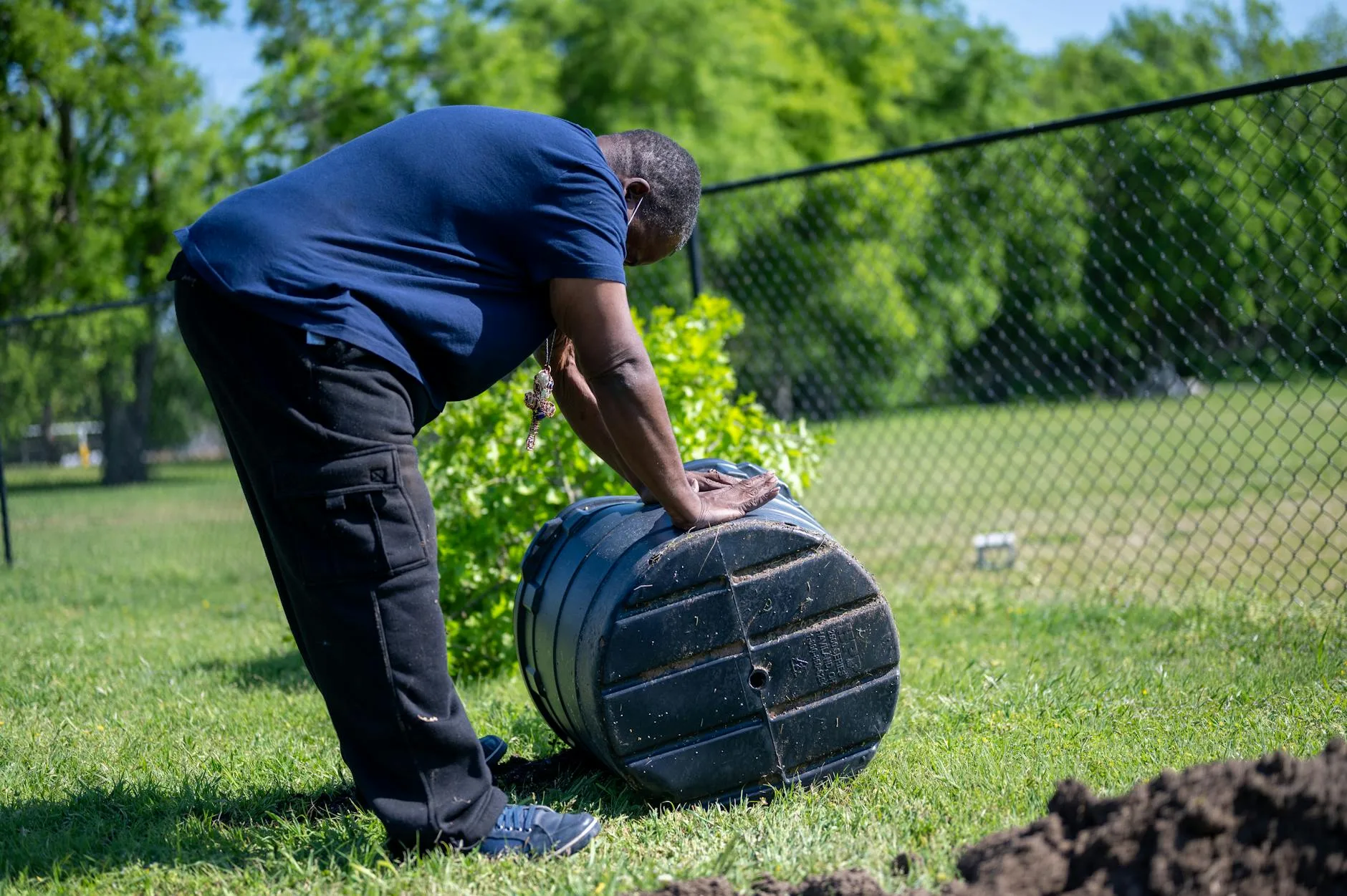
Tumbler bins compost faster because turning mixes oxygen into the material and breaks up clumps. Expect usable compost in 8-12 weeks with a tumbler vs 6-12 months with a static bin. But only if you turn it regularly — a tumbler that sits untouched is no faster than a dalek.
Capacity
Static bins typically hold 200-400 litres, while tumblers hold 100-200 litres. If you generate a lot of garden waste (autumn leaves, hedge trimmings, lawn clippings), a static bin or wooden bay handles the volume better.
Pest Control
Tumblers are sealed units elevated off the ground — rats and mice can’t get in. Static bins sit on soil with an open bottom, which is great for worms and beneficial organisms but also provides access for rats. In urban areas with rat problems, a tumbler or sealed hot composter is the safer choice.
Our Verdict
If you have a small-to-medium garden and produce mainly kitchen scraps, a tumbler is the better choice. If you have a large garden or allotment with serious volumes of garden waste, a static bin or wooden bay system handles it better.
Hot Composting: Is It Worth the Cost?
The Case For
- Speed: 30-90 days vs 6-12 months
- Year-round operation: Insulation keeps temperatures high even in British winter
- Kills weeds and disease: Temperatures above 55°C destroy weed seeds, plant diseases, and harmful bacteria
- Handles cooked food: The HotBin can process small amounts of cooked food and meat — something standard bins can’t do safely
The Case Against
- Cost: £150-250 vs £20-35 for a standard bin
- Attention needed: You need to manage the carbon-nitrogen ratio, moisture, and airflow actively
- Learning curve: Getting consistent hot composting takes practice — expect a few cool patches while you dial in the process
- Limited capacity: Most hot composters hold 200 litres. If you generate wheelbarrow loads of garden waste, you’ll still need a standard bin alongside
Who Should Buy One?
Keen gardeners who compost regularly and want results fast. If you view composting as a minor chore rather than a hobby, stick with a standard bin — it’s cheaper and requires less thought.
Size and Capacity: How Big Do You Need?
Garden Size Guidelines
- Small garden or patio: 100-200 litres (tumbler or wormery)
- Medium suburban garden: 200-400 litres (dalek or Aerobin)
- Large garden or allotment: 400+ litres (wooden bay system, ideally two or three bays)
- Kitchen waste only: 50-80 litres (wormery or bokashi)
The Two-Bin System
Having two bins is better than one large bin. Fill one while the other sits and matures. When the first is ready, empty it and start filling again. This gives you a continuous supply of finished compost.
According to the RHS composting guide, the ideal compost bin should be at least 1 cubic metre (1,000 litres) for efficient hot composting, but smaller bins work fine for cold composting — they just take longer.
Don’t Oversize
A half-empty bin composts poorly. The material doesn’t generate enough heat, and the large air space slows decomposition. It’s better to fill a smaller bin quickly than trickle-feed a large one over months.
Materials and Durability
Recycled Plastic
Most dalek-style bins and tumblers use recycled plastic. It’s UV-resistant, waterproof, and lasts indefinitely. The Blackwall and Garantia ranges are all recycled plastic. The only drawback is appearance — they look functional rather than attractive.
Pressure-Treated Timber
Wooden bays look the best but require maintenance. Pressure-treated softwood lasts 8-10 years. Hardwood (oak, larch) can last 15-20 years but costs considerably more. Never use creosote-treated wood — chemicals can leach into the compost. Our Best Garden Compost Thermometers 2026 guide is useful alongside this.
Insulated Polypropylene
Hot composters like the HotBin use thick-walled polypropylene with air gaps for insulation. Durable, lightweight, and effective at retaining heat. More expensive but purpose-built for the job.
Stainless Steel
Some premium kitchen compost caddies and small outdoor bins use stainless steel. They look great, resist corrosion, and are easy to clean. But they’re expensive and conduct heat — useless for hot composting in winter.
Placement and Setup
Where to Put Your Bin
- On bare soil, not concrete or paving — worms and beneficial organisms need to enter from below
- In partial shade — full sun dries the compost out, full shade slows decomposition
- Away from the house — composting can attract flies in summer, and you don’t want them near kitchen windows
- Within wheelbarrow distance of your beds — you’ll be moving heavy compost regularly
- Level ground — tumblers especially need a flat surface to rotate properly
Getting Started
If you’re new to composting, our beginner’s composting guide walks through the process from first scraps to finished compost.
Speeding Up Your Compost
The Carbon-Nitrogen Balance
The magic ratio is roughly 30:1 carbon to nitrogen by weight, but nobody actually measures this. In practical terms, alternate layers of “greens” (nitrogen-rich: food scraps, grass clippings, coffee grounds) and “browns” (carbon-rich: cardboard, dried leaves, woody prunings, newspaper).
Chop Everything Small
Smaller pieces decompose faster. Run woody prunings through a shredder, tear cardboard into strips, and chop food scraps roughly before adding them. This doubles the surface area for bacteria and fungi to work on.
Moisture Management
Compost should feel like a wrung-out sponge — damp but not dripping. Too wet and it goes anaerobic (smelly). Too dry and decomposition stalls. In summer, water your bin if it looks dry. In winter, cover the top to stop rain waterlogging it.
Turn It
If you have a static bin, fork the contents every 2-3 weeks to introduce air. This accelerates decomposition and prevents anaerobic pockets. Tumbler users just spin the drum — much easier.
For a full list of what you can and can’t add, check our composting materials guide.
Compost Bin Maintenance
Seasonal Tasks
- Spring: Empty mature compost and apply it to beds. Check the bin for cracks or damage after winter
- Summer: Monitor moisture — bins dry out fast in hot weather. Add water if the contents look dusty
- Autumn: This is peak composting season. Shred fallen leaves and add them as browns. They’re carbon gold
- Winter: Insulate the bin with old carpet or cardboard if temperatures drop below freezing. Hot composters handle winter naturally; standard bins slow down
Dealing with Problems
If your compost smells bad, it’s too wet or has too many greens. Add shredded cardboard and turn the contents. If it’s not breaking down, it’s too dry or too heavy on browns — add water and some nitrogen-rich greens like grass clippings.
Our compost troubleshooting guide covers every common problem and how to fix it.
When to Replace Your Bin
Plastic bins last essentially forever — replace them when the UV damage makes the plastic brittle (usually 10+ years). Wooden bays need board replacement when the timber rots. Hot composters should last a decade or more with care.
Compost Bins for Small Gardens and Patios
What Works in Tight Spaces
- Tumblers: Elevated off the ground, typically 60cm × 60cm footprint
- Wormeries: Stackable trays that fit on a balcony or patio. The Maze Worm Farm is about 40cm × 40cm
- Kitchen composters: Bokashi bins process food waste indoors using fermentation, then you bury the results in the garden. No outdoor space needed during the fermentation stage
- Compact daleks: Some councils offer 100-litre mini bins — half the size of standard models
The Bokashi Alternative
If you have no garden at all, a bokashi bin lets you ferment kitchen waste indoors over 2 weeks, then donate the fermented material to a friend with a garden or allotment, or bury it in a planter. It’s not true composting but it diverts waste from landfill.
Where to Buy Compost Bins in the UK
Council Subsidies
Before you buy anything, check your council’s website. Many UK councils subsidise compost bins through getcomposting.com or their own schemes. You can often get a 220-litre dalek for £10-15 delivered — a fraction of the retail price.
Retailers
- B&Q — good range of plastic bins and wooden bays, plus the HotBin
- Wickes — timber bays and accessories
- Amazon UK — widest selection including tumblers, wormeries, and premium options
- Garden centres — often stock Aerobin, HotBin, and traditional bins
- Screwfix — tumblers and basic plastic bins at competitive prices
- Original Organics — specialist composting retailer with everything from wormeries to shredders
What to Avoid
Ultra-cheap bins under £15 on Amazon or eBay are typically thin plastic with poor-fitting lids. They blow over in wind, crack in frost, and let rain pour in. Spend at least £20-30 on a branded bin, or get a subsidised council one — they’re the same Blackwall bins that retail for £35 but at council prices.
Frequently Asked Questions
How long does it take compost to be ready? With a hot composter like the HotBin, you can have usable compost in 30-90 days. A tumbler bin typically takes 8-12 weeks with regular turning. A standard dalek or open heap takes 6-12 months. The speed depends on the carbon-nitrogen balance, moisture, aeration, and temperature.
Can you put cooked food in a compost bin? In a standard bin, no — cooked food attracts rats. Hot composters like the HotBin can handle small amounts of cooked food because the high internal temperatures (55°C+) break it down quickly and kill pathogens. Bokashi bins can also process cooked food through fermentation.
Do compost bins attract rats? Open bins and heaps can attract rats if you add cooked food, meat, or dairy. Sealed tumbler bins and hot composters are rat-proof by design. If you use a standard dalek, stick to raw fruit and vegetable scraps, and ensure the bin sits flush on the soil with no gaps at the base.
Do I need to add anything to speed up composting? A good mix of greens and browns is usually enough. Commercial compost activators exist but are largely unnecessary if your ratio is right. Chopping materials small, maintaining moisture, and turning regularly have a bigger impact than any additive.
Can I compost in winter in the UK? Yes, but decomposition slows considerably. Standard bins may barely do anything from November to February. Insulated hot composters continue working through winter. You can insulate a standard bin with old carpet or bubble wrap to help it retain some heat.