It is a grey March Saturday in Bristol, and a packet of tomato seed is balanced on the kitchen worktop beside a stack of yoghurt pots. You want plants ready for late spring, but the garden centre has a wall of propagators, plug trays, coir pellets, heat mats and grow lights. Some are useful. Some will sit in the shed until you forget why you bought them.
In This Article
- The Short List: What You Actually Need
- Seed Trays, Modules and Pots
- Compost, Covers and Labels
- Light and Warmth in UK Homes
- Watering and Hygiene Basics
- Optional Kit Worth Considering Later
- Budget Setups for UK Gardeners
- How to Set Up a Seed Starting Area
- Equipment Choices by Crop
- Mistakes That Waste Money
- Storing and Reusing Your Kit
- Frequently Asked Questions
The Short List: What You Actually Need
A sensible seed starting equipment guide starts with the basics: seeds need a clean container, suitable compost, moisture, the right temperature and enough light once they germinate. Most beginners do not need a professional nursery bench or a large electric setup.
For a small garden, patio or first allotment, begin with:
- Seed trays or module trays with drainage holes
- Peat-free seed compost or fine multi-purpose compost
- Waterproof labels and a soft pencil
- A small watering can with a fine rose
- Clear lids, recycled covers or a simple propagator
- A bright windowsill, greenhouse shelf, cold frame or modest grow-light shelf
- A diary, calendar or phone note for sowing dates
That kit can raise tomatoes, lettuce, brassicas, herbs, courgettes, cucumbers, chillies and many annual flowers. Tray choice changes by crop, but the core list stays short.
If you are building a wider gardening kit from scratch, GrowPlotUK’s guide to tools and equipment for beginners is a useful next read. Seed starting should not swallow money you need for compost, netting, canes or hand tools.
The true essentials
A basic UK windowsill setup can cost about £20–£45 if you buy carefully from B&Q, Homebase, local garden centres, supermarkets in spring, discount shops or online retailers. Treat prices here as planning ranges, not fixed deals.
Kit you can delay
You can usually wait before buying:
- A heated propagator, unless starting chillies, peppers or aubergines early
- LED grow lights, unless your windowsills are dark or crowded
- Soil blockers, unless raising lots of plugs
- Decorative metal, slate or copper labels
- Large greenhouse staging
- Automatic watering trays for a few small batches
A heat mat makes sense for January chillies in a cool house; it adds little to April-sown lettuce.
Seed Trays, Modules and Pots
Containers are where many gardeners overspend. The best choice depends on root room, drainage, windowsill space and how long the seedling will stay there.
Standard seed trays
Traditional seed trays are shallow containers used for sowing several seeds together. They suit crops that can be pricked out and potted on, such as tomatoes, basil, lettuce, bedding plants and some brassicas.
Typical UK prices are:
- Budget half seed trays: about £1–£2 each
- Full-size seed trays: about £2–£4 each
- Trays with clear lids: often £4–£8 as a set
- Heavier reusable trays: roughly £5–£12 each
Look for drainage holes and plastic that does not crack when flexed gently. Thin trays are fine for a season, but thicker reusable trays often prove cheaper if you sow every year.
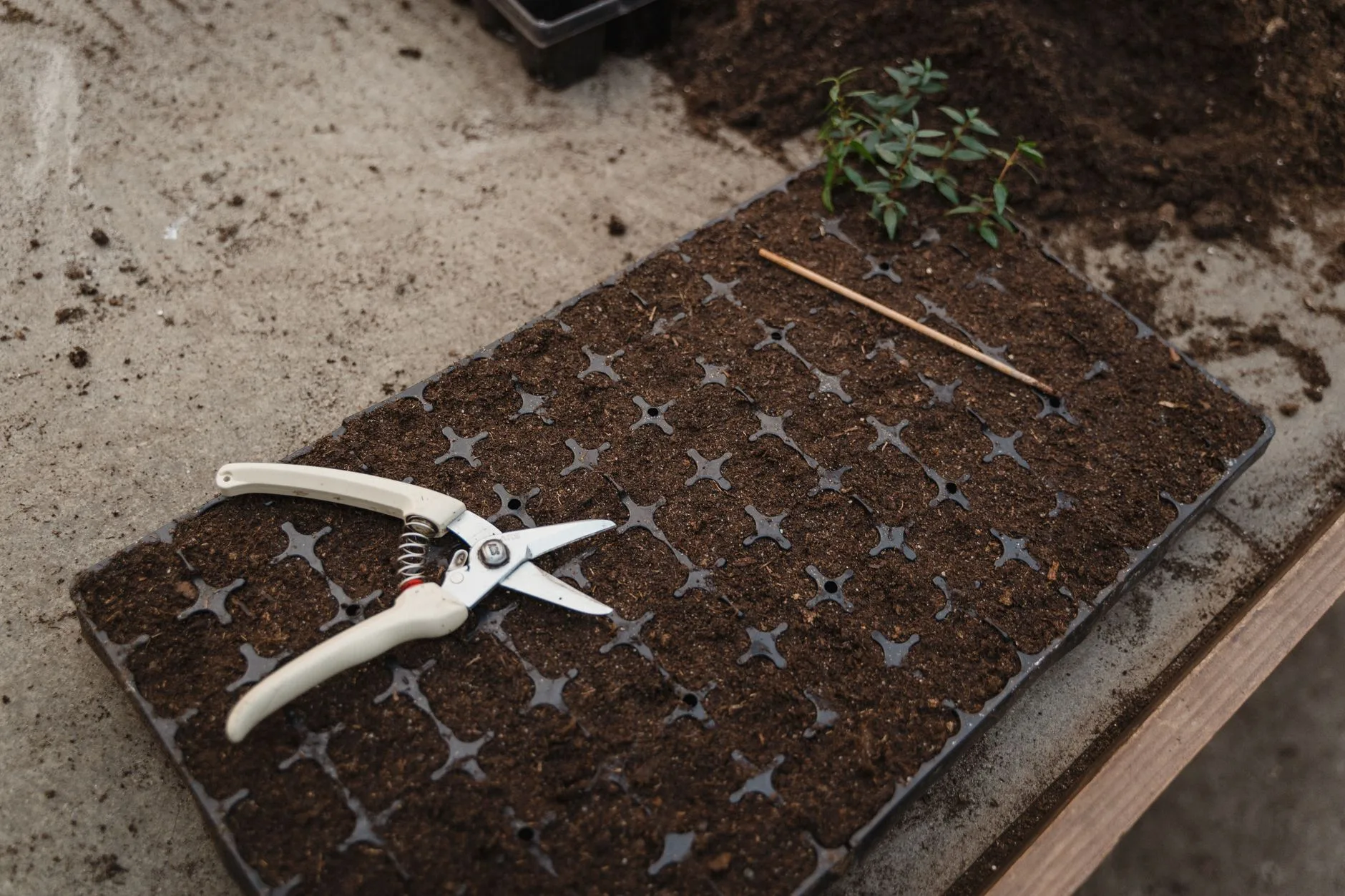
Module trays
Module trays have individual cells, so each seedling grows as a small plug. They reduce root disturbance and make planting out quicker. They are especially useful for lettuce, beetroot, chard, onions, leeks, kale, cabbage and many flowers.
Cell size matters. Tiny cells dry quickly and need fast planting. Larger cells use more compost but give roots more time:
- 40-cell trays suit lettuce, brassicas and beetroot
- 24-cell trays suit chard, larger brassicas, sweetcorn and flowers
- 12-cell trays suit courgettes, cucumbers and squash for a short period
For product comparisons, see GrowPlotUK’s guide to the best seed trays and propagators for UK gardeners. Matching tray depth to crops is better than buying the largest multipack by habit.
Small pots and root trainers
Keep a stash of 7 cm and 9 cm pots. They are useful when tomatoes, chillies, cucumbers and courgettes need more room after germination. A 9 cm pot is a common first move before plants go into 1 litre pots, grow bags or beds.
Root trainers are deeper containers for peas, beans and sweet peas. They help if mice, wet soil or cold spring weather make direct sowing unreliable. Toilet-roll tubes can work, but they may go mouldy indoors if kept too wet.
Compost, Covers and Labels
Seed compost has a direct effect on germination. Seeds need moisture, air and close contact with a fine growing medium. They do not need rich compost at the start.
Choosing seed compost
Peat-free seed compost is now widely available across the UK. Look for a fine, even texture with few woody lumps. Some peat-free mixes dry on the surface while remaining damp below, so check moisture with a finger rather than judging by colour alone.
A 10–20 litre bag is enough for a modest windowsill season. Expect to pay around £4–£8 for a small bag, with larger bags offering better value if you sow many trays. If you already have good peat-free multi-purpose compost, sieve it for less fussy crops.
The RHS advice on sowing seeds indoors gives clear guidance on filling containers, sowing depth and covering seed. It is handy when a packet gives only brief instructions.
Vermiculite, perlite and grit
Vermiculite is light and flaky, and helps hold moisture around seeds. A thin layer over small seeds can keep conditions even. Perlite improves air and drainage in compost mixes, while fine grit can help with herbs and plants that dislike wet crowns.
Useful extras include:
- Vermiculite for tomatoes, chillies, basil and fine seed trays
- Perlite for opening up heavy compost
- Fine grit for some herbs and alpines
If funds are tight, buy better compost before buying additives.
Labels that survive spring chaos
A tray of young brassicas can look identical after two weeks. Labels are cheap protection against mystery plants. White plastic labels and a soft pencil remain reliable because pencil does not wash off as readily as many inks.
Write the crop, variety and sowing date. If you sow in batches, add a batch number or location. For variety choice and ordering windows, the GrowPlotUK guide to the best seed companies in the UK can help before you fill a basket with extra trays.
Light and Warmth in UK Homes
Light is the weak point in many British seed-starting setups. A warm room with poor light creates long, soft seedlings. A cooler bright spot often gives stronger growth.
Windowsills and natural light
South and west-facing windowsills are usually best in late winter and spring. East-facing windows can work from March onwards. North-facing windows are often too dim for early tomatoes, chillies and many flowers.
Common problems include seedlings leaning towards the glass, cold nights beside single glazing, compost drying above a radiator and too little room once plants need potting on. Turn trays every day or two to reduce leaning. Place waterproof trays underneath to protect paintwork and catch drips. If a radiator sits below the sill, check moisture often and avoid trapping seedlings in hot, dry air.
Heated propagators and heat mats
Warmth speeds germination for chillies, peppers, aubergines and tomatoes. It is far less important for peas, lettuce, brassicas and many hardy annuals. A heated propagator might cost £25–£70, while a small heat mat is often around £15–£35.
Use gentle warmth for germination, then move seedlings into bright light once they appear. Leaving young plants under a hot clear lid for too long encourages weak growth and mould.
Be careful with electrics near water. Use equipment intended for horticultural use, keep sockets away from spills, and follow the maker’s instructions. If a cable is damaged or a plug becomes wet, stop using the kit and seek suitable advice.
LED grow lights
Grow lights are useful if you sow early or have dark windowsills. A small LED bar or shelf light may cost £20–£60; larger panels cost more and need more space.
Look for white full-spectrum LEDs, adjustable height and a timer. Many indoor seedlings receive 10–16 hours of light per day, depending on crop and lamp strength. Keep lights close enough to limit stretching, but not so close that leaves dry or scorch.
If you start sowing in late March and have a bright sill or unheated greenhouse, you may manage without lights. If you want chillies in January in a flat with small windows, lights become much more useful.
Watering and Hygiene Basics
Watering seed trays is less about volume and more about even moisture. Too dry and germination stops. Too wet and seedlings struggle for air.
Gentle watering tools
A small watering can with a fine rose is one of the best low-cost buys. For tiny seed, water the compost before sowing, sow onto the damp surface, then cover lightly if the packet advises it. A spray bottle can settle vermiculite, but it is rarely enough once seedlings are growing.
Bottom watering works well for modules. Put the tray into shallow water for a few minutes, let the compost draw up moisture, then remove and drain. Do not leave modules sitting in water for hours unless the system is designed for it.
Keeping trays clean
Seedlings can suffer from damping off, a general term gardeners use for problems that cause collapse at soil level. Clean kit lowers risk, though it cannot remove every problem.
Before sowing:
- Brush old compost from trays and pots.
- Wash reusable containers in warm soapy water.
- Rinse and let them dry.
- Use fresh seed compost for valuable or slow crops.
- Remove covers once seedlings emerge to improve air movement.
Avoid using old compost from diseased plants for seed sowing. If suitable, old compost may still have a role in outdoor containers or beds. For waste decisions, GrowPlotUK’s guide to what can and can’t go in your compost bin covers common garden and kitchen materials.
Optional Kit Worth Considering Later
Optional kit earns a place when it solves a repeated problem.
Clear lids and mini propagators
Clear lids hold humidity around seed trays during germination. They are useful in centrally heated homes and on draughty windowsills. Remove or vent them once seedlings appear, as stale air and condensation can create trouble.
An unheated propagator is usually a tray with a clear lid. It may cost £4–£12. Check lid height, as very low lids are outgrown quickly.
Soil blockers
Soil blockers press compost into cubes, so you can raise seedlings without plastic modules. They suit gardeners who grow many plugs and enjoy a hands-on system. They need the right compost moisture: too dry and blocks crumble; too wet and they slump.
A small blocker may cost £20–£40. It can save plastic over time, but it is not the easiest first purchase for a new grower.
Capillary matting and self-watering trays
Capillary matting can even out watering on greenhouse benches and indoor shelves. Self-watering trays may help if you are away for a day or two, but they still need checking.
Buy this kit only if watering is a real problem. For most beginners, a tray underneath modules and a regular morning check is enough.
Budget Setups for UK Gardeners
The best setup is the one you can manage daily. A tidy corner beats a crowded windowsill where plants are forgotten behind curtains.
Around £20
This level suits herbs, salad leaves and a few tomatoes:
- Two or three half-size seed trays
- One clear-lidded propagator or reused clear cover
- 10 litre bag of peat-free seed compost
- Plastic labels and pencil
- Small watering can if you do not own one
Use a bright windowsill and sow at sensible dates.
Around £50
This budget works well for a small garden or new allotment:
- Several module trays in two cell sizes
- A few 9 cm pots
- Peat-free seed compost
- Vermiculite for fine seeds
- Clear lids or a windowsill propagator
- Fine-rose watering can
- Waterproof labels
Pair this with a seasonal plan such as the month-by-month UK allotment planting guide. Planning stops you buying containers for crops you will never have room to grow.
Around £100 to £150
This range suits early sowers, chilli growers and gardeners with poor natural light:
- Sturdy reusable module trays
- Gravel trays to catch water
- Heated propagator or heat mat
- Basic LED grow light with timer
- 9 cm and 1 litre pots
- Compost, labels and cleaning supplies
Plan the space before buying.
How to Set Up a Seed Starting Area
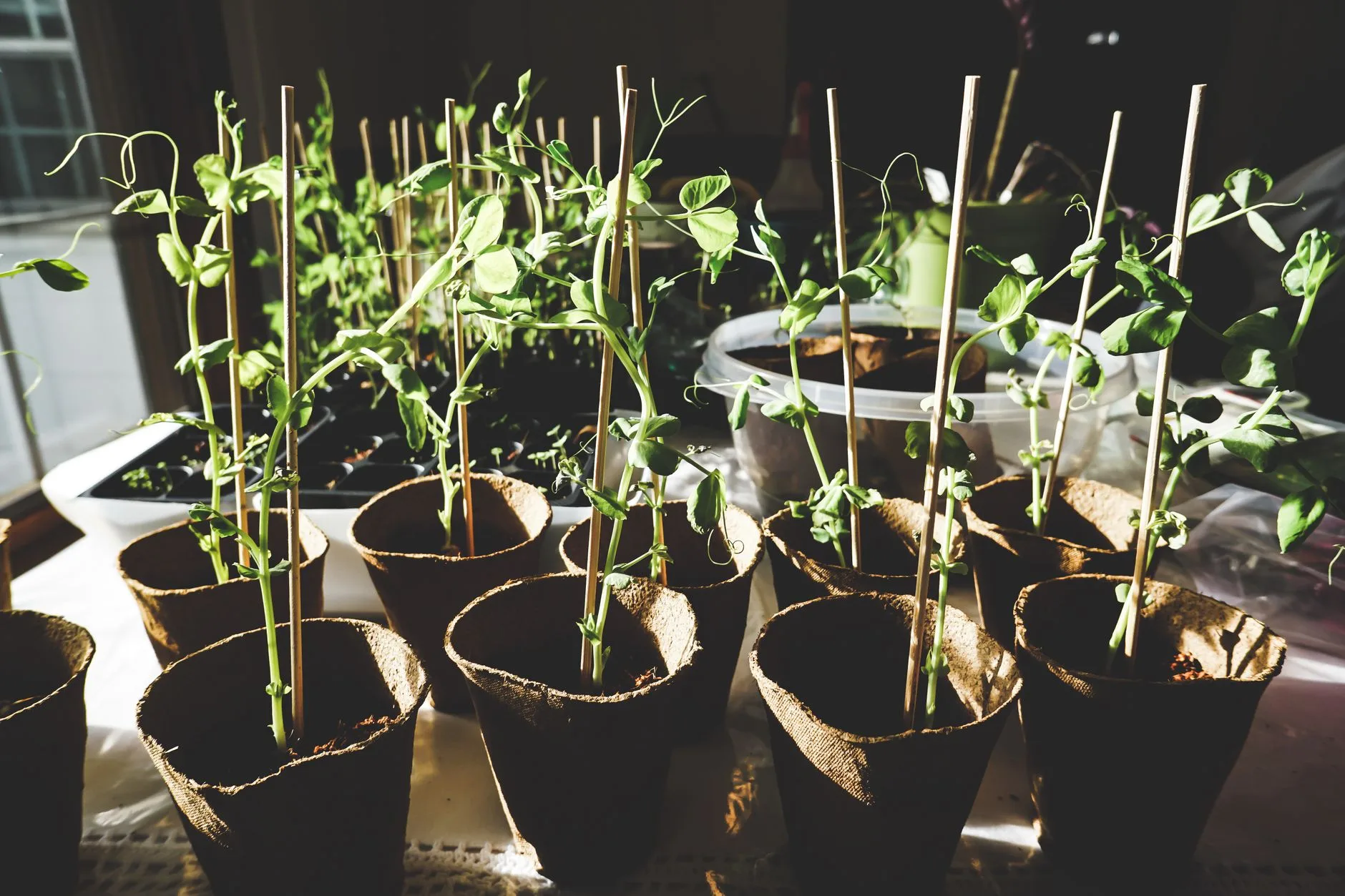
Your seed area does not need to look polished. It needs to be bright, safe, easy to water and simple to check every day.
Step-by-step setup
- Choose the brightest available place, or set up a shelf with an LED light.
- Put waterproof trays under all seed trays and pots.
- Keep compost, labels and pencil in a small box nearby.
- Sow only the number of cells you can house after germination.
- Cover trays until germination, then vent or remove covers.
- Turn windowsill trays every day or two.
- Pot seedlings on before roots become tightly crowded.
- Harden plants off gradually before planting outside.
Hardening off matters in the UK because spring weather is changeable. Move plants outside by day and back under cover at night for a short period, adjusting to the crop and forecast.
Direct sowing still matters
Not every seed needs indoor equipment. Peas, beans, carrots, parsnips, radish, spinach and many hardy flowers can be sown outdoors when soil conditions suit. The RHS advice on sowing seeds outdoors is helpful for drills, spacing and watering outside.
Indoor sowing is mainly for warmth-loving crops, early starts, slug protection and better control. Direct sowing saves compost, space and time where it works well.
Equipment Choices by Crop
Different crops reward different kit. Build your shopping list around what you actually grow.
Tomatoes, chillies and peppers
Tomatoes are fairly forgiving. Sow in a tray or modules, then pot on into 9 cm pots. Chillies and peppers need more warmth and a longer season, so heat is more valuable for them than for tomatoes.
Good kit includes a small seed tray or 24-cell modules, seed compost and vermiculite, a heat mat or heated propagator for early sowing, an LED light for January or February sowing in a dim room, and 9 cm pots before larger pots or grow bags.
Raise fewer plants than you think. Six healthy tomato plants are more useful than twenty weak ones with nowhere to go.
Brassicas, lettuce and leafy crops
Cabbage, kale, broccoli, lettuce, chard and many Asian greens suit module trays. They do not need high heat. Too much warmth can make them soft and stretched.
Use 24-cell or 40-cell trays, keep moisture even, and give them good light. Successional sowing works better than one huge batch. If you are planning where those young plants will go, the GrowPlotUK companion planting guide can help with bed layout.
Courgettes, cucumbers, squash and sweetcorn
These are large, fast seedlings. Sow singly into large modules or 9 cm pots, then plant out after frost risk has passed. They dislike sitting in tiny cells.
Warmth helps germination, but space is the main issue. Sow later rather than raising huge plants indoors for weeks. In many UK gardens, late April or May sowing is more practical than a very early start.
Peas, beans and root crops
Peas and beans can be direct sown, started in deep modules, or grown in root trainers. Root trainers help if mice or wet soil are a problem.
Carrots and parsnips are usually best direct sown because they dislike root disturbance. For these crops, useful equipment is simple: a prepared bed, line, watering can, fleece if needed and patience. The RHS vegetable seed sowing guide is a useful timing reference for common vegetables.
Mistakes That Waste Money
Most wasted spending comes from buying for an imagined spring rather than the space and time you have.
Sowing too early
Early sowing often needs extra heat, light and potting-on space. Before buying equipment, list what you want to sow by month. If a crop cannot go outside until after frost, make sure you can house it indoors until then.
Choosing tiny cells for everything
Tiny modules look efficient, but they dry out fast and leave little root room. They suit quick turnover, not neglected windowsill trays. If unsure, choose a medium cell size and sow fewer seeds.
Keeping covers on too long
Clear lids are for germination, not long-term growth. Once seedlings are up, they need air and light. A covered propagator can heat quickly in sun, even in a cool room.
Forgetting final space
Every seedling needs somewhere to go. If you only have room for four courgette plants, do not raise sixteen unless friends, neighbours or plot holders want the extras.
Storing and Reusing Your Kit
Reusable seed kit saves money only if it survives until next spring. A little end-of-season tidying pays back quickly.
Cleaning after use
Knock dry compost from trays and pots, then wash them. Let everything dry fully before stacking. Store lids with their matching trays, as mismatched propagator parts are a common shed irritation.
Check for cracks. A split tray may still work as a pot holder, but it may not be worth filling with compost again.
Storing compost and seed
Seal opened compost bags and keep them dry. Compost that becomes waterlogged, sour-smelling or full of pests is poor for seedlings. Use older compost for outdoor pots if suitable, and buy fresh seed compost for valuable early sowings.
Store seed somewhere cool, dry and dark. Old seed can still germinate, but rates may drop, so sow a few extra or test a small sample on damp kitchen paper.
The practical bottom line is simple: buy for your conditions. A bright windowsill grower needs different kit from a greenhouse owner. A chilli enthusiast needs warmth earlier than a lettuce grower. Start with trays, compost, labels, gentle water and light; add specialist equipment only when you can name the problem it solves.
Frequently Asked Questions
What seed starting equipment do I need first? Start with seed trays or module trays, peat-free seed compost, labels, a pencil, a gentle watering can and a bright growing place. Clear lids are useful for germination.
Do I need a heated propagator in the UK? Not for every crop. It helps chillies, peppers, aubergines and early tomatoes, but lettuce, brassicas, peas and many hardy flowers do not need high heat.
Are grow lights worth buying for seedlings? They are worth considering if you sow early or have dark windowsills. If you sow from late March on a bright south or west-facing sill, you may not need them.
What size module tray is best for beginners? A 24-cell or 40-cell tray is a good starting point for many vegetables. Very tiny cells need frequent watering and quick planting out.
Can I reuse old plastic pots for seed starting? Yes, if they are clean and undamaged. Brush off old compost, wash them, rinse well and let them dry before sowing valuable crops.
Should I sow seeds indoors or outdoors? Sow indoors for tender crops, early starts and slug-prone seedlings. Direct sow crops such as carrots, parsnips, radish and some peas when outdoor conditions are suitable.